What Year the Name Changed to American Shorthair
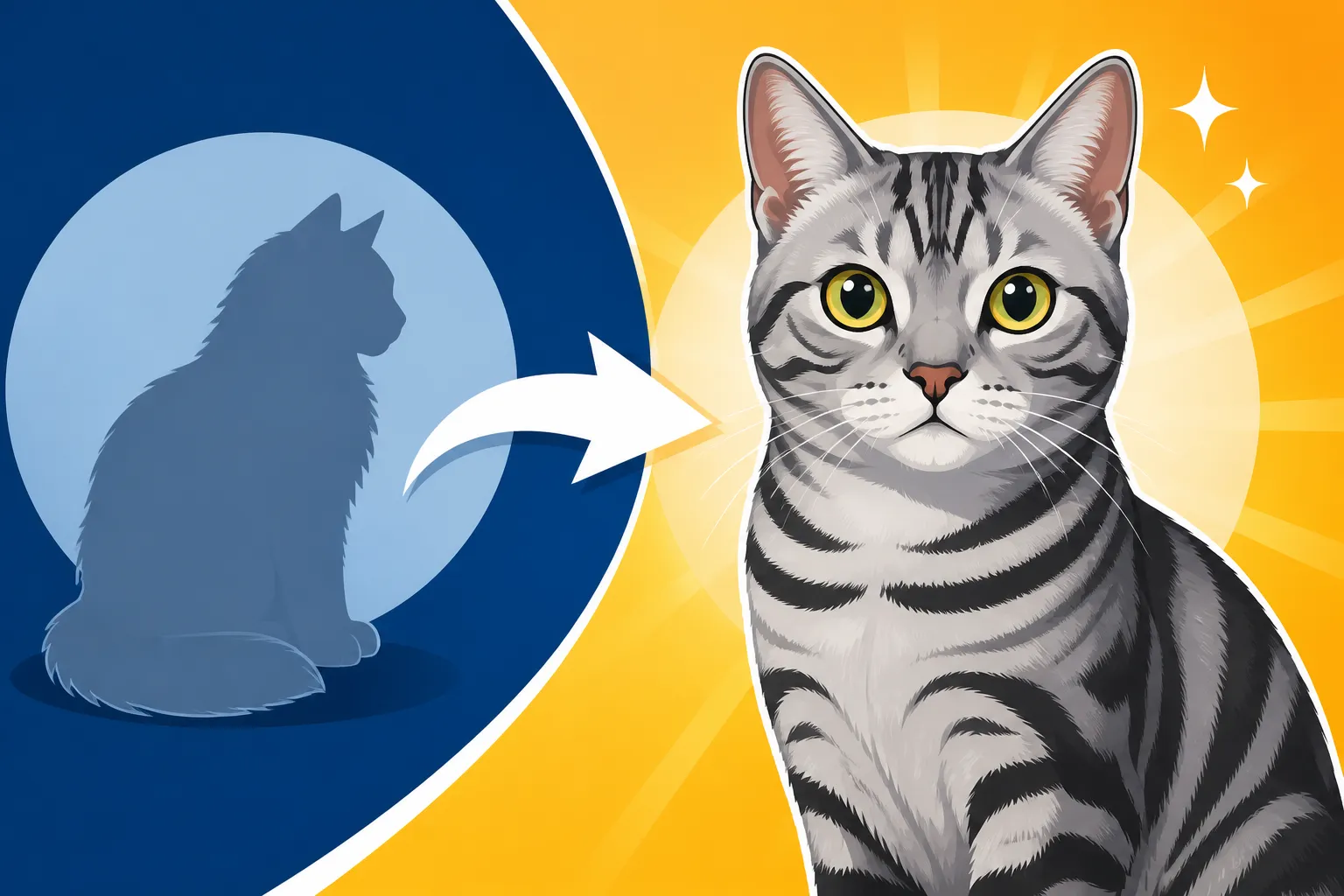
The American Shorthair name changed in 1966, when the Cat Fanciers’ Association adopted the new name for the established breed previously called the Domestic Shorthair. The change did not create a new kind of cat or alter the breed overnight. It helped distinguish a pedigreed American breed from the much broader population of shorthaired domestic cats.
The American Shorthair name changed in 1966
The date and the registry behind it
The year generally given for the name change is 1966, and the change is associated with the Cat Fanciers’ Association, or CFA. Before then, the breed was known as the Domestic Shorthair. That older name described its short coat, but it could easily be confused with a non-pedigreed domestic cat that happened to have short fur.
The change was a revision to the breed’s official name, not the beginning of the breed itself. Cats of the type had been selected and shown before 1966, and the breed had a history within the CFA well before the new name appeared. If you are tracing the timeline, Which Year the CFA Recognized the American Shorthair gives useful context for separating formal recognition from the later renaming.
The timeline is easy to mix up because “recognized” and “renamed” sound like they ought to mean the same event. They do not. Recognition refers to a registry accepting a breed under its rules; a name change alters what that established breed is called. For background on the earlier label, see What the Breed Was Called Before American Shorthair.
The breed existed before the new name
A cat did not become an American Shorthair simply because it was born after 1966. The breed had already been developed through selective breeding and a written standard. The new name gave that existing breed a more distinct identity; it did not mark a sudden change in ancestry, appearance, or temperament.
That distinction matters when you see old references to “Domestic Shorthairs.” In a historical show or registry context, the term may refer to the pedigreed breed that was later called the American Shorthair. In everyday conversation, however, “domestic shorthair” usually means a short-coated cat without a specific pedigree designation. The surrounding context is what tells you which meaning is intended.
The CFA’s early history is also part of the story. The American Shorthair was among the breeds associated with the organization’s beginnings, rather than a breed invented decades later to fit a new name. The American Shorthair Was One of the CFA's Five Founding Breeds explores that longer registry history.
| Question | Short answer | What it means |
|---|---|---|
| When did the name change? | 1966 | The breed’s name changed from Domestic Shorthair to American Shorthair. |
| Did the breed begin in 1966? | No | The breed and its show history predate the new name. |
| Did every shorthaired domestic cat become an American Shorthair? | No | A generic coat description is not proof of pedigree. |
| What did the change affect? | The breed’s official name and distinction | It clarified the identity of a recognized breed, not the biology of every shorthaired cat. |
Why the breed was renamed
A name that was too easy to misunderstand
“Domestic Shorthair” sounds like a broad description rather than the name of a particular breed. That was the central problem: people could reasonably use the same words for a registered show cat and for a short-coated household cat with no documented pedigree. The label did not clearly tell newcomers that the breed had its own standards and breeding history.
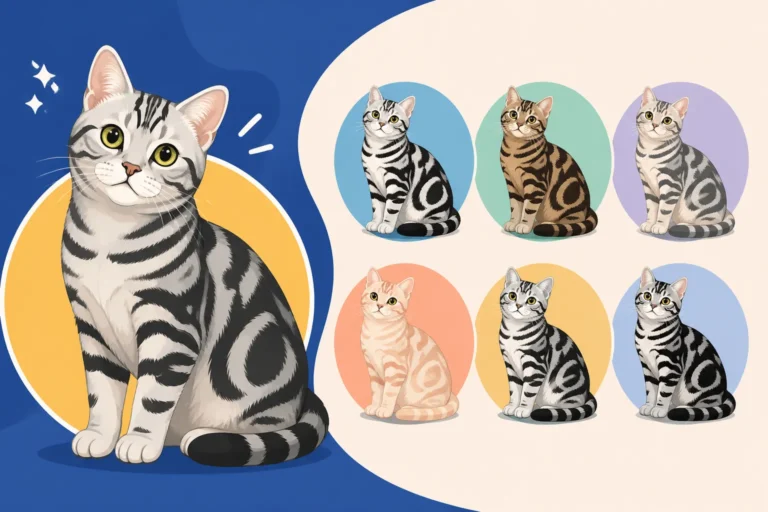
Imagine seeing a silver tabby described as a Domestic Shorthair in an old show record, then reading a shelter listing for a brown tabby described the same way. The coat description might sound similar, but the records are doing different jobs. One may identify a pedigreed cat within a registry; the other may simply describe the cat’s coat length. That ambiguity made a more distinctive breed name useful.
The rename also provided an explicitly American identity for the breed. Its name connected the recognized breed to its development in the United States, rather than leaving it under a label that could describe shorthaired domestic cats anywhere. For more on the motivation behind the decision, see Why the American Shorthair Name Changed in 1966.
The change helped separate pedigree from appearance
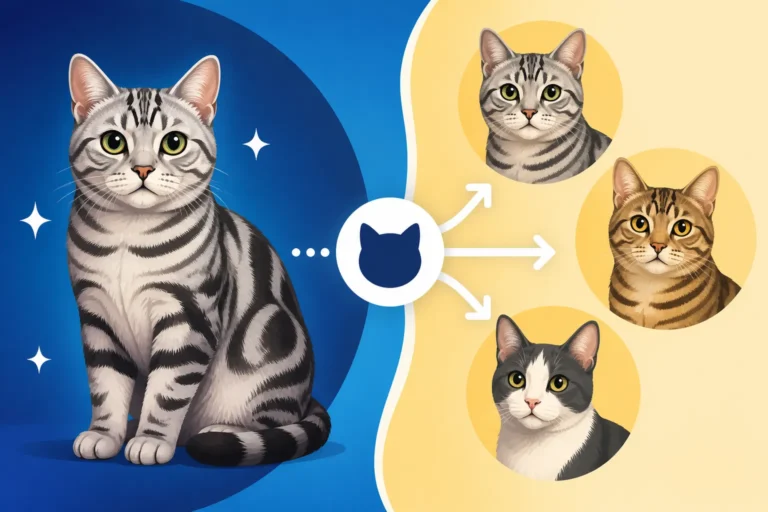
A cat can look very much like an American Shorthair without being one in the registry sense. Silver tabby markings, a sturdy body, and a short coat can occur in many cats. Those traits alone do not establish a cat’s documented ancestry or registration status.
That is why the breed name should not be treated as a visual shortcut. An American Shorthair is identified through its pedigree and the rules of the relevant registry, not merely by having a familiar coat pattern. The distinction is especially helpful when comparing the registered breed with cats commonly described as domestic shorthairs. How an American Shorthair Differs From a Domestic Shorthair explains why the terms overlap in appearance but are not interchangeable.
This can be frustrating for anyone trying to identify a cat from a photo. A shelter cat may have the classic American Shorthair look, and it may be a wonderful companion, but appearance alone does not confirm that it is a pedigreed American Shorthair. Conversely, a registered American Shorthair does not have to be the silver tabby people most often picture. The name change made the breed’s identity clearer; it did not make visual identification foolproof.
What changed and what stayed the same
A naming change is not a genetic reset
When a breed’s name changes, it is natural to wonder whether breeders also changed the cats themselves. In this case, it is more accurate to think of the new name as a clearer label for an established breed. It did not instantly alter the animals’ genes, rebuild their appearance, or transform ordinary domestic cats into registered American Shorthairs.
Breed standards and breeding choices can evolve over time, as they do in many pedigree cats. But those gradual developments are separate from the 1966 naming decision. A name change might affect how people talk about a breed and how clearly it stands apart in public records, without making every underlying characteristic new.
So if you encounter a pre-1966 source that calls the breed a Domestic Shorthair, do not assume it must be discussing a different breed. Check whether the source refers to a show, a registry, or a documented pedigree. That context can help you distinguish the historical breed label from the broad everyday use of “domestic shorthair.” The question of whether the rename changed the cats themselves is covered in Whether the Rename Changed the American Shorthair Itself.
The older term still appears in everyday use
“Domestic shorthair” remains useful as a general description of cats with short coats and no confirmed specific breed. It can describe a cat’s coat without making a claim about pedigree. “American Shorthair,” by contrast, refers to a recognized breed with a defined history and standards.
That means the same phrase can appear in different settings with different meanings. An older breed book may use “Domestic Shorthair” as the formal name of the breed before the change. A modern adoption profile may use the same words as a practical description of a mixed-ancestry cat. Neither use automatically makes the other wrong; they belong to different contexts.
When browsing online, look for the basis of the label. A retailer such as Chewy may offer useful shopping information for food or everyday supplies, but a product listing is not evidence that a cat has a registered pedigree. Chewy is a place to compare pet-care products, not a substitute for a breeder’s records or a registry’s documentation. For the history of the old label, see Whether the American Shorthair's Old Name Is Still Used.
How to understand the name today
Check the record, not just the coat
If you are trying to determine whether a particular cat is an American Shorthair, begin with documentation. Ask for the registration information and pedigree records, and confirm which registry issued them. A breeder should be able to explain how the kitten’s paperwork connects to its parents and the breed’s registration rules.
A photo can help you compare a cat with the breed’s general look, but it cannot establish lineage. This is where buyers sometimes run into confusing claims: an advertisement may use “American Shorthair” because the cat resembles the breed, while its available records may identify it as a domestic shorthair or mixed-breed cat. A careful seller should be clear about the difference rather than relying on appearance alone.
If you are adopting, the absence of pedigree papers does not make the cat less deserving of a home. It simply means you should treat the breed label as unconfirmed unless reliable documentation supports it. Chewy’s general care information or a shopping page may help with supplies after adoption, but neither can verify ancestry. The useful question is not whether a cat looks like the breed, but what the records actually establish.
Use the historical name as a clue, not a conclusion
When reading older documents, search for both names. A record from before 1966 may use “Domestic Shorthair” for the breed now called the American Shorthair. A much later shelter or veterinary document may use “domestic shorthair” in the everyday descriptive sense. Dates and context help you interpret the label.
It is also worth distinguishing breed history from individual-cat identity. The American Shorthair’s roots and formal development can be traced through records, but that does not mean every shorthaired cat in the United States descends from registered American Shorthair lines. A broad population of domestic cats and a pedigree breed are related concepts, not interchangeable categories.
If the distinction is still unclear, Why American Shorthair Breeders Dropped the Old Name provides another angle on the choice, while the breed’s broader development is explored in Where the American Shorthair Comes From. Taken together, those histories show why 1966 is best understood as a key point in the breed’s naming—not the moment the cats first appeared.
Chewy can be relevant once the conversation shifts from breed records to routine ownership needs, such as choosing a carrier or food for an individual cat. But for questions about whether an animal is a registered American Shorthair, rely on pedigree documentation and registry information rather than retail descriptions. Keeping those questions separate makes the old and new names much easier to understand.
Disclaimer
This article is for general informational purposes only and does not constitute professional advice. Laws, prices and regulations vary by location and change over time. Consult a qualified professional for guidance on your specific situation.