Whether an American Shorthair Carries an Undercoat
It’s a common misconception that a "shorthaired" cat means a simple, single-layer coat. Many American Shorthair owners, new and experienced alike, often wonder if their sturdy, short-coated companion actually has a hidden layer of fluff beneath those sleek guard hairs. The truth is, understanding your American Shorthair’s coat structure is absolutely essential for keeping them comfortable and well-groomed, especially when the seasons change. This guide is here to unravel the mystery, explaining in detail whether your American Shorthair carries an undercoat and what that means for their care.
The American Shorthair's Coat: A Natural Design for Utility
When you run your hand over an American Shorthair, you might immediately notice its distinctive texture. It's not the plush, soft coat of some other breeds; it's robust, firm, and feels almost like a protective shell. This isn't by accident; it's a testament to their long and storied history as working cats, a legacy that directly influenced the design of their resilient coat.
A Working Cat's Legacy: Double-Coated Protection
Think about the origins of the American Shorthair. Their ancestors weren't bred for delicate beauty or specific aesthetic traits in climate-controlled catteries. No, these were the ultimate working cats, brought over on ships by early settlers to protect precious cargo from rodents, and later, to keep farms and homes free of pests. They faced a wide range of challenging environments, from the damp, salty air of sea voyages to the harsh winters and hot summers of North America. To survive and thrive in such varied conditions, they needed a truly functional coat – one that could offer both warmth and protection, and shed excess insulation when the weather turned.
This need for adaptability led to the development of a double coat. Unlike single-coated breeds, which have just one layer of hair, the American Shorthair developed a protective outer layer of guard hairs and a dense, insulating undercoat. This natural design served them incredibly well, allowing them to regulate their body temperature effectively, whether they were braving a snowstorm in a barn or enduring a humid summer day on a porch. Their coat was a tool for survival, not a fashion statement, and that practical, hardy quality remains today.
The "Hard" Coat Standard: More Than Just Short Fur
If you've ever looked at the breed standard for the American Shorthair, you'll often see the term "hard" used to describe their coat. This isn't meant to imply discomfort; rather, it refers to the texture and resilience of their fur. The outer layer consists of coarse, dense guard hairs that are designed to repel moisture and protect against minor abrasions. These guard hairs are what give the American Shorthair its characteristic firm feel when stroked. They lie close to the body, contributing to a sleek, well-groomed appearance that requires surprisingly little intervention from us.
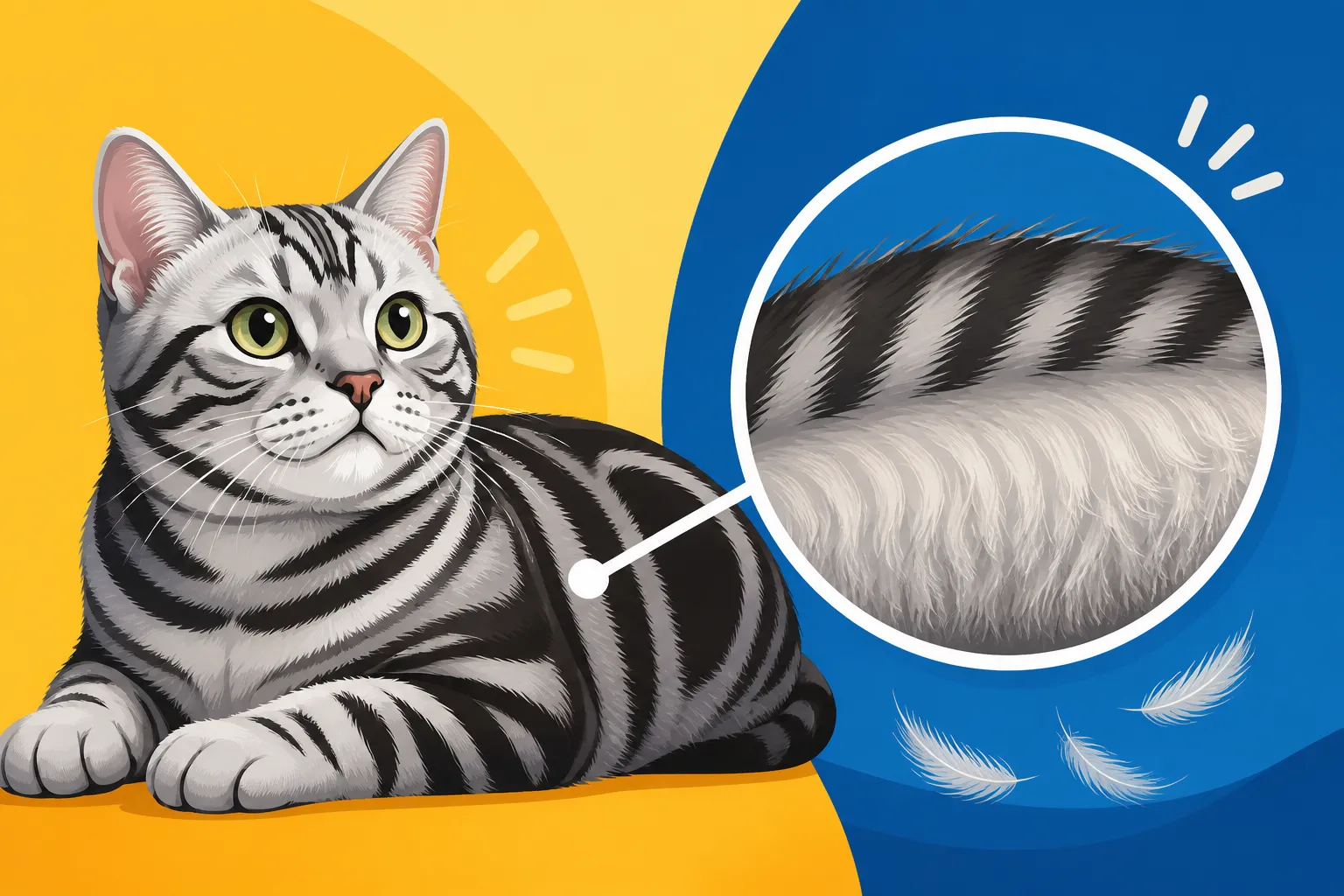
Beneath this protective outer layer lies the undercoat, which, while also dense, is much softer and finer. It's the combination of these two distinct layers working in harmony that creates the American Shorthair's signature texture and functionality. The density of the entire coat is impressive, offering a natural buffer against the elements. This "hard" quality is a hallmark of the breed, differentiating it from the softer, plush coats of some other shorthaired breeds. It’s a testament to centuries of natural selection favoring utility over mere aesthetics, ensuring they remain robust and ready for anything.
Decoding the Undercoat: What It Is and Why It's There
So, the definitive answer is yes, your American Shorthair absolutely carries an undercoat! This isn't just a trivial detail; it’s a crucial aspect of their physiology and directly impacts how you should approach their care. Understanding what this hidden layer is, and more importantly, why it exists, will give you a deeper appreciation for your cat's natural design.
The Hidden Layer: Softness Beneath the Surface
The undercoat of an American Shorthair is essentially a layer of shorter, much softer, and incredibly dense hair that grows beneath the longer, coarser guard hairs. While the guard hairs provide the sleek, protective outer shell you see and feel first, the undercoat is where the serious work of insulation happens. If you were to gently part the guard hairs, you’d find a plush, downy layer underneath, almost like a fine wool. This inner layer is composed of thousands of fine, crimped hairs packed closely together.
This textural difference is quite striking. While the guard hairs feel stiff and protective, the undercoat feels soft and fluffy, acting like a natural down jacket. It's often lighter in color than the outer coat, especially in tabby patterns, contributing to the depth and richness of their markings. The primary purpose of this dense, hidden layer is insulation – it traps a layer of air close to the cat's body, which then helps to maintain a consistent body temperature regardless of external conditions. It's nature's perfect climate control system, built right into their fur.
Insulating Against the Elements: A Year-Round Job
The undercoat's main role is to act as a natural thermoregulator, keeping your American Shorthair comfortable in a variety of temperatures. In cooler weather, those dense, fine hairs trap warm air against the body, much like a winter jacket keeps you cozy. This was vital for their ancestors who lived and worked outdoors, providing a critical layer of warmth when temperatures dropped significantly. Imagine a frosty morning in a barn; without that thick undercoat, these cats wouldn't have survived.
But the undercoat isn't just for keeping warm; it's also crucial for staying cool. In warmer months, the undercoat helps to prevent overheating by creating a barrier against external heat. It still traps air, but this time, it helps to slow down the transfer of heat to the body. When shedding, the excess undercoat is released, allowing for better air circulation and cooling. It's a remarkably sophisticated system that allows them to adapt to seasonal extremes. For American Shorthairs, their undercoat is not merely an aesthetic feature, but a vital part of their inherent resilience and ability to thrive in diverse climates.
Seasonal Changes and the American Shorthair Undercoat
Even though American Shorthairs are typically easy-care cats, their undercoat does necessitate some attention, especially during seasonal transitions. It’s during these times that you’ll notice the most significant changes in their shedding patterns, as their body naturally adjusts its insulation for the upcoming weather.
The Great Shed: Preparing for New Seasons
If you've ever owned an American Shorthair, you know about "shedding season." They don't just shed a little bit year-round; they have distinct periods of heavy shedding, typically twice a year. The most intense shedding usually occurs in the spring, as your cat prepares to lighten its load for the warmer months, and again in the fall, when they start making room for a new, thicker winter coat. Which Two Months an American Shorthair Sheds Hardest During these times, it can feel like your cat is leaving miniature versions of themselves all over your house!
This prolific shedding is primarily due to the undercoat. Those soft, fine hairs are shed in large quantities to allow for either cooler or warmer insulation. While the guard hairs are also replaced, it's the sheer volume of undercoat coming out that can be surprising. For indoor cats, factors like central heating and artificial lighting can sometimes disrupt this natural cycle, leading to more consistent, moderate shedding throughout the year, rather than two intense bursts. Whether Central Heating Keeps an Indoor American Shorthair Shedding Nevertheless, you'll still experience those periods where you find more cat hair on your furniture and clothes than usual. It’s simply your American Shorthair's magnificent body doing what it was designed to do: adapt.
Adapting to Climate: Coat Density Fluctuations
The American Shorthair's coat is a masterclass in natural adaptation. As winter approaches, you'll notice their coat becoming noticeably denser and thicker. This isn't just your imagination; their undercoat actually grows in more profusely, preparing them for colder temperatures. Why an American Shorthair's Coat Thickens for Winter This increased density provides superior insulation, helping them maintain their core body temperature even when it's freezing outside. It's their body's way of putting on a natural winter jacket.
Conversely, as the days lengthen and temperatures rise in spring and summer, their coat begins to thin out. How an American Shorthair's Coat Thins Toward Summer The excess undercoat is shed, allowing for better airflow close to their skin, which helps them dissipate heat more efficiently. This natural thinning prevents overheating and keeps them comfortable during the warmer parts of the year. This remarkable ability to adjust their coat density based on environmental cues is a direct inheritance from their wilder, working ancestors, highlighting the breed's incredible resilience and natural functionality. It’s a subtle but powerful reminder of their enduring connection to the natural world, even for our beloved house cats.
Grooming Your American Shorthair's Double Coat
Understanding that your American Shorthair has an undercoat is the first step; the next is knowing how to properly care for it. While they are generally low-maintenance groomers, giving their double coat the right attention, especially during seasonal shedding, will keep them healthy, comfortable, and your home a little less hairy.
Essential Tools for Managing the Undercoat
Because of their double coat, a simple once-over with any old brush won't quite do the trick, particularly during the heavy shedding seasons. You'll want to invest in a few key tools designed to reach and remove that dense undercoat without damaging the protective guard hairs. A good quality slicker brush can be very effective, with its fine, wire bristles getting down into the undercoat. However, many owners find a deshedding tool, like those from popular brands such as Furminator, to be invaluable. These tools are specifically designed to gently pull out loose undercoat hairs, leaving the topcoat intact. Whether a Deshedding Tool Is Worth Buying for The American Shorthair They make a dramatic difference in the amount of hair you find around your home.
You'll also want a sturdy metal comb, especially one with both wide and narrow teeth. This can help detangle any minor snags and check for remaining loose hair after a brushing session. Which Comb Suits an American Shorthair's Hard Coat When shopping for these tools, you can often find a great selection on platforms like Amazon or dedicated pet supply stores like Chewy. Having the right arsenal of grooming tools will make the process much more efficient and comfortable for both you and your American Shorthair, ensuring you effectively manage that undercoat without frustration.
Brushing Techniques for a Healthy Coat
Brushing your American Shorthair with an undercoat requires a bit more technique than just a quick surface stroke. The goal is to get deep enough to remove the loose undercoat without irritating their skin. Start by brushing gently in the direction of hair growth, working in small sections. For a deshedding tool, use short, gentle strokes, applying minimal pressure. You'll be amazed at how much fur comes out, even from a cat that doesn't look like it's shedding much!
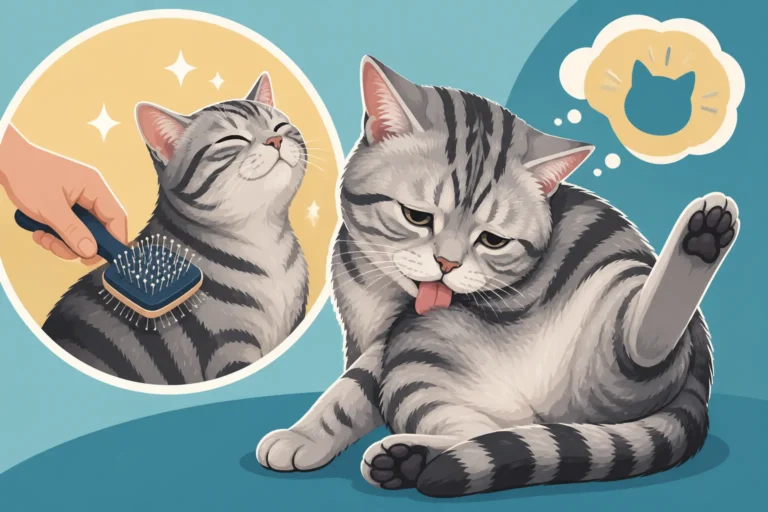
During peak shedding seasons, aim for brushing sessions two to three times a week, or even daily if your cat enjoys it and you're battling a fur storm. Outside of these periods, once a week or every other week is usually sufficient for maintenance. How Little Combing an American Shorthair Actually Needs The key is consistency. By regularly removing the dead undercoat, you help your cat regulate their temperature better, reduce the amount of fur they ingest (which leads to hairballs), and keep their skin healthy. It's a bonding experience, too! Make it a positive interaction with treats and praise, and your American Shorthair will likely look forward to their grooming sessions.
Minimizing Hairballs and Mats
A well-groomed American Shorthair with a properly managed undercoat will experience far fewer issues with hairballs and matting. Hairballs form when cats ingest loose fur during self-grooming, and a thick, shedding undercoat is the primary culprit for a large volume of ingested hair. By actively removing that loose undercoat with regular brushing, you drastically reduce the amount of fur available for them to swallow. This not only makes your cat more comfortable but also lowers the risk of digestive upset from hairballs.
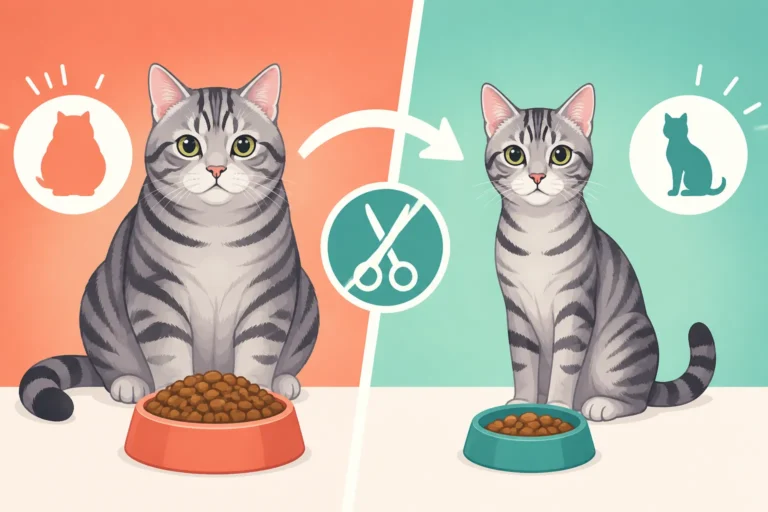
One of the great advantages of the American Shorthair's coat, despite having an undercoat, is its natural resistance to matting. Their guard hairs are designed to be smooth and lie flat, and their undercoat, while dense, is not typically woolly or prone to tangles like some other double-coated breeds. Why an American Shorthair Almost Never Mats However, if an American Shorthair becomes severely overweight or develops health issues that prevent them from reaching certain areas, matting can occur. Regular brushing is your best defense. Additionally, a diet rich in moisture, such as wet food, can aid in digestion and help hairballs pass more easily. Fresh or wet food options can be beneficial for overall coat health and digestion. Maintaining a consistent grooming routine is the simplest way to keep their coat sleek, healthy, and hairball-free.
American Shorthair Coat vs. Other Breeds
Understanding the American Shorthair's double coat becomes even clearer when you compare it to the coats of other feline breeds. These comparisons highlight what makes the American Shorthair's fur truly unique and perfectly suited for its original purpose.
The Distinction from Single-Coated Breeds
When we talk about a cat having an undercoat, it’s often helpful to contrast it with breeds that do not. Single-coated breeds, such as the Siamese or some types of Orientals, have a sleek, fine coat with only one layer of hair. Their fur lies very close to the body, is typically quite soft, and they don't have that fluffy, insulating underlayer. This means their grooming needs are often minimal, primarily focused on removing loose surface hairs and maintaining shine. They generally shed much less overall, and their shedding isn't typically concentrated in heavy seasonal bursts.
The American Shorthair, with its double coat, is quite different. The presence of the undercoat fundamentally changes the texture, density, and functional capabilities of their fur. While a Siamese might seek warmth from a blanket on a chilly evening, an American Shorthair's natural insulation is often sufficient. This distinction is vital for owners: a single-coated cat requires less effort to manage shedding volume and generally has a more consistent, year-round coat density. The American Shorthair's double coat, however, demands specific tools and a more strategic approach during its seasonal transformations.
Comparing to Other Double-Coated Shorthairs
It's easy to assume that all shorthaired, double-coated cats are similar, but even among them, the American Shorthair stands out. Take, for example, the British Shorthair. While also double-coated, the British Shorthair's fur is described as "plush," thick, and very dense, almost like a teddy bear's. How an American Shorthair's Coat Differs From a British Shorthair's Plush Their coat stands away from the body, giving them their characteristic round, cobby appearance. This plushness makes their coat incredibly soft to the touch, but it can also be more prone to collecting debris or, in rare cases, matting if not groomed regularly.
The American Shorthair, by contrast, has that distinct "hard" coat. While dense and with a clear undercoat, their guard hairs are stiffer and lie flatter, creating a more protective, weather-resistant barrier. The overall impression is one of robustness and utility, rather than plush softness. This texture is a key defining characteristic, emphasizing its lineage as a working cat. Furthermore, when compared to a random bred domestic shorthair (often simply called a "tabby moggy"), the American Shorthair's coat will typically be denser, more uniform in texture, and conform more closely to the breed standard's description of a "hard" and resilient coat. How an American Shorthair's Coat Differs From a Random Bred Tabby's While domestic shorthairs can have varying coat types, the American Shorthair's double coat is consistently bred for its specific protective and insulating qualities.
| Feature | American Shorthair | British Shorthair | Single-Coated Breeds (e.g., Siamese) |
|---|---|---|---|
| Coat Layers | Double coat (guard + undercoat) | Double coat (guard + undercoat) | Single coat (guard hairs only) |
| Overall Texture | "Hard," dense, resilient | "Plush," very dense, soft | Fine, sleek, silky |
| Feel of Undercoat | Soft, downy | Very soft, woolly, stands out | N/A (no undercoat) |
| Appearance | Sleek, lies close to body | Stands away from body, rounded | Very close to body, defined contours |
| Primary Function | Weather protection, temperature regulation | Extreme insulation, plush feel | Less insulation, smooth aesthetics |
| Shedding Pattern | Seasonal heavy sheds | Seasonal heavy sheds | Minimal, consistent shedding |
| Matting Susceptibility | Very low | Low to moderate (if neglected) | Extremely low |
Misconceptions and the Importance of a Healthy Coat
Despite the American Shorthair's popularity, their coat, particularly the presence and function of the undercoat, can still be misunderstood. Clearing up these misconceptions is vital for providing the best care and appreciating the natural brilliance of this breed.
Dispelling Undercoat Myths
One common myth is that an undercoat automatically means more matting. For many breeds, a dense undercoat can indeed lead to tangles and mats if not regularly brushed. However, as we've discussed, the American Shorthair's specific coat structure, with its "hard" outer guard hairs, actually makes it remarkably resistant to matting. Their fur isn't typically woolly or prone to clinging together. While neglect can cause issues in any coat, an American Shorthair with a healthy, well-maintained double coat rarely experiences severe matting. Owners often find themselves surprised by how little effort is required beyond seasonal deshedding.
Another misunderstanding is that a "shorthaired" cat implies "no maintenance." While American Shorthairs are certainly not high-maintenance groomers like a Persian or Maine Coon, overlooking their undercoat during shedding seasons can lead to a house full of fur and a less comfortable cat. Their self-grooming is usually sufficient for general cleanliness, but they benefit immensely from human intervention to help remove the dead undercoat. It’s not about making their coat look perfect for a show ring; it’s about supporting their natural physiological processes and keeping them healthy. A "shorthair" doesn't mean "care-free" when it comes to a double coat; it simply means different care.
The Coat as an Indicator of Health
Beyond aesthetics and comfort, your American Shorthair’s coat is a significant indicator of their overall health. A glossy, dense, and resilient coat suggests a cat that is well-nourished, hydrated, and generally in good condition. The oils produced by their skin distribute through both the guard hairs and undercoat, keeping everything supple and healthy.
Conversely, a dull, greasy, excessively flaky, or unusually sparse coat can be a red flag. It might signal nutritional deficiencies, dehydration, allergies, parasites, or even more serious underlying health issues. For instance, a persistent, unusual amount of shedding outside of the normal seasonal cycles, or a coat that feels excessively dry and brittle, warrants a closer look from your veterinarian. Your American Shorthair's body puts a lot of resources into maintaining a healthy coat, so any significant changes are often the first visible signs that something might be amiss internally. Paying attention to the condition of their fur isn't just about grooming; it's about continuously monitoring their well-being. A healthy coat truly reflects a healthy cat, from the inside out.
Disclaimer
This article is for general informational purposes only and does not constitute professional advice. Laws, prices and regulations vary by location and change over time. Consult a qualified professional for guidance on your specific situation.