How Reliably an American Shorthair Comes When Called
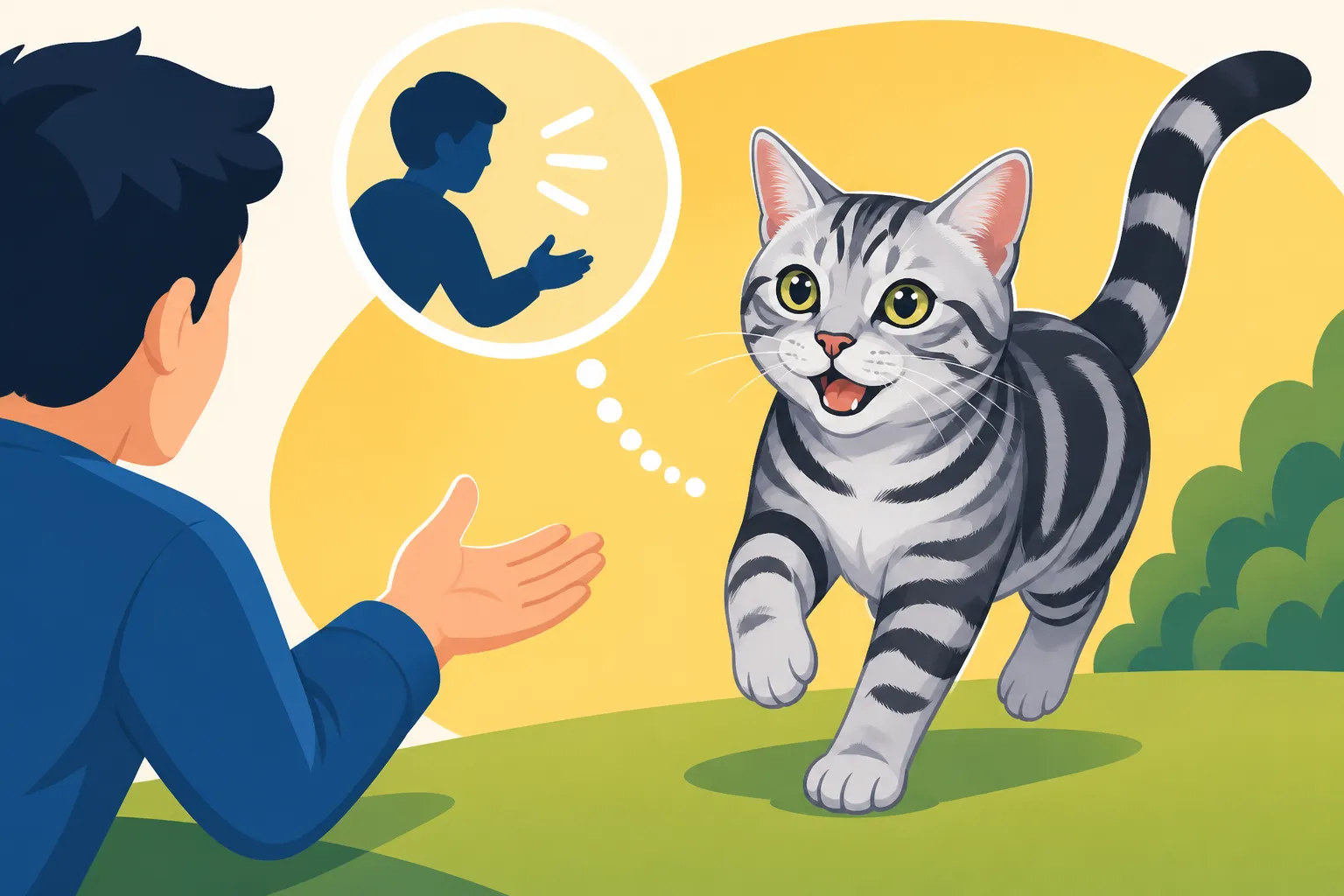
It can be incredibly frustrating when you call your beloved feline companion, expecting a swift response, only to be met with a blank stare, a slow blink, or the casual flick of a tail as they saunter off in the opposite direction. Many cat owners resign themselves to the idea that cats simply don't "come when called" like dogs do, especially independent breeds like the American Shorthair. But I'm here to tell you that with the right understanding of their instincts and a dash of patience, you absolutely can teach your American Shorthair to reliably come to you. This guide will help you tap into their unique motivators and build a strong, responsive bond.
Understanding the American Shorthair's Mindset: Why "Come" Isn't Innate
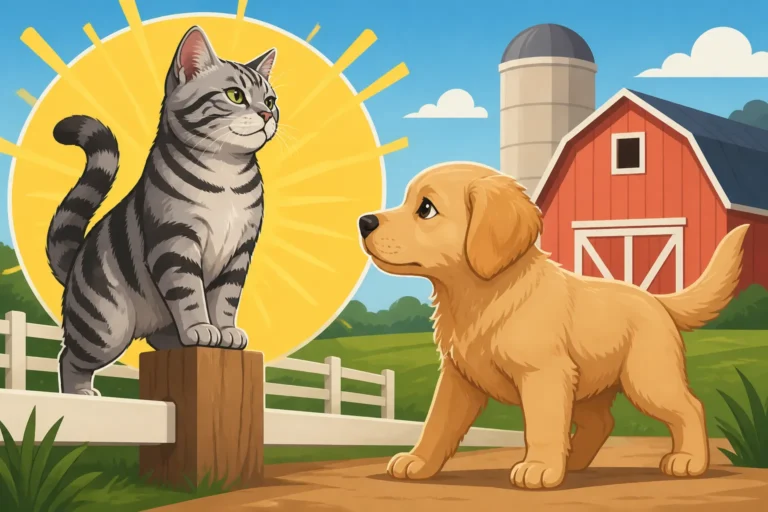
Let's be real: American Shorthairs, much like their ancestors who earned their keep on farms and ships, are inherently independent creatures. They weren't bred to be "people pleasers" in the same way some dog breeds were. Their historical role was to hunt and patrol, largely self-sufficiently. This deep-seated independence means that responding to a verbal cue isn't part of their natural programming; it's something you have to introduce and make worth their while.
The Legacy of Self-Reliance
Think about it: for centuries, the ancestors of our modern American Shorthairs were valued for their ability to control rodent populations without much human intervention. They didn't need to check in with a human for every meal or every decision. They were masters of their own territory, moving with purpose and making their own choices. This legacy of self-reliance is a huge part of the American Shorthair's charm and why they fit into busy households so well – they simply don't demand constant attention. However, it also means that when you call them, their first thought isn't always "Oh, my human needs me!" It's more likely to be "What's in it for me?" or "Is this more interesting than what I'm doing?" Understanding this fundamental aspect of their character, as explored in Why an American Shorthair Was Never Bred to Need You, is the first step in successful training.
Why Verbal Cues are Different for Cats
Unlike dogs, who often find intrinsic reward in pleasing their owners, cats operate on a different motivational scale. A verbal command, on its own, holds little meaning or value to an American Shorthair. They're not looking for your approval in the same way. Instead, they're assessing the situation: is there a tangible benefit to interrupting their nap, their bird-watching session, or their meticulous grooming ritual? Their communication style is also subtle; they tend to ask without nagging, as you might notice if you read How an American Shorthair Asks Without Nagging. For a recall cue to work, it needs to be consistently paired with something highly desirable, something that speaks directly to their inner cat.
Tapping Into Their Hunter's Instinct: Motivation is Key
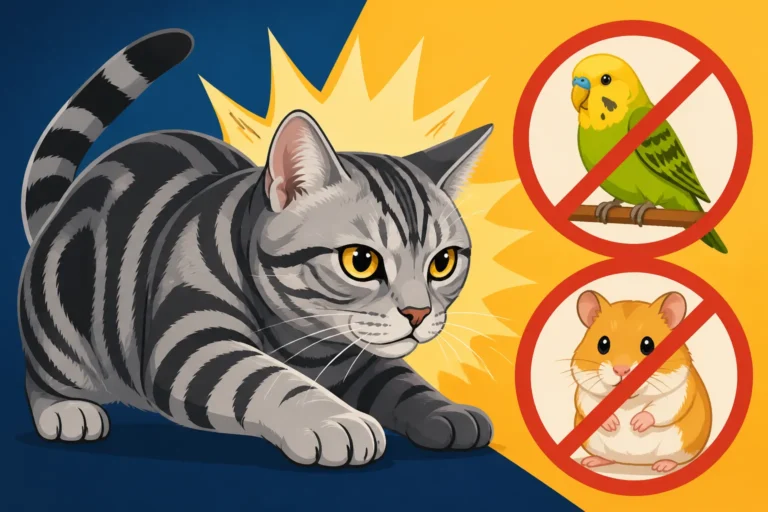
To teach an American Shorthair to come when called, you need to understand what truly motivates them. And for a breed with such a strong historical connection to hunting, it almost always boils down to one thing: a reward that satisfies their prey drive or their stomach.
High-Value Rewards are Non-Negotiable
This isn't the time for a polite "good kitty" and a pat on the head. For an American Shorthair, a recall needs to be immediately and consistently followed by something they truly covet. We're talking about their absolute favorite, high-value treats – something they rarely get otherwise. This could be small pieces of cooked chicken, specific freeze-dried salmon treats, or even a tiny dab of tuna juice. The idea is to make the reward so enticing that the act of coming to you becomes more rewarding than whatever else they might be doing. Consider what Which Protein Level Keeps an American Shorthair Muscular hints at regarding their natural diet; high-protein, meat-based treats are often winners.
The Power of Play and Simulated Hunting
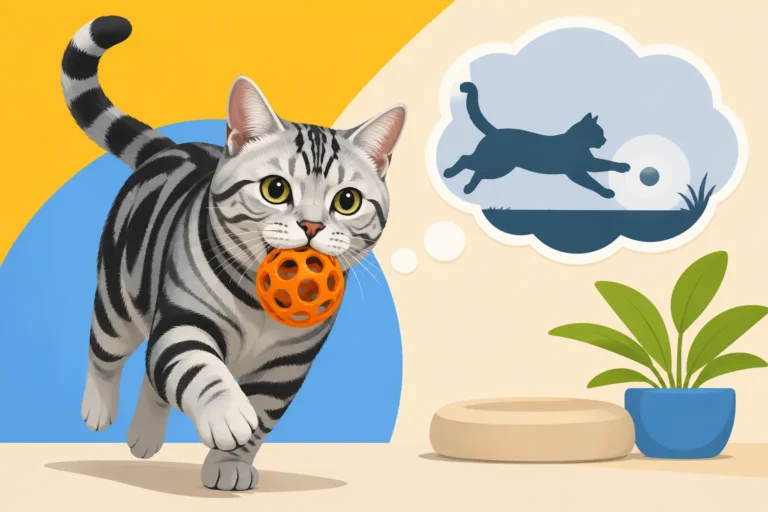
Beyond food, the American Shorthair's powerful prey drive can be an incredible motivator. These cats still carry centuries of ratting instinct, as detailed in Why Centuries of Ratting Left the American Shorthair Its Drive. Coming to you can signal the start of an exciting hunt simulation! A favorite wand toy, a feathered lure, or even a small, crinkly ball can be a fantastic reward. The key is that the "hunt" should be immediate and engaging, culminating in the "catch" of the toy, which is crucial for satisfying their instinct, unlike a frustrating laser pointer, as explored in Why a Laser Frustrates an American Shorthair That Needs the Catch. This means you need to be ready to play the moment they arrive.
Consistency and Association
The magic happens through consistent, positive association. Every single time you use your chosen recall word (like "come" or a specific whistle), it must be followed by that high-value reward. No exceptions. If you call them and then scold them, give them a bath, or simply offer a boring pet, you'll undo all your hard work. They learn by association, and if "come" sometimes means good things and sometimes means bad or neutral things, they'll quickly decide it's not worth the effort.
Step-by-Step Training for a Reliable Recall
Training an American Shorthair to come when called is a process that requires patience, consistency, and a deep understanding of their unique personality. It's about making it their idea, driven by their desires.
Step 1: Choose Your Cue and Your Reward
First, pick a short, clear, and distinct word or sound as your recall cue. "Come," "Here kitty," or a specific whistle work well. Whatever you choose, stick with it. Next, identify your cat's ultimate high-value reward. This should be something they absolutely adore and don't get often. As mentioned, small pieces of cooked meat, freeze-dried treats, or even their favorite interactive toy can be excellent choices. Make sure you have a good supply on hand; you can find many options on Amazon, from freeze-dried salmon to chicken jerky, perfect for training sessions.
Step 2: Start Small and Close
Begin your training in a quiet, distraction-free environment, like a small room in your home. Your cat should be relatively close to you – just a few feet away. When they are relaxed and attentive, say your cue word clearly and immediately present the high-value treat or begin a very brief, intense play session with their favorite toy, allowing them to "catch" it quickly. Repeat this a few times, making sure to keep it positive and short. The goal is to create a strong positive association between the cue and the reward.
Step 3: Gradually Increase Distance and Distraction
Once your American Shorthair reliably responds when you're a few feet away, gradually increase the distance. Move to across the room, then into another room, eventually trying it when they are napping or engaged in a low-level activity. Introduce minor distractions slowly. For instance, try calling them when another family member is quietly in the room. Always remember to make the reward immediate and exciting. If they don't respond, don't repeat the cue endlessly. Go to them, entice them gently, and try again later, reducing the distance or distraction.
Step 4: Incorporate "Hunting" for Food
To deepen their motivation and satisfy their natural instincts, make them "work" for some of their regular meals. Instead of just putting their food bowl down, hide small portions around the house, creating a scavenger hunt. When you call them and they come, guide them to one of these hidden food spots. This fulfills their need to patrol and hunt, as discussed in The American Shorthair Still Hunts, Whether You Want It To or Not, and reinforces that coming to you leads to good things. Puzzle feeders, readily available on Amazon, are also excellent for this and can satisfy their drive, as explored in Whether a Puzzle Feeder Satisfies an American Shorthair.
Step 5: Practice Regularly, Keep it Positive, and Be Unpredictable
Short, frequent training sessions (2-5 minutes, several times a day) are far more effective than one long, tedious session. Always end on a positive note. Once they're reliably coming when called, don't stop practicing! Integrate it into your daily routine. Call them for meals, for play, or just for a quick treat and cuddle. Make it unpredictable, so they never know what amazing thing "come" might lead to next. This keeps them engaged and eager to respond.
Here's a quick overview of the recall training stages:
| Stage | Environment | Distance | Focus | Reward Type |
|---|---|---|---|---|
| Foundation | Quiet, no distractions | 2-5 feet | Establishing positive association | High-value treat / quick play |
| Expansion | Quiet, minimal noise | Across room, line of sight | Increasing distance and duration | High-value treat / short play |
| Application | Moderate distractions | Out of sight, different rooms | Generalizing the cue | High-value treat / play |
| Maintenance | Varied environments | Any distance within home | Consistent reinforcement, unpredictability | Varied rewards (food, play, petting) |
Troubleshooting: When Your American Shorthair Plays Hard to Get
Even with the best intentions, your American Shorthair might sometimes decide they'd rather not participate. Don't take it personally! It's usually a sign that something in your approach needs adjustment.
They're Too Distracted
If your cat is deeply engaged in something (like watching a squirrel out the window, chasing a dust bunny, or mid-nap), their internal priority list might not put "respond to human" at the top. This is normal. Instead of getting frustrated, try to make your cue irresistible. Use an even higher-value treat, or a more exciting toy. Sometimes, simply moving closer and reducing the initial demand can help them re-engage. Remember, their hunting drive is strong; sometimes, they're just too busy with their "work," which can require How Many Hunts a Day an Indoor American Shorthair Needs to feel satisfied.
The Reward Isn't "High-Value Enough"
Are you giving them their everyday kibble? Or a treat they get all the time? If so, it might not be motivating enough to pull them away from whatever captivating thing they're doing. Re-evaluate your reward system. Save that truly special treat or favorite wand toy only for recall practice. If you need new ideas for high-value treats or engaging toys that truly simulate a hunt, browse Amazon for options like feather wands or crunchy meat snacks.
Inconsistent Reinforcement
This is a big one. Did you call them yesterday to put them in the carrier for a vet visit, and today you're trying to train? They're smart! They'll quickly learn that "come" can sometimes lead to undesirable outcomes. Your recall cue should only be associated with positive experiences. If you need to do something they dislike (like giving medication or going to the vet), simply go get them without using the recall cue. Preserve the positive association for training purposes.
You're Asking for Too Much, Too Soon
Are you trying to call them from across the entire house when they've only mastered coming from a few feet away? Or calling them when they're interacting with a new, exciting visitor? Pace yourself. Go back a step or two in your training. Master each stage before moving on. The goal is success, not speed. Building that reliable response takes time and many, many positive repetitions. The more positive experiences they have with your recall cue, the more ingrained and reliable their response will become.
Remember, the relationship with an American Shorthair is built on respect for their independent spirit and leveraging their natural inclinations. By making "coming when called" a rewarding and engaging experience, you're not just training them; you're strengthening your bond and enhancing their quality of life.
Disclaimer
This article is for general informational purposes only and does not constitute professional advice. Laws, prices and regulations vary by location and change over time. Consult a qualified professional for guidance on your specific situation.