How an American Shorthair Greets a Visitor
It’s a common scenario: the doorbell rings, and your heart flutters a little, not because of who's at the door, but because you're wondering how your beloved American Shorthair will react to a new face in their domain. Many cat parents find themselves in this predicament, navigating the delicate dance between their pet's independent nature and a guest's presence. This guide will delve into the typical ways an American Shorthair greets visitors, offering insights into their behavior and practical tips for ensuring everyone, including your feline friend, feels comfortable and respected.
The American Shorthair's Innate Observe-and-Assess Nature
The American Shorthair isn't typically a "leap into your lap" kind of cat, especially not with strangers. Their lineage, stemming from robust working cats, has instilled in them a self-reliant and observant nature. When a new person enters their territory, their first instinct isn't usually immediate friendliness, but rather a calm, calculated assessment. They are the ultimate strategists, surveying the scene from a safe distance before deciding on their next move. This isn't rudeness; it's a testament to their sensible, no-nonsense approach to life.
The Art of the Survey
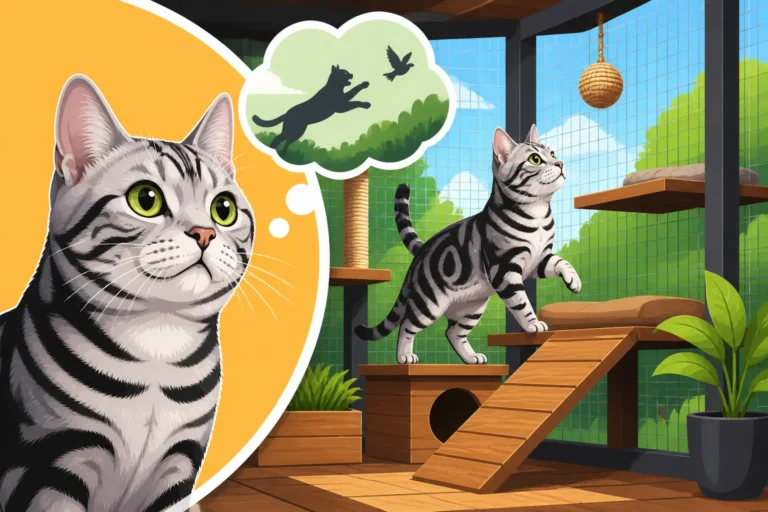
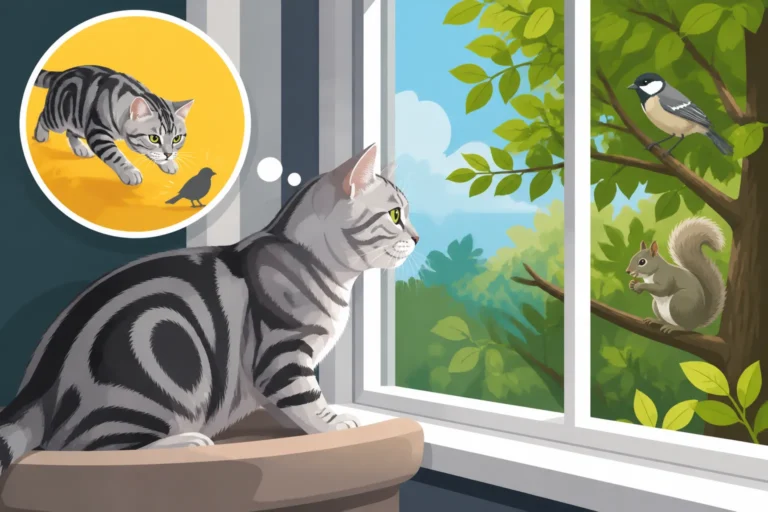
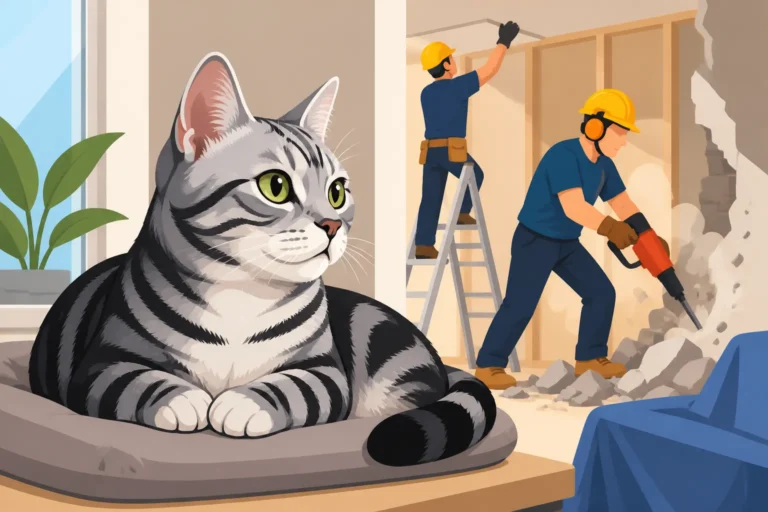
Think of your American Shorthair as a silent sentry. When a visitor arrives, they're likely to find a vantage point – perhaps atop a How High an American Shorthair Needs to Get, peeking from under a sofa, or even just melting into the shadows of another room. From here, they engage in what I like to call "the art of the survey." They're not hiding out of fear, necessarily, but rather gathering data. They're observing body language, listening to vocal tones, and picking up on scents. This initial information-gathering phase is crucial for them to determine if the newcomer is a potential threat, an interesting new element, or simply someone to be ignored. This patient, watchful behavior is often why owners say their American Shorthair watches guests instead of hiding outright, as some more timid breeds might. They're present, just not participating right away.
During this silent survey, they're weighing a few key factors: Is the visitor loud or quiet? Do they make sudden movements? Do they seem to understand cat etiquette (i.e., not immediately rushing to pet them)? Their response will be directly influenced by these observations. A calm, respectful guest who ignores them initially is often perceived as less of a threat, allowing the American Shorthair to eventually relax and perhaps even approach on their own terms. It’s a wonderful example of their self-sufficient nature; they don't need you to mediate their introductions, they prefer to handle it themselves.
From Caution to Curiosity
After their initial assessment, if the visitor passes the American Shorthair's unspoken inspection, a shift might occur from caution to curiosity. This can manifest in subtle ways that might be missed by an inexperienced cat observer. You might notice a tail twitch, ears rotating slightly towards the conversation, or a slow blink from their observation post. These are all signs that their interest is piquing, and they're considering a closer investigation. It's a hallmark of their Why an American Shorthair Was Never Bred to Need You temperament; they are not easily swayed by overtures but will respond to genuine, quiet curiosity.
This curiosity is rooted in their intelligent, problem-solving minds. They might eventually emerge from their hiding spot, perhaps creeping along the wall or pausing behind a piece of furniture, inching closer. They're trying to figure out this new puzzle piece in their environment. This slow approach is their way of managing change and determining its impact on their carefully curated territory. Providing safe, high spaces for them to observe from, like a sturdy cat tree you might find on Amazon, can greatly aid this transition from cautious observation to curious engagement.
Typical Greeting Behaviors: What to Expect
Once an American Shorthair decides to engage with a visitor, their greeting behaviors are usually understated and dignified. They aren't prone to boisterous displays or overwhelming affection, especially with new people. Instead, their interactions are often a reflection of their calm, steady disposition, offering a unique blend of quiet recognition and subtle requests for connection.
The Ground-Level Approach
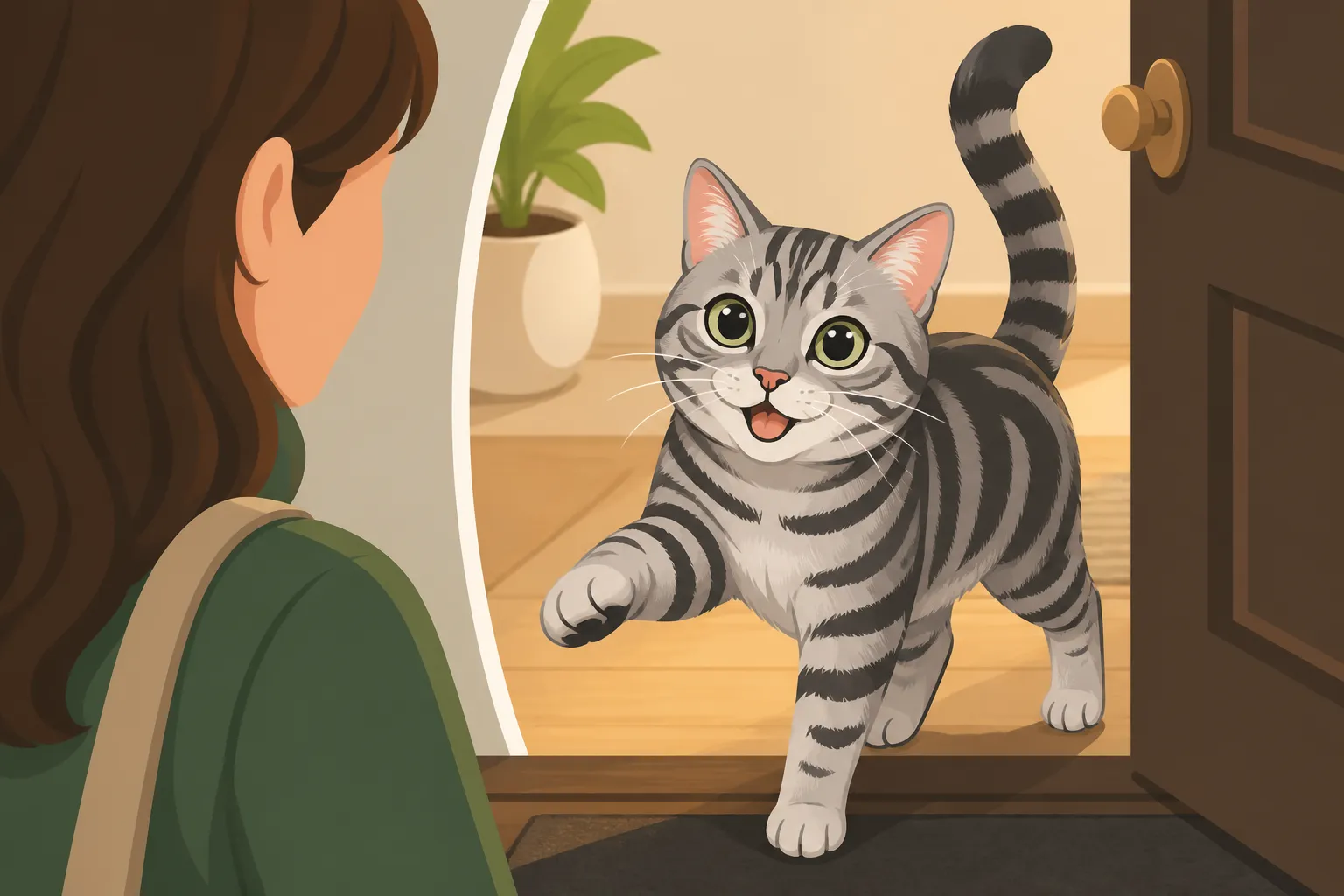
When an American Shorthair decides it's time to truly acknowledge a new guest, they often do so with a ground-level approach. This means they might weave around ankles, rub against furniture near the guest, or perform a slow, deliberate tail flick. It's not the frantic meow of some more vocal breeds; rather, it's a quiet declaration of presence and, sometimes, a cautious invitation for interaction. If the visitor is sitting, the American Shorthair might approach to sniff their shoes, the bottom of their pant leg, or even simply sit a comfortable distance away, perhaps making eye contact before looking away. This initial sniff and assessment helps them consolidate the information they gathered during their earlier survey.
It's important for guests to understand that this isn't an immediate invitation for head scratches or forceful petting. An American Shorthair often prefers to receive attention on their terms. A gentle hand extended, allowing them to initiate contact, is usually the best approach. If they rub against a leg, it's a form of scent marking, a way of integrating the new person into their familiar world, rather than an instant demand for physical affection. They're masters of silent communication, and learning to interpret their How an American Shorthair Asks Without Nagging is key to a positive interaction. They might even decide to sit near you, but not on you, a characteristic behavior for a breed that values its independence. Why a Working Bred American Shorthair Sits Beside You Rather Than On You offers more insight into this nuanced behavior.
The Scent Exchange and Rub
One of the most profound ways an American Shorthair "greets" a visitor is through scent exchange and rubbing. Cats communicate extensively through scent, and for an American Shorthair, this is a vital part of acknowledging and integrating a new person. They might rub their cheeks or flanks against a visitor's leg, hand, or even a bag left on the floor. This isn't just seeking affection; it's depositing their unique scent, effectively saying, "You're in my space, and now you carry a bit of me." This is a comforting act for them, as it helps to normalize the new presence within their territory.
This rubbing can sometimes be accompanied by a soft head-butt or a gentle tail wrap around an ankle. These are subtle yet clear signals of acceptance and an invitation for further, gentle interaction. A savvy guest will respond with a calm demeanor, perhaps offering a slow blink or a quiet verbal greeting, letting the cat continue to dictate the pace. Rushing in with exuberant petting can quickly overwhelm an American Shorthair, sending them back to their observation post. They prefer interactions that are low-key and respectful of their personal space, much like their general approach to How an American Shorthair Copes With Change in their environment.
Here’s a quick overview of typical American Shorthair greeting phases:
| Phase | Behavior | Interpretation | Guest Response |
|---|---|---|---|
| Initial Arrival | Retreats to vantage point, observes from distance | Assessing safety, gathering information | Ignore cat, allow observation, keep calm. |
| Cautious Approach | Slow movement, low to ground, sniffing air | Curiosity growing, weighing interaction | Remain still, avoid sudden movements, offer a slow blink. |
| Acknowledgement | Ankle rubbing, tail flick, sitting nearby | Scent marking, gentle invitation for connection, presence noted | Extend a calm hand, allow cat to approach, soft verbal greeting. |
| Engagement | Head-bumping, gentle purr, leaning into touch | Accepting interaction, building trust | Gentle, slow petting (avoid stomach), maintain calm voice. |
| Disengagement | Walks away, settles elsewhere | Interaction complete, needs space | Respect boundaries, let cat choose when to re-engage. |
Helping Your American Shorthair Be a Gracious Host
While American Shorthairs are generally adaptable and self-sufficient, a little preparation can go a long way in making them feel secure and ensuring positive interactions with visitors. You want your cat to feel like a confident, rather than stressed, presence during social gatherings.
Creating a Safe Haven
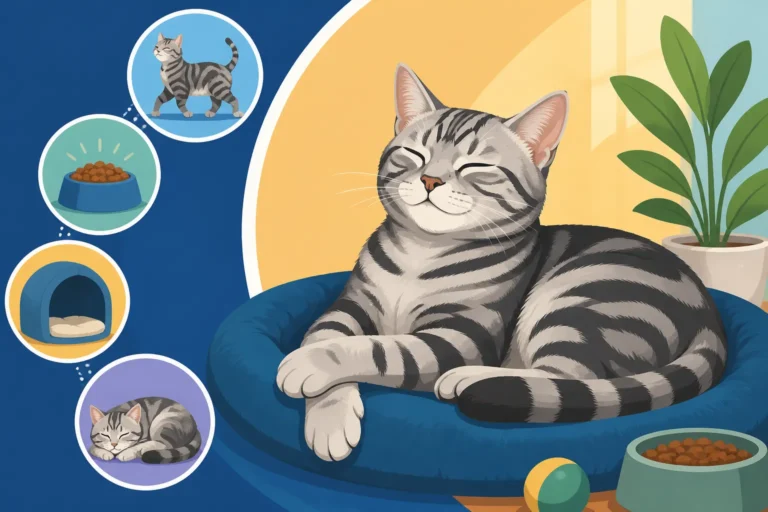
The most important thing you can do for your American Shorthair when expecting guests is to provide them with a designated safe haven. Even if they choose to observe from afar, knowing they can retreat to a quiet, undisturbed space is incredibly comforting. This might be a spare bedroom, a high perch away from foot traffic, or even just their favorite covered bed tucked into a closet. Ensure this space has fresh water, a clean litter box, and perhaps a favorite Which Toys Finish an American Shorthair's Hunt or a puzzle feeder filled with treats to help distract and comfort them. Some cats find solace in a calming pheromone diffuser, readily available on Amazon, which can help create a more serene atmosphere. This gives them agency and control, which is vital for a breed that thrives on self-reliance. For more on ensuring their comfort, consider reading How an American Shorthair Copes With Change.
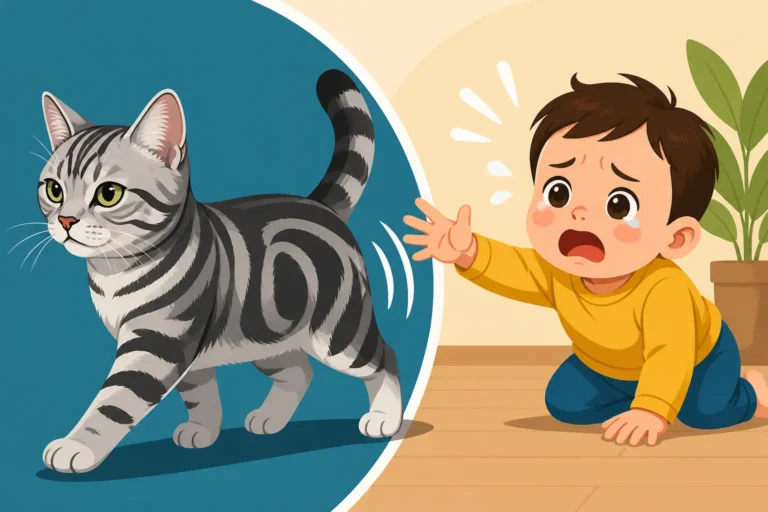
Before guests arrive, gently guide your cat to this space if you anticipate a busy household or particularly boisterous visitors. Don't force them, but make the space inviting. This also applies to managing children or other pets. Remind guests, especially children, about proper cat etiquette: no chasing, no loud noises, and respecting the cat's space. This proactive approach helps your American Shorthair feel secure in their own home, allowing them to approach visitors on their own terms, rather than feeling trapped or overwhelmed.
Guiding Guest Interactions
Educating your visitors on how to properly interact with your American Shorthair is paramount. Explain that while your cat is friendly, they are also independent and prefer to initiate contact. Advise guests to allow the cat to approach them, rather than reaching out immediately. Suggest a slow, gentle hand extension (fingers bent, not straight) and allowing the cat to sniff before attempting to pet. If the cat rubs against them or head-butts, then a gentle scratch behind the ears or on the cheeks might be welcome. Remind them that an American Shorthair is generally quite stoic, and their signals might be subtle, so paying attention to their body language is key. Why a Stoic American Shorthair Is Easy on the Exam Table delves into their inherent calm nature, which also translates to guest interactions.
Discourage guests from picking up the cat unless they are specifically invited by the cat's behavior, which is rare for this breed with strangers. An American Shorthair typically tolerates being held but doesn't necessarily seek it out, especially from newcomers. Positive reinforcement, such as offering a small, high-value treat (many options on Amazon), can also help your cat associate visitors with positive experiences. You can even encourage guests to toss a treat gently near the cat, rather than trying to hand-feed, to build a positive association from a respectful distance. This reinforces the idea that visitors bring good things, rather than just disruptions.
When Greetings Go Sideways: Addressing Problematic Reactions
Even with the most thoughtful preparation, sometimes an American Shorthair's greeting can take an unexpected turn. While generally placid, stress or previous negative experiences can cause them to react in ways that aren't ideal. Understanding these reactions and how to address them is crucial for maintaining a harmonious household.
Signs of Discomfort or Stress
It's important to recognize the subtle signs that your American Shorthair is not enjoying the company of your guests. These can range from mild discomfort to significant stress. Look for behaviors like flattened ears, a tucked tail, dilated pupils, hissing, growling, or an increased frequency of lip licking or yawning (which can be stress signals in cats). They might try to make themselves as small as possible, or their body language might appear stiff and rigid. Excessive grooming, sudden urination outside the litter box, or hiding for prolonged periods are also strong indicators of stress. If your normally calm cat is exhibiting any of these signs, it's a clear signal that they are overwhelmed and need space. Why a Withdrawn American Shorthair Should See a Vet is a good read if your cat's withdrawn behavior persists or seems unusual.
Sometimes, an American Shorthair might vocalize, though this breed is generally quiet. A low growl or a sharp meow directed at a guest means they've reached their limit. It's a rare occurrence for this placid breed, but it's an undeniable signal. Understanding What an American Shorthair's Voice Sounds Like can help you differentiate between their usual quiet murmurs and a stressed vocalization. Their stoic nature means they often hide discomfort until it becomes unbearable, so it’s essential to be vigilant.
Gentle Intervention and Reassurance
If you observe signs of discomfort or stress, the first step is always gentle intervention to remove the cat from the stressful situation. Never punish or scold your American Shorthair for reacting negatively; their behavior is a response to fear or anxiety, not defiance. Calmly create a pathway for them to retreat to their safe room, or gently usher the guest away from the cat's immediate vicinity. Inform your guests that your cat needs some space and privacy. Reassure your cat with soft words and a calm presence, but don't force interaction if they prefer to be left alone.
For persistent issues, especially if your cat becomes truly distressed by visitors, you might need to implement stricter boundaries. This could mean confining your American Shorthair to their safe room for the entire duration of a visit, or using physical barriers like baby gates to give them a visual break from the activity. Gradual desensitization, where visitors are introduced for very short periods under controlled conditions, can also be helpful over time. Always associate positive experiences with guests, like a favorite treat or a new interactive toy, to help reshape their emotional response. Remember, your goal is to make your American Shorthair feel secure and loved, even when the world outside their immediate circle comes calling.
Disclaimer
This article is for general informational purposes only and does not constitute professional advice. Laws, prices and regulations vary by location and change over time. Consult a qualified professional for guidance on your specific situation.