How an American Shorthair Adapts to a New Work Routine
Changing your work routine, whether it's shifting from an office to working from home, or vice versa, can feel like a massive upheaval for everyone in the household – and that absolutely includes your American Shorthair. Many cat parents worry sick about how their typically placid, independent feline friend will cope with the altered schedule, reduced interaction, or even increased presence, and this guide is here to walk you through making that transition as smooth and stress-free as possible for your beloved companion.
Understanding Your American Shorthair's Need for Predictability
It's easy to think of cats as aloof and unbothered by human schedules, but our American Shorthairs, despite their famously independent nature, thrive on a subtle, underlying predictability. They might not show it with dramatic sighs or worried glances, but a sudden shift in your daily comings and goings, meal times, or even the amount of ambient noise can genuinely throw them off balance.
Why Routine Matters, Even for Independent Cats
Even though the American Shorthair isn't typically a "velcro cat" demanding constant attention, they do establish a rhythm around your presence or absence. If you've always left for work at 8 AM and returned at 5 PM, your cat has built their entire day around those anchors. They know when to nap undisturbed, when to expect a meal, when the quiet time is perfect for a vigorous self-grooming session, and when you'll be home to offer a head scratch or a brief play session. This unspoken schedule provides security. How Undemanding an American Shorthair Really Is is something many owners appreciate, but it doesn't mean they don't notice when their world shifts. A sudden change disrupts this rhythm, potentially leading to mild anxiety, changes in appetite, or even subtle behavioral shifts that might be easy to miss if you're not looking closely. They might start meowing a bit more when you leave, or seem a little more withdrawn.
Signs of Stress in an American Shorthair
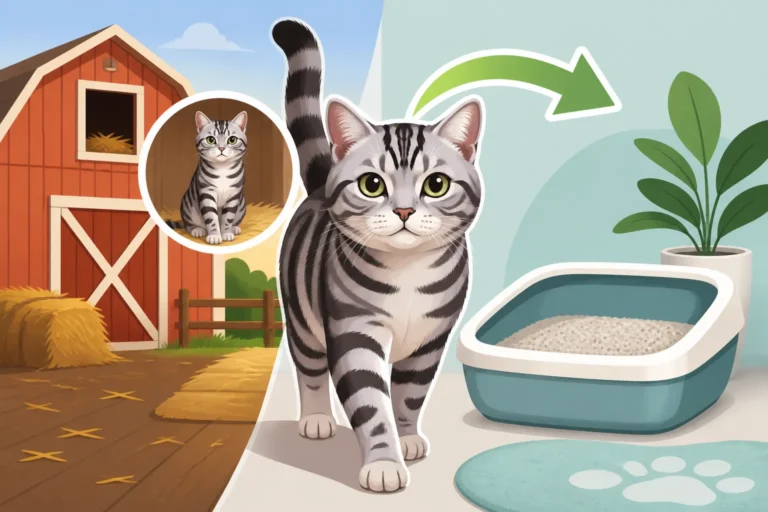
American Shorthairs are generally pretty stoic, a trait that comes from their working cat heritage. This means they often hide signs of stress until they become quite pronounced. You might not see a dramatic panic attack, but rather more subtle indicators. Look out for changes in appetite, either eating less or suddenly eating much more. They might over-groom, leading to bald patches, or under-groom, resulting in a duller coat. Changes in litter box habits—like accidents outside the box—are a big red flag that something isn't right. Increased vocalization, hiding more than usual, or becoming unusually clingy or avoidant are also signs. A key indicator is a change in their established patterns of rest and activity. If your typically playful cat is suddenly lethargic, or your usually calm cat is pacing more, it’s worth paying attention.
Preparing Your American Shorthair for the Change
The best way to help your American Shorthair adapt is to introduce changes gradually whenever possible. Think of it like acclimating them to a new food or a new piece of furniture; slow and steady wins the race.
Gradual Adjustment Strategies
If you know your work routine is going to change, start making small, incremental adjustments a week or two beforehand. For example, if you're going from working from home to going back into the office, start leaving the house for short periods (15-30 minutes) at the new time you'll be leaving. Gradually increase these periods. This helps your cat get used to your absence during the new hours. Conversely, if you're transitioning to working from home, try to mimic elements of your old routine by still having a "departure" and "arrival" time initially, even if you're just moving to another room. This creates a psychological boundary for both of you and helps your cat understand that while you're home, you're not always available. This helps them understand How Long an American Shorthair Copes Alone in the Day and adjust their expectations.
Setting Up a Secure and Stimulating Environment
Regardless of whether you're suddenly gone more or suddenly home more, your American Shorthair needs a consistent, safe, and enriching environment.
Dedicated Quiet Space
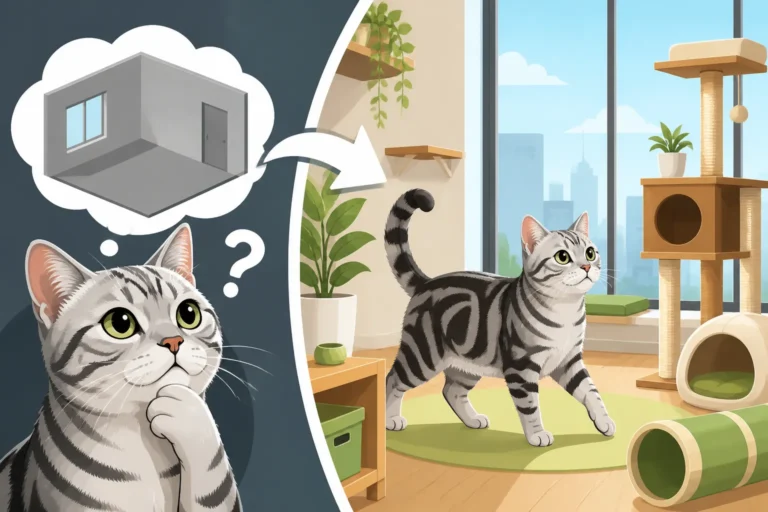
Every American Shorthair needs a sanctuary – a place where they can retreat and feel completely secure. This is especially crucial during a routine change. It could be a cozy bed under a table, a high perch on a cat tree, or even a carrier with a soft blanket inside. This spot should be out of the main thoroughfare of the house and give them a sense of control over their environment. When you're transitioning to working from home, this space becomes even more vital, as it allows them to escape the increased human presence if they feel overwhelmed. If you're heading back to the office, knowing they have a safe spot to chill undisturbed can reduce their anxiety.
Enrichment for Alone Time
This is where proactive planning really pays off. If you'll be gone more, you need to ensure your American Shorthair has plenty of mental and physical stimulation to prevent boredom and potential destructive behaviors. Puzzle feeders are fantastic for this. Instead of simply putting their meal in a bowl, make them "work" for it by using a feeder that dispenses kibble when manipulated. This mimics their natural hunting instincts and makes mealtime a much longer, more engaging activity. Whether a Puzzle Feeder Satisfies an American Shorthair is a question many ask, and the answer is usually a resounding yes, as long as it's appropriately challenging. You can find a wide variety of these on Amazon, from simple treat balls to more complex labyrinth designs.
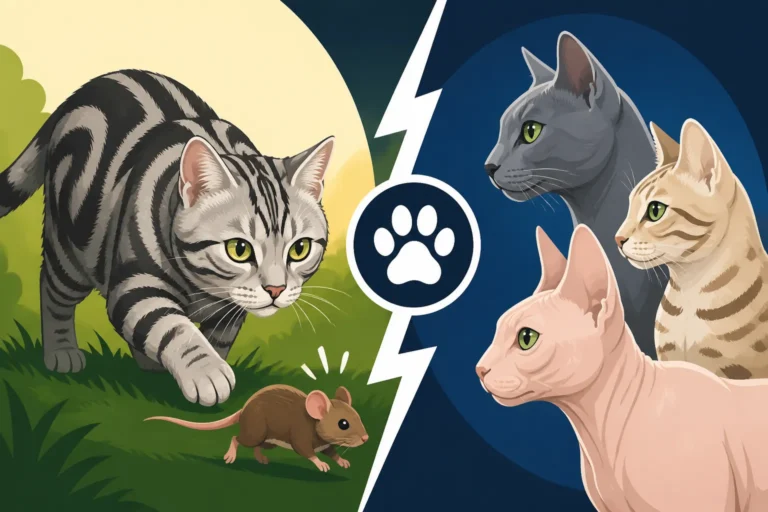
Interactive toys that don't require your presence are also key. Think automatic laser pointers (used sparingly to avoid frustration), self-rolling balls, or toys that dispense treats at random intervals. Providing vertical space with cat trees or shelves allows them to survey their territory, which is an important aspect of their inherent need for patrol. What an Indoor American Shorthair Does With a Mouser's Instinct often involves exploring their environment, so having spaces to climb and observe is crucial.
Implementing the New Routine and Ongoing Enrichment
Once the new routine is in full swing, consistency is your new best friend. Your American Shorthair will adapt much faster if they can predict what's coming next, even if what's coming next is different from before.
Maintaining Consistent Schedules (Even While Away)
Try to keep feeding times and playtime sessions as consistent as possible with your new routine. If you now leave at 7 AM, feed them before you go. If you used to feed them mid-day but won't be there, use an automatic feeder to dispense a portion at that time. This small consistency can provide a lot of comfort. Feeding an American Shorthair That No Longer Hunts Its Food effectively means taking over their natural rhythm, so making it predictable is paramount.
When you arrive home, resist the urge to immediately overwhelm them with attention if they've been alone all day. Give them a moment to greet you, then initiate a focused play session. This helps them associate your return with positive, engaging activity. How an American Shorthair Greets You After Work might be subtle, but a good play session solidifies that bond and helps burn off any pent-up energy.
Maximizing Interaction During Available Times
If your new routine means less time at home, make the time you do have count. Short, intense play sessions are far better than sporadic, half-hearted interactions. Use wand toys that simulate prey, allowing them to stalk, chase, and "kill" the toy. This fulfills their natural hunting sequence. Play That Finishes the Hunting Sequence for an American Shorthair is incredibly satisfying for them and a fantastic way to bond. Aim for two or three 10-15 minute sessions a day if possible.
If you're now working from home, establish clear boundaries. It's tempting to constantly interact with your cat, but they still need their own space and downtime. Set specific times for play and cuddles, and during your working hours, encourage them to entertain themselves with their toys or nap in their designated quiet spot. You can also incorporate short breaks for a quick head scratch or treat, but try not to let them dictate your entire workday.
Utilizing Technology and Tools
Technology can be a great ally in managing routine changes.
Automated Feeders
As mentioned, automated feeders are invaluable for keeping meal times consistent, especially if your schedule becomes unpredictable or you're away for longer stretches. They ensure your cat gets food at the same time every day, preventing unnecessary hunger and behavioral issues. Some advanced feeders even allow you to record a voice message, adding a familiar sound to their mealtime.
Interactive Cameras and Toys
If you're often away, consider a pet camera that allows you to check in on your American Shorthair. Some even have two-way audio, so you can speak to them, or a treat dispenser, allowing for remote interaction. This can offer peace of mind for you and a little surprise for your cat. Paired with a few choice interactive toys, like a spinning feather toy you might find on Amazon, your cat can stay entertained even without your physical presence.
Monitoring and Adjusting to Your Cat's Response
Every American Shorthair is an individual, and their response to a new routine will vary. The key is to be observant and flexible.
Recognizing Ongoing Stress or Adaptation
Give your American Shorthair time to adjust – it rarely happens overnight. Most cats will show some initial signs of disruption, but these should lessen as they settle into the new rhythm. If, after a few weeks, you're still seeing significant stress indicators like persistent changes in eating habits, litter box issues, excessive grooming, or unusually withdrawn behavior, it's time to re-evaluate your approach.
Here's a quick checklist to help you monitor:
| Behavior Aspect | Signs of Stress/Difficulty Adapting | Signs of Adaptation/Coping Well |
|---|---|---|
| Appetite | Eating significantly more or less, sudden pickiness. | Eating consistently, enjoying meals. |
| Litter Box | Accidents outside the box, changes in frequency or consistency. | Regular, appropriate litter box use. |
| Grooming | Over-grooming (bald spots), under-grooming (dull coat). | Normal, healthy grooming habits. |
| Vocalization | Increased meowing/crying, unusual sounds when alone. | Normal vocalization patterns. |
| Activity Level | Lethargy, excessive pacing/restlessness, destructive behavior. | Active play, comfortable napping, exploring. |
| Social Interaction | Hiding more, unusually clingy or avoidant, aggression. | Approaching for attention, comfortable being alone. |
| Sleep Patterns | Difficulty sleeping, sleeping at unusual times. | Consistent, undisturbed sleep. |
Seeking Professional Guidance
If you've tried various strategies and your American Shorthair is still struggling to adapt, don't hesitate to reach out to your veterinarian. They can rule out any underlying medical conditions that might be contributing to the behavioral changes. They might also be able to refer you to a certified feline behaviorist who can offer tailored advice and help you implement a more specific behavior modification plan. Sometimes, a fresh pair of expert eyes can spot something you've missed. Remember, a vet visit is always warranted if you see sudden or severe changes in their health or behavior.
Ultimately, your American Shorthair's adaptability is one of their most charming traits, rooted in their long history as self-sufficient working cats. With patience, understanding, and consistent effort on your part, they will almost certainly adjust to your new work routine and continue to be the wonderful, easygoing companion you know and love. While they are famously independent, understanding Why a Self Reliant American Shorthair Rarely Panics Alone means you can set them up for success.
Disclaimer
This article is for general informational purposes only and does not constitute professional advice. Laws, prices and regulations vary by location and change over time. Consult a qualified professional for guidance on your specific situation.