What an American Shorthair Does Instead of Demanding
It’s a common misconception that all cats are perpetually demanding, loudly vocalizing their every desire, from an empty food bowl to an ignored petting request. But if you share your home with an American Shorthair, you know they often operate on a completely different wavelength. These wonderful, self-possessed felines have a unique way of communicating their needs and affections without resorting to incessant meows or aggressive nudges. This guide will explore the subtle language of the American Shorthair, helping you understand their quiet requests and appreciate their endearing independence.
Decoding the Quiet Cues of an American Shorthair
When you're used to a cat that performs elaborate acrobatics for attention or screams for its dinner, the American Shorthair can seem almost aloof. But trust me, they're communicating! Their methods are just far more understated, a holdover from their heritage as independent working cats who had to be observant and self-reliant. Instead of demanding, they inform, suggest, and subtly influence. It’s a language of quiet gestures and watchful eyes, and once you learn to read it, you'll see just how much they're telling you.
The Power of the Stare and the Gentle Brush
An American Shorthair rarely feels the need to make a grand performance. Instead, they’ll often use direct eye contact, sometimes even a slow blink, to convey a message. If your American Shorthair is sitting a few feet away, simply staring at you, it’s not always boredom; it’s often an invitation. They might be waiting for you to notice their empty water bowl, or perhaps they’re suggesting that it’s time for a quiet petting session on their terms. This isn't demanding; it's a polite, almost regal way of getting your attention, assuming you’re paying close enough attention to their subtle cues.
Beyond the silent gaze, they might also employ a very gentle, almost accidental-seeming brush against your leg as they walk by. It’s not the insistent figure-eighting of some other breeds, but a fleeting, soft contact that signals their presence and perhaps a desire for interaction without being overwhelming. They might even lead you subtly towards what they want, like walking to the kitchen and glancing back, indicating they'd appreciate some fresh kibble. How an American Shorthair Asks Without Nagging dives deeper into these subtle signals. These aren't urgent demands, but rather soft suggestions, almost as if they're saying, "If you're free, this would be nice."
A Measured Meow and the Soft Chirp
While they might not be as chatty as a Siamese, American Shorthairs do have a voice, and they use it sparingly but effectively. Their meows are often soft, trilling, or even a quiet chirp, rather than a loud, sustained vocalization. When you hear these quieter sounds, it's usually a clear indication that something specific is on their mind. It might be a contented little trill when you enter the room, a gentle greeting that says, "I acknowledge your presence and am pleased by it." It’s an affirmation, not a request for a song and dance.
Sometimes, their vocalizations might be a soft "mrrrp" as they jump onto your lap, signaling their intention to settle in for a nap or a quiet moment of companionship. This isn't them demanding your attention, but rather announcing their affectionate presence. If you hear a slightly more insistent, but still moderate, meow, it's worth investigating. It could mean "I'm hungry," "My litter box needs tending," or "I'd like to play." It’s direct, but never overbearing, maintaining their characteristic dignity.
Independent Entertainment and Self-Reliance
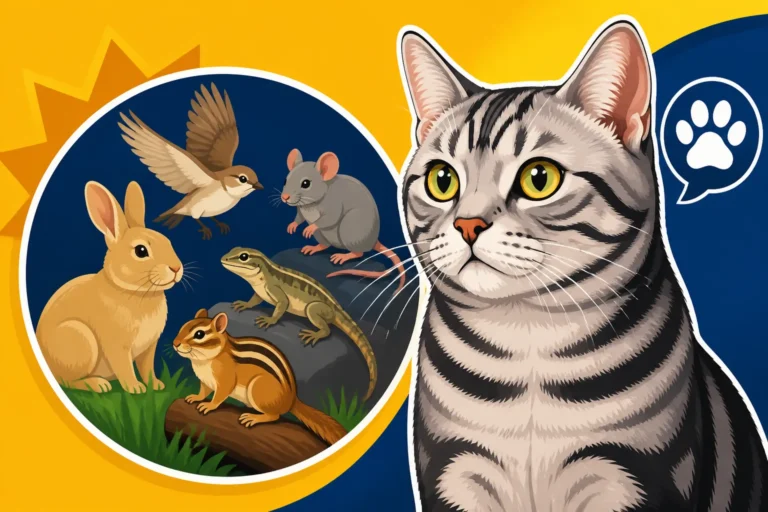
The American Shorthair's historical role as a working cat, keeping rodent populations in check on farms and ships, instilled in them a deep sense of independence. They were bred to be resourceful and to occupy themselves, rather than relying on human entertainment. This heritage means they are remarkably adept at finding their own fun and comfort, making them ideal companions for busy households where constant human interaction isn't always possible. They are truly masters of solo play and self-regulation.
Engaging with Environmental Enrichment
An American Shorthair finds immense satisfaction in exploring its territory and engaging with its surroundings, whether that's a sprawling house or a cozy apartment. They don't need you to be their constant playmate, as long as they have a stimulating environment. This means they'll patrol their domain, investigate new smells, and perch themselves in strategic locations to observe the world outside a window. For an American Shorthair, a sunny spot on a windowsill is prime real estate, and watching birds or squirrels can be hours of captivating entertainment. How an American Shorthair Splits Its Day Between Patrol and Sleep highlights their natural rhythm.
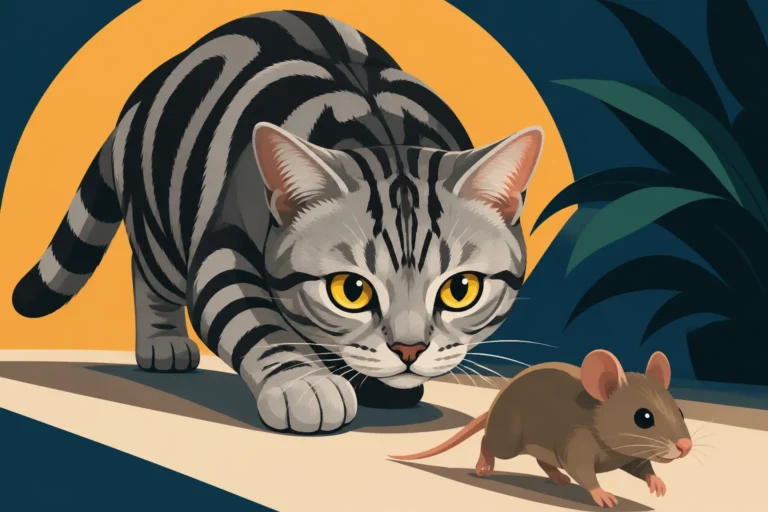
To truly satisfy their inherent hunting drive, even indoors, they’ll actively engage with toys designed to mimic prey. You might find them batting around a crinkle ball they discovered under the sofa, or meticulously stalking a feather wand that you left on the floor. Puzzle feeders, which you can easily find on Amazon, are fantastic for these cats, as they tap into their intelligence and natural foraging instincts, turning mealtime into a mental exercise. This isn't them demanding you play with them, but rather them making the most of the resources available to them.
Napping and Observing
Perhaps one of the most classic American Shorthair behaviors, when not actively hunting or patrolling, is simply napping and observing. These cats are champions of rest, capable of finding comfort in the most unexpected places, from a sunbeam on the rug to the top of a tall cat tree. Their sleep isn't just about physical restoration; it's a form of mental reset and a quiet way of passing the time. How Long an American Shorthair Copes Alone in the Day often comes down to their ability to settle into these periods of rest.
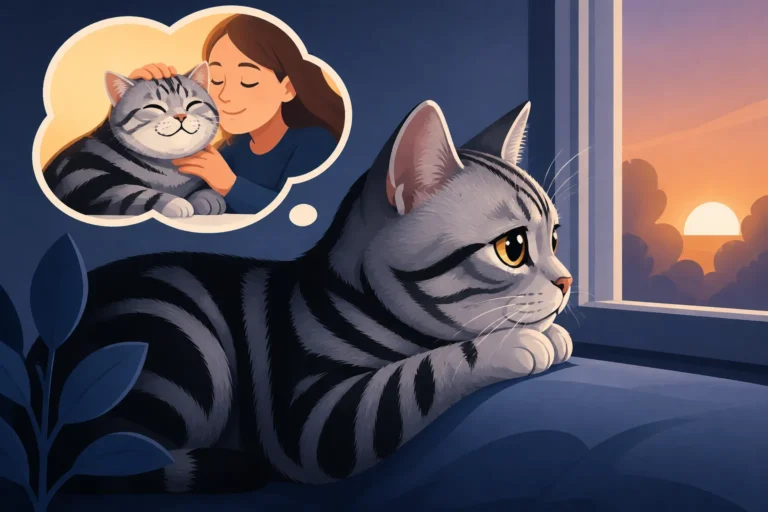
When they are awake but not engaging in active play, they will often choose a vantage point from which to quietly observe the household. They might settle on a bookshelf, a favorite chair, or even just a corner of the couch, watching the daily comings and goings with a calm, discerning eye. This isn't passive waiting; it’s an active form of engagement, allowing them to remain connected to their environment and their human companions without needing to be at the center of attention. They process the world around them from a distance, absorbing everything without needing to intervene or demand a role.
Affection on Their Own Terms, Not Yours
One of the most charming aspects of living with an American Shorthair is their unique approach to affection. They are loving cats, make no mistake, but their love is often expressed in ways that respect both your space and theirs. They offer companionship and warmth without the clinginess that some other breeds exhibit. This breed truly embodies the philosophy of "love from a distance" until they decide it's time for a closer bond.
The Gentle Presence and Shared Spaces
Instead of constantly being in your face, an American Shorthair often prefers to show affection by simply being near you. If you’re working on your laptop, they might curl up on a nearby chair or even on your desk, offering a comforting presence without interrupting your task. They might choose to nap at the foot of your bed, not necessarily on top of you, but close enough to share your space and convey their bond. This quiet companionship is a hallmark of the breed. Why a Working Bred American Shorthair Sits Beside You Rather Than On You perfectly captures this trait.
They are masters of parallel play – enjoying your company while doing their own thing. You might be reading a book, and they'll be grooming themselves or watching the world outside the window, both of you existing harmoniously in the same room. This shared, peaceful existence is how many American Shorthairs express their deep affection. It's not about constant physical contact, but a steady, reliable presence that says, "I appreciate you, and I feel safe and content in your company."
Choosing Their Moments for Closeness
When an American Shorthair decides it's time for some direct affection, it's a special moment because they initiated it. This might involve a sudden leap onto your lap for a snuggle, a head-butt against your hand asking for scritches, or a purring session that vibrates through your entire being. They have a knack for sensing when you're relaxed and receptive, choosing those quiet moments for their overt displays of love. These aren't demands; they're offerings.
It’s crucial to respect their boundaries in these moments. An American Shorthair might enjoy a good petting session, but they'll let you know when they've had enough with a subtle tail flick or a gentle shift in posture. Pushing past these signals can undermine their trust. When they choose to be close, it's a genuine gesture of affection that arises from their independent spirit, making it all the more meaningful. This discerning approach to intimacy means that How Much a Self Sufficient American Shorthair Misses You is often expressed through this careful choosing of moments upon your return.
Managing Needs with Minimal Fuss
Their inherent self-sufficiency extends to how they manage their basic needs. They're not prone to making a grand fuss over an empty food bowl or a less-than-pristine litter box. Instead, they often handle these situations with a quiet dignity, sometimes even attempting to solve the problem themselves before involving their human companions. This low-maintenance attitude is another reason they fit so well into a variety of lifestyles.
Resourcefulness Around Food and Water
An American Shorthair's history of hunting for their meals means they’re incredibly resourceful, even when domesticated. While you should always ensure they have fresh food and water, they typically won’t resort to desperate measures or constant nagging the moment their bowl is less than full. They understand that food is a necessity, and while they appreciate regularity, they also possess a certain patience. They might give you the "stare" we discussed earlier, or a soft, inquiring meow, but it's rarely a full-blown tantrum.
Many American Shorthairs also demonstrate a preference for running water, a nod to their instinct to seek out fresh, moving sources. Rather than crying by an empty bowl, they might hang out near a faucet or gently paw at their water dish, indicating a need for a refill or a preference for a water fountain. (There are many great cat fountains available on Amazon that can encourage better hydration!) Why an American Shorthair That Hunted for Meals Takes What It Finds further explains this connection to their instincts. Their approach to sustenance is often pragmatic and calm, avoiding unnecessary drama.
Cleanliness and Personal Space
When it comes to their litter box, American Shorthairs are typically meticulous. They appreciate a clean environment and will often communicate their displeasure with a dirty box through subtle changes in behavior rather than direct complaints. This might mean pausing before entering the box, or, in extreme cases, choosing a less ideal spot nearby if their preferred facilities aren't up to scratch. This isn't a demand for you to clean it right now, but a gentle hint that they are particular about their sanitation.
Their personal grooming habits are also impeccable. With their short, dense coats, American Shorthairs are excellent at keeping themselves clean, rarely needing human intervention for bathing or extensive brushing. This self-care means fewer demands on your time for grooming, reinforcing their independent nature. They often spend a good portion of their day meticulously maintaining their pristine appearance, further demonstrating their self-reliance and low-maintenance needs.
A Comparative Look at Demanding vs. American Shorthair Cues
To truly appreciate the American Shorthair's subtle communication style, it helps to see it in contrast to what might be considered "demanding" behavior in other breeds.
| Demanding Cat Behavior | American Shorthair Cues & Actions | Implied Message |
|---|---|---|
| Loud, insistent, repetitive meowing | Soft "mrrrp," trill, or quiet single meow | "I'm here," "Hello," "I would appreciate…" |
| Persistent pawing or nudging | Gentle brush past legs, sitting nearby, direct eye contact | "I'm present," "I'm content," "I notice you" |
| Blocking pathways, tripping humans | Leading towards desired object/room, sitting and staring | "Consider this," "My needs are here" |
| Climbing on you for attention | Jumping onto lap when you're settled, resting at your feet | "I choose to be close now," "I want to share your space" |
| Destructive behavior when bored | Playing with independent toys, observing surroundings | "I can entertain myself," "My territory provides stimulation" |
| Ignoring litter box due to perceived slights | Hesitation at box, quiet observation, choosing an alternate spot | "This could be cleaner," "I prefer privacy" |
| Rubbing against legs until fed | Sitting calmly by food area, making eye contact | "My bowl is getting low," "I anticipate dinner soon" |
| Constant following and seeking interaction | Resting in the same room, choosing proximity without contact | "I enjoy your company, but respect your space" |
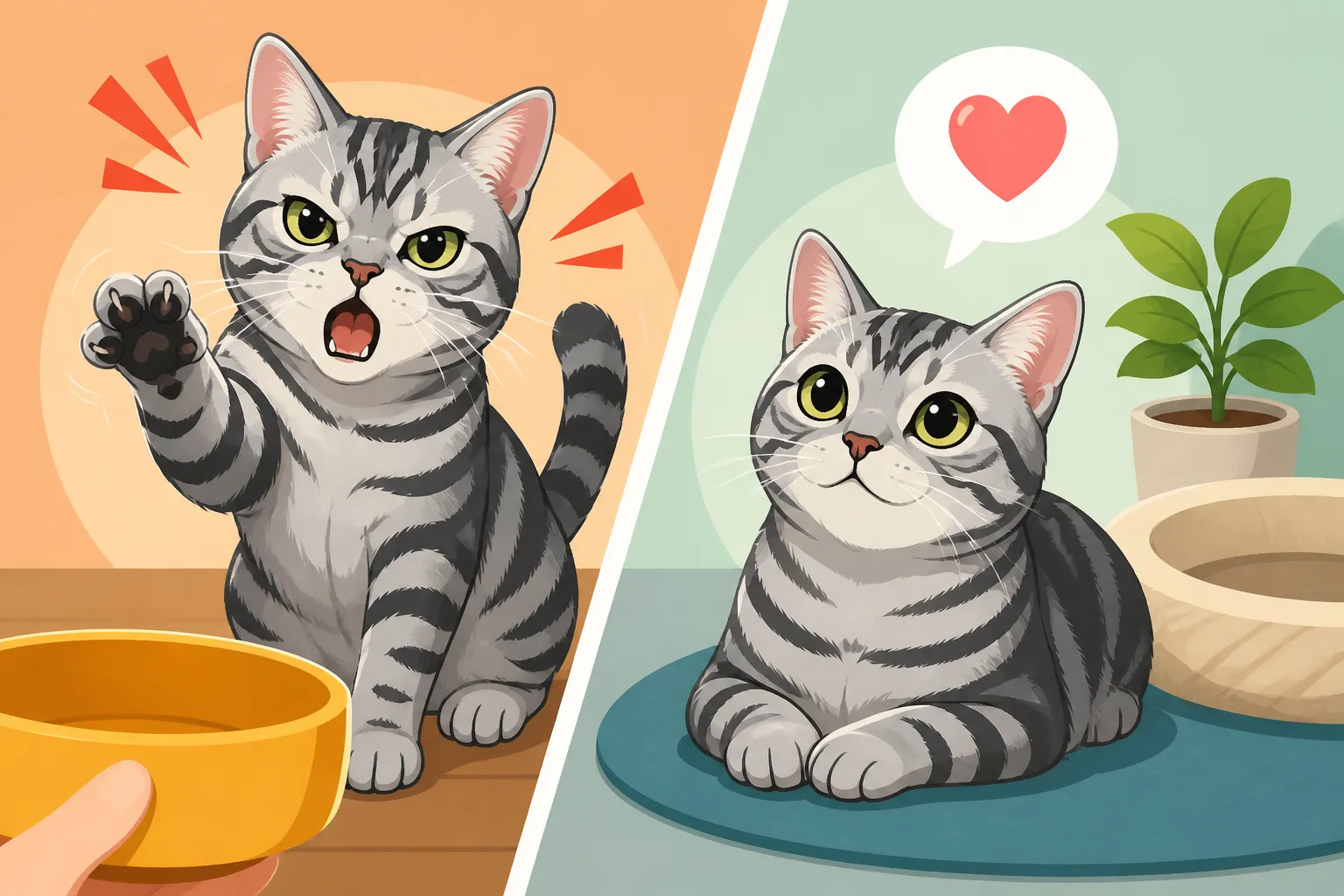
This table highlights how the American Shorthair opts for understated communication, allowing them to blend seamlessly into a household without being an insistent presence. Their independence is not a sign of aloofness, but rather a reflection of their self-assured and content nature. They've mastered the art of being there, offering quiet companionship, and communicating their needs with a subtle grace that is truly unique. Why an American Shorthair Suits a First Time Owner often comes down to this very quality of being undemanding.
Disclaimer
This article is for general informational purposes only and does not constitute professional advice. Laws, prices and regulations vary by location and change over time. Consult a qualified professional for guidance on your specific situation.