Which Post Lets an American Shorthair Condition Its Claws
It’s incredibly frustrating when your beloved American Shorthair decides that your brand-new sofa, that antique armchair, or even your favorite rug makes the perfect spot to sharpen their claws. You adore your cat, but not the shredded upholstery that comes with their natural instincts! This guide is here to help you understand why your American Shorthair scratches, how to pick the ideal scratching post that they’ll actually use, and how to gently redirect their innate behavior away from your furniture and towards a more appropriate outlet.
Why Your American Shorthair Needs to Scratch
Let's get one thing straight: your American Shorthair isn't trying to be naughty when they claw at your prized possessions. This isn't a rebellion or a protest; it's a deeply ingrained, essential feline behavior. Understanding this fundamental need is the first step toward living harmoniously with your clawed companion and saving your home furnishings.
Instinctive Behavior, Not Mischief
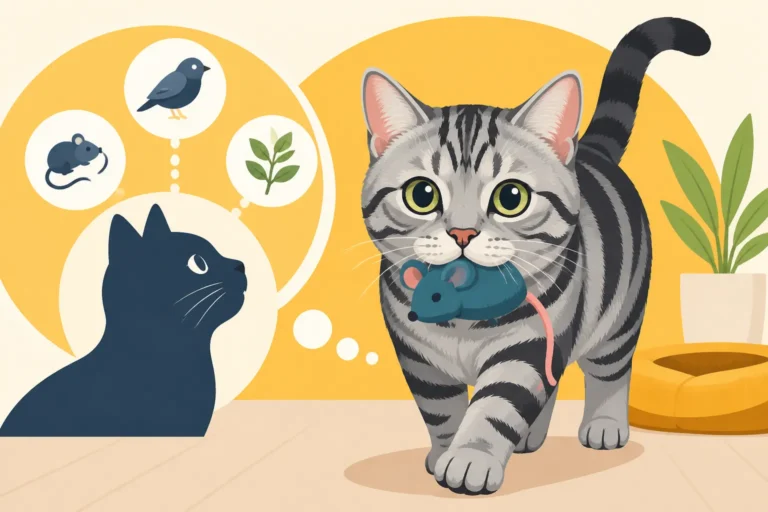
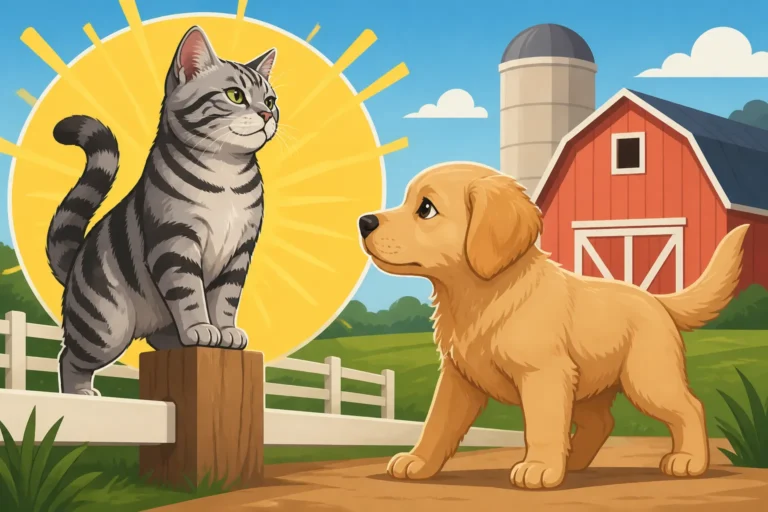
For centuries, before they became cherished house pets, American Shorthairs and their ancestors were working cats, tasked with keeping rodents at bay on farms and ships. This means they're hardwired with strong natural instincts, and scratching is right up there with hunting and patrolling their territory. When your American Shorthair stretches and rakes their claws down a surface, they're doing several important things, all stemming from their wilder roots.
Firstly, they're physically conditioning their claws. Cats, including our sturdy American Shorthairs, don't "sharpen" their claws in the way you might sharpen a knife. Instead, they shed the outer, dull layers of their claws to reveal fresh, sharp ones underneath. It’s like peeling an onion, and scratching is how they perform this vital maintenance. Without a suitable surface, these layers can build up, leading to discomfort or even ingrown claws. This is why you might notice little clear "sheaths" around their favorite scratching spots.
Secondly, scratching is a major form of scent and visual marking. Cats have scent glands in their paws. When they scratch, they're leaving their unique scent on that surface, essentially putting up a "property of [Cat's Name]" sign for any other cats (or even just for themselves) to acknowledge. This is especially important for a breed that retains a strong sense of territory, even if that territory is just your living room. Visually, those claw marks are also a clear signal, a visible declaration of their presence and ownership. If you've ever wondered Why an American Shorthair Keeps Its Claws Conditioned on Your Sofa, it's less about the sofa itself and more about the innate drive to maintain their tools and mark their space.
Finally, scratching is a fantastic full-body stretch. Have you ever noticed how your American Shorthair arches their back, extends their front paws, and really leans into a good scratch? It's a satisfying stretch that works their shoulder, back, and leg muscles, helping them stay agile and flexible. This is crucial for a cat that, despite its calm demeanor, still possesses significant How Strong an American Shorthair's Hunting Drive Is.
The Importance of a Good Scratching Surface
Given these powerful, multi-faceted reasons for scratching, it becomes clear that simply telling a cat "no" or removing them from the offending furniture isn't going to stop the behavior. It's like telling a bird not to fly. Instead, our job as responsible cat parents is to provide an appropriate and appealing outlet for this natural instinct. A "good" scratching surface isn't just any surface; it's one that mimics what they'd naturally seek out in the wild (like tree bark) and fulfills all their scratching needs. It needs to be stable, tall enough, and made of a material that provides satisfying resistance and shredding. If it doesn't meet these criteria, your furniture will continue to look like a tempting alternative.
Decoding What an American Shorthair Looks for in a Scratching Post
So, you're ready to invest in a scratching post. But what exactly should you be looking for? It's not as simple as grabbing the first cardboard box you see. American Shorthairs, with their solid build and practical sensibilities, have specific preferences that, if met, will significantly increase the chances of the post actually being used.
Stability is Key
This is, perhaps, the most overlooked and most critical factor. Imagine trying to get a good, satisfying stretch and clawing action on something that wobbles and threatens to topple over with every swipe. Frustrating, right? Your American Shorthair feels the same way. A flimsy, lightweight scratching post is an absolute non-starter. They need something sturdy, something that won't budge an inch, even when they're putting their full weight and enthusiasm into their scratching session.
Think about a tree trunk in nature – solid, unmoving. That's the feeling you want to replicate. Look for posts with a wide, heavy base. If it's part of a larger cat tree, ensure the entire structure feels stable and well-balanced. You might even consider anti-tip brackets if you have a particularly rambunctious scratcher. Many posts found on platforms like Amazon will specify their base dimensions and weight, which can give you a good idea of their stability. A wobbly post isn't just ineffective; it can actually be intimidating or even dangerous for your cat, teaching them to avoid it.
Height and Stretch Factor
American Shorthairs are typically medium to large cats, known for their muscular, square-built bodies. When they scratch, they like to stretch out to their full length, extending their spine and working those powerful shoulder muscles. This means a tiny, squat scratching post simply won't cut it.
The ideal scratching post for an American Shorthair should be tall enough for them to stand on their hind legs and stretch fully upwards, reaching as high as they can and still have plenty of scratching surface above their outstretched paws. A minimum height of 28-32 inches is a good starting point for most adult American Shorthairs, but observe your specific cat. If they're a particularly large male, you might need something even taller. Anything shorter than their full stretch will feel unsatisfying, leaving them with an incomplete grooming and stretching experience, and sending them right back to your furniture.
Material Matters
This is where many owners get stuck, and it's perhaps the most crucial element in determining whether your American Shorthair will engage with their new scratching spot. Our furry friends have preferences, and for the American Shorthair's sturdy claws, the texture of the material is paramount. The core query, Which Post Lets an American Shorthair Condition Its Claws, really hinges on this.
Let's break down the most common materials:
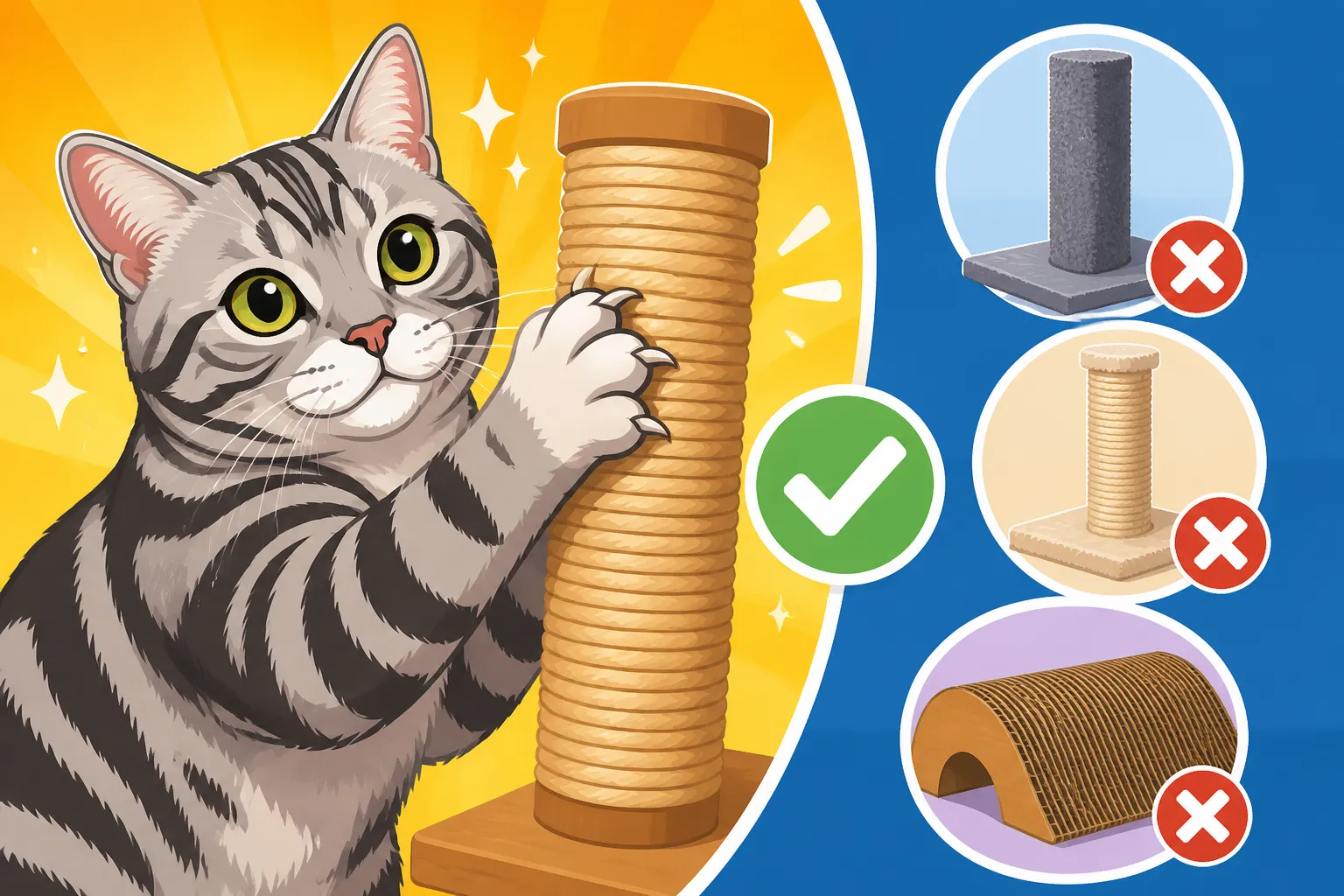
- Sisal Rope: This is the gold standard for many cats, and often the top choice for American Shorthairs. Sisal rope provides excellent resistance and a satisfying shredding sensation. It's tough, durable, and mimics the feel of tree bark perfectly. When they dig their claws into sisal, they can really get a grip, pull, and release those outer claw sheaths. Look for posts where the sisal is tightly wound and securely attached to the post; loose or unraveling sisal won't last long and can be frustrating for your cat. Many high-quality cat trees and standalone posts feature sisal rope, which you can easily find on Amazon.
- Sisal Fabric/Carpet (Vertical): Some posts are covered in a flat sisal fabric or tightly woven carpet. While carpet can work, many American Shorthairs prefer the more distinct texture and shreddability of sisal rope. If choosing carpet, make sure it's a very dense, loop-pile carpet, not loose or plush, as loose threads can get caught in claws and be dangerous. Avoid posts simply wrapped in cheap, flimsy carpet; these rarely satisfy a cat's instinct.
- Corrugated Cardboard: Cardboard scratchers come in many forms – flat pads, inclined ramps, or even vertical towers. These are often a huge hit! The corrugated texture is incredibly satisfying for cats to shred, and they love the sound and sensation. While they don't last as long as sisal, they're typically more affordable and disposable, making them a great option to sprinkle throughout the house. Many American Shorthairs adore cardboard lounges that allow them to scratch and then settle in for a nap. These are fantastic for horizontal scratching preferences, but can also work vertically if secured.
- Wood: Some cats, particularly those with a strong outdoor inclination, might enjoy scratching on a piece of unfinished wood, like a log or a sturdy wooden plank. The rough texture can be appealing. However, wood can be messy, creating splinters and shavings, and isn't as universally loved as sisal or cardboard. It's more of an experimental option.
What to avoid: Anything plush or soft. Your sofa is already soft, and that's why they're destroying it! A plush scratching post defeats the purpose; it doesn't provide the resistance or shreddability their claws need.
Vertical Versus Horizontal
Cats also have preferences regarding the orientation of their scratching surface. Some prefer to stretch up high on a vertical post, while others enjoy a good horizontal rake on the floor. Your American Shorthair might even like both!
- Vertical Scratching: This is often the primary preference, allowing for that full-body stretch we discussed. Think tall, sturdy posts, or even a scratcher panel mounted on a wall.
- Horizontal Scratching: Many cats enjoy lying down or crouching to scratch. Flat cardboard scratchers, scratching ramps, or even sturdy carpet tiles secured to the floor can satisfy this need. Observe your cat: if they tend to scratch the arms of your couch (vertical) versus the rug (horizontal), that's a huge clue!
The best approach is often to provide a variety of options. A tall sisal post and a flat cardboard scratcher can coexist happily in your home, covering all your American Shorthair's scratching bases.
Choosing the Right Scratching Post for Your American Shorthair
Now that you know what to look for, let’s talk about how to actually make the right choice and integrate it into your home. It’s a bit of detective work combined with understanding your cat’s unique personality.
Assessing Your Cat's Current Habits
Before you even start shopping, take a moment to observe your American Shorthair. Where do they currently try to scratch? Do they go for the corner of the sofa, the side of your bed, or the woven rug in the hall? Are they stretching high, or are they preferring a lower, flatter surface?
- If they're scratching vertically on furniture: This strongly suggests a preference for a tall, sturdy vertical post, ideally covered in sisal rope or fabric. Place the new post directly in front of, or very close to, their preferred "bad" scratching spot.
- If they're scratching horizontally on rugs or carpets: A good, durable horizontal cardboard scratcher, a sisal mat, or even a scratching ramp would be a smart choice. Again, put it right where they like to scratch.
- If they favor the couch arms or fabric chairs: These spots often offer both vertical and slight horizontal angles. A combination of a tall vertical post and a sturdy scratching ramp might be best.
Using their existing habits as a guide is incredibly effective. Cats are creatures of habit, and putting a desirable alternative right in their usual spot is much more effective than placing it in a remote corner and hoping they'll find it.
Types of Scratching Posts
There's a vast array of scratching solutions out there. Let's look at the most common and how they might suit your American Shorthair:
- Sisal Rope Posts: These are the classic, cylindrical posts wrapped in sisal rope. They are excellent for vertical scratchers who love to dig in. Make sure it's tall enough for your American Shorthair to fully stretch. You can find many varieties on Amazon, from simple posts to more elaborate ones with platforms.
- Sisal Fabric Posts: Similar to rope posts, but covered in a flat, tightly woven sisal fabric. These also offer good resistance and are often integrated into cat trees.
- Corrugated Cardboard Scratchers: These are incredibly versatile. You can get flat pads, inclined ramps, or even multi-level cardboard lounges. They are usually very affordable and disposable. Many American Shorthairs adore the satisfying ripping sound and texture of cardboard. They are perfect for horizontal scratchers. Remember, while they don't last forever, their low cost means you can replace them frequently and strategically place several throughout your home.
- Cat Trees with Integrated Scratching Surfaces: A good cat tree often combines vertical scratching posts (usually sisal-wrapped) with climbing opportunities, perches, and sometimes even enclosed hideaways. This is a fantastic option if your American Shorthair enjoys climbing and surveying their territory from a height. A sturdy cat tree can also provide mental and physical enrichment. For tips on how high they like to get, check out How High an American Shorthair Needs to Get. Look for trees that explicitly mention sisal scratching surfaces, as some cheaper ones only have carpet.
- Scratching Ramps and Pads: These offer an inclined or flat surface, often made of sisal or cardboard. They are great for cats who prefer a horizontal or angled scratch, or for older cats who might have trouble stretching vertically.
When considering a purchase, especially from an online retailer like Amazon, read reviews from other cat owners, specifically looking for comments on stability and how well the material holds up to vigorous scratching.
Placement Strategies for Success
You've bought the perfect post – great! Now, where does it go? This is just as important as the post itself.
- Near existing "bad" spots: This is rule number one. If your cat is clawing the sofa arm, put the new post right next to it, or even directly in front of the damaged area. It needs to be an obvious, attractive alternative.
- High-traffic areas: Cats often scratch as a way to mark territory in prominent locations. Place posts in areas where your American Shorthair frequently passes through, sleeps, or stretches after a nap. Near a favorite sleeping spot or a sunny window are often prime locations.
- Multiple locations: Don't just get one! Cats often have multiple preferred scratching spots. One post for each main room, or at least two or three different types and orientations throughout the house, is ideal. This is especially true for an American Shorthair, which might patrol different areas of the home, as explored in How an American Shorthair Splits Its Day Between Patrol and Sleep.
- Consider vertical spaces: For apartment dwellers, or if you simply lack floor space, consider wall-mounted scratchers. These offer a vertical surface without taking up precious floor real estate, while still allowing for that full stretch.
Encouraging Your American Shorthair to Use Their New Post
Getting the right post is half the battle; the other half is convincing your discerning American Shorthair that it’s their new favorite thing. With a little patience and positive reinforcement, you can guide them toward making the right choices.
Making it Appealing
Cats are all about positive associations. We want them to think of the scratching post as the best thing since sliced tuna.
- Catnip: This is often your secret weapon! Rub a generous amount of fresh catnip onto the scratching surface. The alluring scent can draw your American Shorthair in and encourage them to investigate and, hopefully, scratch. For those less responsive to catnip, silvervine or valerian root can sometimes work similar magic.
- Interactive Toys: Dangle a favorite wand toy near the top of a vertical post, encouraging your cat to stretch up and bat at it. As they reach, their claws might naturally engage with the surface. When they do, offer praise or a small, tasty treat. This helps them link the act of scratching the post with positive rewards. Which Wand Toy Reads as Prey to an American Shorthair can be a great resource for choosing the right toy.
- Treats and Praise: Every time you see your American Shorthair even sniff the post, offer a treat. If they put a paw on it, more treats! When they actually scratch it, jackpot! Make a big fuss, offer verbal praise, and a super yummy treat. Positive reinforcement is far more effective than punishment.
- Familiar scents: If you have an old blanket or toy that smells distinctly like your cat, you can rub it on the new post to transfer their scent. This can make the new object feel more like "theirs" and less like an unfamiliar intruder.
Gentle Redirection
While we're trying to make the new post irresistible, we also need to gently discourage scratching on inappropriate surfaces.
- Cover the "forbidden" spots: Temporarily make the off-limits areas less appealing. You can use double-sided sticky tape (cats hate the tacky feel), aluminum foil, or even plastic sheets to cover the parts of the sofa they're attacking. This creates an unpleasant tactile sensation without harming your cat.
- Don't punish: Never yell at your cat, spray them with water, or physically move them from the furniture. This will only teach them to fear you or to scratch when you're not around. Instead, calmly pick them up and place them near the scratching post. If they scratch the post, offer immediate praise and a treat.
- Trimming claws regularly: While a scratching post helps shed outer layers, regular claw trims can also reduce the damage done to your furniture. A slightly duller claw is still a claw, but it might do less harm. How to Cut the Claws of an American Shorthair That Uses Them can provide guidance here.
Patience and Persistence
Changing a cat's behavior takes time. Your American Shorthair has likely been scratching your furniture for a while, and it will take consistent effort to redirect that habit. Don't get discouraged if they don't immediately take to the new post. Keep it in place, keep making it appealing with catnip and treats, and continue to gently redirect them when they attempt to scratch elsewhere. Eventually, with the right tools and strategies, your American Shorthair will understand that their scratching post is their special place, saving your furniture and making both of you much happier.
Here's a quick comparison of popular scratching materials:
| Material Type | Pros | Cons | Ideal For |
|---|---|---|---|
| Sisal Rope | Highly durable, excellent resistance, satisfying shred, mimics tree bark | Can be more expensive, some cats prefer flatter textures | Vertical scratchers, heavy-duty use, full-body stretches |
| Sisal Fabric | Durable, good resistance, often integrated into cat trees | Less shredding action than rope, can unravel if poorly made | Cats who like a flatter, more consistent texture |
| Corrugated Cardboard | Highly appealing to most cats, satisfying shredding sound, affordable, disposable | Less durable (needs frequent replacement), can create paper mess | Horizontal scratchers, inclined scratchers, budget-friendly options |
| Carpet (dense) | Familiar texture, can be integrated into home decor | Loose pile can catch claws, less satisfying shred than sisal/cardboard | Cats with existing carpet preference, as a secondary option |
| Wood (untreated) | Natural, rustic appeal, very durable | Can splinter, messy shavings, less universally appealing to cats | Outdoor-inclined cats, experimental use |
Disclaimer
This article is for general informational purposes only and does not constitute professional advice. Laws, prices and regulations vary by location and change over time. Consult a qualified professional for guidance on your specific situation.