How an American Shorthair Shows Affection Between Patrols
It’s easy to look at the calm, self-possessed American Shorthair and wonder if they truly care for you. Unlike some more overtly demanding breeds, these magnificent cats often express their affection in ways that are subtle, deeply rooted in their independent heritage, and quite frankly, easy to miss if you’re not attuned to their particular brand of love. This guide will help you decode the nuanced signals of affection your American Shorthair sends, often amidst their diligent daily "patrols" of your home.
Understanding the American Shorthair's Core Nature
Before we can truly appreciate how an American Shorthair shows affection, it's crucial to understand the very fabric of their being. These aren't lap cats bred solely for companionship; their history is one of purpose, resilience, and quiet self-reliance. This background profoundly influences every aspect of their behavior, including how they express warmth and connection.
The Legacy of a Self-Sufficient Hunter
Imagine the ancestors of your American Shorthair, diligently working on farms, guarding ships, or patrolling early American homes. Their job wasn't to cuddle on command or demand constant attention; it was to keep vermin at bay, a solitary and often dangerous task. This lineage instilled in them an incredible sense of self-sufficiency and an independent streak that remains a hallmark of the breed today. They were selected for their effectiveness, their intelligence, and their ability to thrive without constant human intervention.
This historical role means that their affection isn't typically expressed through clinginess or loud declarations. Instead, it’s a quieter, more understated bond, built on trust and mutual respect. They appreciate your presence, your provision of a safe territory, and your occasional interaction, but they don't need you in the same way some other breeds might. If you're coming from a background with more vocal or attention-seeking cats, this might feel like a lack of affection at first. Rest assured, it's just a different dialect of love. As we often say, Why an American Shorthair Was Never Bred to Need You explains this deeply ingrained independence.
A Cat That Patrolled Alone
An American Shorthair's day, even in a modern home, is still largely governed by an internal "patrol" schedule. They move through their territory, checking on things, observing, and maintaining order in their feline world. This isn't just a physical movement; it's a mental state, a carryover from centuries of guarding their space. They are inherently solitary workers, capable of spending long hours alone, perfectly content within their domain. This means their demonstrations of affection often occur between these periods of independent activity, not necessarily interrupting them.
You might notice your American Shorthair appearing silently in a room, observing you for a few moments, and then just as quietly moving on. This isn't disinterest; it's a "check-in," a subtle way of including you in their world without making a fuss. They are aware of your presence, appreciate your role in their territory, and are confirming that all is well before resuming their feline duties. Understanding this rhythm is key to recognizing their love. It's not about constant interaction; it's about shared space and acknowledged presence. How an American Shorthair Splits Its Day Between Patrol and Sleep delves deeper into their daily routines and how they structure their time.
Affection as Presence, Not Demand
The primary way an American Shorthair shows affection is through their consistent, comforting presence. They choose to be in the same room as you, often nearby but not necessarily on your lap. They want to be part of your world, but on their own terms. This might mean napping in a sunny spot in your home office while you work, or lounging on the sofa while you watch TV, just a few feet away. They don’t typically demand attention with insistent meows or pawing, validating your frustration if you expect a cat to be glued to your side. It can feel like they're aloof, but it's a quiet testament to their trust and contentment.
Think of it as a calm, steady companionship. They trust you, they feel safe with you, and that is their profound expression of love. They're telling you, "You are part of my safe territory, and I am comfortable enough to truly relax and be myself around you." For these cats, simply existing harmoniously in the same space is a deep connection. They validate the idea that not all love needs to be loud or overtly physical.
Subtle Gestures: The Quiet Language of Love
Because American Shorthairs are not typically "in-your-face" with their affection, learning to read their subtle body language and quiet cues is essential. These small actions are packed with meaning, revealing a deep sense of trust and fondness. It’s easy to miss them if you’re not looking, or if you expect more overt displays.
The 'Check-In' Patrol
One of the most common ways an American Shorthair expresses affection, particularly between their self-appointed "patrols," is through their frequent, quiet check-ins. You might be in the kitchen, and suddenly, they appear, observing you from a doorway or gracefully walking past your legs before settling into a nearby spot. This isn't a plea for food or attention; it's a casual affirmation of your bond and their security within their territory. They're simply verifying your presence, acknowledging you, and ensuring all is well in their world.
These check-ins are their way of including you in their daily routine. For a cat whose ancestors were solitary hunters, a casual brush against your leg or a brief moment of shared silence in a room is a significant gesture. It says, "I know you're here, and I'm content with that." It's a comforting, undemanding form of love that highlights their independence while still maintaining a connection. They're not trying to be intrusive, but they are absolutely connecting with you.
Slow Blinks and Soft Gazes
The "slow blink" is universally understood as a cat's kiss, and your American Shorthair, despite their stoic demeanor, is a master of it. When your cat looks at you and slowly closes and then opens their eyes, they are telling you they feel completely safe and comfortable in your presence. It's a profound sign of trust, especially from a creature wired for vigilance. Respond with a slow blink back, and you'll often see them reciprocate, deepening the connection.
Beyond the slow blink, pay attention to their overall gaze. A soft, relaxed look, rather than an intense stare, indicates contentment and affection. An American Shorthair may lie across the room, watching you with half-closed eyes, completely at ease. This relaxed observation is their way of saying, "I enjoy simply being in your orbit." It’s a quiet acknowledgment of your shared space and mutual bond, far removed from the demanding stare of a hungry or anxious cat.
Head Nuzzles and Bunting
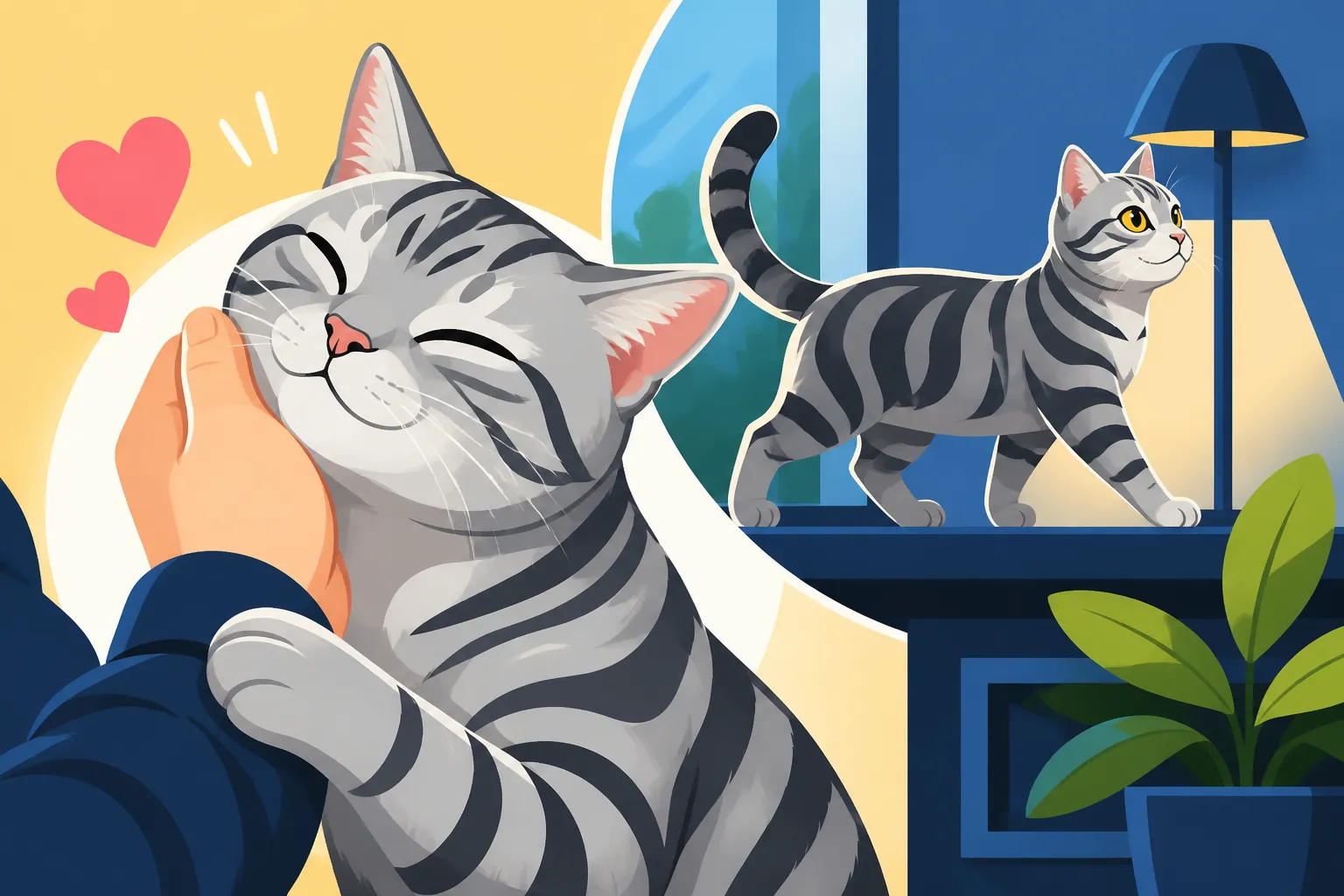
When an American Shorthair initiates physical contact, it’s usually incredibly meaningful. Head bunting (rubbing their head against you) and cheek rubbing are potent signs of affection. They are depositing their scent glands onto you, marking you as part of their inner circle, their family, and their territory. This is a huge compliment from a cat that is so particular about its personal space and domain. It's a full-on embrace of you as one of their own.
You might find them doing this against your leg as you walk by, or gently bumping their head against your hand while you're petting them. These moments are not random; they are intentional acts of bonding. They're saying, "You belong to me, and I belong to you." It's a powerful statement of acceptance and affection, especially given their generally less effusive nature. When an American Shorthair does this, take a moment to savor it; it's their direct, unfiltered expression of love.
Physical Closeness on Their Terms
American Shorthairs definitely enjoy physical closeness, but they prefer it on their own terms. You won't often find them constantly draped over you, but they will seek out proximity in ways that are deeply comforting and signify their affection. It's about a respectful sharing of space, rather than an invasion of it.
The Proximity Principle: Being Near You, Not Necessarily On You
One of the most common forms of affection from an American Shorthair is simply choosing to be near you. They might settle on the adjacent cushion of the sofa, at the foot of your bed, or even just in the same room. This isn't aloofness; it’s their way of saying, "I want to be where you are." For a cat whose natural instinct is often to survey their environment from a slight distance, this proximity is a strong indicator of trust and affection. They feel safe and content in your presence, and they appreciate the quiet companionship.
They are comfortable sharing your personal space, without necessarily needing to be in direct physical contact. This can be especially true during their "patrols" – they might pause their exploration of the living room to briefly sit next to you on the rug before continuing their circuit. It's a momentary pause for connection. This behavior beautifully illustrates Why a Working Bred American Shorthair Sits Beside You Rather Than On You. They value their independence, but they cherish the bond.
Sharing Your Space, Not Your Lap
While some American Shorthairs might eventually become lap cats, many prefer to share your space in a less intrusive way. They might choose to sleep on a cat tree that overlooks your main living area, a cozy bed on your desk, or a plush blanket on the back of your armchair. These aren't just convenient napping spots; they are strategically chosen locations that allow them to be near you, observe you, and participate in the household's rhythm without feeling confined. For them, it’s about communal living, not necessarily constant physical contact.
Consider investing in comfortable cat furniture, perhaps from Amazon, that allows them to perch at various heights within a room where you spend a lot of time. This offers them prime real estate to observe their domain (and you!) while still feeling connected. By choosing these spots, they are showing you that they enjoy your company and feel secure enough to let down their guard and truly relax in your presence. It's their particular brand of "snuggling," adapted to their independent nature.
The Follower, Not the Leader
Does your American Shorthair often follow you from room to room, even if they don't seem to want anything specific? This "shadowing" behavior is a quiet sign of affection and curiosity. They are interested in what you're doing, and they enjoy your companionship as you move through their shared territory. It's their way of staying connected, a silent acknowledgement of your movements and activities.
They might sit and watch you prepare a meal, or observe you reading a book, then follow you when you get up to grab a drink. This consistent presence, even without direct interaction, speaks volumes about their bond with you. It shows they see you as a central, comforting figure in their lives, someone whose movements are worth tracking. It’s a very undemanding form of love, but powerful nonetheless, affirming your place as part of their secure world.
Shared Activities and Routine Bonds
American Shorthairs thrive on routine and derive comfort from predictability. When they consistently engage with you in certain activities or within established routines, these become profound expressions of their affection and trust. It’s about building a shared life together, piece by piece.
Engaging in Play Sessions
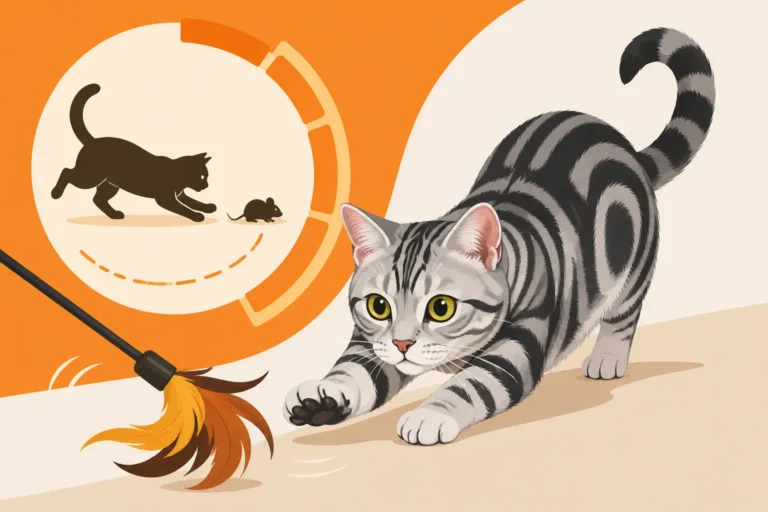
Play is incredibly important for an American Shorthair, channeling their strong hunting instincts into acceptable outlets. When your cat eagerly participates in a play session with you, it's a huge sign of affection. They are choosing to engage, to interact, and to share this fundamental part of their being with you. They trust you to be their "prey," or to facilitate their "hunt," and they enjoy the interaction. Using a wand toy or a feather on a stick allows them to practice their natural hunting sequence, and sharing this with you is a bonding experience.
These sessions are particularly meaningful because they tap into the core of what makes an American Shorthair tick. It's not just entertainment for them; it's fulfilling a deep-seated instinct. When they bring you a toy to initiate play, or respond enthusiastically to your overtures, they are inviting you into their world in a very profound way. You can find a vast array of engaging and durable toys, including interactive puzzle feeders and wand toys, on Amazon to keep these intelligent cats entertained and connected. This shared activity solidifies your place in their life as a valued companion and playmate.
Participating in Daily Routines
The consistency of daily routines creates a strong bond with an American Shorthair. Their presence during morning coffee, evening wind-down, or meal prep isn't just about habit; it's a comforting ritual that signifies their attachment. They understand and appreciate the rhythm of your shared life, and their consistent appearance during these times is an expression of their contentment and connection. They anticipate your actions and find comfort in the predictability you bring to their world.
Think about how your cat greets you after you come home from work. It might not be a frantic meow and a leap into your arms. Instead, it could be a calm, measured approach, a head rub against your leg, or simply appearing in the doorway to acknowledge your return. This quiet recognition is their way of saying, "Welcome back, my world is complete with you in it." How an American Shorthair Greets You After Work further explores these subtle greetings. They are showing you that you are an integral part of their established, secure routine.
Accepting Grooming, However Brief
While American Shorthairs are typically meticulous self-groomers and their short coats require minimal human intervention, their acceptance of your occasional grooming attempts is a sign of immense trust. Allowing you to gently comb their fur, especially during shedding seasons, or even just pet them in a way that mimics grooming, indicates that they view you as a safe and nurturing figure. It’s a moment of vulnerability for them, and their willingness to share it with you speaks volumes about their bond.
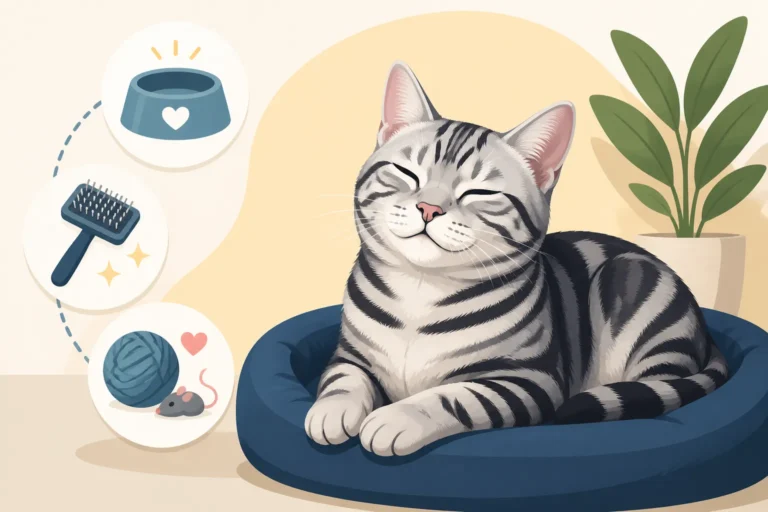
Even if it’s just for a few moments, when your American Shorthair allows you to brush them, they are letting you participate in one of their most private and essential self-care rituals. It's an act of deep trust. If you notice your cat leaning into the brush or even purring softly during these sessions, you know you've hit a sweet spot. They are not just tolerating it; they are enjoying the shared experience and the physical comfort you provide.
Vocalizations and Eye Contact: More Than Just Meows
American Shorthairs are generally known for being quiet cats. They don't typically engage in lengthy conversations or demand attention with loud meows. However, when they do vocalize or make specific eye contact, these instances are incredibly meaningful and should be paid close attention to.
The Soft Chirp and Trill
Forget the dramatic operatic meows of some other breeds; the American Shorthair’s vocal repertoire is often much more subdued and nuanced. You might hear a soft chirp or a gentle trill, especially when they greet you, express contentment, or call your attention to something without being demanding. These aren't loud cries; they're intimate, conversational sounds reserved for those they trust and care for. They are little bursts of communication that say, "Hello," "I'm happy," or "Come look at this."
These subtle vocalizations are truly a privilege to hear. They signify a comfortable, familiar bond, where loud calls aren't necessary. It's a testament to their self-reliant nature that they don't feel the need to constantly vocalize, so when they do, it's a deliberate act of communication and affection. Learning to distinguish their quiet chirps from other sounds can feel like discovering a secret language. You can explore What an American Shorthair's Voice Sounds Like for a deeper understanding of their vocal range.
Purring as a Contentment Signal
The rumble of an American Shorthair's purr is one of the clearest and most universal signs of their affection and profound contentment. While cats purr for various reasons, a purr shared in your presence, especially when they are relaxed, being petted, or simply resting nearby, is a true sign of happiness and comfort. It's their way of radiating good vibes and telling you that they feel utterly safe and cherished.
You might notice their purr starts softly and builds in intensity as you stroke them, or even when they just settle down next to you. This deep vibration is a physical manifestation of their joy in your company. For an independent cat like the American Shorthair, a purr is a clear indicator that they've let their guard down and are reveling in the peace and security you provide. It’s a wonderful validation that your efforts to create a loving home are successful.
Extended Eye Contact
While an intense stare can be confrontational in the cat world, a soft, prolonged gaze, often accompanied by those slow blinks we discussed, is a powerful indicator of affection and trust. When your American Shorthair holds your gaze gently, they are sharing a moment of deep connection, acknowledging your bond without words. It's a form of non-verbal communication that bypasses the need for physical touch, creating a powerful emotional link.
This type of eye contact can happen when you're simply relaxing together, perhaps in the evening. Your cat might look up from their snooze spot, meet your eyes, and hold the gaze for several seconds, perhaps offering a slow blink before looking away or closing their eyes again. These moments are profound. They are allowing themselves to be vulnerable in your presence, trusting you completely. It's a clear declaration of their affection and comfort, a way for them to share their inner peace with you.
Respecting Their Independence While Nurturing Connection
Building a strong, affectionate bond with an American Shorthair is a rewarding experience that requires understanding and respecting their unique nature. It’s about creating an environment where their independence is honored, and their subtle expressions of love are recognized and reciprocated.
Learning Their Cues
The key to understanding an American Shorthair's affection lies in keen observation and patience. Since they don't always broadcast their feelings with loud meows or constant demands, it's up to us to learn their individual language. Pay attention to those subtle head nudges, the soft trills, the casual appearances in the same room, the slow blinks, and the way they choose to rest near you. These are not minor gestures; they are their profound expressions of love and trust.
Recognizing these cues not only helps you feel loved but also strengthens your bond. When you respond to a slow blink with one of your own, or offer a gentle stroke during a head rub, you are speaking their language. You’re showing them that you see and appreciate their subtle affection, reinforcing their comfort in expressing it. This mutual understanding builds a foundation of respect that is deeply cherished by these independent felines. How Little an American Shorthair Bothers to Say is a great read for understanding their quiet communication.
Creating a Safe and Predictable Environment
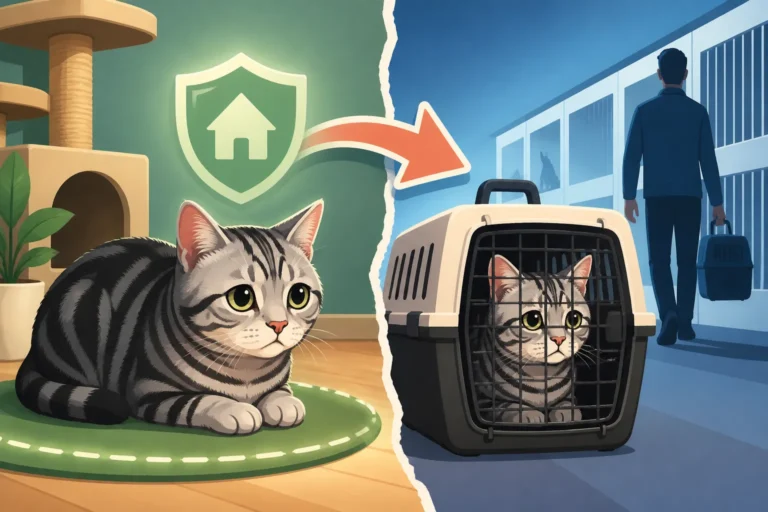
An American Shorthair's inherent need for a secure territory means that a stable, predictable home environment is paramount for fostering affection. A calm household with consistent routines helps them feel safe enough to truly relax and display their quieter forms of affection. Sudden changes, loud noises, or unpredictable schedules can stress them, making them more withdrawn. They thrive on knowing what to expect, and a consistent routine signals that their world is stable and secure. How an American Shorthair Handles Household Noise offers more insight into how they cope with their environment.
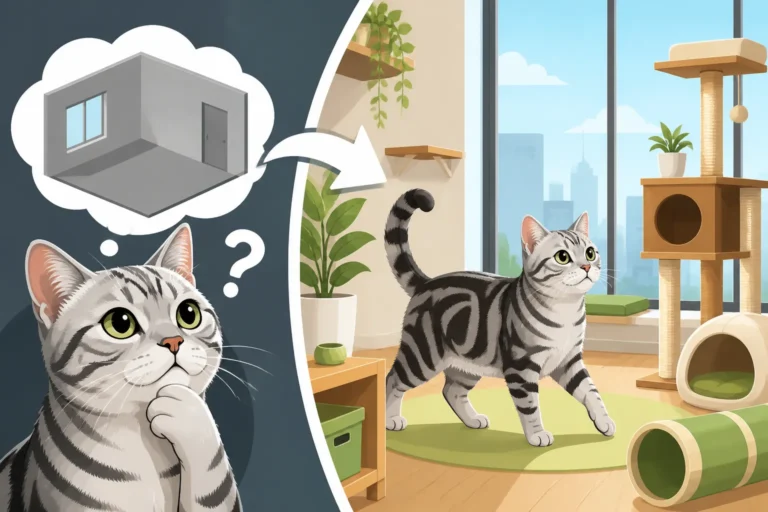
Provide plenty of "safe" spaces, such as high perches (cat trees, shelves), cozy beds, and quiet retreats where they can observe their domain without feeling exposed. Ensuring they have access to their resources (food, water, litter boxes) in consistent, clean locations also contributes to their sense of security. When an American Shorthair feels utterly safe and in control of its immediate environment, it is more likely to open up and share its quiet affection. This consistent security is a silent declaration of love from you to them, and they reciprocate it with their trust.
Offering Choices, Not Demands
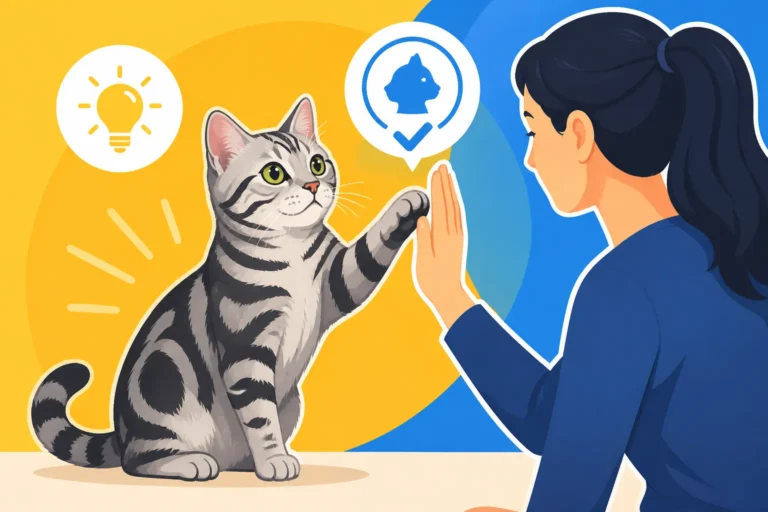
The independent spirit of the American Shorthair means they thrive when given choices and respected autonomy. Instead of trying to force affection (e.g., constantly picking them up if they resist, or cornering them for cuddles), offer opportunities for interaction and let them initiate contact. Sit quietly on the sofa and invite them with a soft voice or a slow blink. Hold out a hand for a head rub, but don't force it. Let them come to you on their own terms, at their own pace.
This approach builds trust and deepens the bond. When an American Shorthair chooses to come and sit by you, or head-bunt your hand, it’s a genuine, uncoerced expression of affection. It shows they genuinely want to connect. Offering them choices in play, like a selection of toys on Amazon, or different spots to relax, empowers them and makes them feel more secure. This respect for their autonomy is one of the most loving things you can do for an American Shorthair, and it will be repaid tenfold in quiet, steady affection that truly lasts. For first-time owners, understanding this nuance is critical, as Why an American Shorthair Suits a First Time Owner explains.
Disclaimer
This article is for general informational purposes only and does not constitute professional advice. Laws, prices and regulations vary by location and change over time. Consult a qualified professional for guidance on your specific situation.