How Much of a Working Cat’s Energy the American Shorthair Kept
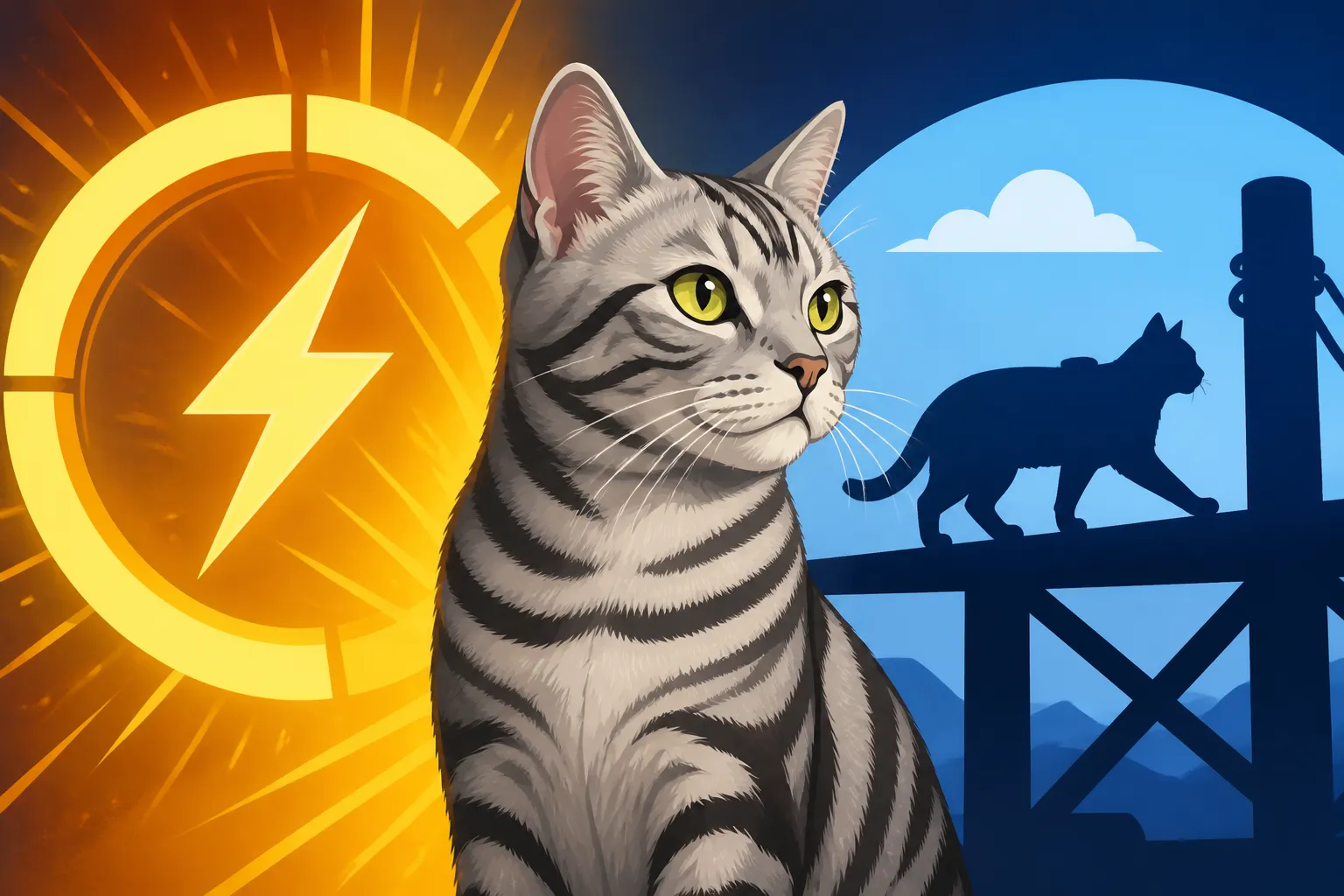
It’s a common misconception that the American Shorthair, with its sturdy build and often calm demeanor, is just a glorified couch potato. Many new owners, envisioning a perpetually sleepy lap cat, are surprised to find a creature brimming with a quiet, yet persistent, energy. If you've ever wondered why your American Shorthair seems to have boundless stamina for stalking toys or endlessly surveying its domain, you're tapping into a deep, historical truth about the breed. This guide will delve into just how much of that original working cat energy the American Shorthair has retained, and crucially, how you can best channel it in a modern home environment.
Tracing the Legacy: The American Shorthair's Working Roots
To truly appreciate the American Shorthair's inherent energy, we have to journey back in time, long before they were recognized as a distinct pedigree breed. Their ancestors weren't bred for fancy looks or designer traits; they were bred for a job, and that job demanded a relentless, enduring energy.
From Ship to Farm: A History of Purpose
Imagine the early voyages across vast oceans, or the bustling, often rodent-infested, farms and settlements of North America. These weren't places for delicate, ornamental cats. They needed hardy, intelligent, and highly effective pest control. The cats that would eventually become the American Shorthair were exactly that: working animals essential for protecting grain stores, keeping disease-carrying vermin at bay, and generally ensuring the survival of early communities.
This wasn't a nine-to-five job with weekends off; it was a constant, instinct-driven role. These cats had to be alert, agile, and physically capable of sustained effort day in and day out. They weren't just catching a mouse or two; they were actively managing populations. This demanding lifestyle ingrained certain traits deep into their genetic makeup. They learned to be self-sufficient, resourceful, and incredibly resilient. Their ability to thrive in challenging environments speaks volumes about the energy and drive they possessed, a far cry from the pampered pets many envision today. For more on their historical role, take a look at Ships Carried the American Shorthair's Ancestors as Ratters.
The Demands of the Hunt: What Energy Meant Back Then
A working cat's energy wasn't just about running around. It was about the entire predatory sequence: stalking, pouncing, capturing, and, if necessary, repeating the process. This required not only bursts of speed and strength but also immense patience and focus. They needed the energy to lie in wait for hours, the explosive power to strike, and the mental fortitude to remain engaged with their task.
This sustained hunting behavior meant a constant expenditure of both physical and mental energy. They weren't just playing; their survival, and often the survival of the humans they lived with, depended on their success. This constant state of readiness and the regular execution of their hunting duties shaped their musculature, their keen senses, and their intrinsic drive. Even though many American Shorthairs today might never see a live mouse beyond a toy, the blueprint for that powerful, efficient hunter is still very much there, simmering beneath their calm exterior. The drive, even centuries later, remains a core part of their being, as explored in Why Centuries of Ratting Left the American Shorthair Its Drive.
The Modern American Shorthair: Still a Dynamo in Disguise?
So, how much of that ancestral energy still pulses through the veins of our beloved American Shorthairs today? The answer is: quite a bit, though it often manifests in different ways in a comfortable domestic setting.
Physical Stamina: More Than Just a Lap Cat
While your American Shorthair might enjoy a good nap in a sunbeam (and who doesn't?), don't mistake that for a lack of physical capability. These cats retain remarkable stamina and strength. They might not be running down rats in a barn anymore, but they'll readily engage in extended play sessions, chase after wand toys with surprising agility, and perform impressive leaps to high perches. Their solid, muscular build, which was so essential for their working past, still allows them to be incredibly athletic when the mood strikes.
You'll often observe them "patrolling" their indoor territory, walking from room to room, climbing to elevated spots like cat trees or shelves, and generally surveying their surroundings with an air of quiet vigilance. This isn't restless energy; it's a purposeful movement, a ghost of their ancestors' daily rounds. They have the physical endurance to maintain this active exploration throughout the day, punctuated by those famous cat naps. Don't be surprised if your American Shorthair can outlast you in a play session, bringing the toy back for "just one more toss" even after you're ready to call it a day.
Mental Agility: The Perpetual Problem-Solver
Beyond physical prowess, the American Shorthair's ancestral role also demanded significant mental energy and problem-solving skills. Catching rodents wasn't always straightforward; it required cunning, strategic thinking, and adaptability. These traits are still very much present in the modern American Shorthair, making them intelligent and observant companions.
You might notice your American Shorthair carefully watching you open cabinets, trying to figure out how to access a favorite treat, or methodically exploring every nook and cranny of a new space. They aren't content with just existing; their minds are constantly working, processing, and seeking engagement. This mental agility means they can easily get bored if not provided with adequate stimulation. Puzzle feeders, interactive toys, and even simple games of "hide and seek" with their favorite toy or a treat can be incredibly satisfying for them. You can find a fantastic array of these types of enrichment items on platforms like Amazon, offering everything from treat dispensers to elaborate cat trees. They love to figure things out, and Whether a Puzzle Feeder Satisfies an American Shorthair can give you more ideas.
Understanding Their Energy Levels in a Domestic Setting
It's important to differentiate between sustained, high-octane energy and the more nuanced way an American Shorthair expresses its drive today. They aren't typically "hyper" cats, but they have distinct patterns of activity.
Bursts of Activity vs. Sustained Play
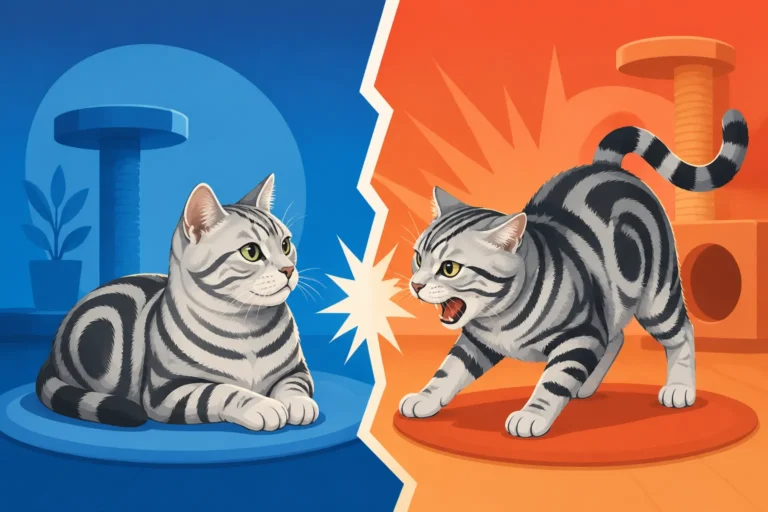
Unlike some breeds that might exhibit more continuous, lower-level energy, American Shorthairs often follow a pattern of intense, focused bursts of activity followed by periods of rest or quiet observation. This mirrors their hunting instincts: a sudden, explosive chase, a successful "capture" of a toy, and then a cool-down period. They might be still for a while, seemingly dormant, only to suddenly spring into action for another "hunt" after a quick recharge.
These bursts can be quite energetic – a sudden sprint down the hallway, a dramatic pounce on a crinkly ball, or an agile climb up a cat tree. It's not a constant, demanding energy, but rather an efficient use of their retained power. Understanding this rhythm helps owners provide appropriate play opportunities without feeling overwhelmed. Think of it as several short, engaging "hunting trips" throughout the day, rather than one long, exhausting marathon.
Individual Variations and Age Factors
While the breed generally retains a strong working drive, it's crucial to remember that every cat is an individual. Some American Shorthairs will be more overtly playful and active, while others might be more subtle in their demonstrations of energy, preferring quiet observation and strategic play. Factors like personality, early socialization, and even diet can influence how much energy a particular cat displays.
Age, of course, also plays a significant role. American Shorthair kittens are, predictably, bundles of boundless energy, constantly exploring and playing. As they mature, their energy often becomes more refined and purposeful. By the time they reach senior status, often around 12 years old, their energy levels will naturally wane, though many still retain a surprising zest for life and play well into their golden years. A good resource for understanding this transition is The Age an American Shorthair Settles Down. Even when they are older, the hunting instinct often remains, albeit in a gentler form, as discussed in Whether an Older American Shorthair Still Hunts.
Channeling That Working Drive: Enrichment for Your American Shorthair
Since their innate drive is still very much alive, providing appropriate outlets for their energy is key to a happy, healthy American Shorthair. Without it, that inherent purpose can lead to boredom and undesirable behaviors.
Mimicking the Hunt: The Power of Play
The most effective way to engage your American Shorthair's retained working energy is through play that simulates the hunting experience. Interactive wand toys, for instance, are invaluable. They allow you to mimic the erratic movements of prey – darting, hiding, and pausing – which deeply satisfies their stalking instincts. The key is to let them "catch" the toy at the end of a session, completing the predatory sequence and providing that all-important sense of accomplishment. Without the catch, a cat can become frustrated, as you might find when playing with a laser pointer.
Rotate their toys regularly to keep things fresh and exciting. A toy that's been put away for a few weeks can feel brand new and spark renewed interest. Consider toys that encourage pouncing, batting, and carrying, mimicking different stages of a hunt. You can find a fantastic selection of durable and engaging cat toys on sites like Amazon, from feather wands to crinkle balls and plush mice. Just remember, quality interactive play is about engagement and satisfaction, not just endless chasing. For tips on what toys to choose, consider Which Wand Toy Reads as Prey to an American Shorthair.
Vertical and Territorial Exploration
American Shorthairs are natural explorers and surveyors of their territory. In the absence of wide-open spaces, vertical territory becomes incredibly important. Providing cat trees, wall-mounted shelves, or even just clear spaces on top of bookcases allows them to climb, perch, and observe their domain from a safe vantage point. This fulfills their instinct to patrol and assess their surroundings, giving them a sense of control and security.
A multi-level cat tree, especially one with sturdy scratching posts, can be a central hub for their activities. It offers opportunities for climbing, napping, and surveying the "landscape" of your living room. Think about strategically placing these vertical spaces near windows, allowing them to watch outdoor activity – a prime form of mental enrichment. Remember that they are well-muscled cats, so ensuring the cat furniture is stable and robust is important. More on this topic can be found in How Much Vertical Space an American Shorthair Needs.
Food as a Form of Enrichment
Feeding time doesn't have to be a simple transaction; it can be another opportunity to engage their working drive. In the wild, cats expend significant energy to find and secure their meals. We can replicate some of that by making them "work" for their food. Puzzle feeders are an excellent tool for this, requiring your American Shorthair to use their paws and wits to extract kibble or treats. This slows down eating, prevents boredom, and taps into their foraging instincts.
Another technique is to hide small portions of their daily food allowance around the house, encouraging them to "hunt" for it. Place kibble in different rooms, on low shelves, or inside safe, open containers. This turns mealtime into an engaging mental and physical activity, reinforcing their natural drive to seek out resources. It’s a subtle but powerful way of honoring their heritage, and you can learn more about this in Making an American Shorthair Work for Its Dinner Again.
Preventing Boredom and Behavioral Issues
An American Shorthair with a wealth of untapped working energy can quickly become a bored, and potentially problematic, cat. Recognizing and addressing this need is crucial for their well-being and your peace of mind.
The Risks of an Under-Stimulated American Shorthair
When an American Shorthair's inherent drive for activity and mental engagement isn't met, that energy has to go somewhere. This often manifests in behaviors we deem "naughty" or destructive. You might find them scratching furniture excessively, not out of malice, but because they need to condition their claws and mark territory in the absence of suitable scratching surfaces. They might jump on counters or explore areas you'd rather they didn't, simply because their curious minds are seeking novelty and challenge.
Some might become overly vocal or demand attention in ways that can be disruptive, essentially trying to tell you, "I'm bored!" Others might develop anxiety, leading to withdrawn behavior or even inappropriate urination. Remember, these cats were designed to be active and resourceful. Denying them outlets for this fundamental aspect of their nature isn't fair and often leads to a less harmonious household. Understanding their inherent instincts, such as their mouser's instinct, can shed light on these behaviors. For more details, see What an Indoor American Shorthair Does With a Mouser's Instinct.
Creating a Dynamic Indoor Environment
The good news is that preventing boredom in an American Shorthair is entirely achievable by creating an enriching indoor environment. This goes beyond just toys; it's about structuring their space to cater to their natural instincts.
- Window Perches: Give them access to windows where they can observe the outside world. This "cat TV" can provide hours of mental stimulation as they watch birds, squirrels, and passersby.
- Safe Outdoor Access: If possible, consider a "catio" (an enclosed outdoor patio for cats) or a securely fenced yard. This allows them to experience fresh air and the sights and sounds of nature in a safe way, fulfilling some of their exploratory urges without the dangers of free-roaming.
- Regular Interaction: Beyond structured playtime, simply engaging with your American Shorthair throughout the day can make a big difference. Talk to them, offer a gentle pet, or invite them to follow you from room to room. Their self-sufficient nature doesn't mean they don't value your presence and attention.
- Variety in Toys and Scents: Rotate toys regularly. Introduce new scents safely, like a catnip-infused toy or a piece of cardboard from a new package. You can find a vast array of stimulating cat furniture and accessories on Amazon to help make your home a truly engaging environment for your American Shorthair.
Balancing Activity with Rest: A Healthy American Shorthair Lifestyle
Even the most active working cat knows the value of rest and recovery. For your American Shorthair, finding the right balance between play and relaxation is crucial for their overall health and well-being.
The Importance of Structured Downtime
Just as their ancestors would have rested after a successful hunt, your American Shorthair needs predictable periods of calm and quiet. While they are self-sufficient, a chaotic environment with constant stimulation can be stressful. Providing comfortable, safe sleeping spots – whether it's a cozy bed, a high perch, or a quiet corner – allows them to fully recharge.
Observe your cat's cues. Are they retreating to a quiet spot? Are their eyes half-closed? These are signs they need undisturbed rest. Respecting their need for downtime ensures they don't become overstimulated or stressed. This balance is especially important if you have a multi-pet household or young children; ensure your American Shorthair has a sanctuary where they can retreat and relax without interruption.
Monitoring Energy for Health Indicators
An American Shorthair's energy level is also a vital indicator of their health. A sudden, significant drop in activity, an unwillingness to play, or an unusual lethargy can be a red flag. Conversely, an unexplained increase in restless energy or agitation might also signal an underlying issue.
Regular veterinary check-ups are essential for catching any health concerns early, even in a robust breed like the American Shorthair. Your vet can assess their overall condition, discuss any changes in behavior or energy, and recommend appropriate care. Don't dismiss a noticeable change in your cat's energy as "just getting older" without a professional opinion. For more on preventative care, consider How Regularly a Healthy American Shorthair Still Needs Checking. If you notice your American Shorthair becoming withdrawn, it's always best to consult with your vet, as detailed in Why a Withdrawn American Shorthair Should See a Vet.
American Shorthair Energy Traits and Enrichment Guide
To summarize how to best cater to your American Shorthair's intrinsic energy, here's a helpful guide:
| Energy Trait | Ancestral Purpose | Modern Manifestation | Recommended Enrichment Activities |
|---|---|---|---|
| Hunting Drive | Catching prey for survival | Stalking toys, chasing, pouncing | Wand toys, feather teasers, small plush toys for "killing" |
| Patrolling Instinct | Surveying territory, identifying threats | Exploring house, climbing, observing from high spots | Cat trees, wall shelves, window perches, regular access to all rooms |
| Problem-Solving | Outsmarting prey, finding resources | Opening cabinets, curiosity, learning routines | Puzzle feeders, treat-dispensing toys, hiding food |
| Physical Stamina | Sustained effort in chasing and securing prey | Bursts of energetic play, agile movements | Interactive play sessions (10-15 mins, several times a day) |
| Self-Sufficiency | Surviving independently in challenging environments | Calm demeanor, coping well with alone time | Varied environment, rotating toys, access to food/water/litter |
Remember, your American Shorthair isn't just a pretty face; they are a living testament to centuries of working cat heritage. By understanding and embracing their innate energy and drive, you can provide an enriching life that honors their history and fosters a deep, rewarding bond between you both.
Disclaimer
This article is for general informational purposes only and does not constitute professional advice. Laws, prices and regulations vary by location and change over time. Consult a qualified professional for guidance on your specific situation.