Why an American Shorthair Presents Its Kill
It's certainly a… unique experience, isn't it? Waking up to a cold, deceased mouse (or, if you’re "lucky," a still-twitching one!) placed proudly on your pillow or right at your feet. For many American Shorthair owners, this is a recurring, if somewhat unsettling, ritual. This guide will delve deep into the fascinating, ancient instincts that drive your otherwise placid American Shorthair to present you with their "kills," whether they're genuine outdoor trophies or indoor toys.
The Deep Roots of the Hunting Instinct in American Shorthairs
The American Shorthair, with its sturdy build and calm demeanor, might seem like the quintessential house cat. But beneath that plush exterior lies a deeply ingrained history of survival, a past where their very existence depended on their ability to hunt. This isn't a frivolous pastime; it's a fundamental part of who they are, woven into their genetic fabric over centuries.
A Legacy of Self-Sufficiency and Survival
Think about where the American Shorthair came from. These weren't pampered pets for generations. Their ancestors were the ultimate working cats, earning their keep on ships sailing to the New World, on farms guarding grain stores, and in homesteads protecting against rodents. Life was tough, and no one was providing them with a pre-filled bowl of kibble. Their meals were whatever they could catch. This is a crucial distinction from many modern breeds that have been selectively bred for appearance or temperament over generations, often diluting their primal drives.
The American Shorthair, however, remained rooted in its utilitarian origins for a very long time. They were valued for their pest control abilities, and the best hunters were the ones that survived and thrived. This means that the skills of stalking, pouncing, and killing were not just desirable traits; they were essential for their survival and were naturally selected for. When you look at your American Shorthair, you're seeing a direct descendant of those incredibly efficient, self-sufficient cats. This incredible lineage is part of The Mayflower Cats Behind the American Shorthair and certainly highlights How Farm Work Shaped the American Shorthair. Even if your cat has never seen a live mouse in its life, that primal urge is still very much alive and well within them, a silent echo of their ancestors' daily grind.
The Unbreakable Hunt Sequence
Cats, including our beloved American Shorthairs, are obligate carnivores and expert predators. Their hunting behavior isn't just a single action; it's a complex, hardwired sequence of events that unfolds regardless of hunger. This sequence typically involves:
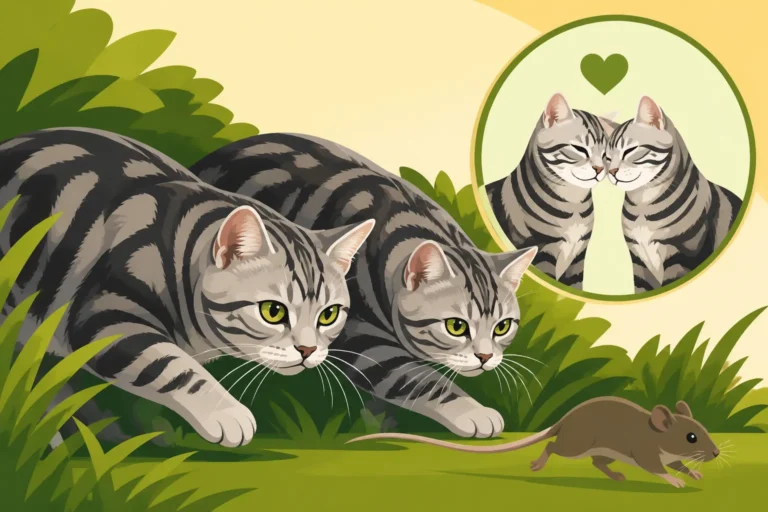
- Stalking: Slowly, silently approaching prey, using cover, and focusing intently. Their entire body language shifts, becoming low and coiled.
- Pouncing/Chasing: A sudden burst of speed, leaping onto the prey, or a quick, agile chase.
- Killing Bite: Delivering the killing bite, often to the neck, which severs the spinal cord.
- Playing/Manipulating: Sometimes, especially with live prey, there’s a period of "play," which can seem cruel to us but is essentially practice, ensuring the prey is incapacitated before consumption.
- Consuming: Eating the prey.
The key thing to understand is that each step of this sequence is intrinsically rewarding for a cat. Even if your American Shorthair isn't hungry, successfully completing the first four steps provides a huge dopamine hit. This is why a well-fed indoor cat will still obsessively chase a laser pointer or "kill" a toy mouse. The hunt itself is the reward, and the satisfaction isn't always tied to the final meal. For a deeper dive into this, consider How an American Shorthair Hunts. If they manage to catch a real creature, whether it's an unfortunate insect or a backyard rodent, they've completed the full, natural cycle, and that feeling of accomplishment is profound.
Why Your American Shorthair Brings Home "Gifts"
So, if they're such efficient hunters, why don't they just eat their catch quietly in a corner? This is where the fascinating social dynamics and learned behaviors of cats come into play, specifically when they interact with their human "colony." It might feel like a macabre offering, but from their perspective, it's often a gesture of deep significance.
Sharing the Bounty with the Colony (You!)
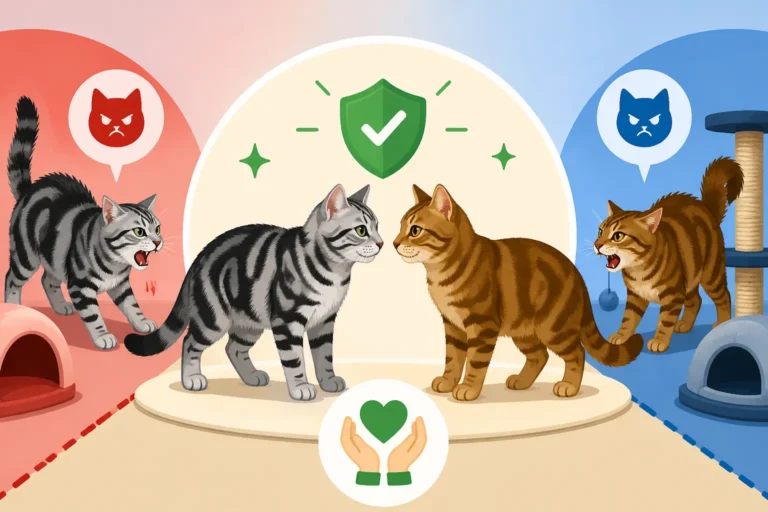
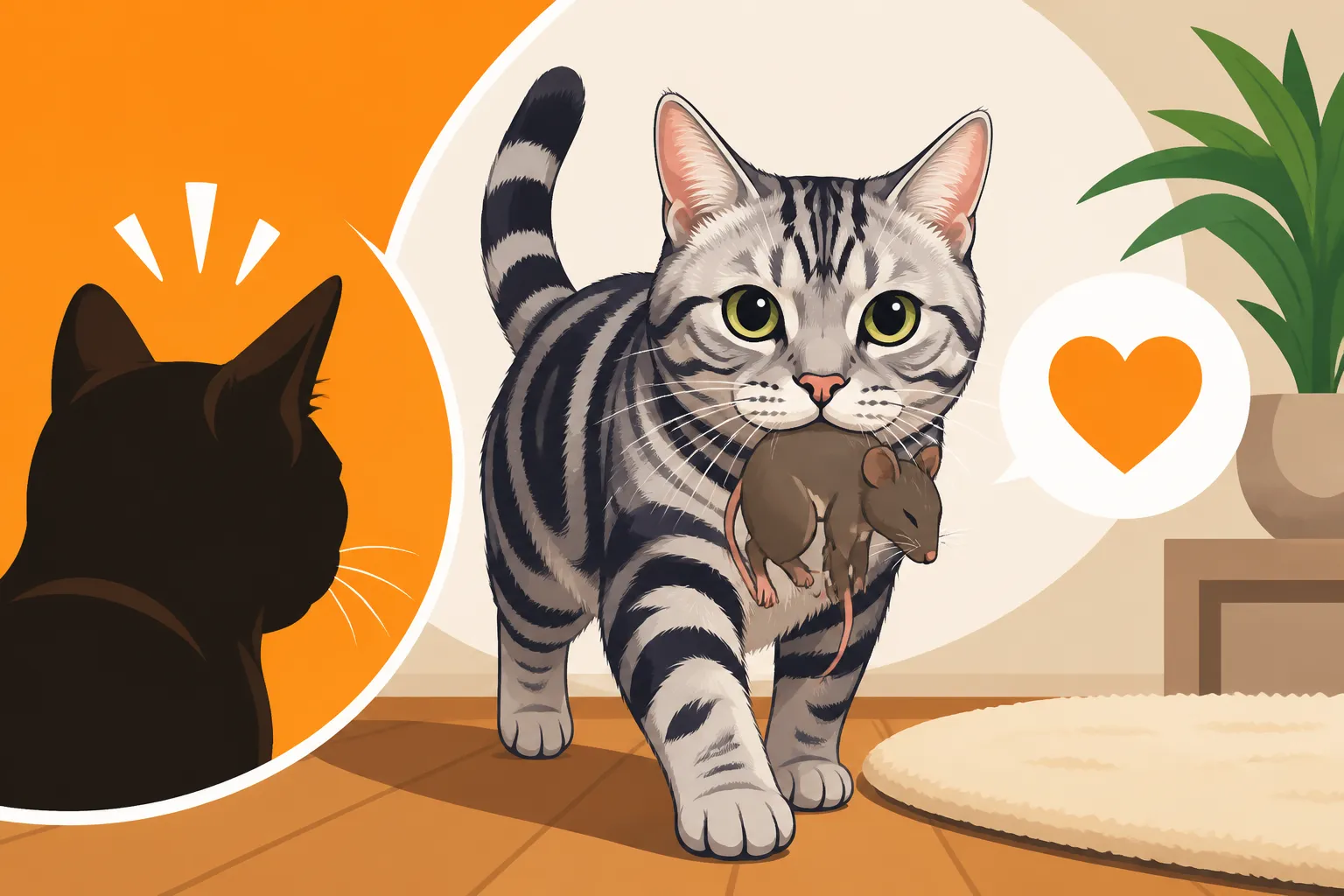
From your American Shorthair’s point of view, you are part of their social group, their colony. In the wild, or even in a feral cat community, successful hunters will sometimes bring food back to the den, especially for less capable or younger members of the group. If your American Shorthair sees you as a crucial, but perhaps slightly inept, member of their "colony" – one who clearly doesn't hunt for themselves (you just open cans, after all!) – then bringing you a "gift" of prey makes perfect sense to them.
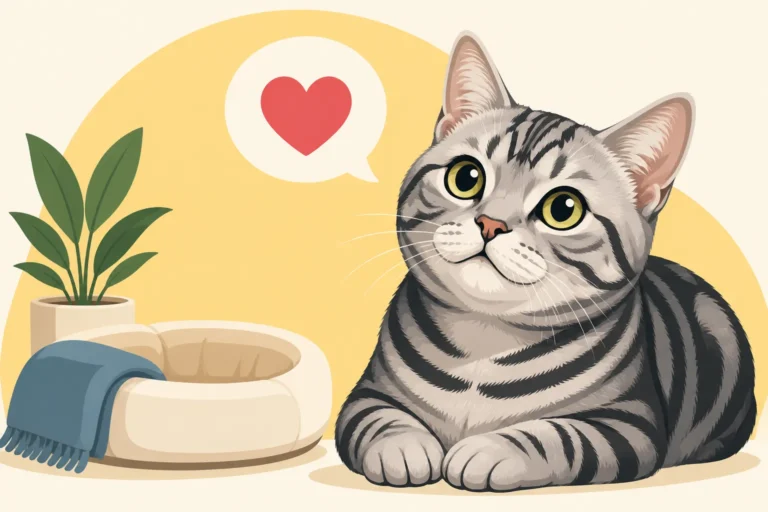
They’re essentially saying, "Look what I caught! I'm providing for the family, and here's some dinner for you since you clearly aren't going to get any on your own." It's a deeply ingrained social behavior, a remnant of their communal instincts. They see you as family, and sharing resources is what family does. It’s their way of contributing to the household economy, even if your personal preference is for something from the grocery store. This behavior underscores a powerful bond and trust that your American Shorthair feels towards you, seeing you not just as a provider of shelter and pets, but as an integral part of their chosen group.
A Teaching Moment, Even for Humans
Another compelling theory behind the "gift-giving" behavior stems from the way mother cats teach their kittens to hunt. A queen will often bring dead or injured prey back to her nest, allowing her kittens to practice their hunting skills on the incapacitated animal. As the kittens grow older and more proficient, she might bring back live prey, gradually giving them more challenging scenarios to master the art of the kill. For insights into this developmental aspect, you might want to read How an American Shorthair Kitten Learns to Hunt.
Now, consider your American Shorthair looking at you. You’re a big, clumsy, fur-less creature who somehow manages to survive without ever bringing down a bird or a rodent. From their perspective, you clearly need help! By bringing you a piece of their successful hunt, especially if it’s still alive or partially alive, they might be attempting to teach you. They're demonstrating how it's done, hoping you'll pick up some valuable survival skills. It's a bit like a proud child showing their parent a drawing, expecting praise and perhaps some guidance. They’re nurturing you in the way they know best, ensuring that their clumsy human is as well-equipped for survival as they are.
Understanding the Psychological Drive Behind the Offering
Beyond the social and pedagogical aspects, there's a profound psychological component to why an American Shorthair presents its kill. It’s about more than just food; it’s about their identity, their role, and their relationship with you. This offering is a declaration of their competence and a bid for your acknowledgement.
Validating Their Hunting Prowess
Imagine being exceptionally good at something, something that defines a core part of your being. For an American Shorthair, that something is hunting. When they successfully stalk, capture, and "kill" prey, whether real or imagined, they are fulfilling a deep, instinctive drive. Bringing that prey to you is a way for them to show off, to seek validation for their skills. They're not just presenting a dead animal; they're presenting proof of their prowess.
You might notice a distinct change in their demeanor when they bring a "gift." They often carry it with a certain pride, a focused intensity in their eyes. They might make a specific vocalization – a distinct purr, a meow, or a chirp – that signals their achievement. This isn't just random cat behavior; it's a moment of significant self-expression for them. Your reaction, whether you acknowledge it or not, plays a role in how they perceive their own accomplishment. They've done what their ancestors did for centuries, kept the homestead safe, and now they expect you to recognize their effort.
Seeking Your Approval and Participation
When your American Shorthair drops a "trophy" at your feet, they are looking for a reaction. It's a moment of connection, albeit a primal one. They might be seeking your approval, a verbal affirmation, or even a shared moment of triumph. In some cases, they might even be inviting you to "participate" in the kill, perhaps by batting the toy around or observing them closely.
It's crucial to remember that they interpret your reactions differently than you might intend. Scolding or showing disgust can be confusing and even hurtful to them. They've just completed a highly successful and instinctually rewarding task, and they're bringing the fruits of their labor to someone they care about. A negative reaction from you might be interpreted as a rejection of their efforts, or even of them as a provider. Instead, they’re hoping you’ll see their skill and perhaps even engage with them in the moment, appreciating their "contribution" to the household.
Managing the "Gifts" and Redirecting Hunting Instincts
While it's important to understand the biological and psychological reasons behind this behavior, dealing with real prey brought into your home can be messy and sometimes disturbing. The good news is that you can manage the situation and redirect your American Shorthair's hunting instincts in ways that are healthier and more agreeable for both of you.
Appropriate Responses to a Live or Deceased Catch
The absolute worst thing you can do when your American Shorthair presents you with a real kill is to scold or punish them. They simply won't understand why you're angry. From their perspective, they've done something commendable. Yelling, shooing them away, or showing disgust will only confuse them and could potentially damage your bond. Instead of discouraging the behavior, it might just teach them to bring their trophies to you when you're not looking, or to hide their catches.
Here's a better approach:
- Remain Calm: Take a deep breath. Your cat doesn't mean to upset you.
- Handle with Care (and Gloves!): If it's deceased prey, put on gloves, commend your cat gently ("Good hunter!"), and then discreetly dispose of the animal. If it’s live prey (like a mouse or bird), the situation is a bit more urgent. Try to trap it under a box or container, slide a piece of cardboard underneath, and release it outdoors as far away from your house as possible. You can then clean up any mess your cat made.
- Redirect Immediately: After handling the situation, immediately engage your American Shorthair in a play session with an appropriate toy. This helps channel their hunting drive into a positive outlet, essentially rewarding them for engaging in "simulated" hunting with you, rather than real hunting. For more details on interacting with your cat's catches, see How to React When an American Shorthair Brings You Something.
Enrichment to Satisfy the Inner Hunter
The key to reducing unwanted live "gifts" is to provide ample opportunities for your American Shorthair to express their hunting instincts safely and constructively indoors. They need to fulfill that instinctual sequence of stalking, pouncing, catching, and "killing" with appropriate prey.
- Interactive Play: This is paramount. Use wand toys, feather wands, or fishing pole toys that mimic the erratic movements of real prey. Engage them in multiple short, intense play sessions throughout the day, especially around dusk and dawn when their natural hunting drive is highest. These toys can often be found readily on platforms like Amazon, offering a wide variety to keep things interesting. Make sure your cat gets to "catch" and "kill" the toy at the end of each session to complete the hunt sequence.
- Puzzle Feeders: These ingenious devices make your cat work for their food, replicating the effort of a hunt. Instead of simply eating from a bowl, they have to manipulate the feeder to release treats or kibble. This taps into their problem-solving and foraging instincts.
- Hidden Treats/Food: Scatter small portions of their daily food ration around the house, encouraging them to "hunt" for their meals. This transforms mealtime into an engaging mental and physical activity.
- Cat Trees and High Perches: Providing vertical space allows your American Shorthair to survey their "territory" from above, a natural behavior for a predator. This enriches their environment and gives them places to observe potential "prey" (like you walking by!).
By consistently providing these types of enrichment, you're giving your American Shorthair healthy and safe outlets for their powerful hunting drive, which can significantly reduce their need to bring you real, live prey. Consider How Many Hunts a Day an Indoor American Shorthair Needs to help gauge how much play is appropriate.
| Motivation for Presenting Kill | Human Interpretation (Often Misunderstood) | Appropriate Human Response |
|---|---|---|
| Sharing the Bounty | "Gross! Why is this here?" | "Good hunter!" (Calmly), discreetly dispose of item. |
| Teaching Hunting Skills | "Is it alive? Oh no!" | "You're so smart!" (Calmly), redirect to toy play. |
| Seeking Validation/Approval | "Why are you looking at me like that?" | Positive affirmation, gentle praise, then offer an interactive toy. |
| Fulfilling Instinctual Drive | "This is disturbing me." | Provide rich indoor enrichment and interactive play sessions. |
The Indoor Hunter: When Toys Become "Prey"
For many indoor-only American Shorthairs, real prey is simply not an option. Yet, their instincts remain. In this scenario, their innate hunting drive often redirects towards household items and toys, turning everyday objects into substitutes for the genuine article. This adaptation is a testament to their deep-seated predatory nature.
The Transition from Live Prey to Household Items
An American Shorthair doesn't distinguish between a live mouse and a crinkly ball in the same way we do. To them, anything that moves unpredictably, makes interesting sounds, or can be batted around and "captured" can become prey. This is why you might find your cat proudly presenting you with a hair tie, a crumpled receipt, or a toy mouse they’ve "killed" multiple times already. These items, once subjected to the full hunt sequence (stalk, pounce, kill), provide the same intrinsic satisfaction as a real catch.
This redirection is a coping mechanism, a way for your indoor American Shorthair to fulfill its biological mandate in an environment devoid of its natural targets. They're not "playing pretend"; they are genuinely exercising their predatory skills on the available objects. They might hide these "kills" under furniture, carry them from room to room with purpose, or bring them directly to you. It's a clear indication that even without access to the outdoors, the core hunting drive within them is powerful and requires an outlet.
Encouraging Positive "Bringing" Behavior
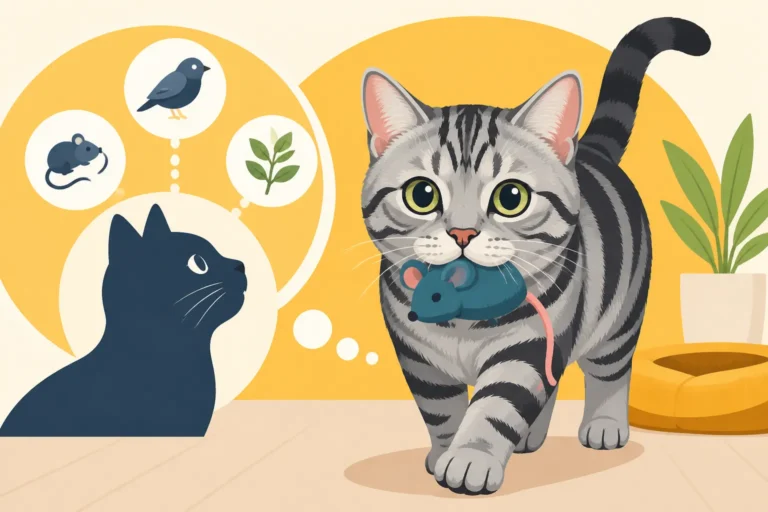
Understanding this behavior means you can actively encourage a positive version of "presenting the kill." Instead of being greeted by unwelcome creatures, imagine your American Shorthair bringing you their favorite toy mouse, dropping it at your feet, and looking up at you expectantly. This is a common and adorable behavior that many cats, especially intelligent breeds like the American Shorthair, can be encouraged to do.
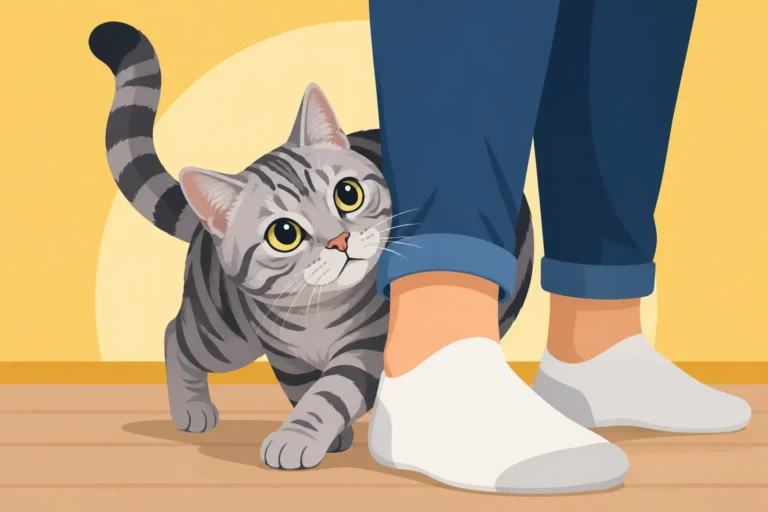
You can foster this behavior by making a big deal out of it when they bring a toy. When they drop a toy near you, offer immediate praise, a gentle pat, or even a small treat. Then, engage them in a short play session with that very toy. This reinforces the idea that bringing you acceptable "prey" leads to positive interaction and further hunting opportunities. You can find excellent retrieving toys on Amazon that are designed to be easily carried and presented. This transforms the primal urge into a fun, interactive game that strengthens your bond and provides mental and physical stimulation. This practice can also make them more receptive to interactive tools like Whether a Puzzle Feeder Satisfies an American Shorthair. It's a beautiful way to honor their instincts while keeping your home free of actual rodents.
Disclaimer
This article is for general informational purposes only and does not constitute professional advice. Laws, prices and regulations vary by location and change over time. Consult a qualified professional for guidance on your specific situation.