Why Owners Give Up an American Shorthair
It's heartbreaking to imagine any beloved pet ending up in a shelter, and for American Shorthair owners, the decision to rehome can be especially confusing and guilt-ridden. Often, it's not a lack of love, but a complex web of unforeseen circumstances, unmet expectations, or evolving life situations that lead people to this difficult choice. This guide delves into the common reasons why owners sometimes find themselves in the painful position of giving up an American Shorthair, offering a realistic look at the challenges that can arise.
Unrealistic Expectations and the "Shelter Cat" Misconception
When someone decides to bring an American Shorthair into their home, they often do so with a picture in their mind – a calm, sturdy, friendly cat. And while American Shorthairs absolutely embody these wonderful traits, sometimes that picture is based on assumptions rather than a deep understanding of the breed's unique needs and history. This gap between expectation and reality can become a significant point of friction.
The Lure of the "Easy" Pedigree
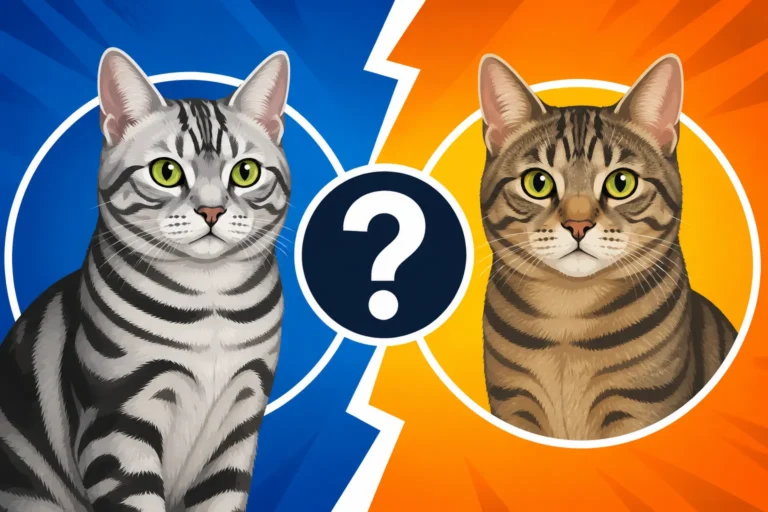
Many prospective owners are drawn to the American Shorthair because, outwardly, they resemble the beloved "domestic shorthairs" or "alley cats" we see everywhere. They don't have the extreme features or delicate coats of some other pedigrees, making them seem like a safe, low-maintenance choice. People might think they're essentially getting a "better version" of a regular cat, one that comes with a pedigree guarantee of health and temperament, but without the "fuss" of a more exotic breed. This leads to the misconception that owning an American Shorthair will be inherently easier, or cheaper, than owning, say, a Persian or a Sphynx. They see a familiar face and assume a familiar, undemanding lifestyle.
What they might not fully grasp is that while genetically robust, the American Shorthair is a pedigree, bred to a specific standard, and comes with certain characteristics that, if not understood, can be surprising. Owners might find themselves wondering why their "easy" cat still has distinct personality quirks or needs that a random-bred cat might not exhibit so consistently. It’s important to remember that What an American Shorthair Looks Like by the Standard provides a blueprint for the breed, defining qualities that extend beyond just physical appearance.
Misunderstanding the Working Cat Instinct
Centuries ago, the ancestors of the American Shorthair were invaluable working cats, keeping rodent populations under control on farms and ships. This strong, inherent hunting drive isn't just a quaint historical fact; it's a fundamental part of their DNA. Even if your American Shorthair has never seen a mouse in its life, that instinct is still there, simmering just below the surface. Owners who expect a purely decorative, lap-sitting cat might be caught off guard by their American Shorthair's need for play that mimics hunting.
If this innate drive isn't given an appropriate outlet, it doesn't just disappear. It can manifest in ways that some owners find frustrating, like stalking and pouncing on feet, "hunting" other pets, or even becoming restless and destructive. Without proper enrichment, an American Shorthair isn't truly thriving. They need opportunities to "hunt" through interactive play, puzzle feeders, and vertical spaces that allow them to survey their "territory." Many owners struggle to integrate this into a busy modern lifestyle, leading to misunderstandings about the cat's behavior.
Unexpected Costs and Financial Strain
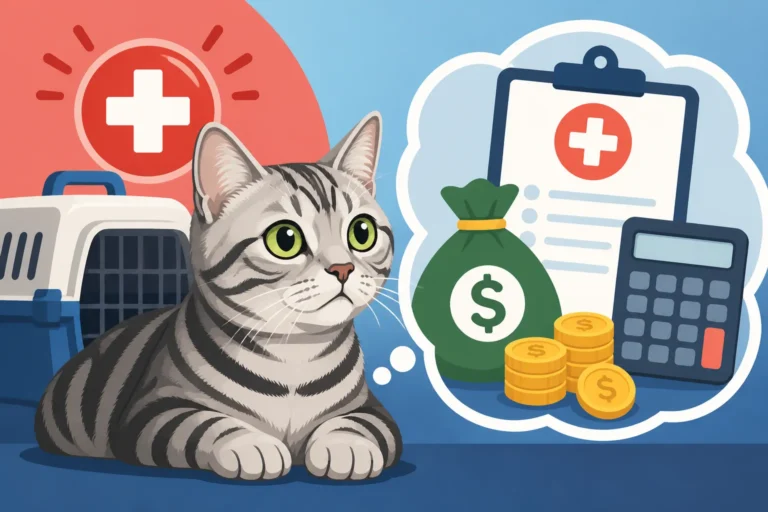
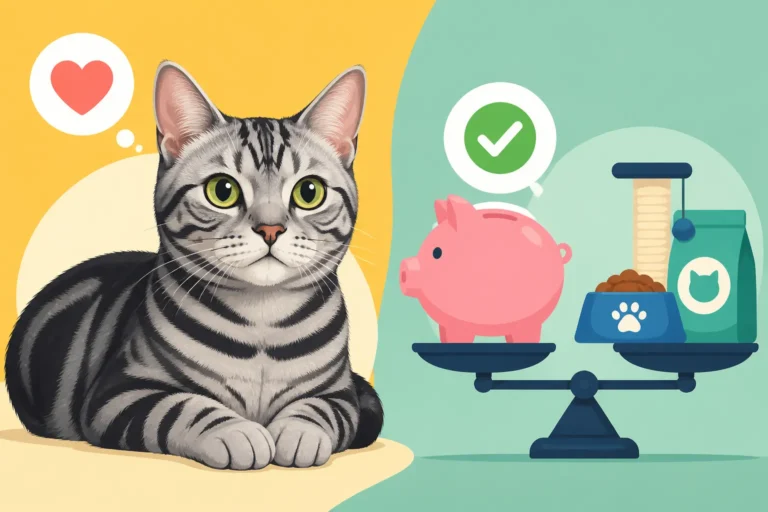
One of the biggest, and often most overlooked, reasons owners give up any pet, including an American Shorthair, is the sheer financial commitment. It's easy to focus on the initial purchase price of a kitten, but the lifetime costs of care can be substantial and can catch even well-meaning owners off guard.
Beyond the Purchase Price: Routine Vet Care
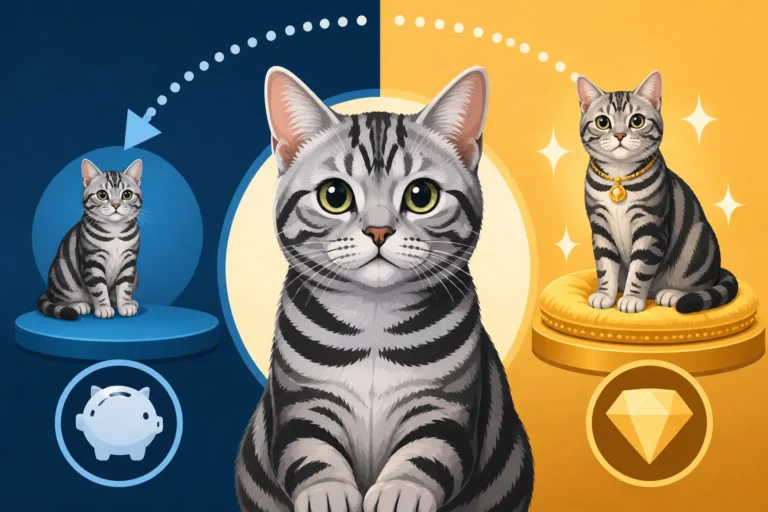
While American Shorthairs are generally considered a healthy breed with a robust constitution, "healthy" doesn't mean "cost-free." Just like us, they need regular preventative care to stay in tip-top shape. This includes routine veterinary check-ups, vaccinations, parasite prevention, and dental cleanings. These routine visits, while essential, add up over a cat's long lifespan. Many owners might budget for the initial What an American Shorthair's First Year Against a Shelter Adoption costs, but fail to account for the ongoing yearly expenses.
Even something as basic as a yearly check-up can reveal minor issues that require further investigation or medication. For example, while the American Shorthair is known for its health, HCM Is the One Inherited Disease the American Shorthair Kept, and regular heart screenings might be recommended, particularly for breeding lines. This preventative care is an investment in their long-term well-being, but it's a consistent expense that some owners aren't prepared for. Pet insurance, like that offered by Healthy Paws, can certainly help buffer against unexpected costs, but it's another monthly outgoing that needs to be factored into the budget.
The Hidden Expenses of Health Issues
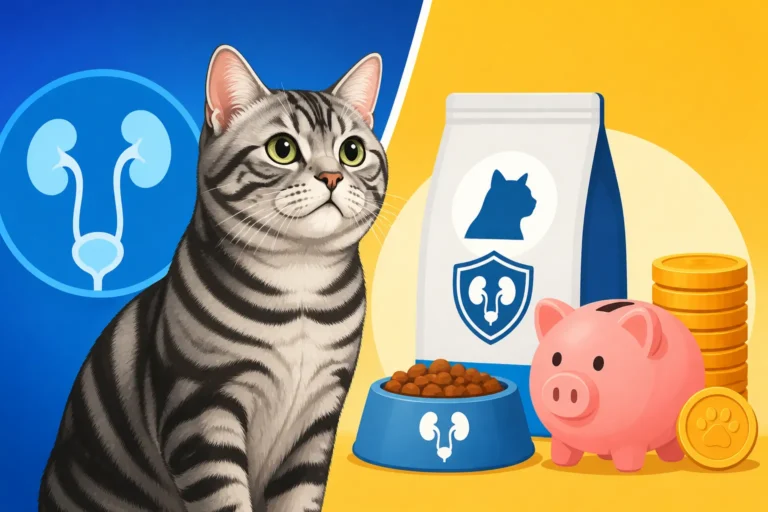
Even with excellent preventative care, pets get sick or injured. American Shorthairs are celebrated for their longevity, often living 15 to 20 years, but these later years frequently come with increased veterinary expenses. As they age, conditions like arthritis, kidney disease, hyperthyroidism, or dental issues become more prevalent. A cat that stops jumping to the counter, for example, could be showing early signs of joint pain. Why an American Shorthair Stops Jumping to the Counter might seem like a minor behavioral change, but it's often a sign of underlying discomfort that requires veterinary attention and potentially ongoing medication.
These unexpected illnesses or accidents can lead to emergency vet visits, diagnostic tests, medications, and specialized diets that quickly escalate into hundreds or thousands of dollars. An owner might have been able to comfortably afford their cat's care when it was young and healthy, but a serious illness later in life can create an immense financial burden. When faced with the choice between expensive treatment they can't afford and letting their beloved cat suffer, the heartbreaking decision to rehome, or even surrender, sometimes feels like the only option. What an American Shorthair Pedigree Predicts About Health can offer some peace of mind, but no cat comes with a lifetime guarantee against all ailments.
Here's a quick look at how costs can vary over a cat's life:
| Category | Young Adult (1-8 years) | Senior (9+ years) | Potential Costs |
|---|---|---|---|
| Routine Vet Care | Annual check-ups, vaccines | 2x annual check-ups, bloodwork | Examinations, boosters, deworming, dental scaling |
| Diet | Standard high-quality cat food | Senior/prescription diet | Specialized wet or dry food, supplements |
| Medication | Flea/tick/heartworm prevention | Joint supplements, thyroid meds, kidney support | Pain relief, insulin, cardiac drugs |
| Emergency Fund | Recommended | More likely to be accessed | Accidents, sudden illnesses, acute conditions |
| Pet Insurance | Lower premiums | Higher premiums, pre-existing clauses | Monthly payments, deductibles, co-pays |
Lifestyle Changes and Compatibility Challenges
Life happens, and sometimes our circumstances change in ways we never anticipated when we first welcomed our American Shorthair home. What once was a perfect fit can become a challenging situation, leading to difficult choices about our furry family members.
Major Life Events and Pet Care
Few of us can predict every twist and turn our lives will take. A new job with longer hours, a sudden relocation to a "no pets allowed" apartment, the arrival of a new baby, or a significant change in financial stability can drastically alter an owner's capacity to care for their American Shorthair. For instance, if you suddenly have to move from a spacious home to a smaller apartment, you might worry if it provides enough "territory" for your cat. While American Shorthairs are generally adaptable, they still require adequate space and mental stimulation.
The addition of new family members, be it a human baby or another pet, can also create unforeseen dynamics. While American Shorthairs are often known for their placid temperament and ability to integrate well into various households, even a generally calm cat can become stressed if its routine is disrupted or if it feels its resources (like attention, food, or quiet spaces) are threatened. An American Shorthair Asks You for Almost Nothing, which means their distress might be subtle and go unnoticed until it escalates into behavioral problems, leaving owners feeling overwhelmed and unsure how to resolve the situation.
Behavior Issues Stemming from Lack of Enrichment
Despite their easygoing reputation, American Shorthairs are intelligent, active cats with a strong prey drive. When their environment doesn't offer enough mental and physical stimulation, they can develop behavioral issues that are frustrating for owners. These aren't "bad" cats; they are simply expressing unmet needs. A cat that's constantly scratching furniture might not be malicious; it might lack appropriate scratching posts that satisfy its natural urge to climb and condition its claws. A cat that's constantly "counter surfing" might be bored, underfed, or simply seeking out novel experiences that its indoor environment doesn't provide.
Leaving an American Shorthair alone for long stretches without interactive toys or puzzle feeders that engage their hunting instincts can lead to boredom, anxiety, and destructive habits. This is particularly true for a breed that historically had a “job,” and interactive toys and climbing structures can make a huge difference in managing their energy. However, if owners don't understand why their cat is behaving this way, they might mistakenly label the cat as “problematic,” leading them to consider rehoming. Understanding What an Indoor American Shorthair Does With a Mouser's Instinct is key to preventing these issues.
The Aging American Shorthair and End-of-Life Care
The American Shorthair's impressive lifespan, while a blessing, can also become a significant challenge for owners, particularly as their feline companions enter their golden years. The commitment stretches over many decades, and the demands of caring for a senior cat are often vastly different from those of a playful kitten or a robust adult.
The Reality of Senior Cat Care
When an American Shorthair passes the age of twelve, they are officially considered a senior cat, and their needs begin to shift considerably. Just like aging humans, older cats are more prone to a range of age-related health issues. We've touched on the financial strain already, but beyond the vet bills, there's a significant increase in the time and emotional energy required for care. Caring for an American Shorthair Past Twelve means more frequent vet visits for blood work to monitor kidney and thyroid function, more vigilance for subtle changes in behavior or appetite, and potentially administering daily medications.
An older American Shorthair might start to slow down, have difficulty grooming themselves, or experience changes in their sight or hearing. They might need ramps to get to favorite sleeping spots, softer food due to dental issues, or even assistance with litter box habits. This level of dedicated care can be overwhelming, especially for owners who are themselves aging, or whose own health or life circumstances have changed drastically since they first adopted their cat. It can be emotionally taxing to watch a vibrant companion decline, and the constant care can feel isolating.
The Weight of Responsibility: A Long Commitment
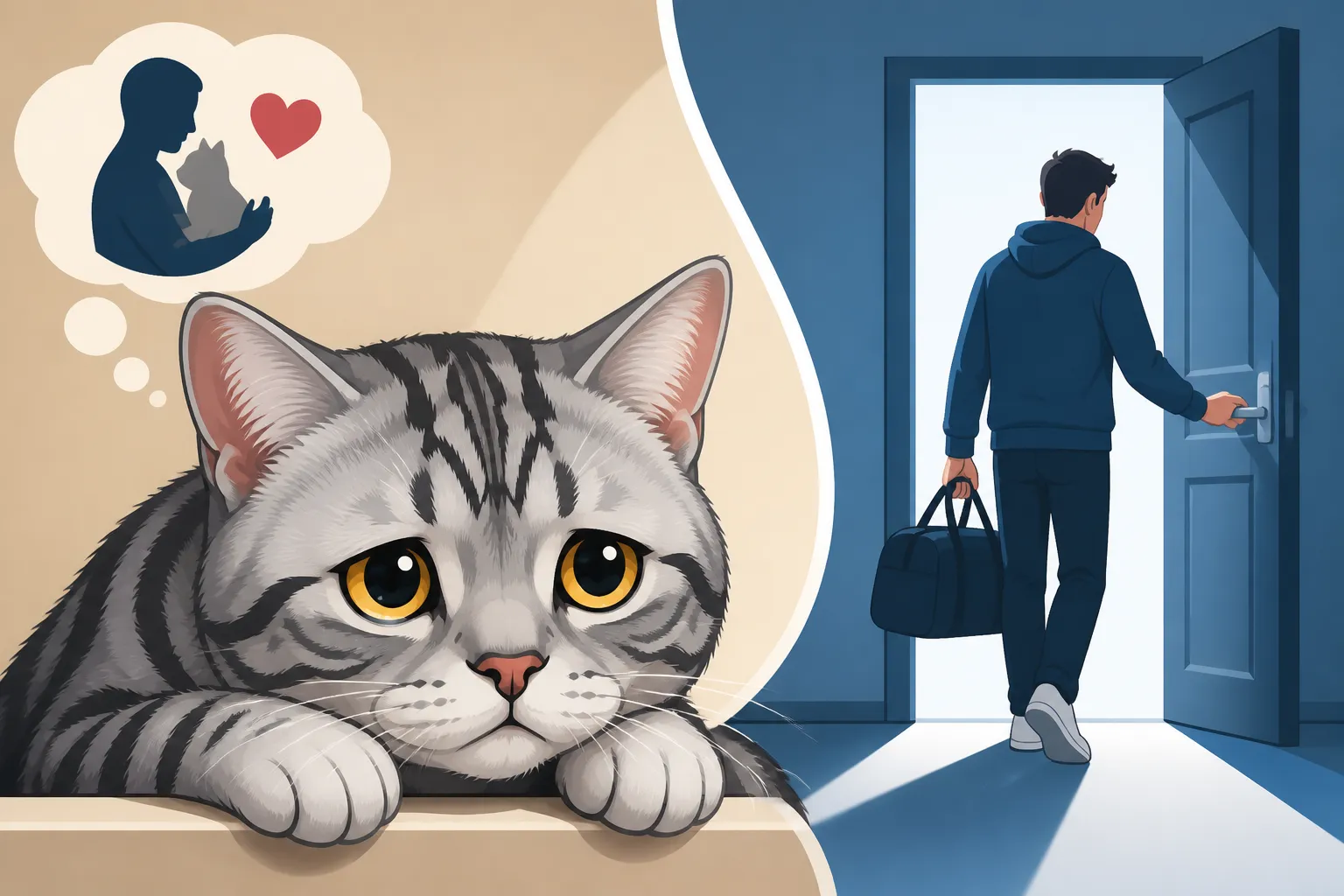
When you adopt an American Shorthair, you're not just signing up for a few years; you're often committing to a bond that can last two decades or more. This incredible longevity is one of the breed's strengths, but it also means the cat will likely see you through many different phases of your life: college, new jobs, marriage, children, career changes, and even retirement. The emotional and practical landscape of your life will undoubtedly change, and your American Shorthair will be there through it all.
This long-term commitment means being prepared for the possibility that your cat might outlive your ability to care for it, not necessarily due to a lack of love, but due to unforeseen personal hardships. Perhaps an owner faces their own serious health issues, a job loss, or needs to move into assisted living where pets aren't allowed. The profound responsibility of finding a new, loving home for a cat that has been a loyal companion for fifteen years can be one of the heaviest burdens an owner ever faces. How Long the American Shorthair Lives Against Other Pedigrees highlights this significant commitment, underscoring why thoughtful planning for their entire lifespan is so crucial.
Disclaimer
This article is for general informational purposes only and does not constitute professional advice. Laws, prices and regulations vary by location and change over time. Consult a qualified professional for guidance on your specific situation.