What Insulin Costs Once an American Shorthair Is Diabetic
Receiving a diagnosis of diabetes for your beloved American Shorthair can be incredibly unsettling. Beyond the emotional impact of knowing your feline friend faces a chronic health challenge, the immediate concern often turns to the practicalities: "What is this going to cost?" The financial aspect of managing a diabetic cat, particularly the ongoing expense of insulin, can feel daunting, adding another layer of stress to an already difficult situation. This guide aims to shed light on the various costs associated with keeping an American Shorthair diabetic cat healthy, with a particular focus on insulin, so you can feel more prepared and less overwhelmed by the journey ahead.
Understanding the Diabetes Diagnosis in Your American Shorthair
Discovering your American Shorthair has diabetes is a moment that can send any pet parent reeling. You might feel a mix of shock, guilt, and an overwhelming desire to do everything possible to help your cherished companion. This isn't just a simple illness; it's a chronic condition that requires daily management and a significant shift in your routine. For a breed like the American Shorthair, known for its robust health and relatively few inherited conditions, a diabetes diagnosis can be especially surprising, making you wonder what went wrong.
Diabetes mellitus in cats, much like in humans, is a condition where the body either doesn't produce enough insulin or can't effectively use the insulin it does produce. Insulin is vital for regulating blood sugar (glucose), which cells use for energy. Without proper insulin function, glucose builds up in the bloodstream, leading to a cascade of health issues. While genetics can play a role, lifestyle factors such as diet and inactivity, often leading to obesity, are significant contributors. An American Shorthair, naturally prone to a stocky build and possessing a healthy appetite from its working cat ancestry, can easily become overweight if its caloric intake isn't carefully managed, which can unfortunately How Weight Turns Into Diabetes in an American Shorthair. This makes them just as susceptible as any other cat to the disease if not properly cared for.
The Initial Shock and What It Means for Your Cat
The first few days or weeks after a diabetes diagnosis are often a whirlwind of information and adjustments. You're learning about insulin injections, diet changes, and the importance of monitoring your cat's behavior and energy levels. It’s natural to feel overwhelmed. Your American Shorthair, with its typically stoic nature, might have hidden the subtle signs of increased thirst, frequent urination, or unexplained weight loss for a while, making the diagnosis feel sudden. This breed is known for its quiet demeanor, so paying close attention to any changes, no matter how minor, is crucial. The good news is that with diligent care and the right treatment plan, many diabetic cats can live long, happy lives.
This initial period is all about stabilization. Your veterinarian will work with you to find the right type and dose of insulin and establish a feeding schedule that helps regulate your cat’s blood sugar. This requires patience and a commitment to consistency. It also involves a lot of communication with your vet, asking questions about everything from injection techniques to recognizing signs of complications. Remember, you're not alone in this; your vet is your partner in managing your American Shorthair’s new normal.
The First Steps: Diagnosis and Stabilization Costs
Before you even get to the ongoing cost of insulin, there are significant upfront expenses associated with diagnosing feline diabetes and getting your cat stabilized. It's not usually a "one and done" vet visit. The diagnostic process itself typically involves a thorough physical exam, multiple blood tests, and a urinalysis to confirm high blood glucose and glucose in the urine. These tests help differentiate diabetes from other conditions with similar symptoms. What Diagnosing Diabetes Costs an American Shorthair Owner can quickly add up, especially if your cat needs several rounds of testing to get a clear picture.
Once diabetes is confirmed, the focus shifts to stabilization. This might involve a short period of hospitalization if your American Shorthair is severely ill or experiencing complications like diabetic ketoacidosis. During this time, vets will administer insulin, fluids, and closely monitor blood glucose levels until they are more controlled. You’ll also be trained on how to administer insulin at home, which involves purchasing your initial supply of insulin, syringes or pens, and potentially a glucometer for home monitoring. This entire initial phase, from diagnosis to getting settled with a home care routine, can be the most financially intense part of the journey.
The Ongoing Cost of Insulin for a Diabetic American Shorthair
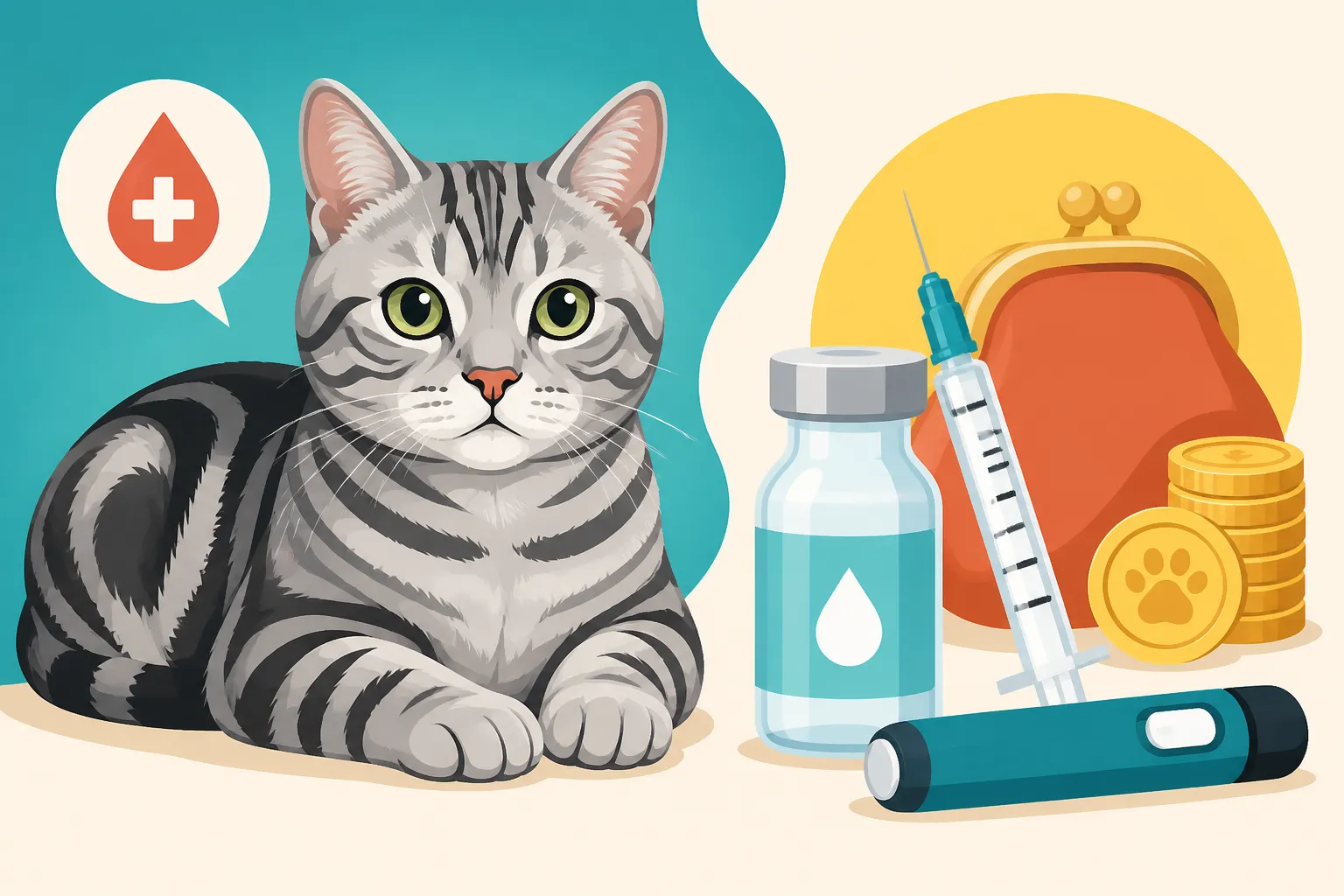
Once your American Shorthair is stable, insulin becomes a daily, sometimes twice-daily, necessity. This is often the largest single ongoing expense in managing feline diabetes, and understanding its nuances can help you budget more effectively. The cost isn't just about the vial of insulin itself; it also encompasses the delivery system and proper storage.
It's important to recognize that the cost of insulin can fluctuate significantly based on various factors. Where you purchase it, the specific type your vet prescribes, and even current market prices can all play a role. Always get a clear prescription from your veterinarian and then shop around to see your options. Online pet pharmacies, like Chewy, are often excellent resources for prescription medications once you have that vet approval, potentially offering competitive pricing and the convenience of home delivery.
Types of Insulin and Their Price Points
Not all insulin is created equal, especially when it comes to cost. Your veterinarian will prescribe the type best suited for your American Shorthair based on its specific needs and how its body responds. Common types of insulin used in cats include glargine (Lantus), protamine zinc insulin (PZI), and porcine lente insulin (Vetsulin/Caninsulin). Glargine and PZI are often longer-acting, helping to provide more stable blood sugar control over a longer period, while Vetsulin is an intermediate-acting insulin.
The price of these insulins can vary dramatically. For instance, glargine, which is a human insulin commonly prescribed off-label for cats, might be available at regular pharmacies, but its cost can be considerable. Veterinary-specific insulins, like Vetsulin, are often purchased through your vet or a specialized pet pharmacy. Some brands, particularly the human-grade ones, might come in different concentrations (e.g., U-100), which means you need specific syringes designed for that concentration. Always confirm the insulin type and concentration with your vet to ensure you're getting the correct supplies and understand the dosing.
Insulin Delivery Systems: Syringes vs. Pens
Administering insulin involves more than just the liquid medication; you also need a reliable delivery system. The two primary options are traditional syringes and insulin pens. Each has its own set of costs and benefits.
Insulin Syringes: These are typically the most common and often the most economical method. You'll purchase vials of insulin and then draw out the precise dose using sterile, disposable insulin syringes. These syringes are calibrated for specific insulin concentrations (e.g., U-40 for Vetsulin, U-100 for glargine). You'll need to buy these in bulk, and while individual syringes are relatively inexpensive, the cost adds up over time as you use one per injection. The technique involves a bit of practice to ensure accurate dosing and comfortable administration for your cat.
Insulin Pens: Insulin pens offer convenience and often greater accuracy for some owners. The insulin cartridge is pre-loaded into the pen, and you dial in the dose, which is then delivered with the push of a button. While the initial cost of the pen device might be higher, and the insulin cartridges can sometimes be pricier than vials, many find the ease of use and reduced risk of dosing errors worth the investment. You'll still need to purchase disposable pen needles separately, but these are generally very fine and designed for minimal discomfort. For some, the thought of drawing up from a vial feels more intimidating, making pens a good alternative, particularly when they are just starting their American Shorthair's treatment.
| Delivery Method | Pros | Cons | Typical Associated Costs |
|---|---|---|---|
| Syringes | Often lower unit cost for insulin vials; widely available. | Requires careful drawing of doses; more prone to user error for some; needle disposal. | Insulin vials, boxes of disposable U-40 or U-100 syringes, sharps container. |
| Pens | Convenient and often more accurate dosing; less intimidating for some users. | Higher initial pen device cost; insulin cartridges can be more expensive than vials; specific pen needles needed. | Insulin pen device, insulin cartridges, boxes of disposable pen needles, sharps container. |
Storage and Handling Considerations
Proper storage and handling of insulin are absolutely paramount, not just for its efficacy but also to prevent waste, which directly impacts your costs. Insulin is a delicate medication and requires refrigeration. Exposure to extreme temperatures, direct sunlight, or vigorous shaking can denature the protein, rendering it ineffective. Imagine the frustration of realizing a whole vial is unusable because it wasn't stored correctly – that's money literally down the drain.
Always check the manufacturer's instructions for storage, but generally, insulin should be kept in the refrigerator and handled gently. Once a vial or pen is opened, its potency might decrease over a certain period, usually 28 days, even if refrigerated. This means you might not use every drop of a large vial before it expires, which is something to factor into your budget. Discuss with your vet whether smaller vials are an option if your cat's dosage means a larger one will expire long before it's empty, to help mitigate this particular expense.
Beyond Insulin: Other Essential Costs for Diabetic American Shorthairs
While insulin is a significant part of the equation, managing feline diabetes extends far beyond just daily injections. There are several other crucial components to a diabetic American Shorthair's care that come with their own price tags. Ignoring these can not only compromise your cat's health but also lead to more expensive emergency situations down the line.
The robust nature of the American Shorthair can sometimes mask underlying health issues, making consistent monitoring and comprehensive care even more vital. They might not complain much, but their bodies still require meticulous attention. Preparing for these additional costs is just as important as budgeting for insulin itself.
Monitoring Supplies and Veterinary Follow-ups
Effective diabetes management relies heavily on consistent monitoring. This typically involves checking your American Shorthair's blood glucose levels, either at home or through regular veterinary visits. Home glucose monitoring involves purchasing a glucometer (a device that reads blood sugar from a tiny drop of blood), test strips (which are often the most expensive recurring monitoring cost), and lancets for obtaining the blood sample. These supplies are not a one-time purchase; they are ongoing expenses that you'll replenish regularly.
Beyond home monitoring, regular veterinary follow-ups are non-negotiable. Your vet will need to perform periodic blood tests, including full blood panels, and potentially fructosamine tests (which give an average blood glucose level over 1-2 weeks) to assess how well the diabetes is being controlled. They might also perform glucose curves, either in-clinic or using a continuous glucose monitor, to see how your cat's blood sugar fluctuates throughout the day. These appointments and tests are essential for adjusting insulin doses, catching complications early, and ensuring your cat remains stable. Keeping track of Which Blood Values Matter Most in an American Shorthair can help you understand the feedback your vet gives you.
Dietary Management and Prescription Foods
Diet plays an absolutely pivotal role in managing feline diabetes. For many cats, a carefully controlled diet, often low in carbohydrates and high in protein, is just as critical as insulin. Your vet will likely recommend a specific prescription diet formulated for diabetic cats. These foods, usually wet food, help regulate blood sugar levels, can aid in weight management (which is often a factor in feline diabetes, especially in a breed like the American Shorthair prone to becoming overweight), and can even reduce the amount of insulin your cat needs.
The cost of prescription diabetic food is generally higher than regular commercial cat food. You'll need to budget for this as a continuous expense. It's crucial that any dietary changes for a diabetic cat are made under veterinary guidance. Your vet might suggest specific commercial diabetic formulas, available from companies like Royal Canin or Purina, which are scientifically formulated to help manage the condition. Switching to a suitable diet can significantly impact your American Shorthair's blood sugar stability and overall health.
Potential Complications and Emergency Care
Despite the best home care and veterinary oversight, diabetic cats can sometimes develop complications. The most common and serious acute complications are hypoglycemia (blood sugar dropping too low) and diabetic ketoacidosis (DKA, a severe complication of uncontrolled diabetes). Both require immediate veterinary intervention and can result in costly emergency room visits and intensive care.
Hypoglycemia can occur if too much insulin is given, or if the cat doesn't eat enough after an injection. DKA is a life-threatening condition that happens when the body starts breaking down fat for energy too quickly, leading to a buildup of toxic ketones. Recognizing the signs of these emergencies – lethargy, weakness, disorientation for hypoglycemia; vomiting, dehydration, sweet-smelling breath for DKA – and acting quickly is vital for your American Shorthair's survival. While these aren't daily costs, the possibility of an emergency should always be factored into your long-term financial planning for a diabetic cat.
Strategies to Manage the Financial Burden of Feline Diabetes
The thought of these ongoing costs can feel overwhelming, but there are proactive steps you can take to manage the financial burden of caring for a diabetic American Shorthair. It’s about being informed, planning ahead, and leveraging available resources to ensure your cat gets the best possible care without breaking the bank.
Remember, investing in consistent, preventative care can often prevent more expensive emergency situations. A well-managed diabetic cat is less likely to suffer from severe complications that require extensive, costly interventions.
Pet Insurance and Wellness Plans
One of the most effective ways to mitigate unexpected veterinary costs, including those associated with chronic conditions like diabetes, is pet insurance. Plans vary widely, so it's crucial to research and understand what's covered. Many pet insurance providers, such as Healthy Paws, offer coverage for chronic conditions, but often after an initial waiting period and typically not for pre-existing conditions diagnosed before enrollment. Therefore, if you're considering a kitten or a young American Shorthair, enrolling them early before any health issues arise can be a wise financial decision for their future.
Some veterinary clinics also offer wellness plans. These aren't insurance, but rather pre-paid packages for routine care like annual exams, vaccinations, and sometimes even discounted diagnostic tests. While they typically don't cover chronic illness treatment, they can help manage the costs of general health maintenance, which is important for any cat, especially one with a chronic condition. Weighing the pros and cons of these options based on your financial situation and your cat's health profile is highly recommended.
Shopping Smart for Supplies
Once your American Shorthair's insulin type and dosage are stabilized, you can often save money by shopping around for the medication and supplies. Don't assume your vet clinic is the only place to purchase these items, although they are always a good starting point for pricing and convenience. Ask your vet for a written prescription that you can take to different pharmacies.
Online pet pharmacies, like Chewy's pharmacy service, often offer competitive prices for insulin vials, syringes, and other monitoring supplies. They can deliver directly to your door, which adds convenience. Local human pharmacies may also carry certain types of insulin, especially if your vet prescribes a human-grade option like glargine, and their pricing can sometimes be different. Remember to always compare the total cost, including shipping fees if applicable, and ensure the pharmacy is reputable and requires a valid veterinary prescription. Buying supplies like test strips or lancets in larger quantities, if appropriate for your usage rate, can sometimes lead to volume discounts.
The Long-Term Outlook: Commitment and Care
Caring for a diabetic American Shorthair is a marathon, not a sprint. It requires a long-term commitment to daily injections, consistent feeding schedules, vigilant monitoring, and regular vet check-ups. This dedication is not just about financial outlay; it's about time, patience, and love. However, the rewards are immense. Many diabetic cats, with proper management, can live full, happy lives well into their senior years. Caring for an American Shorthair Past Twelve with diabetes is absolutely achievable with consistent effort.
The good news is that for some cats, if diabetes is caught early and managed aggressively with diet and insulin, they can sometimes go into remission, meaning they no longer require insulin injections. This is particularly true for cats whose diabetes was primarily linked to obesity. While not a guarantee, it highlights the importance of consistent care, optimal weight management, and adherence to your vet's recommendations. Even if remission isn't achieved, a well-managed diabetic American Shorthair can continue to be the calm, affectionate companion you cherish for many years to come.
Disclaimer
This article is for general informational purposes only and does not constitute professional advice. Laws, prices and regulations vary by location and change over time. Consult a qualified professional for guidance on your specific situation.