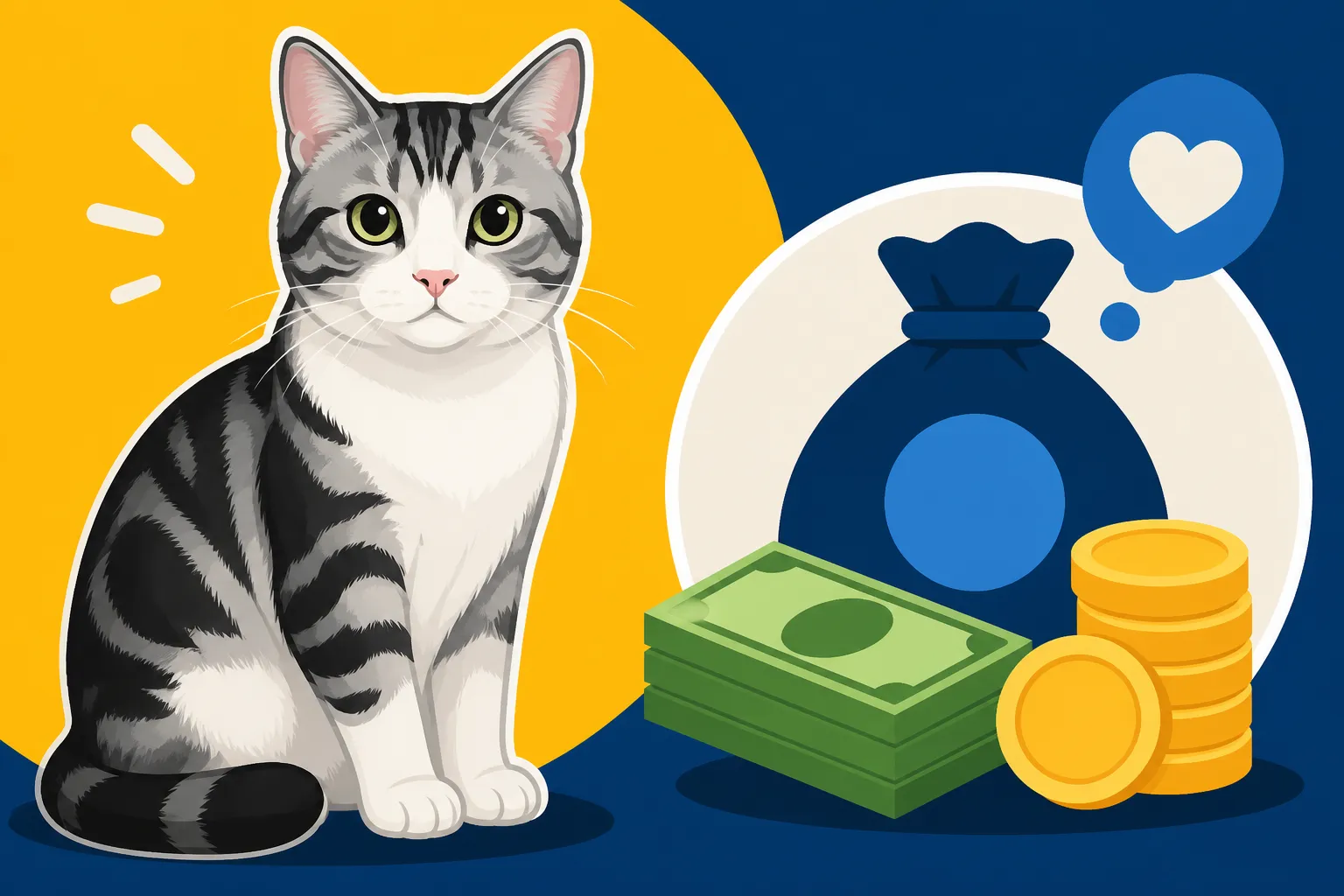
What a Bicolor American Shorthair Costs
It’s a common misconception that an American Shorthair is "just a tabby," and that their cost should be minimal. But when you start looking into specific coat patterns like a beautiful bicolor, you quickly realize there's more to the pricing puzzle than meets the eye. If you’re wondering what a bicolor American Shorthair costs, you’re asking a great question that goes deeper than just the color of their fur – it’s about pedigree, health, and the ethical breeding practices behind them. This guide will help you understand the true value and various factors that contribute to the price of these lovely cats.
Unpacking the Fundamentals of American Shorthair Pricing
Before we dive specifically into bicolor American Shorthairs, it’s crucial to understand the foundational elements that influence the price of any pedigree cat. Many people assume that because American Shorthairs resemble the beloved domestic shorthair, their prices should be similar. This is where the distinction between a well-bred, registered American Shorthair and a charming alley cat becomes crystal clear.
Beyond the Basic Tabby: Why Pedigree Commands a Price
Let's be honest, many people picture a striped tabby when they hear "American Shorthair." And while the classic silver tabby is indeed iconic, the breed comes in a stunning array of colors and patterns, including the striking bicolor. What sets a registered American Shorthair apart from a non-pedigree cat, visually similar or not, is the traceable lineage, the meticulous breeding standards, and the health guarantees that come with it. You're not just paying for a cat; you're investing in generations of careful selection aimed at preserving the breed's renowned temperament, robust health, and conformation. This dedication is what truly dictates the baseline cost.
Breeders put immense effort into planning matings, providing top-tier nutrition, early socialization, and ensuring the health of both parents and kittens. This isn't a casual endeavor; it's a passion backed by significant financial outlay for genetic testing, veterinary care, and proper facilities. This is why you'll see a distinct difference in What a Registered American Shorthair Kitten Costs With Papers compared to a cat from an unknown background.
The Role of Breeder Reputation and Experience
The person you get your bicolor American Shorthair from plays a monumental role in the price. An established, reputable breeder with years of experience, a consistent history of healthy, well-socialized kittens, and adherence to breed standards will naturally charge more. Why? Because their prices reflect:
- Health Screening: They invest in comprehensive health checks for their breeding cats, screening for common genetic issues like hypertrophic cardiomyopathy (HCM) and hip dysplasia. This reduces the risk of you ending up with a sick kitten and provides peace of mind.
- Quality Care: From prenatal care for the mother to proper nutrition and early veterinary checks for the kittens, every step is carefully managed. Kittens are typically vaccinated, dewormed, and often microchipped before going to their new homes.
- Socialization: Ethical breeders spend countless hours socializing kittens, ensuring they are confident, friendly, and well-adjusted to household life, children, and other pets. This early foundation is invaluable for a cat's lifetime temperament.
- Support System: A good breeder offers ongoing support and advice for the lifetime of your cat. They stand by their kittens.
On the flip side, someone selling kittens for a suspiciously low price might be cutting corners on these essential aspects, which can lead to heartbreaking health or behavioral issues down the road. It's often true that you get what you pay for, and cheap upfront costs can become very expensive veterinary bills later on. This also contributes to Why American Shorthair Prices Range So Widely.
The Bicolor Factor: When Color and Pattern Influence Price
Now, let's zoom in on that striking bicolor pattern. A bicolor American Shorthair has patches of white combined with another solid color, or sometimes a tabby pattern. This creates a visually appealing contrast that many admirers find incredibly charming. But does being "bicolor" automatically make them more expensive? Not always directly, but there are nuances.
What Defines a Bicolor American Shorthair's Appearance
A true bicolor American Shorthair will exhibit clear, distinct patches of white against another recognized American Shorthair color, such as black, blue, red, cream, or even a tabby pattern (known as a "van" or "harlequin" pattern if the color is mostly restricted to the head and tail, with splashes on the body). The white areas should ideally be crisp and clear, without ticking or smudging into the colored areas.
The placement and balance of these color patches are what truly make a bicolor cat stand out. Think of a cat with a white chest, paws, and muzzle, contrasted by a deep black back and tail. It’s a classic, eye-catching look that has been popular for generations. The breed standard dictates specific acceptable patterns, and a cat that closely matches this ideal often has a higher value, especially if destined for the show ring.
Rarity vs. Popularity: How Demand Affects Cost
Unlike some very rare or exotic colorations, bicolor isn't inherently "rare" in the American Shorthair breed. It's a well-established and accepted pattern. However, certain combinations or very perfectly marked bicolors can be more sought after. For instance, a beautifully symmetrical black-and-white tuxedo pattern, or a strikingly contrasted red-and-white, might generate more interest.
The general popularity of the American Shorthair overall means there's always a demand for various colors and patterns. While a silver tabby might be the "face" of the breed in many minds, Which American Shorthair Colors Cost the Most can sometimes shift based on current trends or specific show ring successes. A bicolor American Shorthair with particularly sharp markings or an unusual, yet still standard-compliant, color combination might command a slightly higher price due to its aesthetic appeal and buyer demand.
Show Quality vs. Pet Quality: The Precision of the Pattern
This is where the bicolor pattern can directly impact the price. A bicolor kitten destined for a show career will have markings that adhere very closely to the breed standard, with precise color distribution and a clean break between the white and colored areas. These "show quality" kittens represent the breeder's success in producing ideal examples of the breed and will be at the higher end of the price spectrum.
For instance, a bicolor cat with a "cap and saddle" pattern (a colored cap on the head and a large colored patch on the back, with white elsewhere) that is perfectly symmetrical and evenly distributed would be highly prized. A "pet quality" bicolor, while still a lovely and healthy American Shorthair, might have less ideal or asymmetrical markings, or perhaps a smudgier transition between colors. These kittens are usually sold at a more moderate price, making them excellent companions for families who aren't looking to compete in shows but still want a purebred cat with all the associated benefits.
Price Influencers for a Bicolor American Shorthair
| Factor | Impact on Price (Generally) | Description |
|---|---|---|
| Breeder Reputation | High | Experienced, ethical breeders with health testing, guarantees, and support. |
| Pedigree/Lineage | High | Proximity to champion lines, documented ancestry. |
| Show Quality Markings | High | Symmetrical, clean, and ideally distributed bicolor pattern according to breed standard. |
| Pet Quality Markings | Moderate | Bicolor pattern present but with minor flaws or asymmetry, not ideal for show but perfect for a companion. |
| Health Clearances | High | Parents tested for genetic diseases like HCM; adds value and peace of mind. |
| Age of Kitten | Moderate (sometimes lower for older kittens) | Younger kittens (12-16 weeks) often command standard prices; older cats/retired breeders may be less. |
| Location/Demand | Variable | Prices can differ based on regional demand and the number of local reputable breeders. |
| Included Care (shots, neuter) | Included in base price | Many breeders include initial vaccinations, deworming, and sometimes spay/neuter in the price. |
Other Factors Influencing the Final Price Tag
While the bicolor pattern is a key part of your inquiry, it’s just one piece of the puzzle. The overarching elements that drive the cost of any purebred American Shorthair remain significant.
Pedigree and Championship Lines
Whether your American Shorthair is bicolor or a classic tabby, its lineage will heavily influence its price. A kitten descended from a long line of champions, grand champions, or national winners will undoubtedly be more expensive. These pedigrees represent proven excellence in conformation, health, and temperament, which breeders meticulously strive to maintain.
When a breeder invests in bringing in top-quality breeding stock, travelling to shows, and proving their cats against the breed standard, those costs are reflected in the price of their kittens. You are, in essence, buying a piece of that legacy. This is What a Championship Bloodline American Shorthair Costs and why it differentiates them from a typical pet-quality cat, even one with stunning bicolor markings. These cats are not just beautiful; they embody the pinnacle of the breed's development.
Health Clearances and Guarantees
This is perhaps the most critical factor, often overlooked by those focusing solely on upfront cost. Reputable American Shorthair breeders perform extensive health testing on their breeding cats. For American Shorthairs, this primarily includes screening for Hypertrophic Cardiomyopathy (HCM) through echocardiograms (heart scans), as well as looking for signs of hip dysplasia. These tests are not cheap, and they are performed regularly.
The cost of these screenings is integrated into the kitten's price. When you purchase a kitten from a breeder who provides clear health certificates for the parents, you are paying for the peace of mind that your kitten comes from a line actively working to eradicate genetic predispositions to disease. This proactive approach can save you thousands in potential veterinary bills down the line. It's a significant ethical responsibility that good breeders take seriously. It's also why How a Vet Manages an American Shorthair With HCM becomes a less likely scenario for a well-vetted kitten.
Location and Availability
Just like real estate, the price of a pedigree cat can vary by geographic location. In areas with fewer reputable American Shorthair breeders, or higher demand, prices might be elevated simply due to supply and demand dynamics. Conversely, if there are many breeders in a particular region, there might be more competitive pricing.
Shipping a kitten, if you find a breeder further afield, will add considerably to the overall cost. Many breeders also prefer to hand-deliver kittens or have buyers pick them up in person to ensure the kitten's safety and well-being. Always consider the logistics and potential travel expenses when looking at breeders outside your immediate area. Sometimes, waiting for a local litter from a reputable breeder, even if it means a slight wait, can be both more cost-effective and less stressful for the kitten.
What You're Really Paying For in a Bicolor American Shorthair
It’s easy to look at a price tag and wonder if it’s "worth it" for a cat. But when you’re talking about a well-bred bicolor American Shorthair, you’re not just paying for fur and purrs; you’re investing in a lifetime companion with predictable traits and a strong foundation.
The Investment in Health and Temperament
The American Shorthair is celebrated for its robust health and easygoing, adaptable temperament. These traits didn't happen by accident; they are the result of generations of selective breeding. When you purchase a bicolor American Shorthair from a reputable breeder, you're buying into:
- Genetic Health: As mentioned, health screenings for conditions like HCM are paramount. A breeder's commitment to these practices means you’re far less likely to face devastating and expensive hereditary health issues. What an American Shorthair Pedigree Predicts About Health is a key benefit.
- Stable Temperament: American Shorthairs are known for being affectionate without being clingy, intelligent, and good with children and other pets. This balanced disposition is carefully nurtured through early socialization and genetic selection. You're getting a cat that is likely to be a joy to live with, adapting well to your home and lifestyle. They are bred to be calm and observant, not prone to neurotic behaviors that can arise from poor breeding.
This investment in health and temperament upfront often translates to fewer vet visits and behavioral challenges over the cat's lifetime, saving you emotional and financial stress.
Initial Care and Socialization Included
The price of your bicolor American Shorthair kitten typically includes a significant amount of initial care before they even come home to you. This usually covers:
- Multiple Vet Checks: Kittens receive several health checks to ensure they are thriving.
- Initial Vaccinations: They will have had their first rounds of core vaccines.
- Deworming: Kittens are routinely dewormed to eliminate common parasites.
- Microchipping: Many breeders microchip their kittens, which is crucial for identification if they ever get lost.
- Spay/Neuter: Often, breeders require kittens to be spayed or neutered before they leave, or include a clause in the contract for you to do so by a certain age. This practice helps control pet overpopulation and ensures the kitten is going to a pet home.
The care and attention given during these crucial first 12-16 weeks of a kitten's life are invaluable for its long-term development. They learn appropriate play, litter box habits, and how to interact positively with humans and other animals.
Beyond the Purchase Price: Long-Term Ownership Costs
It’s important to remember that the purchase price is just the beginning of your financial commitment to your bicolor American Shorthair. While American Shorthairs are generally considered hardy, every cat requires ongoing care.
- Food: High-quality food is essential for their muscular build and overall health. Brands like Chewy often offer a wide variety of premium cat foods that cater to different life stages and dietary needs.
- Veterinary Care: Routine check-ups, annual vaccinations, and preventative treatments (flea, tick, heartworm) are essential. While Why an American Shorthair Costs a Vet Less Than a Persian in some aspects, they still need regular professional care.
- Pet Insurance: Many owners choose to get pet insurance to help cover unexpected illnesses or accidents. Providers like Healthy Paws offer various plans that can provide peace of mind. Insuring the American Shorthair, the Cheapest Pedigree to Keep is generally true, but it's still an ongoing cost to factor in.
- Supplies: Litter, scratching posts, toys, and a comfortable bed are all necessary. What a Carrier a Square Built American Shorthair Fits In Costs is something to consider for vet visits and travel.
- Enrichment: American Shorthairs, despite their calm demeanor, are intelligent and need mental stimulation. Puzzle feeders or engaging toys can help satisfy their natural hunting instincts.
Owning any pet is a long-term financial commitment, and a bicolor American Shorthair is no exception. Understanding these ongoing costs ensures you're fully prepared to provide the best possible life for your new family member.
Finding Your Bicolor American Shorthair: Tips for Responsible Sourcing
So, how do you find that perfect bicolor American Shorthair without breaking the bank or compromising on ethical standards? It comes down to diligent research and asking the right questions.
Research Reputable Breeders
Start by looking for breeders who are registered with reputable feline associations like the Cat Fanciers' Association (CFA) or The International Cat Association (TICA). These associations uphold breed standards and often require breeders to adhere to codes of ethics. Look for breeders who specialize in American Shorthairs and are knowledgeable about their lines, health history, and temperaments. Don't be shy about asking Which Questions to Ask an American Shorthair Breeder.
Visiting a breeder's cattery (if possible) is ideal. It allows you to see the living conditions, observe the parent cats, and interact with the kittens. This firsthand experience is invaluable for assessing the breeder's practices and the kittens' socialization. If an in-person visit isn't feasible, ask for video calls and extensive documentation.
Understanding Contracts and Guarantees
A reputable breeder will always provide a written contract. This contract should outline:
- Health Guarantees: What happens if the kitten develops a genetic illness within a certain timeframe?
- Spay/Neuter Agreement: Requirements for altering your kitten.
- Return Policy: What if, for unforeseen circumstances, you can no longer care for the cat? Ethical breeders often require cats to be returned to them rather than rehomed independently.
- Vaccination and Health Records: Proof of initial vet care.
This contract protects both you and the breeder and underscores their commitment to the welfare of their cats.
The Value of Time and Patience
Finding the right bicolor American Shorthair might take some time. Good breeders often have waiting lists, especially for specific colors or patterns. Resist the urge to rush into a purchase from the first available source, especially if their prices seem too good to be true. Patience is a virtue in this process, ensuring you find a healthy, well-adjusted cat that will bring joy to your life for many years.
Remember, the initial cost of a bicolor American Shorthair is an investment in a lifetime of companionship. By focusing on reputable breeders and understanding all the factors involved, you can make an informed decision and welcome a wonderful addition to your family.
Disclaimer
This article is for general informational purposes only and does not constitute professional advice. Laws, prices and regulations vary by location and change over time. Consult a qualified professional for guidance on your specific situation.