What Shipping Adds to an American Shorthair You Could Buy Locally
It's incredibly frustrating when you've finally found the American Shorthair kitten of your dreams – perhaps a specific color, pattern, or from a particular lineage – only to realize that your perfect furry companion lives hundreds, or even thousands, of miles away. That initial excitement can quickly give way to a knot in your stomach as you start to untangle the complexities and, let's be honest, the potentially staggering costs of getting that little one home to you. This guide is here to shed light on those often-overlooked expenses that pile up when you opt to ship an American Shorthair, helping you understand the full financial commitment beyond the sticker price of the kitten itself, and why a local option, if available, might save you a significant amount of stress and money.
The Allure of Distant Breeders and the Desire for Specifics
Sometimes, the ideal American Shorthair simply isn't available right around the corner. Perhaps you're looking for a very specific silver tabby pattern, or you've researched certain lines known for their exceptional temperament and longevity, and those breeders happen to be across the country. It's a common scenario for many aspiring cat parents; you fall in love with a photo, a video, or a breeder's reputation, and suddenly distance feels like a minor hurdle.
For many, the search for a specific pedigree, like an American Shorthair with a documented health history or championship bloodlines, can lead them far from home. Breeders specializing in these particular traits might be few and far between, making a local purchase nearly impossible if you have a precise vision for your future cat. You want the assurance that comes with a well-bred cat, and sometimes that means expanding your search radius significantly. This quest for quality or a particular look often outweighs the initial hesitation about distance, leading directly to the question of shipping. You might be wondering, What an American Shorthair Pedigree Guarantees that a regular tabby just can't, and that perceived value can justify a broader search.
Beyond genetics and show standards, sometimes it's simply a matter of availability. Reputable American Shorthair breeders often have waiting lists, and if you're set on a kitten sooner rather than later, or on a specific gender or color combination that isn't currently available near you, looking further afield becomes a necessity. It’s not just about the "ideal" cat; sometimes it's about any healthy, well-socialized American Shorthair kitten. This desire to avoid long waits or compromise on your preferences can easily lead you down the path of considering interstate or even international transport for your new family member.
Deconstructing the Costs of Transporting Your American Shorthair
When you decide to bring an American Shorthair home from a distant breeder, the initial purchase price is just the beginning. The costs associated with transportation can easily add hundreds, if not over a thousand, dollars to your total expenditure, making that "bargain" kitten suddenly look quite expensive. It’s a lot more than just sticking a cat in a box and sending it off; there are layers of logistics and necessary precautions involved.
Airline Cargo Fees and Regulations
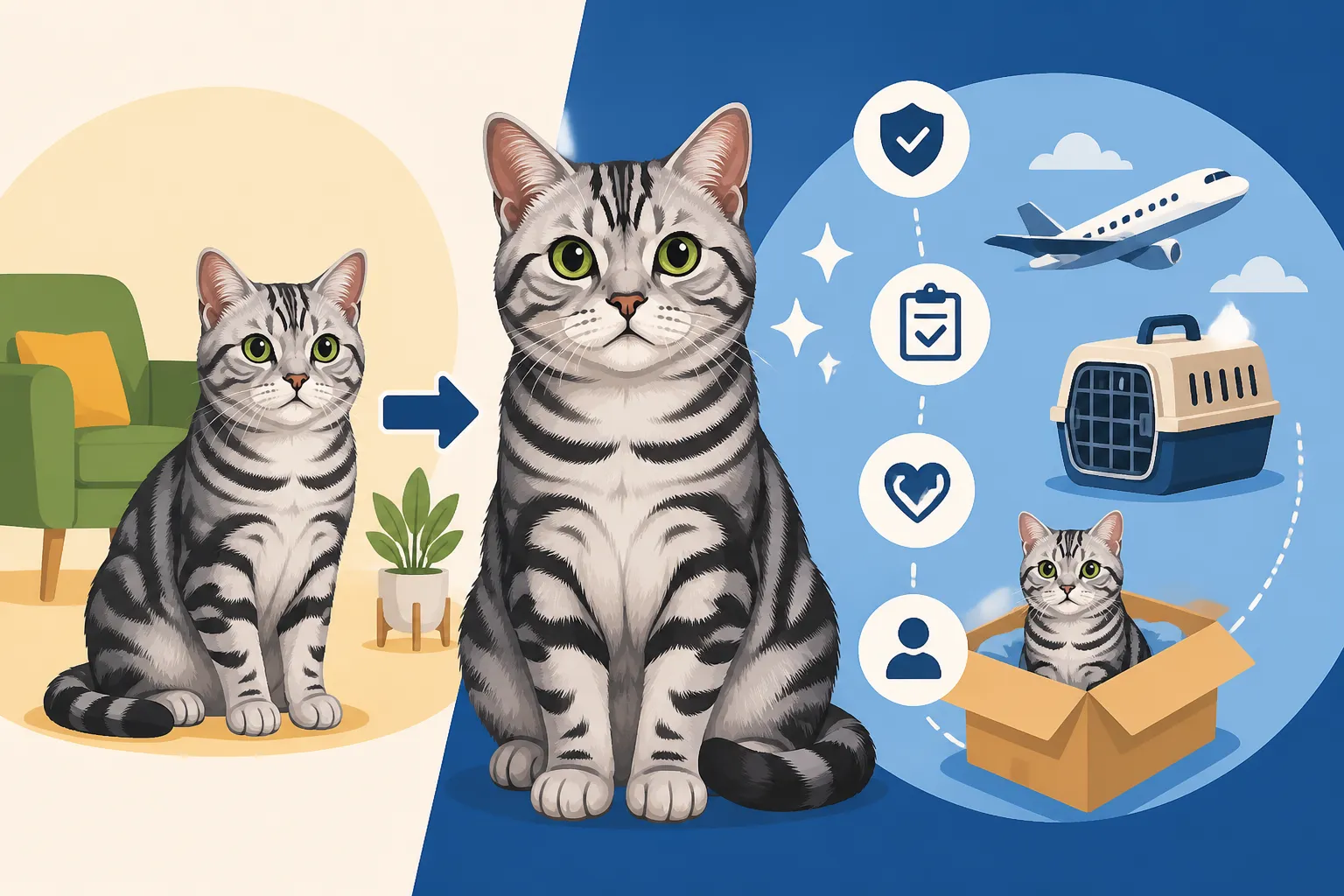
Shipping a cat via airline cargo is usually the most common method for longer distances, but it comes with a hefty price tag. Airlines have specific pet travel programs, and these services are distinct from regular baggage. You're not just paying for space; you're paying for specialized handling, climate-controlled environments (when available), and the overall responsibility the airline takes for a live animal. The cost will vary significantly based on the airline, the size of the carrier, the weight of the cat, and the distance of travel. Expect these fees to be substantial, often ranging into the mid-to-high hundreds.
Beyond the base fee, there are often additional charges. Some airlines require specific acclimation certificates if temperatures at either the departure or arrival airport are outside a certain range. This is to ensure the kitten can handle potential temperature fluctuations on the tarmac. Fuel surcharges, insurance for the animal during transit, and even holiday travel embargoes can add complexity and expense. It's crucial to understand all these variables before committing, as they can quickly inflate the initial estimate.
Health Certificates and Veterinary Checks
Before any reputable airline or transport service will accept a cat for travel, a veterinarian must issue a health certificate. This document verifies that your American Shorthair is healthy enough to travel and free from contagious diseases. This isn't just a quick check; it involves a full veterinary examination, which comes with its own fee. Depending on your state's regulations and the destination state's requirements, additional vaccinations or specific parasite treatments might be necessary for travel, adding further to the vet bill.
Many breeders will already have their kittens up-to-date on standard vaccinations and deworming, but a health certificate is typically a fresh examination performed within a very short window (often 7-10 days) of the travel date. This ensures the cat is in prime condition for the journey. For an American Shorthair kitten, this usually means an extra trip to the vet just for travel clearance, even if they've had all their routine kitten shots. You might also want to ensure the kitten is microchipped, as this is a good safety measure for any pet, and some travel protocols might even require it. What an American Shorthair's Microchip Costs is a small addition, but important to factor in.
The Cost of an Airline-Approved Carrier
You can't just send your American Shorthair in any cat carrier. Airlines have very strict requirements for pet carriers, particularly for cargo travel. These typically include specific dimensions, materials, ventilation, "Live Animal" labeling, and even designated food and water dishes that attach to the inside. These carriers are designed for safety and airflow during transit, and they usually cost more than your average carrier you'd pick up for a vet visit.
It's an investment, as these sturdy carriers can be quite expensive, sometimes ranging from moderate to substantial amounts. You'll want to check the specific airline's website for their exact requirements well in advance to ensure you purchase a compliant carrier. Remember, the American Shorthair is a robust, well-built cat, so even as a kitten, it will need a carrier that accommodates its size comfortably and safely. You'll need to think about What a Carrier a Square Built American Shorthair Fits In Costs and factor that into your budget.
Pet Nanny Services
For those who are extremely wary of the cargo experience, or if the breeder prefers it, a pet nanny service is another option. This involves a person who travels with the kitten in the cabin, essentially hand-carrying your American Shorthair. While it significantly reduces the stress on the cat and offers direct supervision, it's also the most expensive shipping option. The cost includes the nanny's flight ticket, their service fee, and potentially an in-cabin pet fee charged by the airline. This can easily run into the thousands of dollars, making it a luxury option for many.
This personalized service provides peace of mind, knowing your kitten is under constant care and attention. The nanny can feed, water, and comfort your American Shorthair throughout the journey, which is invaluable for a young, impressionable kitten. However, the price point often puts it out of reach for many, making it a less common choice unless a breeder insists on it or the owner has a very specific reason to avoid cargo.
The Unseen Hurdles and Potential Pitfalls of Shipping a Kitten
Beyond the direct monetary costs, shipping an American Shorthair can involve emotional stress for both you and your new kitten, potential delays, and the challenge of integrating a cat who has had a stressful start to its journey. It's not always a smooth process, and it's important to be prepared for the unexpected.
Stress and Adjustment for the Kitten
Imagine being a tiny kitten, suddenly removed from everything familiar – your mother, siblings, and the only home you've ever known – and then being placed in a noisy, unfamiliar environment like an airport cargo hold or a long flight in a carrier. Even with the best intentions and care, shipping is inherently stressful for an animal. This stress can manifest in various ways, from temporary appetite loss and digestive upset to more prolonged shyness or difficulty adjusting to their new home.
While American Shorthairs are generally known for their adaptable and placid temperaments, a traumatic travel experience can still impact them. Some kittens might take longer to bond, or exhibit behavioral quirks as a result of the upheaval. It’s crucial to be extra patient and provide a calm, secure environment for your American Shorthair once it arrives. A quiet room with access to food, water (perhaps from a specialized bowl or fountain that encourages drinking), and a cozy bed can help ease their transition. Having a good supply of high-quality food, perhaps from a brand like Chewy, ready upon arrival can make a big difference in settling them in.
Unexpected Delays and Complications
Airline travel, as we all know, is prone to delays. Weather conditions, mechanical issues, and logistical snags can all impact a pet's travel schedule. While airlines strive to keep pet travel on track, sometimes reroutes or overnight stays become necessary. In these situations, your kitten might experience extended periods in their carrier or unfamiliar holding areas, adding to their stress and delaying their arrival.
It's wise to have a contingency plan and communicate thoroughly with both the breeder and the airline regarding potential delays. Understand how the airline handles pet care during unexpected layovers or cancellations. These unforeseen circumstances not only add to your anxiety but can also incur additional costs if, for example, an overnight boarding facility is required at a connecting airport.
Limited Interaction and Observation
When you ship a kitten, you miss out on some crucial opportunities for direct interaction and observation that you would get with a local pick-up. You won't be there to personally assess the kitten's demeanor at the airport or observe how it handles the initial leg of the journey. While breeders provide updates, there's no substitute for your own eyes and intuition.
This lack of direct involvement can be a concern for some, especially first-time cat owners. When you pick up a kitten locally, you often have the chance to spend a little more time with it, see it interact with its littermates and parents, and ask any last-minute questions directly to the breeder as you drive home. Shipping, by its nature, creates a more hands-off experience until the kitten finally arrives at your doorstep.
Weighing Your Options: Shipping Versus Local Sourcing
So, when does shipping make sense, and when should you absolutely prioritize a local purchase? It all comes down to your priorities, budget, and tolerance for risk. Let's look at a comparative breakdown.
| Cost Component | Shipping an American Shorthair (Cost Shape) | Driving to Pick Up (Cost Shape) | Considerations |
|---|---|---|---|
| Kitten Purchase Price | Base price from breeder | Base price from breeder | This is usually consistent, though regional differences can occur. |
| Kitten Transportation | Significant to very high (Air cargo/Nanny) | Moderate to high (Fuel, vehicle wear) | Air cargo for a small kitten can be hundreds; a pet nanny easily over a thousand. Driving costs depend heavily on distance, fuel prices, and whether overnight stays are needed. |
| Airline Approved Carrier | Moderate to substantial | Moderate (standard carrier) | Cargo travel requires specific IATA-compliant carriers. Driving allows for a wider range of comfortable, less restrictive carriers. |
| Veterinary Health Certificate | Moderate | Moderate | Often mandatory for interstate travel. Some breeders require it for any sale, even local, for peace of mind. |
| Acclimation Certificate | Minimal to moderate (if required) | Not applicable | An extra certificate for certain temperature ranges for air cargo. |
| Required Vaccinations/Tests | Standard kitten vet care plus potential travel-specific boosters | Standard kitten vet care | Ensure your American Shorthair Kitten Arrives With Health Paperwork regardless of how it travels. |
| Personal Travel Time/Cost | Minimal (to airport for pick up) | Significant (time off work, lodging) | Your own time investment for travel. Driving a long distance means taking vacation days, paying for hotels, meals on the road. |
| Stress on Kitten | Potentially High | Potentially Moderate | Cargo travel is inherently more stressful than a supervised car ride with familiar people. |
| Direct Interaction | Minimal (only upon arrival) | High (during pick up and drive) | You get to observe your kitten's behavior and personality during the journey, which can aid bonding. |
When Shipping Might Be Your Only Choice
Sometimes, despite the extra cost and inherent risks, shipping remains the only viable option. This is typically the case when you are truly dedicated to a specific lineage, color, or a rare combination of traits that only a breeder far away can provide. If you've asked Which Questions to Ask an American Shorthair Breeder and done your due diligence, and this distant breeder checks all the boxes for ethics, health screening, and temperament, then the added expense of shipping might be justified for you. For instance, if you're set on a specific "championship line" American Shorthair, you might have to look nationally or even internationally. What a Championship Line American Shorthair Costs already factors in its unique genetics, and shipping adds another layer to that investment.
It's also a consideration if your personal circumstances make extensive travel impossible. Perhaps you have health limitations, work constraints, or family obligations that prevent a long road trip or a multi-day journey to pick up your kitten. In such instances, paying for shipping, or even a pet nanny, becomes a necessary service to bring your chosen American Shorthair home. It’s about balancing your personal capacity with your deep desire for that particular cat.
The Benefits of Buying Locally or Driving to Pick Up
If you can find a reputable American Shorthair breeder within a reasonable driving distance – say, a few hours away – it almost always makes more financial and emotional sense to drive and pick up your kitten yourself. The cost of gas and a day trip will almost certainly be less than airline cargo fees, and you avoid the stress of air travel for your new companion. Plus, you get the invaluable experience of meeting the breeder in person, seeing the kitten's environment, and perhaps even interacting with the kitten's parents. This hands-on experience allows you to assess the kitten's personality and health firsthand, giving you immense peace of mind. Whether an American Shorthair Breeder Should Be Visited is a question that often gets a resounding "yes" for these very reasons.
Even if the breeder is a bit further, say a 6-8 hour drive, it's still often more cost-effective and less stressful to make a weekend trip out of it. You can plan an overnight stay, give your American Shorthair breaks during the drive, and begin the bonding process immediately. You control the environment, the temperature, and the handling, which can significantly reduce the initial stress on the kitten compared to the unpredictable nature of cargo travel. This immediate, personal connection can be incredibly beneficial for the kitten's successful integration into your home. You can also make sure you have everything ready for them, from their favorite food to their comfortable bedding, right from the start.
Ultimately, the decision to ship an American Shorthair kitten should be made with a full understanding of all the costs and potential challenges involved. It's more than just a matter of convenience; it's a significant financial and emotional investment. While sometimes necessary, exploring local options or committing to a personal pick-up can often be the best choice for both your wallet and your new feline friend. And remember, investing in comprehensive pet insurance like Healthy Paws, regardless of how your cat arrives, is always a wise choice to prepare for any health issues that might arise, whether from travel stress or simply being a kitten.
Disclaimer
This article is for general informational purposes only and does not constitute professional advice. Laws, prices and regulations vary by location and change over time. Consult a qualified professional for guidance on your specific situation.