Why Anyone Waits for an American Shorthair That Looks Like a Shelter Cat
It’s a thought many cat lovers have had: why would someone go through the effort of waiting for and paying a significant sum for an American Shorthair kitten when there are so many delightful, look-alike tabby cats readily available at local shelters? This guide dives deep into the motivations behind choosing a registered American Shorthair, exploring the unique assurances and benefits that distinguish them from their equally charming, but un-pedigreed, counterparts.
The Allure of Pedigree: More Than Just Looks
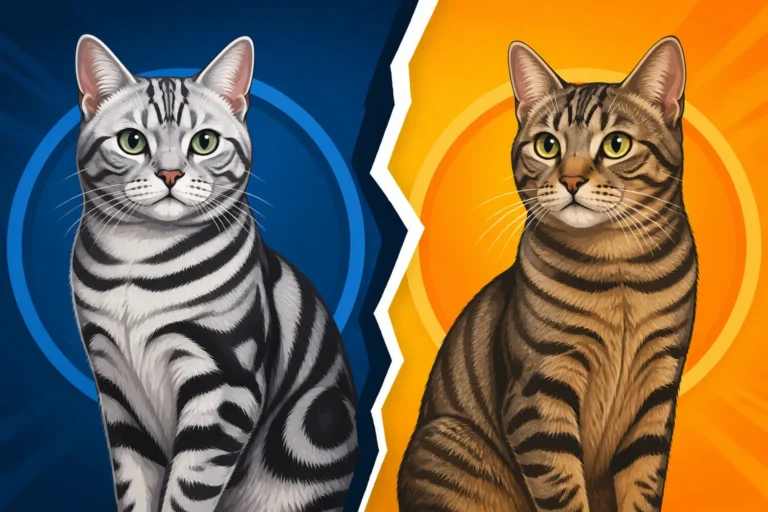
When you look at a classic American Shorthair, especially a silver tabby, it's easy to see how it resembles countless domestic shorthair cats found in shelters. They share that robust, working-cat build and familiar tabby patterns. However, for those who choose a pedigreed American Shorthair, the appeal goes far beyond superficial appearance. It's about predictability, a known history, and the confidence that comes with a carefully planned lineage.
Many people fall in love with the idea of a specific breed because of its renowned traits. With an American Shorthair, you’re not just getting a pretty face; you’re buying into centuries of natural selection that honed specific characteristics for resilience and companionship. While a shelter cat is a wonderful companion, their past is often a mystery, which can lead to delightful surprises, but also unforeseen challenges. This inherent difference in predictability is often the core reason someone would seek out a reputable breeder.
What a Pedigree Actually Guarantees
A pedigree, at its heart, is a documented family tree for your cat. It tracks generations, showing who bred whom, and it's a cornerstone for ethical breeding. When you purchase an American Shorthair with papers, you're not just getting a fancy certificate; you're gaining access to a detailed history. This documentation confirms that your cat truly belongs to the breed, distinguishing it from a Domestic Shorthair Is Just a Cheap American Shorthair. It means the breeder has invested time and effort into maintaining breed standards and tracking their lines.
This isn't about snobbery; it's about transparency and accountability. A responsible breeder uses this pedigree to ensure genetic diversity within their program, avoiding close inbreeding that can lead to health issues. They can tell you about the health of the grandparents, the typical lifespan of the line, and even the personality quirks passed down through generations. This level of detail simply isn't available for a shelter cat, no matter how wonderful they are, because their ancestry is typically unknown. It gives an owner a sense of connection to their cat's heritage and a clearer picture of their future.
Predictable Temperament and Health
One of the most compelling reasons for choosing a pedigreed American Shorthair is the promise of predictable temperament. This breed is famously known for its easygoing, adaptable, and affectionate nature without being overly demanding. They are known to be calm, intelligent, and tolerant, making them excellent family pets that generally get along well with children and other animals. If you've spent time around a well-socialized American Shorthair, you'll understand why this consistency is so valued. Imagine a family with young children or other pets where a calm, predictable feline presence is paramount. A pedigreed American Shorthair offers a much higher likelihood of fulfilling that expectation than a cat whose background is a complete unknown.
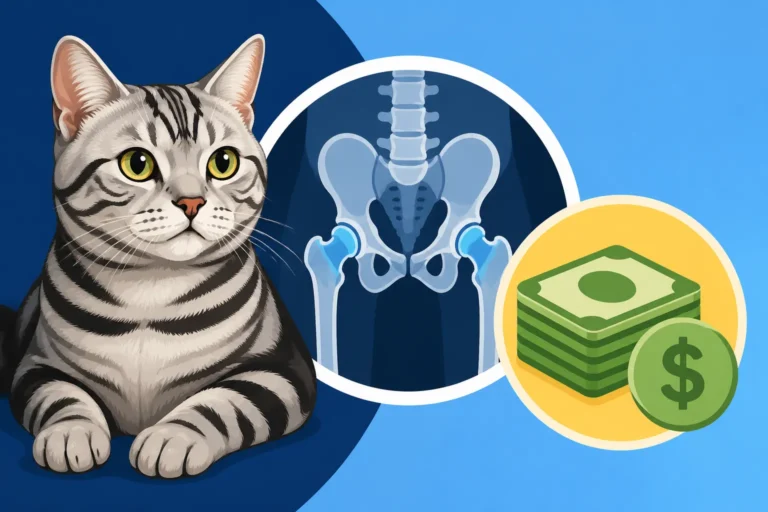
Beyond personality, health predictability is a massive factor. While no living creature comes with a guarantee, reputable American Shorthair breeders work diligently to screen their breeding stock for known genetic conditions. For the American Shorthair, the primary concern is Hypertrophic Cardiomyopathy (HCM), and responsible breeders perform regular heart scans. This proactive screening significantly reduces the risk of inheriting serious health problems. Knowing that generations of your cat's ancestors have been free of certain diseases provides immense peace of mind. Compare this to adopting a cat from a shelter, where while vital health checks are performed, a detailed genetic history simply isn't available to predict long-term inherited conditions. This is where you might consider pet insurance like Healthy Paws for any cat, but with a pedigree, you're betting on a generally healthier start. For more information, you might be interested in What an American Shorthair Pedigree Predicts About Health.
The Journey from Breeder to Home: Transparency and Trust
The process of acquiring an American Shorthair from a reputable breeder is often a stark contrast to adopting from a shelter. While both avenues lead to loving homes, the journey with a breeder is characterized by an extensive vetting process, not just for the kitten but for the prospective owner as well. It’s a partnership built on transparency, education, and ongoing support, which many find invaluable. This relationship begins long before the kitten ever comes home and extends well into its adult life.
This extended process ensures that both the cat and the owner are set up for success. Breeders often have waiting lists, and they take the time to match kittens to families based on personality and lifestyle. This careful consideration minimizes the chances of a mismatch, which can be a significant concern for first-time cat owners or those with specific household dynamics. It's a commitment from both sides to ensure the best possible outcome for the cat's entire life.
Health Screening and Paperwork You Expect
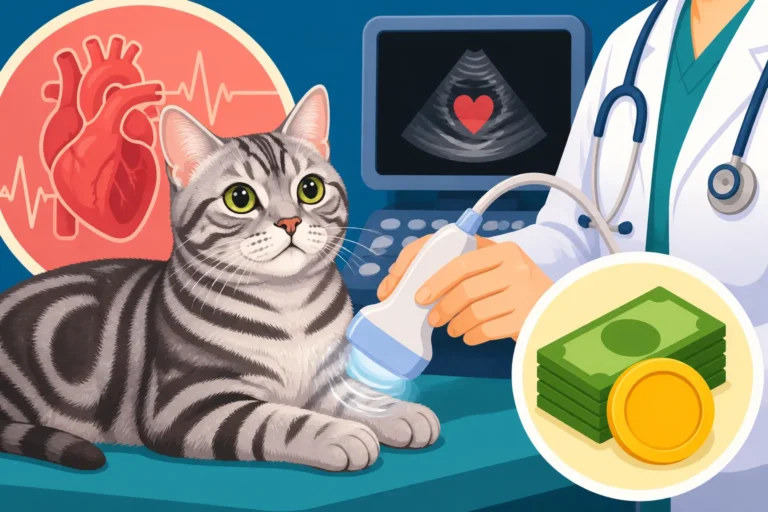
When you commit to a pedigreed American Shorthair, you're not just buying a kitten; you're buying into a legacy of health screening and ethical practices. Reputable breeders meticulously screen their breeding cats for genetic predispositions. For the American Shorthair, this often means regular echocardiograms to check for HCM. You should expect to see documentation of these health clearances for the parents, not just a verbal assurance. They will often provide a health guarantee for the kitten itself, covering certain conditions for a specified period. This transparency means you are aware of potential issues, or lack thereof, from the very beginning.
Beyond genetic health, a well-bred American Shorthair kitten will come with a complete set of initial veterinary care records. This typically includes proof of vaccinations appropriate for their age, deworming schedules, and often a microchip already implanted. They should also provide documentation of their registration with a recognized cat association, like the CFA (Cat Fanciers' Association). This paperwork trail ensures you have a comprehensive understanding of your kitten's early health journey and provides a solid foundation for your own vet to continue their care. It gives you confidence that the breeder has taken all necessary steps to give their kittens the best start in life. For details on what to ask for, see Which Health Results an American Shorthair Breeder Must Show.
Ethical Breeding Practices and Support
A reputable American Shorthair breeder doesn't just produce kittens; they dedicate themselves to improving the breed and finding the best homes for their animals. This means they are selective about their breeding pairs, focusing on temperament, health, and conformation to the breed standard. They will raise kittens in a home environment, ensuring they are well-socialized to sights, sounds, and human interaction, which is crucial for a well-adjusted cat. You’ll find they are knowledgeable resources, eager to educate prospective owners and offer lifelong support.
This relationship with a breeder often extends far beyond the point of sale. Many breeders are happy to answer questions, offer advice on nutrition, or even provide guidance on behavioral issues for the lifetime of the cat. They often include a contract that outlines expectations for care, including spaying or neutering, and may even have a take-back clause if circumstances change for the owner. This level of commitment ensures that the American Shorthair they bred will always have a safety net, something that's difficult to replicate for a shelter cat whose origins are unknown. This dedication to their cats' welfare is a significant part of How to Find an American Shorthair Breeder Worth Paying For.
Beyond the Aesthetics: The Long-Term Value
While the initial cost of a pedigreed American Shorthair might seem high compared to a shelter adoption fee, many owners see it as a long-term investment in a companion whose characteristics and health history are largely understood. This isn't to say a shelter cat isn't valuable, but the "known quantity" aspect of a pedigreed animal holds significant weight for those who seek specific traits and minimize unknowns. The peace of mind and the unique bond forged through this selective process contribute to a different kind of value.
It's about making a deliberate choice based on informed expectations rather than a leap of faith. This choice impacts not just the early years but the entire lifespan of the cat, potentially leading to fewer surprises and a more consistent experience for the owner. It’s about building a relationship with a creature whose very essence has been purposefully preserved and championed by generations of dedicated enthusiasts.
Investing in a Known Quantity
When you choose a pedigreed American Shorthair, you are, in essence, investing in a known quantity. You have a reasonable expectation of their adult size, coat type, general health predispositions, and personality traits. This predictability can be incredibly reassuring for many owners, especially those who may have specific living situations or prior experiences with cats that make them value these known factors. For example, knowing that an American Shorthair is typically a robust, low-maintenance groomer means you won't suddenly find yourself needing expensive professional grooming. Similarly, their placid nature often means fewer behavioral challenges down the line.
Consider the ongoing costs of cat ownership. While initial vet visits for any new kitten are crucial, having a breed with a generally robust health profile can potentially lead to fewer unexpected medical bills in the long run. Of course, all cats need regular care, and it's wise to budget for things like quality food from places like Chewy or routine vet check-ups. However, the reduced risk of inherited conditions can be a significant factor. Owners often find that the initial investment provides a return in terms of emotional satisfaction and a smoother, more predictable journey with their feline companion. This perspective is why many feel Whether an American Shorthair Is Worth Paying For.
Community and Breed-Specific Resources
Owning a pedigreed American Shorthair also opens the door to a vibrant community of fellow enthusiasts, breeders, and breed-specific resources. These communities offer a wealth of knowledge, support, and shared experiences that can be incredibly beneficial throughout your cat's life. From online forums to local breed clubs and cat shows, you can connect with people who truly understand the nuances of the American Shorthair. This network can be invaluable for advice on everything from diet and exercise to behavioral quirks specific to the breed.
Imagine needing advice on a particular issue unique to the American Shorthair breed – this community can provide guidance from experienced owners and even direct you to breed-savvy veterinarians. You can learn about best practices for care, common developmental stages, and even how to further enrich your American Shorthair's life, knowing the advice is tailored to their specific needs and temperament. This ongoing support and shared passion create a sense of belonging and provide a robust safety net of information, something that is less defined when adopting a mixed-breed cat, where every cat is truly unique.
Let's look at some key differences at a glance:
| Feature | Pedigreed American Shorthair | Shelter Cat (Domestic Shorthair) |
|---|---|---|
| Origin/Lineage | Documented ancestry (pedigree) | Unknown or limited history |
| Predictability | High (temperament, size, health predispositions) | Low (temperament, size, health can vary greatly) |
| Health Screening | Parents screened for genetic diseases (e.g., HCM) | General vet check upon adoption, no genetic history |
| Temperament | Consistent with breed standard (e.g., adaptable, calm) | Varies widely, depends on individual history |
| Initial Cost | Higher purchase price from breeder | Lower adoption fee (often includes spay/neuter) |
| Support System | Breeder support, breed clubs, community | Shelter support, general pet owner communities |
| "Known Quantity" | High, fewer surprises over lifespan | Lower, can bring unexpected challenges/delights |
Ultimately, the choice comes down to individual priorities. For some, the adventure and inherent uniqueness of a shelter cat are paramount, and rightly so – every cat deserves a home. For others, the predictability, historical transparency, and dedicated support that come with a pedigreed American Shorthair justify the wait and the investment. It’s about finding the perfect feline companion that aligns with one's lifestyle, expectations, and values, whether that cat comes with a documented lineage or a mysterious past.
Disclaimer
This article is for general informational purposes only and does not constitute professional advice. Laws, prices and regulations vary by location and change over time. Consult a qualified professional for guidance on your specific situation.