What a Long Lived American Shorthair Costs in Its Last Five Years
Watching your beloved American Shorthair gracefully enter their golden years is a beautiful experience, but it often comes with the quiet worry about how to best support them, especially concerning the increasing financial realities. Many owners are caught off guard by the escalating costs of specialized care and treatments that become necessary in their cat's senior years. This comprehensive guide will walk you through the various financial aspects you can expect during your American Shorthair's last five years, helping you plan and provide the best possible quality of life without undue stress.
The Inevitable Rise of Veterinary Expenses in Old Age
It's a common, if unwelcome, truth: as our cats get older, their visits to the vet become more frequent and often more complex. Those carefree yearly check-ups of their prime give way to a greater need for diagnostics, monitoring, and managing age-related conditions. The last five years of a long-lived American Shorthair's life are typically when these veterinary costs truly begin to climb, marking a significant shift from their younger, healthier days.
Increased Frequency of Check-ups and Monitoring
Once your American Shorthair hits around the age of twelve, which for this hardy breed often marks the start of their senior phase, your veterinarian will likely recommend more frequent check-ups, perhaps twice a year instead of annually. These aren't just quick glances; they involve thorough physical examinations to detect subtle changes that might indicate emerging health issues. Your vet will be looking for early signs of conditions like kidney disease, hyperthyroidism, arthritis, and dental problems, which can often be managed more effectively if caught early. Each of these visits, while crucial for preventative care, naturally adds to the overall expense, even if no major issues are found.
Beyond the basic physical, these senior check-ups often include a suite of diagnostic tests. Blood work, including a complete blood count and a comprehensive metabolic panel, becomes a routine part of the process. Urinalysis is also vital to check for kidney function and urinary tract infections. These tests are essential for establishing baselines and tracking subtle changes over time. While the individual cost of each test might not seem exorbitant, combining them for bi-annual monitoring can create a noticeable recurring expense. It’s an investment in early detection and a longer, more comfortable life, but it certainly shifts the financial landscape compared to earlier years. You can learn more about specific tests in What a Full American Shorthair Panel Actually Screens For.
Managing Chronic Health Conditions
Many senior American Shorthairs, despite their robust genetics, will eventually develop one or more chronic health conditions. These aren't typically curable but require ongoing management to maintain quality of life. Conditions like chronic kidney disease (CKD), hyperthyroidism, diabetes, and osteoarthritis are common culprits. Each condition comes with its own set of treatments, medications, and monitoring requirements, all of which contribute to a steady, sometimes substantial, financial outlay.
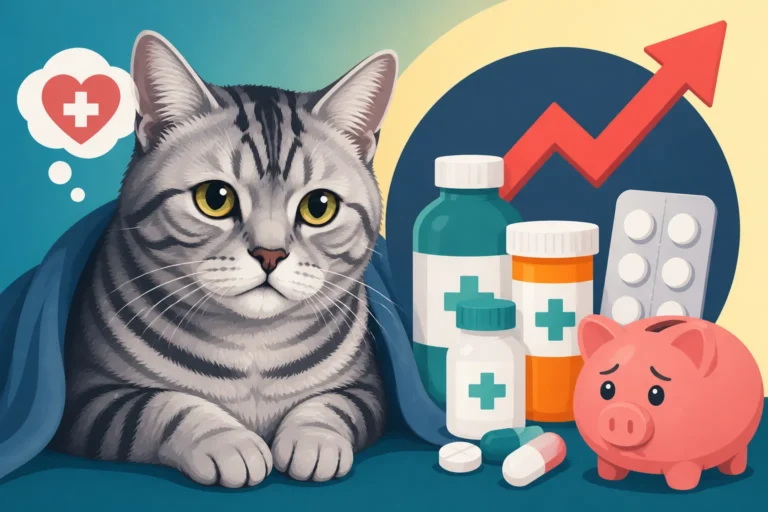
For instance, a cat with early-stage kidney disease might need regular blood pressure checks, specialized prescription diets, and possibly fluid therapy if they become dehydrated. Hyperthyroidism often requires daily medication, which can add up over months and years, or more expensive treatments like radioactive iodine therapy. Arthritis might necessitate daily joint supplements, pain medication, or even specialized injections. These aren't one-time costs; they are ongoing commitments, often for the remainder of your cat's life. The challenge is that these conditions rarely appear in isolation. It's not uncommon for a senior American Shorthair to be managing two or even three chronic issues concurrently, each requiring its own treatment plan and associated cost. This complex interplay of conditions is why What an Aging American Shorthair's Medication Bill Reaches can become so substantial.
The Cost of Specialized Diets and Supplements
As your American Shorthair ages, their nutritional needs change significantly. What was once a perfectly balanced diet for a spry adult might no longer be appropriate for a senior cat with a slower metabolism, potential organ issues, or dental problems. This often leads to a necessary switch to specialized prescription diets and a variety of supplements, all of which tend to come with a higher price tag than standard commercial cat food.
Prescription Diets for Health Support
One of the most common and impactful changes in a senior cat's care is the introduction of prescription diets. If your American Shorthair develops kidney disease, for example, your vet will almost certainly recommend a specific renal diet formulated to reduce the workload on their kidneys and manage phosphorus levels. Similarly, cats with diabetes might need a low-carb diet, and those with gastrointestinal sensitivities could benefit from a highly digestible formula. These diets are not just different flavors; they are carefully balanced therapeutic foods designed to manage specific health conditions.
The reality is, these prescription diets are often more expensive per serving than the regular food you've been buying for years. They are typically sold through veterinary clinics or specialized pet pharmacies, though you can often find them on online retailers like Chewy with a vet's authorization. Sticking to these diets consistently is crucial for managing the condition, which means accepting the increased, ongoing food bill. It's a non-negotiable expense for many senior cats, and one that quickly adds up over several years.
Supplements for Joint, Coat, and Cognitive Health
Beyond prescription diets, many senior American Shorthairs benefit greatly from various supplements aimed at supporting their aging bodies. Joint supplements containing glucosamine and chondroitin are popular for cats showing signs of arthritis or stiffness, helping to maintain cartilage health and reduce inflammation. Omega-3 fatty acids can support skin and coat health, reduce inflammation, and even benefit cognitive function. Antioxidants, often found in specialized senior formulas, can help combat cellular aging.
These supplements, while beneficial, are another layer of cost. They come in various forms – pills, liquids, chews – and need to be administered daily, indefinitely. Just like prescription foods, their cost can range widely depending on the brand and formulation. While they aren't always strictly "prescribed" in the way medication is, many veterinarians will strongly recommend them as part of a holistic approach to senior care. For instance, if your American Shorthair begins to slow down or shows discomfort after jumping, joint support could be key to their comfort, as discussed in When a Stiff American Shorthair Needs Joint Support. This commitment to proactive well-being significantly contributes to the overall budget.
Comfort and Quality of Life Investments
As an American Shorthair ages, their priorities shift from vigorous play and exploration to comfort, warmth, and ease of access. Investing in items that enhance their daily comfort and maintain their quality of life becomes incredibly important, and these purchases, while often overlooked in budgeting, can add up over their last five years.
Ergonomic and Accessible Pet Supplies
Think about how much easier life becomes for an older cat when simple things are adjusted. A once-beloved tall cat tree might become inaccessible due to arthritic joints. Instead, low-profile beds, ramps, or steps can help them reach favorite napping spots on sofas or window sills without pain. Wider, lower-sided litter boxes are essential for cats with mobility issues, preventing painful climbing and potentially avoiding accidents outside the box. These aren't luxury items; they're necessities for an aging cat's dignity and comfort.
Water and food bowls also need consideration. Raised bowls can make eating and drinking more comfortable for cats with neck or joint pain, reducing the need to bend down excessively. Non-slip mats under bowls can prevent frustration for a cat with a less steady gait. Investing in these thoughtful upgrades ensures your American Shorthair can continue to enjoy their home environment without unnecessary strain. Regularly checking How an Old American Shorthair Shows Its Joints Hurt can help you determine when these adjustments are most needed.
Grooming Assistance and Comfort Care
The American Shorthair is known for its relatively low-maintenance coat, but as they age, even this can become a challenge. Older cats may develop arthritis or simply lack the flexibility and energy to groom themselves thoroughly, especially around hard-to-reach areas like their back or hindquarters. This can lead to matting, skin irritation, and even discomfort. As a result, you might find yourself needing to step in more frequently with gentle brushing and even occasional bathing.
Beyond basic grooming, ensuring their comfort includes things like softer bedding, warm sleeping spots (especially in colder climates or for cats with arthritis), and even specialized paw balms if their paw pads become dry or cracked. For a cat that once took pride in its pristine appearance, maintaining their hygiene and coat condition is vital for their well-being and confidence. Sometimes, these small acts of care require special tools or products, adding to the ongoing expenditure.
Emergency Situations and End-of-Life Planning
While we hope for a peaceful decline, the reality is that many senior cats experience unexpected health crises that require urgent veterinary attention. Planning for these potential emergencies, as well as the eventual emotional and financial considerations of end-of-life care, is a crucial part of budgeting for your American Shorthair's final years.
Unforeseen Medical Crises
Even with the best preventative care and chronic disease management, sudden emergencies can still arise. A cat with heart disease might suddenly experience difficulty breathing or a thromboembolism (blood clot), requiring immediate hospitalization. A diabetic cat could have a sudden blood sugar crash or develop diabetic ketoacidosis. Acute kidney failure can sometimes occur even in cats with chronic kidney disease, demanding aggressive treatment. These emergency situations often involve overnight stays at the veterinary hospital, intensive care, extensive diagnostics, and specialized treatments, leading to substantial and often unexpected bills.
Having an emergency fund or robust pet insurance coverage, perhaps from a provider like Healthy Paws, can be a lifesaver in these moments. The emotional toll of making difficult decisions under pressure is already immense; adding severe financial strain can make it unbearable. While we don't want to dwell on these possibilities, being financially prepared for them is a realistic and responsible aspect of senior pet ownership. The decision to pursue expensive emergency treatment versus palliative care often comes down to both the cat's prognosis and the owner's financial capacity.
End-of-Life Care and Dignified Farewell
Eventually, for even the longest-lived American Shorthair, a time will come when quality of life diminishes despite all efforts. End-of-life care focuses on comfort and pain management, ensuring their remaining time is as peaceful as possible. This might involve increasing pain medication, hospice care at home, or further adjustments to their environment. Your vet may suggest a comprehensive senior panel to gauge overall health and inform these difficult decisions, as detailed in What an American Shorthair's Senior Panel Costs.
When the time comes to say goodbye, choosing euthanasia is one of the hardest decisions an owner will ever face. The cost associated with this includes the procedure itself, often with options for in-home euthanasia to provide a peaceful setting. Following this, you'll need to consider cremation services, either communal or private, and perhaps a special urn or memorial item. These final expenses, while deeply personal, are a financial reality that should be gently considered as part of the overall cost of a long life well-lived. Many pet owners find solace in knowing they can provide a dignified farewell without added financial stress during an already heartbreaking time.
Pet Insurance: A Lifeline or an Added Burden?
When considering the long-term costs of a senior American Shorthair, pet insurance often comes up. For some, it's a vital safety net that makes advanced care affordable. For others, particularly with an older pet, it can feel like an added burden with limited returns. Understanding how pet insurance works for older cats, and its potential benefits and drawbacks, is key to making an informed decision for your own financial situation and peace of mind.
Navigating Policy Changes for Senior Pets
The landscape of pet insurance changes significantly as your cat ages. Many policies have age cutoffs for new enrollments, meaning if your American Shorthair is already in its double digits, finding a comprehensive policy for the first time can be challenging or more expensive. Policies that do accept senior pets often come with higher premiums, reduced coverage for certain conditions, or longer waiting periods before pre-existing conditions (which are more likely in older cats) are excluded. If you've had a policy since your cat was younger, the premiums will likely increase annually, reflecting the higher risk of claims as they age.
It's crucial to read the fine print regarding pre-existing conditions. For instance, if your American Shorthair was diagnosed with early-stage kidney disease before you took out the policy, that condition might not be covered, even if the policy is active. This can be a major point of frustration for owners who purchase insurance hoping to cover the very conditions their senior cat is most susceptible to. Whether Insurance Pays Off on a Low Risk American Shorthair becomes a much more complex question when they are older.
Weighing Deductibles, Premiums, and Coverage
The decision to carry pet insurance for an aging American Shorthair involves a careful balancing act between the monthly premium, the annual deductible, the reimbursement percentage, and the overall coverage limits. A higher deductible typically means a lower monthly premium, but you'll pay more out-of-pocket before insurance kicks in. Reimbursement percentages, usually ranging from 70-90%, mean you're always responsible for a portion of the bill.
For some, especially those who prefer to self-insure by setting aside money in a dedicated savings account, the cost of premiums over several years might exceed the benefits, particularly if their American Shorthair remains relatively healthy. However, for those who face a sudden, catastrophic illness requiring thousands of dollars in specialist care, pet insurance can be an absolute lifeline. Companies like Healthy Paws offer different plans that can cater to various needs, but always ensure you understand what is and isn't covered, especially for conditions common in senior cats like HCM. Whether an American Shorthair Policy Covers HCM is a critical question to ask, for example.
The table below outlines potential cost categories for an American Shorthair during their prime vs. their senior years, highlighting the typical increase in frequency and type of expense.
| Cost Category | Prime Years (Approx. 2-10 years) | Senior Years (Approx. 12+ years) | Typical Change |
|---|---|---|---|
| Routine Vet Visits | Annual check-up, vaccinations | Bi-annual check-ups, more extensive physical exams | Increased Frequency |
| Diagnostic Tests | Occasional fecal/urinalysis | Annual or bi-annual blood panels, urinalysis, blood pressure, X-rays | Significantly Increased |
| Medications | Flea/tick/worm prevention | Daily medications for chronic conditions (e.g., thyroid, pain, cardiac) | New & Ongoing Expense |
| Prescription Diets | Standard adult maintenance food | Specialized prescription foods (e.g., renal, diabetic, joint support) | New & Higher Cost |
| Supplements | None or occasional hairball remedy | Daily joint, omega-3, cognitive supplements | New & Ongoing Expense |
| Dental Care | Preventative dental cleanings every few years | More frequent dental cleanings, extractions more likely | Increased Frequency & Complexity |
| Emergency Care | Accidents, acute illnesses (less common) | Acute flare-ups of chronic conditions, sudden organ failure, mobility crises | Higher Likelihood & Cost |
| Comfort Items | Basic bed, scratching posts | Ramps, orthopedic beds, low-entry litter boxes, heating pads | Specific Needs & Upgrades |
| Grooming Assistance | Minimal, self-grooming | Occasional brushing, cleaning if flexibility decreases | Increased Owner Involvement/Products |
| End-of-Life Services | N/A | Euthanasia, cremation, memorial items | New & Significant |
Beyond Medical Bills: Daily Care & Lifestyle Adjustments
While medical expenses often dominate conversations about senior pet costs, it’s important not to overlook the changes in daily care and lifestyle that also contribute to the financial picture. These might seem small individually, but cumulatively, they can impact your budget significantly over five years, all while aiming to provide the best possible comfort and happiness for your aging American Shorthair.
Enhanced Nutrition and Hydration Efforts
As we touched on earlier, specialized diets are a big part of senior care. However, simply switching to a prescription diet isn't always the end of the story. Sometimes, an older American Shorthair might become finicky about food, or lose their appetite. This can lead to trying various brands of high-quality, palatable senior formulas or even warming food to make it more appealing. Fresh, human-grade food might be explored for its palatability and nutrient density, especially if a cat is struggling to eat. These types of foods often carry a premium price point, but can be invaluable for maintaining weight and energy levels.
Hydration also becomes more critical. You might invest in water fountains to encourage drinking, offer wet food exclusively (which typically costs more than kibble), or even add water or broth to their meals. Monitoring their water intake and ensuring they stay hydrated is paramount for kidney health, as highlighted in How Much Water Keeps an American Shorthair's Bladder Clear. These efforts, while caring and necessary, translate into a higher monthly food and drink budget than you might have had for your younger cat.
Adapting Their Environment and Enrichment
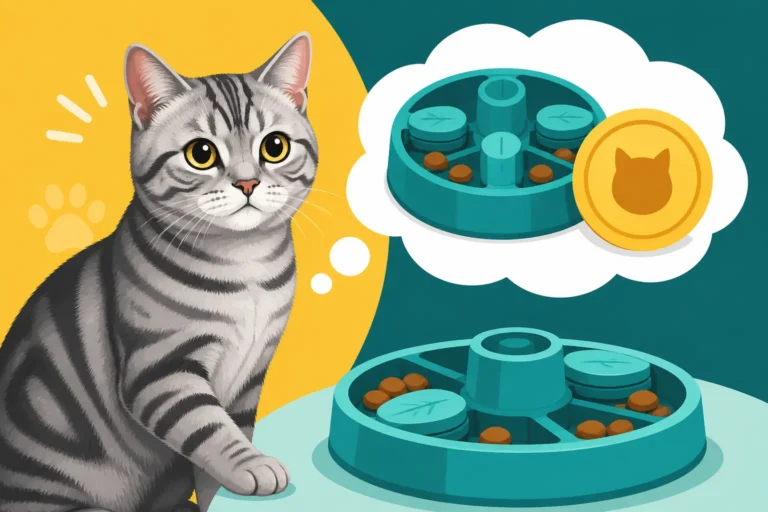
The vibrant, active American Shorthair of their youth might spend less time chasing toys and more time napping. However, mental and gentle physical stimulation are still vital for cognitive health and preventing boredom. You might invest in puzzle feeders for their meals, which encourages slow eating and mental engagement, or simpler, softer toys that are easier to bat around. Creating multiple comfortable, easily accessible resting spots around the house, some warm and cozy, others cool and airy, becomes important.
For cats with declining vision or hearing, maintaining a consistent home environment and minimizing sudden changes can reduce stress. While this isn't a direct financial cost, it means careful consideration before home renovations or introducing new pets, which might incur costs in training or pet-proofing. If your cat can no longer jump effectively, you might consider ramps or steps to access favorite high spots. All these adjustments, whether purchasing new items from a retailer like Chewy or modifying existing ones, contribute to the cumulative expense of ensuring their comfort and mental well-being in their later years.
Disclaimer
This article is for general informational purposes only and does not constitute professional advice. Laws, prices and regulations vary by location and change over time. Consult a qualified professional for guidance on your specific situation.