What a Championship Line American Shorthair Costs
For many aspiring American Shorthair owners, the initial sticker shock when looking at kittens from established breeders can be a real moment of pause. You've seen those gorgeous, impeccably patterned cats winning awards, and naturally, you might wonder what it actually costs to bring home one of these "championship line" beauties. It's not just a simple price tag; it's an investment in a legacy, and understanding why these kittens command a higher price point – and what that price includes – is key to making an informed decision. This guide aims to pull back the curtain on the economics of championship line American Shorthairs, helping you understand the value behind the numbers.
Defining a Championship Line American Shorthair
Before we dive into the numbers, it’s crucial to understand what "championship line" truly signifies. It's more than just a fancy term; it speaks to generations of careful breeding, adherence to rigorous standards, and a dedication to the health and temperament of the breed. This isn't just about a cat looking pretty; it's about a cat embodying the very essence of the American Shorthair as defined by feline registries.
What "Championship Line" Actually Means
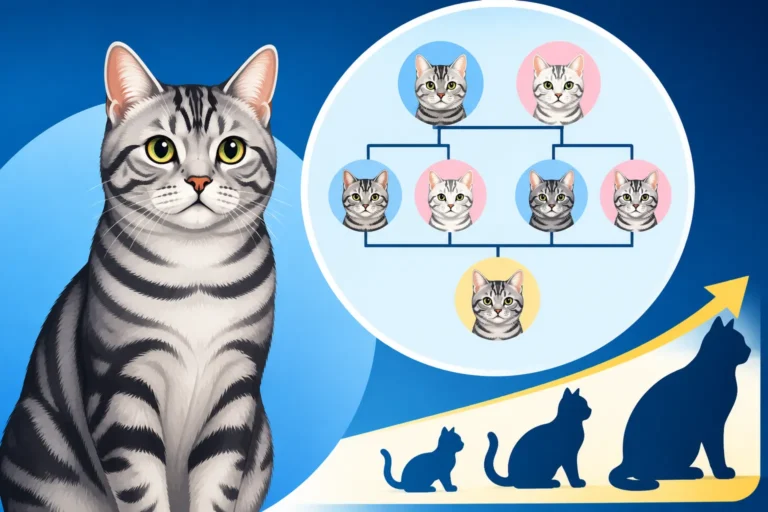
When a breeder refers to a "championship line," they're talking about a lineage of cats that have consistently met, or often exceeded, the breed standard in the show ring. This means the kitten's parents, grandparents, and often great-grandparents have earned champion, grand champion, or even national-level titles from respected organizations like the Cat Fanciers' Association (CFA) or The International Cat Association (TICA). It's a testament to the breeder's commitment to improving and maintaining the breed's integrity, rather than just producing kittens.
Think about it: these breeders spend years, sometimes decades, honing their lines. They aren't just pairing any two cats; they are meticulously studying pedigrees, evaluating conformation, temperament, and health history. Every breeding decision is a calculated move to produce kittens that are closer to the ideal American Shorthair. This dedication means significant time, effort, and financial investment long before a kitten is even born.
The Breed Standard and Conformation
The breed standard is essentially the blueprint for the ideal American Shorthair. It details everything from the shape of the head and ears, the musculature of the body, the set of the eyes, to the texture and pattern of the coat. A championship line cat excels in conforming to this standard. This isn't just aesthetic; the standard often reflects functional aspects of the breed's working origins. For instance, the broad chest and sturdy build of the American Shorthair are remnants of its mouse-hunting days, designed for strength and agility.
A breeder dedicated to championship lines invests heavily in understanding and applying this standard. They spend countless hours at cat shows, learning from judges, evaluating their own cats against the competition, and making tough decisions about which cats to breed forward. They are constantly striving for perfection, knowing that a cat that closely adheres to the standard is not only beautiful but also typically possesses the robust health and balanced temperament for which the breed is known. It’s an ongoing process of learning, refinement, and selective breeding that differentiates a championship line from a pet-quality animal, even if both are lovely cats.
Factors Influencing the Price Tag
The cost of a championship line American Shorthair isn't pulled out of thin air. It's a reflection of a multitude of investments and commitments made by the breeder. These factors contribute significantly to the perceived value and actual expense involved in producing such high-quality animals.
Breeder Investment in Show Campaigns
One of the most substantial hidden costs in a championship line kitten's price is the breeder's investment in showing their cats. Campaigning a cat to a championship title is no small feat, especially for a breed as competitive as the American Shorthair. This involves travel to numerous cat shows, often across state lines or even internationally, entry fees for each show, grooming supplies, and sometimes even professional handlers. These expenses add up rapidly, considering a single show weekend can easily cost hundreds, if not thousands, of dollars, and a cat might need to attend many shows to achieve top titles.
Furthermore, the time commitment is immense. Breeders dedicate entire weekends to shows, sacrificing personal time to showcase their cats and gain critical feedback from judges. This pursuit of titles isn't just for prestige; it's how breeders validate their breeding program, ensuring their cats truly meet the breed standard and are worthy of continuing the line. This rigorous evaluation process ensures that the kittens produced from these lines are truly exceptional examples of the breed.
Extensive Health Screening and Genetic Testing
Another significant factor in the higher cost of championship line American Shorthairs is the comprehensive health screening undertaken by responsible breeders. These aren't just basic vet check-ups; they involve specialized genetic tests and veterinary consultations to rule out inherited diseases that could affect the breed. For American Shorthairs, this often includes screening for hypertrophic cardiomyopathy (HCM), a common heart condition in felines. Breeders will typically have their breeding cats undergo regular echocardiograms with a veterinary cardiologist. You can read more about Why an American Shorthair Still Needs a Yearly Heart Scan.
Beyond heart health, reputable breeders might also screen for hip dysplasia, certain blood disorders, and other genetic markers, depending on what panels are available and recommended for the breed. All these tests, especially repeat screenings, are costly. However, they provide immense peace of mind to future owners, significantly reducing the risk of bringing home a kitten prone to serious, expensive health issues down the line. This proactive approach to health is a cornerstone of responsible breeding and a key differentiator of championship lines.
Quality Care for Breeding Cats and Kittens
The daily care provided to breeding cats and their offspring is another major contributor to the overall price. Championship line breeders spare no expense when it comes to nutrition, veterinary care, and overall welfare. This means feeding high-quality, often premium, diets that support optimal health for both adults and growing kittens. They provide clean, spacious environments, stimulating enrichment, and constant social interaction, which are critical for developing well-adjusted, confident kittens.
Consider the veterinary care for a pregnant queen and her litter. This includes pre-natal check-ups, potentially assisted deliveries, post-natal care for the mother, and multiple vet visits for the kittens for vaccinations, deworming, and general health assessments. A kitten from a championship line will typically have its first set of vaccinations, deworming treatments, and a thorough vet check-up before going home. Often, the breeder will also include microchipping and a spay/neuter contract, with the initial cost sometimes covering a portion of the spay/neuter fee. This level of comprehensive care ensures the kittens are healthy, strong, and ready for their new homes.
Limited Litters and Selective Breeding
Unlike mass breeding operations, championship line breeders typically have very few litters per year. Their focus is on quality, not quantity. Each breeding is carefully planned, often with a specific goal in mind – to improve a certain aspect of the breed standard, enhance temperament, or further solidify health guarantees. This selective breeding means that available kittens are a rarity, increasing their intrinsic value.
The demand for kittens from proven championship lines often outstrips supply, contributing to the higher price. Prospective owners understand they are not just buying a cat; they are investing in a meticulously developed animal with a predictable temperament and appearance, backed by generations of verifiable health and show success. This careful, thoughtful approach to breeding is a far cry from indiscriminate pairings and results in truly special companions.
What a Championship Line Purchase Includes
When you decide to invest in a championship line American Shorthair, you're not just getting a kitten. You're acquiring a meticulously bred animal, comprehensive support, and the confidence that comes with a responsible breeder's commitment. It’s a package deal that goes far beyond the initial transaction.
Health Guarantee and Pedigree Documentation
A hallmark of a reputable championship line breeder is the comprehensive health guarantee that accompanies each kitten. This isn't just a casual promise; it's a written contract that outlines the breeder's responsibility for the kitten's health, often for a specified period against certain genetic conditions. This provides invaluable peace of mind, knowing that the breeder stands behind the health of their lines. For instance, if an unforeseen genetic issue arises within the guarantee period, the breeder typically offers a replacement kitten or a partial refund, as per the terms of the contract. This commitment reflects their confidence in their breeding program and their ethical responsibility to their clients. You might also want to ask Whether an American Shorthair Kitten Arrives With Health Paperwork.
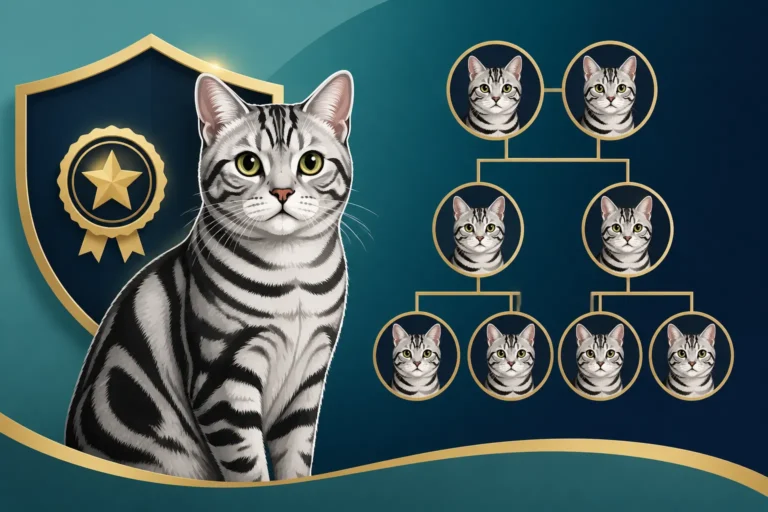
Alongside the health guarantee, you will receive full pedigree documentation. This is a multi-generational chart detailing your kitten's lineage, proving its purebred status and championship background. This pedigree is registered with a recognized cat association, such as the CFA or TICA, and confirms that your kitten is indeed an American Shorthair from a verifiable championship line. This paperwork isn't just for show; it's proof of your cat's heritage and the rigorous standards applied to its ancestors. You can also explore What an American Shorthair Pedigree Guarantees to understand more about its predictive value.
Early Socialization and Temperament
One of the most invaluable, yet often overlooked, aspects of a championship line kitten is the extensive early socialization it receives. Reputable breeders understand that a cat's temperament is heavily influenced by its experiences during its critical developmental stages. Kittens are raised in a home environment, exposed to various sights, sounds, and interactions with people, children, and sometimes other pets. This careful exposure helps them develop into confident, friendly, and adaptable companions.
A championship line American Shorthair is expected to embody the breed's characteristic placid, outgoing, and affectionate nature. The breeder actively works to foster these traits through daily handling, play, and positive reinforcement. This hands-on approach minimizes behavioral issues later in life, making the transition to a new home much smoother. You'll often find that these kittens are curious, comfortable with being handled, and eager to explore their new surroundings, rather than being timid or fearful. This foundational work in temperament development saves new owners countless hours and potential frustrations.
Lifetime Breeder Support and Resources
Perhaps one of the most significant, yet intangible, benefits of purchasing from a championship line breeder is the lifetime support they offer. A good breeder doesn't just sell you a kitten and disappear; they become a lifelong resource for advice, guidance, and support. Whether you have questions about nutrition, behavior, grooming, or health concerns, your breeder is often your first and most trusted point of contact. They know their lines intimately and can offer insights that no general vet or online forum ever could.
This support extends to providing recommendations for veterinarians, groomers, and even pet sitters. Many breeders are part of extensive networks and can connect you with other responsible owners or professionals. This ongoing relationship ensures that you and your American Shorthair always have a knowledgeable advocate. This level of support is invaluable, particularly for first-time cat owners, and represents a significant part of the overall value proposition of a championship line kitten.
The Cost Spectrum: What to Expect
The price of a championship line American Shorthair can vary, but generally, it falls within a certain range that reflects the quality, care, and lineage. It's not a fixed fee, but rather a spectrum based on several nuances.
Typical Price Range for Championship Lines
While specific figures aren't part of my current data, you can expect championship line American Shorthairs to be at the higher end of the spectrum for purebred cats. This reflects the intense investment breeders make in their programs, from show campaigns and genetic testing to superior daily care and extensive socialization. Kittens from particularly successful lines, where multiple generations have achieved high-ranking titles or produced grand champions, will naturally command a premium. The breed's popularity, especially the iconic silver tabby pattern, can also influence demand and, consequently, price. You might be interested in Why the Silver Tabby American Shorthair Commands a Premium.
It's important to understand that this price isn't just for the kitten itself, but for the assurance of health, temperament, and adherence to the breed standard that comes with it. You're paying for predictability and a reduced likelihood of costly health issues down the road, as well as the peace of mind that your cat comes from a responsible, ethical source.
Variations Based on Pedigree and Markings
Within championship lines, there can still be price variations. A kitten destined for the show ring, often referred to as a "show quality" kitten, will typically cost more than a "pet quality" kitten from the same championship litter. Show quality means the kitten meets the breed standard almost perfectly, with ideal conformation and markings. Pet quality kittens, while still robustly healthy and having wonderful temperaments, might have a minor conformational flaw or a less-than-perfect coat pattern that would prevent them from being competitive in the show ring. However, they are still wonderful companions and carry the same excellent genetics.
Certain colors and patterns can also influence the price. While all American Shorthair colors are beautiful, the classic silver tabby is often the most sought-after and thus can sometimes be priced higher. Other patterns, like the brown tabby, red tabby, or solid colors, may be slightly less, but still within the premium range due to their championship lineage. It truly depends on the specific breeder's lines, the rarity of a particular trait within those lines, and current demand.
Deposits, Contracts, and Waiting Lists
Most reputable breeders will require a non-refundable deposit to reserve a kitten from an upcoming litter, or from a specific pairing. This deposit secures your place on a waiting list, which can sometimes be quite long for highly sought-after championship lines. This also helps the breeder gauge genuine interest and plan for future litters.
Upon selecting your kitten, you'll sign a comprehensive contract. This document is designed to protect both you and the breeder, outlining the terms of sale, health guarantees, spay/neuter requirements (most pet quality kittens are sold with a contract requiring spay/neuter by a certain age), and the breeder's commitment to lifetime support. This contract is a legal agreement and a sign of the breeder's professionalism. Be sure to ask Which Questions to Ask an American Shorthair Breeder to ensure you're comfortable with all terms. This entire process, from deposit to contract, is part of the structured and responsible approach of a championship line breeder.
Beyond the Initial Purchase: Ongoing Costs
While the upfront cost of a championship line American Shorthair is a significant consideration, it's crucial to remember that the purchase price is just the beginning of your financial commitment. Owning any cat, especially a purebred, comes with ongoing expenses that responsible owners must budget for over the cat's entire lifespan, which for an American Shorthair can be an impressive The Fifteen to Twenty Years the American Shorthair Was Given.
Food and Nutrition
Feeding a championship line American Shorthair means providing a high-quality, balanced diet to maintain its muscular physique and overall health. These cats benefit from premium wet and/or dry food rich in animal protein. While cheaper options exist, they often lack the nutritional density needed, potentially leading to health issues down the line. A premium diet, while more expensive per bag or can, contributes to better coat health, energy levels, and can prevent certain health problems, ultimately saving on vet bills.
Consider reputable brands known for quality ingredients. Many owners find value in buying food in bulk from retailers like Chewy to manage costs, especially if they have more than one cat. The specific cost will depend on the brand, type of food (wet, dry, raw), and your cat's individual needs, but expect it to be a consistent monthly expense. For an active, well-built cat like the American Shorthair, ensuring proper nutrition is paramount.
Veterinary Care and Preventative Measures
Even with the rigorous health screening that championship line American Shorthairs undergo, ongoing veterinary care is non-negotiable. This includes annual check-ups, booster vaccinations, and regular deworming and flea/tick prevention. As your American Shorthair ages, these visits may become more frequent, especially after they reach their senior years. Proactive preventative care is key to a long, healthy life.
Beyond routine care, you should budget for unexpected veterinary emergencies or illnesses. While American Shorthairs are generally healthy, no cat is immune to every ailment. This is where pet insurance can be a lifesaver. Providers like Healthy Paws offer various plans that can help cover significant portions of unexpected vet bills, from accidents to major illnesses. Many American Shorthair owners find that the relative health of the breed makes Whether an American Shorthair Is Cheap to Insure quite appealing, potentially offsetting some costs. Even with insurance, however, there will be deductibles and co-pays.
Grooming and Enrichment Supplies
While American Shorthairs are relatively low-maintenance when it comes to grooming due to their short, dense coats, they still require some basic supplies. A good quality brush for seasonal shedding, nail clippers for regular trims, and dental care products like a cat toothbrush and enzymatic toothpaste are essential. They rarely need professional grooming, which is a financial relief compared to long-haired breeds. You can learn more about How Little Combing an American Shorthair Actually Needs.
Enrichment is also crucial for these intelligent and active cats, particularly for What an Indoor American Shorthair Does With a Mouser's Instinct. This means investing in sturdy scratching posts, interactive toys, puzzle feeders (to engage their hunting instincts, like those found on Chewy's selection), and comfortable bedding. While these are often one-time or infrequent purchases, they contribute to your cat's mental and physical well-being. A rotating selection of toys helps keep them engaged and prevents boredom, which can sometimes lead to destructive behaviors.
Pet Insurance and Emergency Funds
Having a plan for unforeseen medical expenses is a critical part of responsible pet ownership. As mentioned, pet insurance, such as plans from Healthy Paws, can provide a financial safety net. It's often recommended to enroll your kitten early, before any pre-existing conditions can develop, to ensure the broadest coverage.
Alternatively, some owners opt to establish a dedicated emergency fund for their cat. This involves regularly setting aside money into a separate savings account specifically for vet emergencies. The right approach depends on your financial situation and risk tolerance, but having either insurance or a robust emergency fund is highly advisable. For a long-lived breed like the American Shorthair, you're preparing for a potential two-decade commitment, and financial preparedness is a huge part of that.
Finding a Reputable Breeder for Championship Lines
Finding a truly reputable breeder for a championship line American Shorthair requires due diligence and patience. You're not just looking for a kitten; you're seeking a trustworthy individual who prioritizes the welfare, health, and integrity of the breed above all else. This process is about building a relationship, not just making a transaction.
Identifying Ethical Breeding Practices
An ethical breeder of championship line American Shorthairs will be transparent about their breeding practices. They should be eager to discuss their goals, show campaigns, and the health testing results of their breeding cats. They will readily share information about their cats' pedigrees and registrations with recognized associations like the CFA or TICA. You should be able to ask about specific inherited diseases relevant to the breed, like HCM, and expect clear answers regarding their screening protocols. You can find out How to Find an American Shorthair Breeder Worth Paying For through various resources.
Furthermore, ethical breeders will never sell kittens to pet stores, brokers, or allow them to leave their care before they are at least 12-16 weeks old. This extended time with their mother and littermates is crucial for proper socialization and development. They will also be extremely selective about who they sell their kittens to, often asking you as many questions as you ask them to ensure their kittens are going to loving, appropriate homes.
Visiting the Cattery and Meeting the Parents
A visit to the breeder's home or cattery (if they have a dedicated facility) is an essential step. This allows you to observe the living conditions of the cats, which should be clean, spacious, and stimulating. More importantly, it gives you the opportunity to meet the kitten's parents, or at least the mother. Interacting with the adult cats provides invaluable insight into the temperament and personality your kitten is likely to develop. A friendly, well-adjusted mother cat is a strong indicator of what you can expect from her offspring.
A reputable breeder will welcome such a visit and be proud to show you their cats and facilities. If a breeder is hesitant or refuses a visit, especially without a compelling reason, it should raise a red flag. This transparency is key to building trust and ensuring you're making a responsible choice. Don't underestimate the importance of seeing the environment where your future companion is raised.
Understanding Contracts and Guarantees
As discussed, a written contract is a non-negotiable part of purchasing a championship line American Shorthair. This document should clearly detail the purchase price, health guarantee, vaccination and deworming schedule, spay/neuter clause (for pet quality kittens), and return policy. It should also specify what documentation you will receive, such as the pedigree, registration papers, and health records. Take the time to read and understand every clause before signing.
Don't hesitate to ask questions about anything unclear in the contract. A good breeder will patiently explain all terms and ensure you are comfortable. The contract serves as a legal agreement that protects both parties and outlines the commitments involved. This is your assurance that the breeder stands behind their cats and their word.
The Value Proposition: Is it Worth the Investment?
When faced with the cost of a championship line American Shorthair, many prospective owners naturally ask: is it truly worth the investment? The answer, like with many significant decisions, depends on your priorities and what you value in a companion animal. For those seeking predictability, health assurance, and specific breed traits, the value proposition is often compelling.
Predictability in Appearance and Temperament
One of the primary benefits of a championship line American Shorthair is the high degree of predictability you gain. Years of selective breeding to a strict standard mean that these kittens will reliably grow into cats that look like the quintessential American Shorthair: a sturdy, muscular cat with a distinctive face and a classic tabby pattern (though other colors exist). You won't have to wonder if your kitten will mature into something unexpected; its lineage provides a clear roadmap. For many, this aesthetic assurance is a significant draw.
Beyond looks, the predictability of temperament is arguably even more valuable. American Shorthairs are renowned for their laid-back, affectionate, yet independent nature. They are generally good with children and other pets, adaptable to various home environments, and not overly demanding. A championship line breeder meticulously screens for and reinforces these traits, meaning your kitten is far more likely to possess the calm, companionable disposition that the breed is famous for. This is a stark contrast to the often unknown genetic lottery of a random-bred cat. You can learn more about What an American Shorthair Pedigree Predicts About Temperament.
Reduced Risk of Inherited Health Issues
While no animal is immune to all health problems, a championship line American Shorthair comes with a significantly reduced risk of inherited diseases. The extensive health screening and genetic testing performed by reputable breeders mean that the breeding stock is clear of known genetic predispositions common in the breed, such as HCM. This proactive approach can translate into fewer costly veterinary bills and less emotional distress over your cat's health in the long run.
This isn't to say a championship line cat will never get sick, but it means you're starting with the best possible genetic foundation. The investment in a well-bred kitten is, in many ways, an investment in its long-term health and well-being, potentially saving you substantial amounts on veterinary care over its lifetime. It provides a level of assurance that can be incredibly comforting.
The Long-Term Companion and Legacy
Ultimately, the decision to invest in a championship line American Shorthair is about acquiring a lifelong companion. These cats are known for their longevity and robust health, with many living well into their teens and even approaching two decades. The foundation laid by a responsible breeder ensures you're bringing home an animal optimized for a long, healthy, and happy life by your side. You are not just buying a pet; you are becoming a custodian of a carefully cultivated lineage, one that has been developed over generations to embody the best qualities of the American Shorthair breed.
For those who appreciate the history, beauty, and predictable nature of purebred cats, the investment in a championship line American Shorthair is a commitment to quality and a deeply rewarding experience. It ensures you are not just getting a cat, but a true representative of the breed, carefully nurtured and prepared to be a beloved member of your family for many years to come.
Comparison to Other Options
Understanding the cost of a championship line American Shorthair often prompts comparison with other options, primarily pet-quality purebreds or shelter cats. Each choice offers a different balance of upfront cost, predictability, and potential long-term expenses, and it's essential to weigh these factors honestly.
Championship vs. Pet Quality American Shorthairs
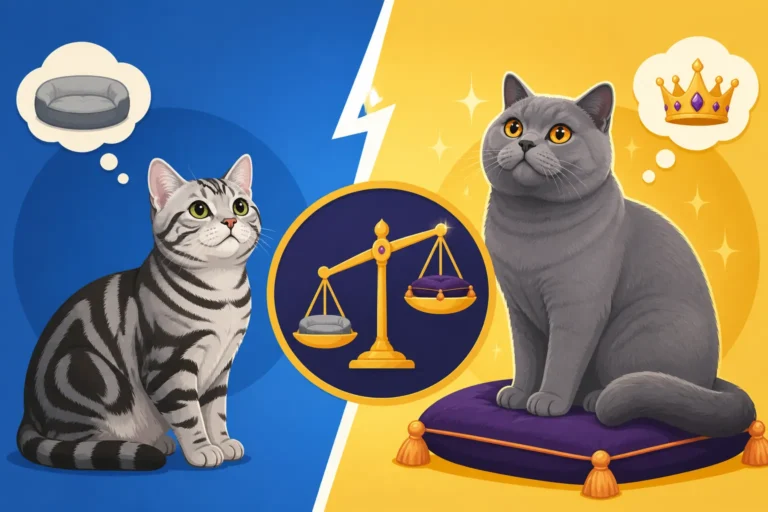
As previously touched upon, a pet quality American Shorthair from a reputable breeder, even if not from a "championship line" (meaning its parents might not be champions, but still purebred and healthy), will generally cost less than a championship line kitten. Even within a championship litter, the kittens designated "pet quality" due to minor conformational flaws not suitable for showing will be priced lower than their "show quality" littermates.
The key difference isn't health or temperament – a good breeder ensures all their kittens are healthy and well-socialized – but rather the adherence to the breed standard for show purposes. A pet quality American Shorthair still comes with pedigree papers, health guarantees, and breeder support. You're getting the breed's predictable traits without the premium for show ring perfection. This can be an excellent option for those who want a purebred American Shorthair without the highest price tag. You might want to consider Why American Shorthair Prices Range So Widely.
Purebred vs. Domestic Shorthair (Shelter Cat)
Comparing a purebred American Shorthair, especially one from a championship line, to a domestic shorthair (often referred to as a "moggy" or "alley cat") from a shelter is where the cost difference is most pronounced. Shelter adoption fees are typically much lower, covering spay/neuter, initial vaccinations, and microchipping. Financially, it's often the most affordable upfront option. You can read more about What a Shelter Fee Covers on an American Shorthair Type Cat.
However, a shelter cat offers far less predictability. While many domestic shorthairs are wonderful companions, their exact lineage, breed composition, and health history are often unknown. This means you have less certainty about their adult size, appearance, and inherent temperament traits. They may also be more prone to certain genetic conditions if their parentage isn't screened. For those who prioritize a specific look, a guaranteed temperament, and a documented health lineage, the purebred route, despite its higher cost, provides that assurance. Conversely, a domestic shorthair from a shelter offers the unique joy of giving a deserving cat a second chance, with all its inherent charm and individuality. Both are valid choices, but they cater to different priorities.
| Feature | Championship Line American Shorthair | Pet Quality American Shorthair (from breeder) | Domestic Shorthair (shelter) |
|---|---|---|---|
| Initial Cost | High | Moderate | Low (adoption fee) |
| Predictability | Very High (looks, temperament, health) | High (looks, temperament, health) | Low (unknown lineage) |
| Health Screening | Extensive (parents & kitten) | Good (parents & kitten) | Varies (often basic vet check) |
| Pedigree/Papers | Yes, championship titles | Yes, purebred registration | No |
| Breeder Support | Lifetime, comprehensive | Lifetime, good | Post-adoption support (shelter) |
| Show Potential | Yes | No (minor flaws) | No |
| Temperament | Highly predictable, breed-typical | Highly predictable, breed-typical | Variable, individual |
| Spay/Neuter | Often part of contract/cost | Often part of contract/cost | Included in adoption fee |
This table illustrates the different value propositions, allowing prospective owners to align their budget and priorities with the right choice for their family.
Disclaimer
This article is for general informational purposes only and does not constitute professional advice. Laws, prices and regulations vary by location and change over time. Consult a qualified professional for guidance on your specific situation.