How Tooth Resorption Shows Up in an American Shorthair
It’s heartbreaking to realize your beloved American Shorthair might be in pain, especially when they’re so good at hiding it. One of the sneakiest and most common dental issues that can afflict our stoic feline companions is tooth resorption, a condition that can cause significant discomfort long before you ever notice anything amiss. This comprehensive guide is here to walk you through the subtle and more obvious signs, helping you recognize when your American Shorthair might be suffering from this silent thief of dental health.
The Mystery of Feline Tooth Resorption
Tooth resorption, often referred to as Feline Odontoclastic Resorptive Lesions (FORLs), is a frustrating and painful condition where the tooth structure of a cat is progressively destroyed by its own body. Unlike cavities, which are caused by bacterial decay, tooth resorption is a process where specialized cells called odontoclasts, which normally resorb baby teeth, start to break down adult teeth. It's truly perplexing because the exact cause isn't fully understood, making it a challenge for many cat owners to grasp. Imagine waking up one day to find your own bones slowly dissolving – that’s the kind of insidious pain your American Shorthair might be experiencing internally. This condition is far more prevalent than most people realize, affecting a significant percentage of adult cats, and it can be incredibly painful.
Understanding Feline Odontoclastic Resorptive Lesions
At its core, a FORL is a progressive lesion that eats away at a tooth, starting from the outside surface or even internally. These lesions typically begin at the gum line, or even beneath it, making them incredibly difficult to spot with the naked eye during a casual peek into your cat’s mouth. Over time, these resorptive lesions can erode the enamel, dentin, and even the pulp chamber of the tooth, exposing sensitive nerves and causing excruciating pain. Think of it like a tiny, aggressive drill steadily boring into your cat's tooth, leading to hypersensitivity.
The progression can vary; some lesions develop slowly, while others can advance rapidly. As the condition worsens, the gum tissue might start to grow over the damaged part of the tooth, attempting to protect it, which is often what leads to the characteristic "pink spot" or gingival inflammation that a vet might observe. But by the time it reaches this stage, your American Shorthair has likely been in pain for quite some time. Unfortunately, once a tooth has a resorptive lesion, it typically continues to worsen, which means intervention is almost always necessary to alleviate suffering.
Why Some Breeds, Including American Shorthairs, Seem Predisposed
While tooth resorption can affect any cat, regardless of breed, age, or diet, some studies suggest certain breeds might be more predisposed, or perhaps their particular characteristics make the condition harder to detect. For American Shorthairs, known for their robust health and often stoic nature, this condition can be particularly insidious. They are, after all, a breed celebrated for their hardiness and resilience, making it easy for owners to overlook subtle signs of discomfort. Research indicates that anywhere from 30% to 70% of cats over five years old have at least one resorptive lesion.
There isn't a definitive genetic link identified for American Shorthairs specifically, but their relatively long lifespan means they have more years for these lesions to develop. Moreover, their quiet demeanor means they often suffer in silence, enduring pain without much complaint. This quiet suffering is a common trait in cats, especially those like the American Shorthair, who retain some of their independent, working-cat ancestry. If you're pondering Why a Stoic American Shorthair Hides Pain the Longest, you'll understand why it's so critical to be extra vigilant with this particular breed when it comes to any health issues, especially those as subtle as dental pain. Their ancestors were masters of self-preservation, and this instinct to conceal weakness translates into a remarkable ability to mask discomfort, including that caused by tooth resorption.
Subtle Signs of Tooth Resorption in Your Feline Friend
Because American Shorthairs are so adept at hiding pain, recognizing tooth resorption often comes down to noticing the most subtle shifts in their behavior or routine. These aren't always dramatic changes; sometimes, it's just a slight deviation from their usual habits that, when pieced together, paints a clearer picture of their discomfort. It really challenges you as an owner to become a detective, observing every nuance of their day.
Changes in Eating Habits and Oral Sensitivity
One of the first, most common, yet easily dismissed signs of tooth resorption involves changes in how your American Shorthair eats. They might not stop eating entirely, which would be a glaring red flag, but their approach to food can become different. Imagine your usually enthusiastic American Shorthair, known for its hearty appetite, suddenly turning its nose up at its favorite crunchy kibble. Perhaps they only eat the wet food, or they start dropping bits of food from their mouth as they chew.
You might notice them chewing more slowly, or favoring one side of their mouth. Some cats will approach the food bowl, take a sniff, and then hesitate, as if anticipating pain before they even take a bite. Others might pick up a piece of food, then drop it, and try again, only to repeat the process. This isn't pickiness; it's pain. They might also become more sensitive around their mouth. If you try to give them a treat or even gently stroke their cheek, they might flinch or pull away, which is unusual for a typically tolerant American Shorthair. These subtle cues are your cat’s way of saying, "Something hurts here," even if they aren't directly vocalizing it. This also ties into Why an American Shorthair Loses Teeth Nobody Noticed, as these subtle shifts can easily be mistaken for aging or fussiness, allowing the underlying dental issue to worsen.
Behavioral Clues You Might Miss
Beyond eating habits, tooth resorption can manifest through broader behavioral changes. Your American Shorthair might become more irritable, especially if you accidentally touch their face or they perceive a threat to their sensitive mouth area. They might retreat more often, seeking solitary spots away from family activity, which is a significant change for a breed typically content to be near their people.
Another sign can be a decrease in grooming. Cats are fastidious creatures, and pain, especially oral pain, can make self-grooming difficult and uncomfortable. You might notice their coat becoming a bit duller or less well-maintained, particularly around their face and front paws where they usually clean after meals. Sometimes, you might even see excessive drooling or pawing at their mouth, though these are usually signs of more advanced discomfort. In rare cases, a cat might develop halitosis – bad breath – though this is more commonly associated with Why Gum Disease Is the American Shorthair's Quietest Problem, which can often coexist with or mask tooth resorption. The key here is recognizing a shift from their baseline behavior. If your easygoing American Shorthair suddenly seems less engaged or more withdrawn, it’s worth investigating their oral health with your vet.
Advanced Symptoms and When to Seek Veterinary Help
While early signs are often subtle, as tooth resorption progresses, the symptoms become more apparent and indicative of significant pain. This is when urgent veterinary attention is truly needed to prevent further suffering and potential complications.
Visible Oral Lesions and Dental Changes
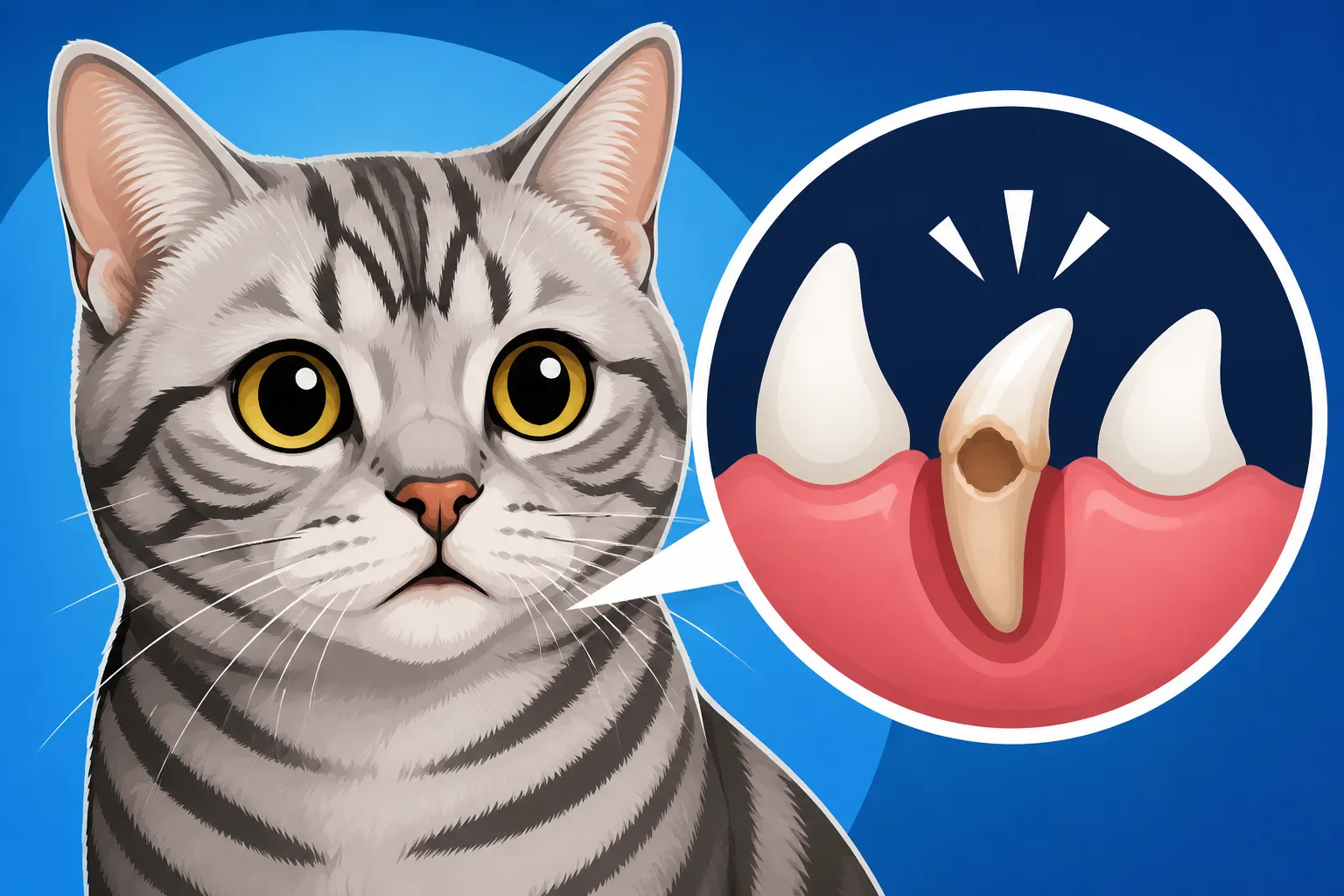
In later stages, you might actually be able to spot signs of tooth resorption during a careful inspection of your American Shorthair's mouth, though this often requires them to be very cooperative, which isn't always the case for a cat in pain. What you might see is a distinctive red, inflamed area on the gum line, often appearing as if the gum is growing over a part of the tooth. This is called a gingival proliferation. Beneath this red spot, the affected tooth will likely be eroded or have a visible hole.
The lesions can vary in appearance; sometimes they look like a small "pink spot" where the enamel has been destroyed and the underlying dentin is exposed. Other times, the tooth might appear fractured or chipped at the gum line, even though there was no obvious trauma. The exposed areas can be extremely sensitive. Imagine brushing your own teeth and hitting a nerve – that's the kind of intense, sharp pain these lesions can cause. If you manage to gently touch the affected area, your cat might react strongly, recoiling, chattering their jaw, or even lashing out, indicating severe discomfort. Any visible anomaly in your cat’s teeth or gums warrants an immediate vet visit.
Beyond the Mouth: Systemic Impacts
Left untreated, the chronic pain and potential infection from tooth resorption can begin to take a toll on your American Shorthair's overall health. This isn't just about a sore tooth anymore; it's about the systemic impact of ongoing discomfort. You might notice significant weight loss because eating has become too painful. A usually active cat might become lethargic and less interested in play, preferring to sleep more. Their personality might even change, becoming more reclusive or even aggressive due to constant pain.
The infection from severe lesions can also spread. While less common, uncontrolled dental infections can lead to abscesses that extend into the jawbone or even affect distant organs like the heart or kidneys if bacteria enter the bloodstream. This highlights why prompt veterinary care is so important, not just for pain relief but for your cat's long-term well-being. This is also where having a good pet insurance plan, such as one from Healthy Paws, can be incredibly valuable. Dealing with advanced dental issues, especially those requiring complex extractions or prolonged pain management, can lead to significant veterinary bills. Having insurance can alleviate some of that financial stress, allowing you to focus purely on your American Shorthair's recovery. For many owners, the question of Whether Insurance Pays Off on a Low Risk American Shorthair becomes very real when unexpected health issues like tooth resorption arise, proving that even hardy breeds can incur significant vet costs.
Diagnosis and Management of Tooth Resorption
Once you suspect tooth resorption, the next step is a trip to the vet. This isn't a problem you can manage at home with over-the-counter pain relief or special diets; professional veterinary intervention is essential.
The Importance of Professional Dental Exams and X-rays
A thorough diagnosis of tooth resorption in an American Shorthair absolutely requires a professional dental exam, typically performed under general anesthesia. Why anesthesia? Because, as mentioned earlier, many lesions are below the gum line and incredibly painful. A conscious cat, even a very tolerant one, simply won't allow a vet to probe and examine every tooth adequately, let alone take X-rays.
During the exam, your vet will carefully inspect each tooth and gum line, looking for those tell-tale red spots or erosions. However, the true diagnostic hero here is dental radiography, or X-rays. It’s estimated that 60-80% of all resorptive lesions are initially hidden beneath the gum line, making them invisible to the naked eye. X-rays reveal the extent of the damage to the tooth root and bone, allowing the vet to stage the severity of the resorption and determine the best course of action. Without X-rays, many painful lesions would be missed entirely. This process ensures that all affected teeth are identified and addressed, providing true relief for your cat. This kind of comprehensive diagnostic work is a key part of How Regularly a Healthy American Shorthair Still Needs Checking, as routine physical exams often include a brief look in the mouth, but a dedicated dental exam under anesthesia is a different, more thorough procedure.
| Feature | Subtle/Early Signs | Advanced/Late Signs |
|---|---|---|
| Eating Habits | Pickiness, eating slower, dropping food, favoring one side, hesitating before eating. | Anorexia, severe weight loss, chewing only wet food, inability to chew. |
| Behavior | Reduced grooming, irritability, seeking solitude, reluctance to be touched on face. | Lethargy, aggression, excessive drooling, pawing at mouth, hiding. |
| Oral Appearance | No visible signs initially, possibly mild gingivitis. | Red, inflamed gums (gingival proliferation), visible holes/erosions on teeth, fractured crowns. |
| Pain Level | Mild to moderate intermittent discomfort. | Severe, constant pain. |
| Urgency | Consult vet for dental check-up. | Urgent veterinary visit for immediate assessment and relief. |
Treatment Options and Long-Term Care
Once tooth resorption is diagnosed, the primary and most effective treatment is extraction of the affected tooth or teeth. Unlike human cavities that can often be filled, resorptive lesions in cats typically continue to progress and are extremely painful, making extraction the most humane long-term solution. Your vet will perform the extractions under anesthesia, ensuring your American Shorthair is comfortable and pain-free throughout the procedure. They will also provide appropriate pain medication to manage any post-operative discomfort.
Many owners worry about their cat living without some teeth, but cats adapt incredibly well. They don't need all their teeth to eat and thrive, especially once the source of their chronic pain is removed. After extraction, your cat will likely feel much better and return to their normal eating habits and playful demeanor. Long-term care involves regular veterinary dental check-ups, typically once a year, to monitor for new lesions or other dental issues. This proactive approach is crucial, as cats can develop new resorptive lesions on previously healthy teeth. Understanding What an American Shorthair Dental Costs With Extractions will help you prepare for the financial aspect of this necessary care. Many pet owners find that a reliable pet insurance provider like Healthy Paws can significantly ease the financial burden of these essential procedures, especially when multiple extractions are needed. Planning for How Many Dentals an American Shorthair Needs in Twenty Years is a good way to stay ahead of potential oral health challenges throughout their long life.
Disclaimer
This article is intended for informational purposes only and does not constitute veterinary advice. Always consult with a qualified veterinarian for any health concerns or before making any decisions about your pet's medical care.