Whether Hip Surgery Is Ever Needed in The American Shorthair
It’s a natural worry for any cat parent: seeing your beloved feline friend struggle with movement. For those of us with American Shorthairs, known for their sturdy build and active, mousing instincts, the idea of them developing a debilitating hip issue can be particularly unsettling. You might wonder if such a robust, historically working breed could truly need something as serious as hip surgery. This guide is here to shed light on exactly that, exploring the realities of hip health in American Shorthairs and when, if ever, surgical intervention might become a consideration.
Understanding American Shorthair Hip Health
American Shorthairs are generally celebrated for their robust health and long lifespans, largely due to their natural origins and a breeding philosophy that historically prioritized function over extreme aesthetics. However, even with their excellent genetic predispositions, no breed is entirely immune to health challenges, and joint health, particularly hip health, can sometimes become a concern.
The American Shorthair's Predisposition to Joint Issues
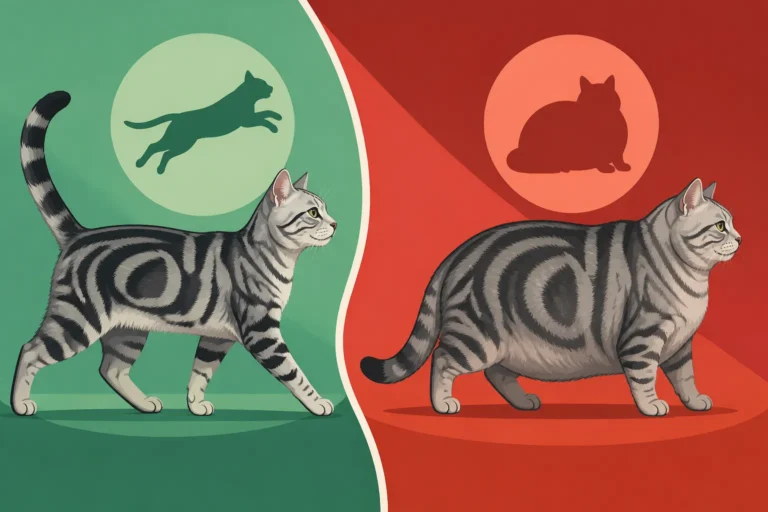
When you look at an American Shorthair, you immediately notice their powerful, muscular physique. They’re built like little brick houses, with a broad chest and strong legs designed for hunting, jumping, and patrolling. This “working frame,” while fantastic for their traditional role, means they put a lot of force through their joints, especially their hips, as they move. While they don't typically suffer from the severe, widespread hip dysplasia seen in many large dog breeds, their anatomy isn't entirely without its vulnerabilities.
Think about it: a cat that can launch itself onto a counter with effortless grace is putting immense pressure on its rear joints every time it lands. As they age, or if they carry extra weight—a common problem for indoor cats whose mousing job has ended—this constant stress can start to take a toll. This is particularly true if we consider Why a Broad Chested American Shorthair Puts Weight Through Its Hips, which can contribute to wear and tear over many years. It's not about being fragile; it's about the physics of a powerful body over time.
Common Hip Conditions in American Shorthairs
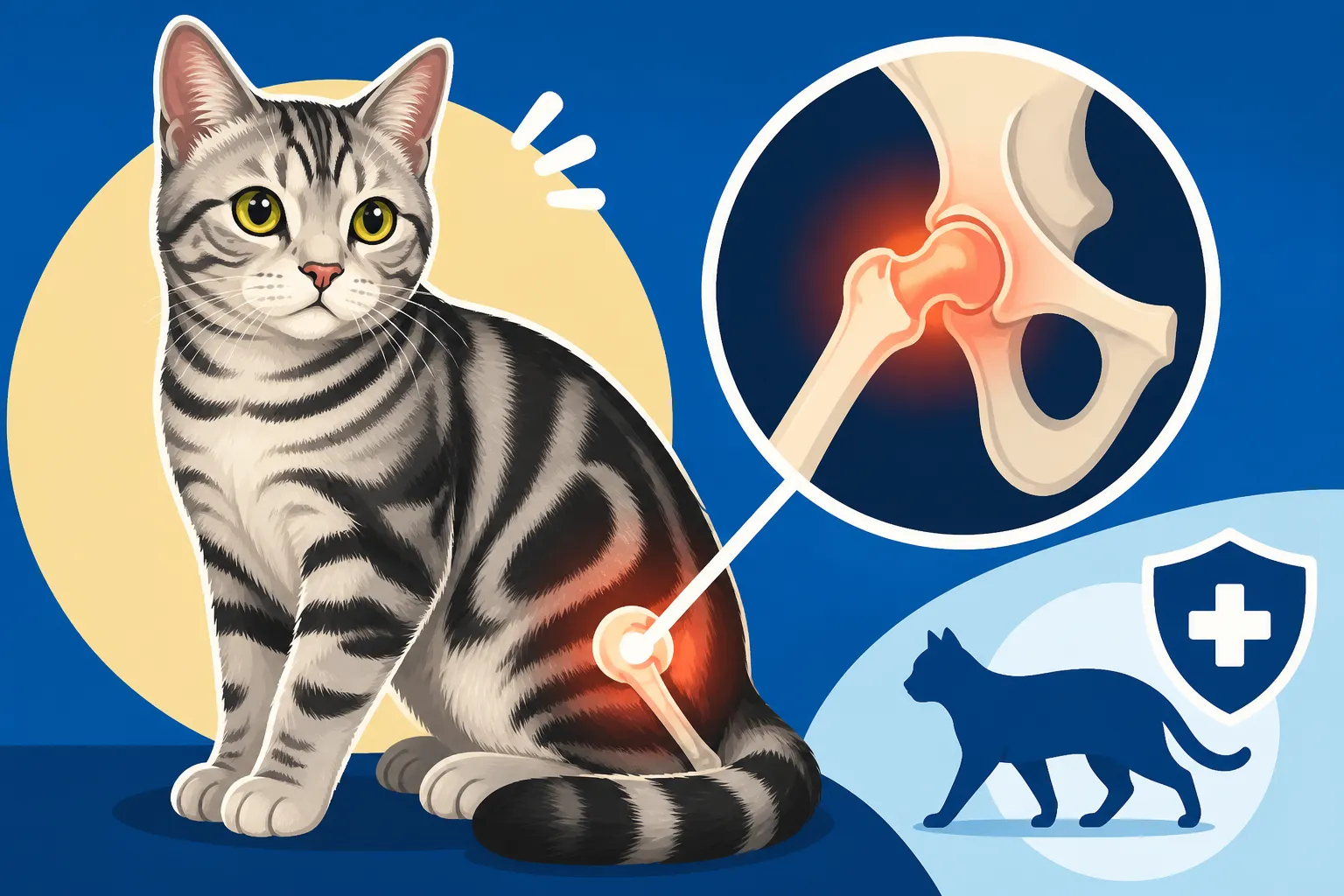
While statistically less common than in some other purebred cats or many dog breeds, American Shorthairs can still develop hip conditions. The primary concern is often hip dysplasia (HD), a genetic condition where the hip joint doesn't form correctly, leading to a loose or unstable joint. This abnormal development can cause the cartilage and bone to wear down over time, eventually leading to painful osteoarthritis.
In cats, hip dysplasia often presents differently than in dogs. A cat might have quite severe hip dysplasia on an X-ray but show very few outward signs of pain. They are incredibly stoic creatures, often masking discomfort until it's quite advanced. This makes it challenging for owners to spot, as their American Shorthair might just seem a little less playful or a bit stiff after a nap, rather than overtly limping. Beyond dysplasia, other issues like traumatic injuries (fractures, luxations from falls) or straightforward age-related osteoarthritis can also affect the hips. These are often what lead owners to notice that Why an Old American Shorthair Slows Before It Limps.
Diagnosing Hip Problems and Non-Surgical Management
Catching hip problems early in an American Shorthair can be tricky due to their remarkable ability to hide discomfort. However, knowing what to look for and understanding the diagnostic process is key to effective management, often without the need for surgery.
Recognizing Subtle Signs of Hip Discomfort
As a proud American Shorthair owner, you know these cats are independent and often understated in their expressions. This stoicism extends to pain, making it frustratingly difficult to pinpoint when something is truly wrong with their hips. They won't usually cry out or hold up a paw like a dog might. Instead, you need to be a keen observer of subtle behavioral shifts.
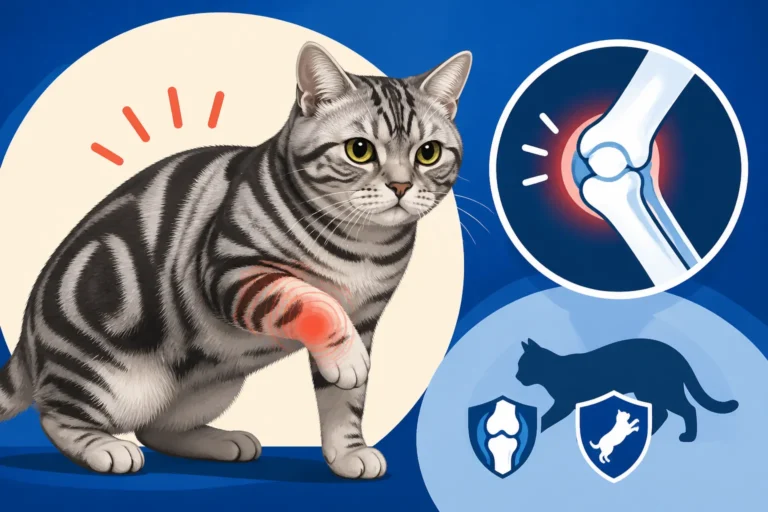
Look for a reluctance to jump onto favorite perches they once scaled with ease, or a hesitation before using the litter box. You might notice they prefer to lie down more, or seem stiff when they first get up after a long nap. Their gait might appear slightly altered – perhaps a subtle bunny hop when running, or a slight shift of weight. Sometimes, they might groom less around their hindquarters because it’s painful to twist. Understanding Why a Limp in a Stoic American Shorthair Is Never Minor is crucial, as even a slight change in mobility warrants a vet visit. These quiet signals are your American Shorthair’s way of saying something is amiss, and paying attention can make all the difference.
Veterinary Diagnosis and Conservative Treatments
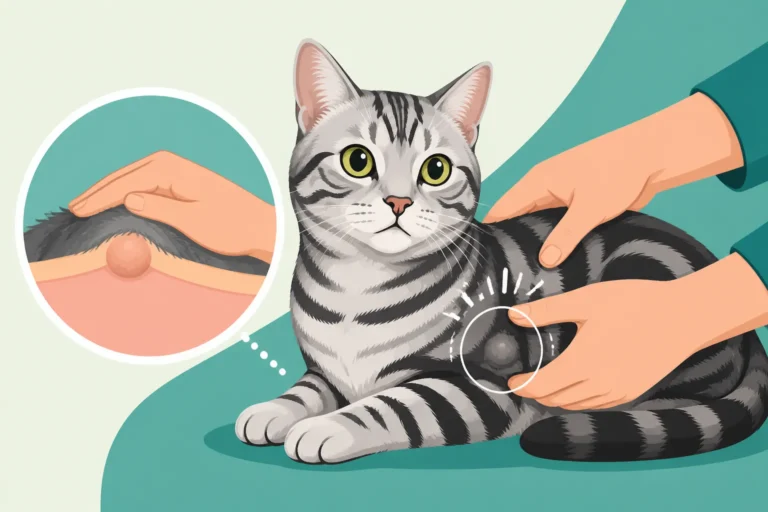
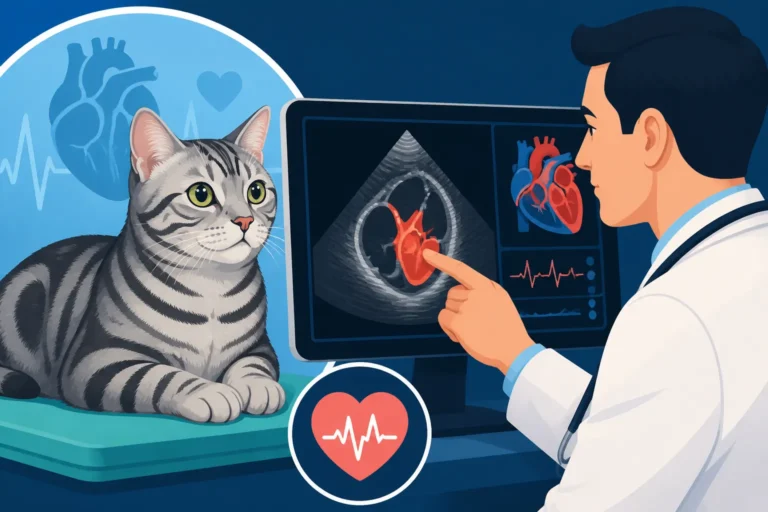
When you bring your American Shorthair to the vet with concerns about hip discomfort, the diagnostic process usually begins with a thorough physical examination. Your veterinarian will carefully palpate your cat's hips, assessing for pain, reduced range of motion, and any signs of crepitus (a crackling sensation that indicates bone-on-bone friction). Often, this initial exam is followed by X-rays, which provide clear images of the hip joints. For these X-rays, sedation is typically required to ensure proper positioning and minimize stress, as detailed in How an American Shorthair's Hips Are Positioned for X Ray. The X-rays will help the vet confirm conditions like hip dysplasia or osteoarthritis and determine their severity.
The good news is that for most American Shorthairs with hip issues, especially those caught early, conservative, non-surgical management is highly effective. A cornerstone of this approach is weight management. An overweight cat puts immense strain on already compromised joints, so bringing them down to an ideal What an American Shorthair Should Weigh at Its Frame is critical. This often involves working with your vet on a tailored diet plan.
Beyond diet, joint supplements containing glucosamine, chondroitin, and omega-3 fatty acids can help support cartilage health and reduce inflammation. For pain and inflammation, your vet may prescribe non-steroidal anti-inflammatory drugs (NSAIDs) or other pain relievers like gabapentin. Environmental modifications also play a huge role: think ramps or steps for easy access to high spots, lower-sided litter boxes, and soft, orthopedic beds to relieve pressure. Physical therapy, including gentle exercises or even laser therapy, can further enhance comfort and mobility. Many owners find relief knowing that their pet insurance, like policies from Healthy Paws, can significantly help cover the costs of these long-term conservative treatments, making ongoing care more manageable. For more on preventative joint care, check out When a Stiff American Shorthair Needs Joint Support.
When Hip Surgery Becomes a Consideration
While conservative management is the first line of defense and often sufficient for American Shorthairs with hip issues, there are rare circumstances when surgery might be the best, or only, option.
Surgical Options for Severe Hip Dysplasia or Injury
It’s important to emphasize that for American Shorthairs, hip surgery is generally considered a last resort. It's typically reserved for cases where conservative treatments have failed to adequately manage severe pain, or in instances of acute, traumatic injury. For example, a severe hip fracture or a chronic luxation (dislocation) that can't be corrected non-surgically would certainly bring surgery into the discussion. In these cases, even the most stoic American Shorthair would be in considerable pain, and their quality of life would be significantly impacted.
The most common surgical procedure for cats with severe, intractable hip pain from conditions like hip dysplasia is a Femoral Head Ostectomy (FHO). During an FHO, the "ball" portion of the hip joint (the head of the femur bone) is surgically removed. The body then forms a "false joint" of scar tissue, which, while not a perfect anatomical replacement, eliminates the painful bone-on-bone rubbing. Cats, being lighter and more agile than dogs, often adapt remarkably well to an FHO, regaining a good range of motion and pain-free movement, though a slight limp might remain. Another option, more commonly discussed for dogs, is a Total Hip Replacement (THR), where the entire hip joint is replaced with artificial components. While technically possible in cats, THR is incredibly rare. It's a highly specialized, expensive procedure that requires extensive post-operative care and equipment, and it's far less frequently performed on felines than on canines. This is a big part of How Much Less an American Shorthair Owner Spends at the Vet compared to owners of breeds prone to more severe orthopedic issues. For those rare instances where an American Shorthair truly needs hip surgery, the financial burden can be immense. This is where a robust pet insurance plan, such as those offered by Healthy Paws, proves invaluable, easing the stress of unexpected, high-cost veterinary care.
Recovery and Post-Operative Care
If your American Shorthair does undergo hip surgery, be prepared for a significant commitment to post-operative care. The recovery period for procedures like an FHO is crucial and demanding. Your cat will require strict rest and restricted activity for several weeks, meaning no jumping, climbing, or vigorous play. This often involves confinement to a small room or large kennel to prevent them from re-injuring themselves during the initial healing phase.
Pain medication will be essential to keep your cat comfortable, and your vet will provide a detailed schedule. Physical therapy is also a critical component of recovery, often starting with gentle passive range-of-motion exercises and gradually progressing to controlled activity to rebuild muscle strength. This might include walking on a leash (if your cat tolerates it) or specific exercises at home. The duration and intensity of physical therapy will depend on the specific surgery and your cat's individual progress. While the journey can be challenging for both you and your American Shorthair, successful outcomes are very achievable with diligent adherence to your vet's instructions. It's a testament to the resilience of these cats that they can bounce back from such interventions and return to a good quality of life.
American Shorthairs and the Reality of Hip Surgery
When it comes to American Shorthairs, understanding the broader context of their health is key to making informed decisions about their care, especially regarding intensive treatments like hip surgery.
The Rarity of Elective Hip Surgery in American Shorthairs
Let’s be realistic: elective hip surgery, particularly complex procedures like total hip replacements for hip dysplasia, is exceptionally rare in American Shorthairs. Their genetic history, focused on natural selection for robustness rather than exaggerated traits, has largely spared them from many of the severe orthopedic issues that plague some other breeds. They are, in many ways, considered Why the American Shorthair Is Used as a Health Benchmark for cat health.
Most hip issues in American Shorthairs can be effectively managed with conservative methods, especially if caught early. The emphasis remains on prevention: maintaining a healthy weight to avoid unnecessary strain on joints, providing a high-quality diet, and ensuring they have appropriate vertical spaces and scratching posts to keep their muscles and joints active without undue stress. If surgery is ever considered, it’s almost always for a traumatic injury (like a broken leg or dislocated hip from an accident) or a very severe, painful, and untreatable case of arthritis that profoundly impacts their quality of life. It’s not a common occurrence you need to budget for year after year.
Making Informed Decisions with Your Vet
Should your American Shorthair ever face a hip problem that potentially warrants surgery, the most crucial step is to work closely and openly with your veterinarian. They are your primary resource for assessing the severity of the condition, discussing all available treatment options—conservative and surgical—and evaluating what's best for your individual cat. Don’t hesitate to ask questions about the prognosis, recovery period, potential complications, and long-term care requirements for any proposed surgery.
It’s also perfectly reasonable, and often recommended, to seek a second opinion, particularly from a board-certified veterinary orthopedic specialist. They can offer additional insights, advanced diagnostic interpretations, and discuss surgical techniques that may be specific to feline anatomy. This collaborative approach ensures you are making the most informed decision, prioritizing your American Shorthair's comfort and quality of life above all else. Remember, financial considerations are part of this discussion, and having financial support for your American Shorthair's care, whether it's through ongoing medication or a significant surgical procedure, provides immense peace of mind. Companies like Healthy Paws understand these needs and offer comprehensive coverage options.
Comparison of Treatment Approaches
To help you visualize the differences, here’s a quick overview of conservative versus surgical approaches for hip issues in American Shorthairs:
| Feature | Conservative Treatment | Surgical Treatment (e.g., FHO) |
|---|---|---|
| Primary Goal | Pain management, slow progression, improve comfort | Eliminate severe pain, restore function post-injury/severe HD |
| Typical Conditions | Mild to moderate hip dysplasia, osteoarthritis, minor strains | Severe hip dysplasia (unresponsive), fractures, luxations |
| Interventions | Weight management, supplements, pain meds, physical therapy, environmental mods | Femoral Head Ostectomy (FHO), Total Hip Replacement (THR – rare) |
| Recovery Time | Ongoing management; short-term adjustment to new routine | Several weeks to months of strict rest and rehabilitation |
| Cost | Moderate, ongoing (food, supplements, meds, vet visits) | High (surgery, anesthesia, post-op meds, rehab) |
| Invasiveness | Non-invasive | Highly invasive |
| Long-term Outlook | Good for managing symptoms; may not stop progression | Good for eliminating severe pain; may have residual limp |
Disclaimer
The information provided in this article is for general informational purposes only and does not constitute veterinary advice. Always consult with a qualified veterinarian for any health concerns or before making any decisions about your American Shorthair's medical care.