Whether Pain Relief Extends an American Shorthair’s Active Years
It’s truly heartbreaking to watch your once spry and active American Shorthair begin to slow down, hesitating before jumping onto their favorite perch or moving stiffly after a nap. This decline in mobility and joy is often a silent struggle with pain, and as devoted cat parents, we naturally want to alleviate their discomfort and give them back as many good, active years as possible. This guide will explore how modern pain management strategies can indeed extend your American Shorthair’s active life, offering insights into recognizing their subtle signs of pain and working with your veterinarian to find the best solutions.
Understanding Pain in American Shorthairs: The Silent Struggle
Cats are masters of disguise, especially when it comes to pain. Unlike dogs who might vocalize or limp dramatically, our American Shorthairs, with their stoic and independent nature, often hide their discomfort until it’s quite advanced. This can make it incredibly frustrating and challenging for us owners to pinpoint when something is truly wrong, leading to delays in much-needed treatment.
Why Cats Hide Their Pain So Well
Imagine your American Shorthair in its natural, ancestral role – a formidable hunter, a survivor. In the wild, showing weakness is a dangerous proposition; it makes you vulnerable to predators and rivals. This deeply ingrained instinct persists even in our pampered housecats. Your American Shorthair isn't trying to be difficult; they are simply following millions of years of evolutionary programming that tells them to mask pain, injury, or illness. They might retreat, become less interactive, or subtly alter their routine rather than openly cry out. This means we have to be incredibly observant, acting as their silent advocates to notice the subtle cues they do provide. It's often said that Why a Stoic American Shorthair Hides Pain the Longest is precisely because of this innate survival mechanism, making our vigilance all the more important.
Subtle Signs Your American Shorthair Might Be in Pain
Because overt limping or crying is rare, you need to look for changes in behavior and habits. For instance, your American Shorthair might start hesitating before jumping onto the couch or counter, or perhaps they stop jumping altogether. They might spend more time sleeping, become less interested in play, or even exhibit changes in grooming habits – either over-grooming a painful area or neglecting their coat entirely because it's too painful to reach. Watch for a decrease in appetite, changes in litter box habits (e.g., struggling to get in or out of a high-sided box), or even irritability when handled. A once friendly cat might become withdrawn, or a quiet cat might start vocalizing more, indicating distress. Sometimes, the only sign is that Why an Old American Shorthair Slows Before It Limps, a general reluctance to move that creeps up over time. It can be difficult to tell How to Tell an American Shorthair's Stiffness From Middle Age from genuine pain, which is why a vet's professional assessment is so vital.
Pain Relief Options for Your American Shorthair
Once you suspect your American Shorthair is in pain, a visit to the veterinarian is the crucial next step. They can accurately diagnose the source of the pain and recommend the most appropriate treatment plan. Thankfully, there are many effective options available today, ranging from prescription medications to complementary therapies.
Pharmaceutical Pain Management
For more acute or severe pain, or for chronic conditions like arthritis, your vet might prescribe specific medications. Non-steroidal anti-inflammatory drugs (NSAIDs) are a common choice for reducing inflammation and pain, but they require careful monitoring, especially in cats, due to potential side effects. Other medications might include gabapentin for neuropathic pain, or even opioids for short-term, severe pain. The key here is always to administer only medications specifically prescribed for cats by your veterinarian, as many human pain medications are toxic to felines. These drugs are powerful tools, and when used correctly, they can dramatically improve your cat's comfort and mobility, allowing them to resume activities they had given up.
Complementary and Alternative Therapies
Beyond traditional medications, many complementary therapies can be incredibly beneficial. These include:
- Acupuncture: This ancient practice involves inserting thin needles into specific points on the body to stimulate natural healing and pain relief. Many cats tolerate it surprisingly well, and it can be very effective for chronic pain conditions.
- Laser Therapy (Photobiomodulation): Low-level laser therapy can reduce pain and inflammation and promote tissue healing by stimulating cellular activity. It's non-invasive and often relaxing for cats.
- Physical Rehabilitation: A veterinary physical therapist can design exercises and stretches to improve strength, flexibility, and balance, which is particularly helpful for cats with orthopedic issues.
- Joint Supplements: Ingredients like glucosamine, chondroitin, and omega-3 fatty acids can help support joint health and reduce inflammation. While not pain relievers in themselves, they can significantly reduce When a Stiff American Shorthair Needs Joint Support and complement other treatments. Brands like Cosequin and Dasuquin are commonly recommended by vets.
- Environmental Modifications: Simple changes at home can make a huge difference. Providing ramps or steps to favorite resting spots, ensuring easy access to low-sided litter boxes, and offering orthopedic beds can reduce strain on painful joints. These small adjustments can go a long way in improving their quality of life.
The Benefits of Proactive Pain Management
Choosing to proactively manage your American Shorthair's pain isn't just about making them comfortable; it's about investing in their long-term well-being and extending the years they spend actively enjoying life by your side. It shifts the focus from merely reacting to severe symptoms to maintaining a consistent, high quality of life.
Extending Active Years and Improving Quality of Life
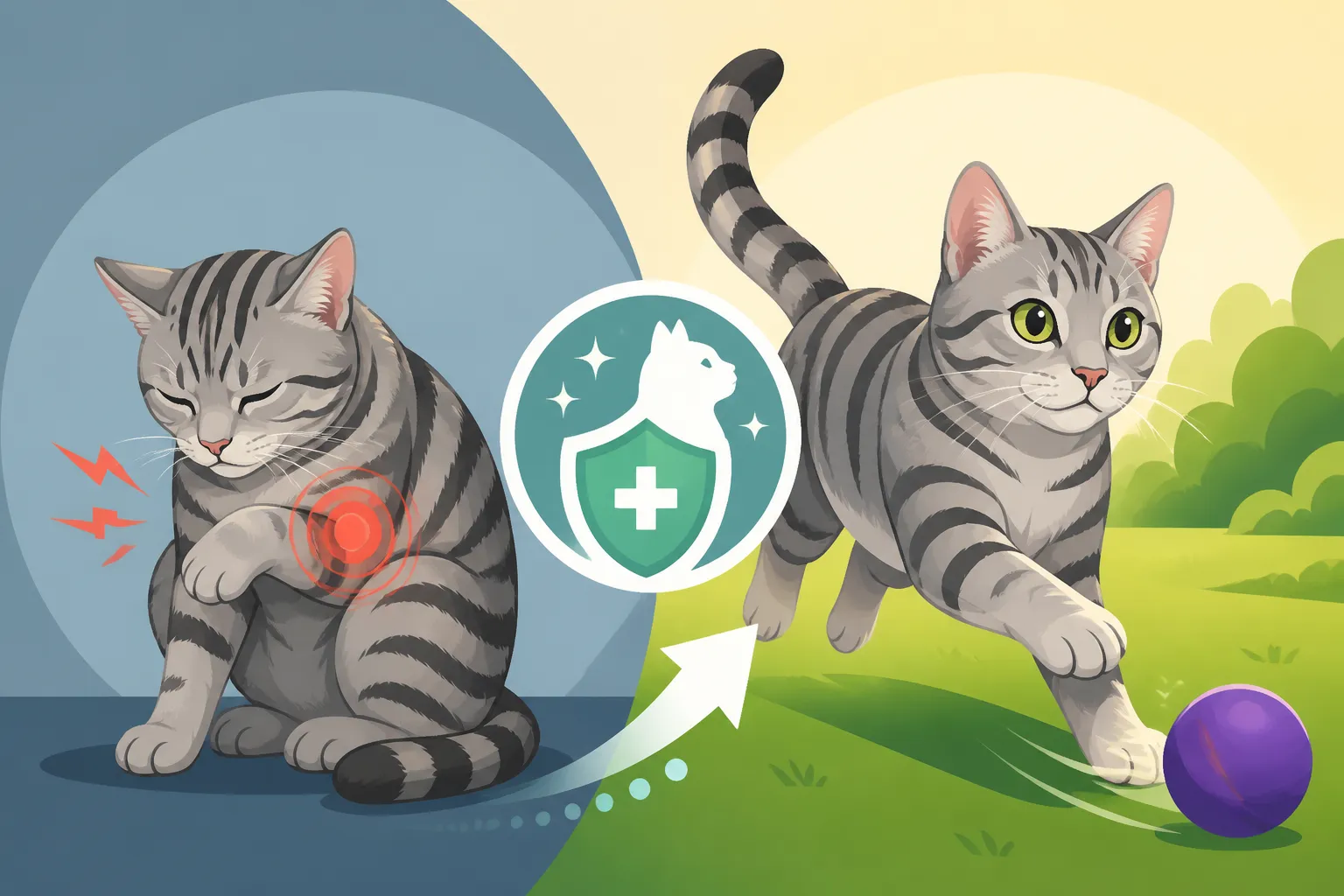
When pain is well-managed, your American Shorthair can rediscover the joy of movement. They might start playing with toys again, resuming their daily patrols, and re-engaging with family members. This isn't just wishful thinking; studies have shown that effective pain relief can indeed lead to increased mobility, better sleep, improved appetite, and a more interactive demeanor. Imagine your senior cat, who once struggled to jump onto your bed, now doing so with renewed confidence. This return to previous behaviors isn't just heartwarming; it's a testament to the power of effective pain management in truly extending their active years. The goal is not just a longer life, but a better life for them.
Preventing Secondary Health Issues
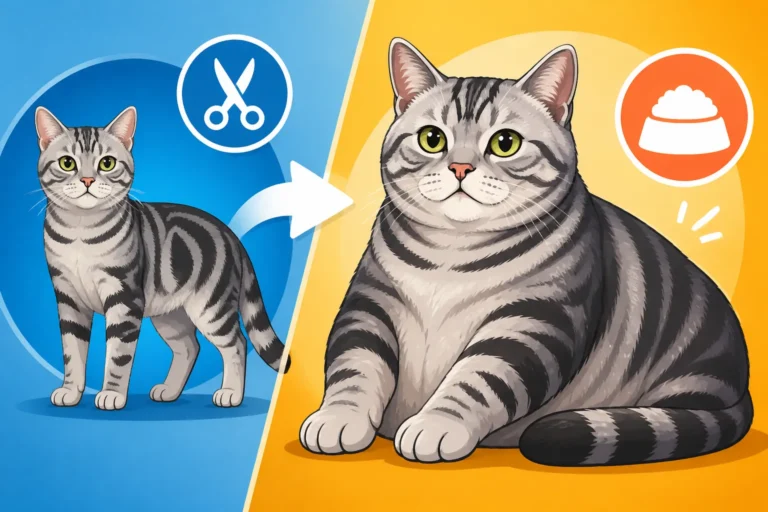
Untreated chronic pain can lead to a cascade of other problems. For example, if your cat is in pain from arthritis, they might become less active, which can lead to weight gain. What Extra Weight Does to an American Shorthair's Working Frame can be significant, putting even more strain on already compromised joints and potentially leading to other conditions like diabetes. Furthermore, chronic pain can cause stress, impacting their immune system and making them more susceptible to other illnesses. By addressing pain early and consistently, you can break this cycle, reduce the risk of secondary complications, and help your American Shorthair maintain overall health and vitality. This preventative aspect is a huge win for their longevity and happiness.
Partnering with Your Veterinarian for a Comprehensive Plan
Developing an effective pain management strategy is a collaborative effort between you and your veterinarian. They are your primary resource for accurate diagnosis, treatment recommendations, and ongoing monitoring. Don't hesitate to voice your concerns and observations openly.
The Importance of a Thorough Diagnosis
Your vet will start with a comprehensive physical examination, carefully checking your American Shorthair's joints, muscles, and overall demeanor. They might observe their gait, palpate different areas for tenderness, and assess their range of motion. To get a clearer picture, diagnostic imaging like X-rays might be recommended, especially if joint issues like arthritis or hip dysplasia are suspected. How a Vet Assesses an American Shorthair's Hips often involves specific positioning for the X-ray to get the best views. In some cases, blood tests may be necessary to rule out underlying conditions or to ensure your cat's organs can safely metabolize any prescribed medications. This diagnostic phase is critical; you can't effectively treat pain if you don't know its root cause.
Crafting a Tailored Pain Management Protocol
Once a diagnosis is made, your vet will work with you to create a personalized pain management plan. This often involves a multi-modal approach, combining different types of treatments for maximum effectiveness. For example, a cat with arthritis might receive NSAIDs, daily joint supplements, and regular laser therapy sessions. The plan will also consider your cat's age, overall health, and any other existing medical conditions. It’s not a one-size-fits-all situation; what works for one American Shorthair might not be ideal for another. Your vet will explain the rationale behind each recommendation, discuss potential side effects, and outline how to monitor your cat at home.
| Pain Relief Type | Common Uses | Key Benefits | Potential Considerations/Side Effects |
|---|---|---|---|
| NSAIDs | Arthritis, acute injury, post-surgery pain | Reduces inflammation and pain quickly | Kidney/liver issues, GI upset (monitor closely) |
| Gabapentin | Neuropathic pain, anxiety, chronic pain | Effective for nerve pain, calming | Sedation, ataxia (unsteadiness) |
| Joint Supplements | Arthritis, joint stiffness | Supports cartilage, reduces inflammation | Slow acting, not a direct pain reliever |
| Laser Therapy | Arthritis, soft tissue injuries, wounds | Non-invasive, reduces pain/inflammation, heals | Requires multiple sessions, cost |
| Acupuncture | Chronic pain, arthritis, neurological issues | Natural healing, few side effects | Requires skilled practitioner, cat cooperation |
| Environmental Mods | Mobility issues, joint pain | Improves accessibility, reduces strain, no side effects | Requires owner effort/investment in products |
Regular Monitoring and Adjustments
Pain management is an ongoing process. Your American Shorthair’s needs may change over time, especially as they age. Regular follow-up appointments with your vet are essential to assess the effectiveness of the treatment plan and make any necessary adjustments. You'll be asked to report on changes in your cat's activity level, appetite, mood, and any signs of discomfort. Sometimes, a change in dosage, a new medication, or adding another therapy can make a significant difference. Don't be discouraged if the first approach isn't perfect; it often takes a bit of trial and error to find the optimal regimen. Many owners find that investing in pet insurance, such as through providers like Healthy Paws, can greatly assist with the financial aspects of long-term care and these ongoing adjustments, helping you focus on your cat's well-being without undue financial stress. Understanding What an American Shorthair's Senior Panel Costs and being prepared for potential ongoing treatments can also alleviate worry.
Taking on pain management for your American Shorthair is a commitment, but the reward of seeing them comfortable and happy, actively enjoying their golden years, is immeasurable. With a proactive approach and a strong partnership with your veterinary team, you can indeed extend their active years and enhance the incredible bond you share.
Disclaimer
This article is for general informational purposes only and does not constitute professional advice. Laws, prices and regulations vary by location and change over time. Consult a qualified professional for guidance on your specific situation.