Why an American Shorthair Suddenly Loses Its Back Legs
There are few things more terrifying for a cat owner than seeing your beloved American Shorthair suddenly unable to use their back legs. One moment they might be purring on the sofa, and the next, they're dragging their hindquarters, distressed, and clearly in immense pain. This isn't just a simple limp; it's a critical emergency that often indicates a serious underlying health issue, and understanding why it happens and what to do is crucial for your cat's survival and quality of life.
Understanding Sudden Back Leg Weakness in American Shorthairs
When an American Shorthair, a breed known for its robust health and impressive lifespan, suddenly loses the use of its back legs, it’s a moment of sheer panic for any owner. This isn't something that just happens out of the blue without a significant medical event. It's usually a clear sign of an urgent problem requiring immediate veterinary attention. We're talking about more than just a momentary stumble; this is a profound loss of function, often accompanied by severe pain and distress.
The Alarming Reality of Acute Hindlimb Paralysis
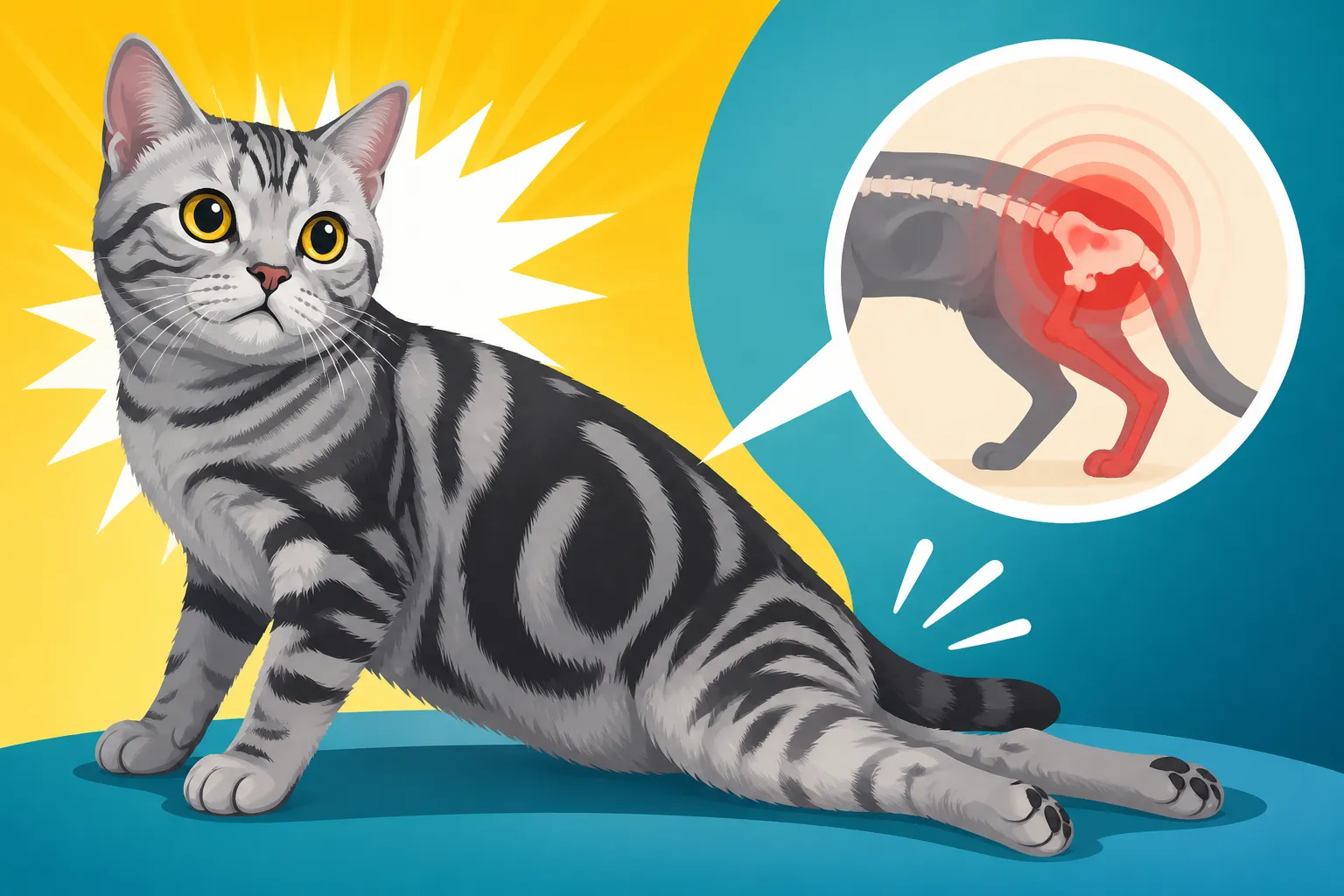
The term "acute hindlimb paralysis" sounds intimidating, and it is. It describes the sudden onset of weakness or complete inability to move one or both back legs. For many American Shorthair owners, this might look like their cat collapsing, dragging their legs, or struggling to stand and walk. Their legs might feel cold to the touch, and you might notice their paw pads have a bluish tinge. This isn't a condition that will just "get better" on its own; it's a medical emergency that needs immediate intervention. The swiftness of onset is what distinguishes it from a gradual decline in mobility, which might indicate something less immediately life-threatening like arthritis, a condition discussed further in our guide, Caring for an American Shorthair Past Twelve.
The sudden nature of this paralysis often points directly to a severe vascular event, meaning something has gone wrong with the blood supply to the legs. The tissues in the legs are being starved of oxygen and nutrients, leading to rapid muscle damage and nerve dysfunction. The pain is intense because the sudden lack of blood flow causes an acute inflammatory response and nerve damage. It’s a situation where every minute counts, not just for potential recovery, but for alleviating your cat's suffering.
The Heart's Hidden Danger: ATE and HCM
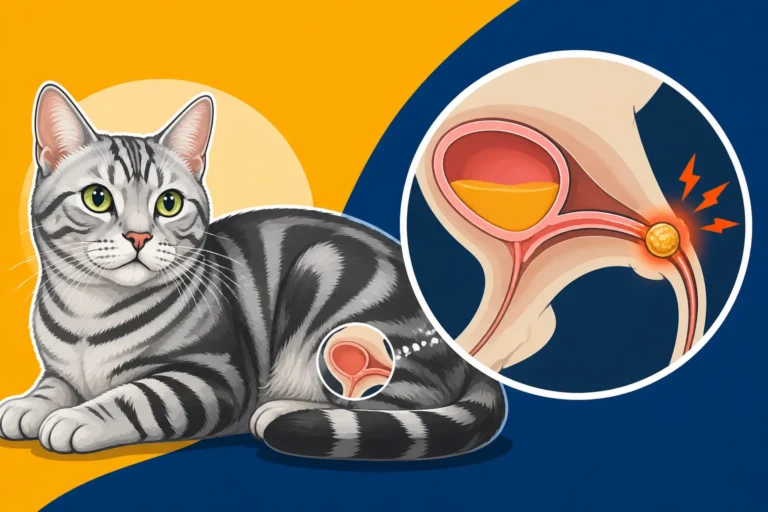
The most common and devastating cause of sudden hindlimb paralysis in cats, including our sturdy American Shorthairs, is a condition called Feline Aortic Thromboembolism (FATE), often referred to simply as ATE. This is when a blood clot, known as a thrombus, forms, usually within the heart, and then travels through the bloodstream, lodging itself in an artery that supplies blood to the hind legs. This particular blockage typically occurs at the point where the aorta branches off to supply both hind legs, hence why it’s often called a "saddle thrombus."
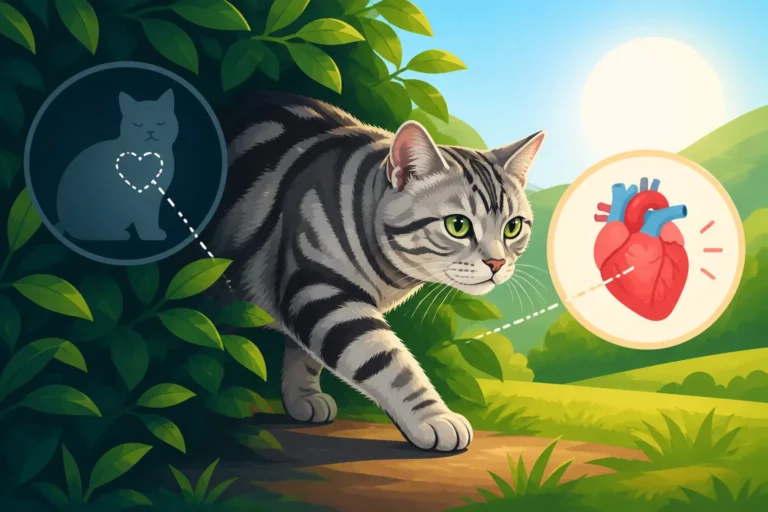
The formation of these dangerous blood clots is almost always a direct complication of underlying heart disease, most commonly Hypertrophic Cardiomyopathy (HCM). HCM is a condition where the walls of the heart's main pumping chamber (the left ventricle) become abnormally thick. This thickening makes the heart less efficient at pumping blood and can create turbulent blood flow and enlarged atria, both of which increase the risk of blood clot formation. While the American Shorthair is generally considered a healthy breed, HCM is one inherited disease the American Shorthair kept, and understanding this link is vital. If your American Shorthair suddenly loses the use of its back legs, a saddle thrombus secondary to HCM is the primary suspect.
The Link Between Heart Disease and Leg Paralysis
It’s often a shock to owners that a heart condition can manifest so dramatically in the legs. You might be thinking, "My American Shorthair never showed any signs of heart trouble!" And that’s precisely the insidious nature of HCM; it often remains silent until a critical event occurs. This is why regular vet checks, even for a seemingly healthy American Shorthair, are so important.
How Hypertrophic Cardiomyopathy Leads to Clots
With HCM, the thickened heart muscle doesn't relax properly, which means the heart can't fill with as much blood as it should. This causes blood to back up into the left atrium, which then enlarges. This enlarged and often sluggish atrium is a prime environment for blood clots to form. Think of it like a stagnant pool of water versus a fast-moving river; clots are more likely to form where blood flow is slow or turbulent.
These clots are usually quite small initially, but they can grow. When a piece of this clot breaks off, it becomes an embolus. This embolus then travels through the arterial system, usually with the main blood flow. Because the abdominal aorta splits into two arteries (the femoral arteries) that supply the hind legs, this is a common choke point for a traveling clot. The clot gets "saddled" at this bifurcation, hence "saddle thrombus," completely cutting off or severely restricting blood flow to both hind limbs. The suddenness of this blockage is why the paralysis is so acute and why the pain is so intense. The legs become cold, sometimes pulseless, and excruciatingly painful. For more on this, you might find our article, How a Thickened Heart Throws a Clot in an American Shorthair, particularly insightful.
Recognizing the Subtle Signs of Underlying Heart Issues
The heartbreaking reality is that many American Shorthairs with HCM show no outward signs until a crisis like ATE occurs. However, there can be subtle clues if you know what to look for, and early detection could prevent future complications. These signs are often non-specific and easily missed, but they warrant attention, especially in a breed known for its stoic nature.
Look out for:
- Increased respiratory rate or effort: Your cat might be breathing faster than usual, even at rest, or you might notice their belly moving more noticeably with each breath.
- Lethargy or reduced activity: While American Shorthairs are generally calm, a significant drop in their usual playfulness or a sudden preference for solitude could be a sign. They might be less inclined to jump to the counter, an early sign discussed in Why an American Shorthair Stops Jumping to the Counter.
- Decreased appetite or weight loss: Any unexplained change in eating habits should be investigated.
- Coughing: While less common in cats with heart disease than in dogs, it can occur, particularly if there's fluid accumulation in the lungs.
- Fainting or collapse: Though rare, this is a clear emergency.
- Heart murmur: This is something your vet might detect during a routine examination. It's an abnormal sound caused by turbulent blood flow in the heart, and while not all murmurs indicate HCM, it's a red flag.
This is why an American Shorthair still needs a yearly heart scan, especially as they age, even if they appear perfectly healthy. Early detection of HCM allows for medication to be started which can help manage the condition and potentially reduce the risk of clot formation, extending their quality of life.
Identifying and Diagnosing a Saddle Thrombus
When you observe your American Shorthair suddenly unable to use their back legs, prompt action is critical. Time is of the essence not only to increase the chances of a positive outcome but also to alleviate the intense pain your cat is experiencing.
The Classic Signs of a Hindlimb Thromboembolism
The symptoms of a saddle thrombus are quite distinct and, once you recognize them, they are hard to ignore. They typically include:
- Sudden, complete paralysis or severe weakness of one or both hind legs: Your cat simply can't move them, or they can only drag them. This is the hallmark sign.
- Extreme pain: Cats experiencing ATE are in agonizing pain. They might cry out, pant, become restless despite the paralysis, or try to hide. Their typical stoic nature often breaks down under this level of discomfort.
- Cold hind limbs: If you touch their back legs, they will likely feel noticeably colder than their front legs and body. This is due to the lack of blood flow.
- Bluish or purplish paw pads: The lack of oxygenated blood can cause the paw pads and nail beds to look discolored.
- Absent or weak femoral pulses: A veterinarian will check for pulses in the femoral arteries (located in the inner thigh). With a saddle thrombus, these pulses will be very weak or completely absent.
- Firm, rigid muscles in the hind legs: As tissues are deprived of oxygen, they can become stiff and hard to the touch.
- Rapid, open-mouthed breathing and distress: The severe pain and shock can lead to an elevated heart rate and respiratory distress.
- Vocalization: Your normally quiet American Shorthair might be crying or howling, which is a stark indicator of their pain.
It's important to remember that the presentation can vary slightly. Some cats might only have one leg affected, though a bilateral (both legs) presentation is more common with a true saddle thrombus. Regardless, any sudden inability to move the hind legs should be treated as an immediate emergency.
The Urgent Diagnostic Steps at the Vet
When you arrive at the emergency vet, they will quickly move to confirm a diagnosis of ATE and assess your cat's overall condition. This typically involves:
- Physical Examination: The vet will check for the classic signs: cold legs, absent femoral pulses, and assess the level of pain and paralysis. They'll also listen to your cat's heart and lungs.
- Blood Work:
- Complete Blood Count (CBC): To check for anemia, infection, or other systemic issues.
- Chemistry Panel: To assess organ function, especially kidney and liver, which can be affected by the body's response to the clot and pain. Elevated muscle enzymes (like CK) are often seen due to muscle damage in the hind legs.
- Coagulation Profile: To assess the blood's clotting ability, though this typically doesn't directly diagnose ATE, it can rule out other bleeding disorders.
- Imaging:
- Echocardiogram (Cardiac Ultrasound): This is the gold standard for diagnosing underlying heart disease (HCM). It allows the vet to visualize the heart's structure and function, measure wall thickness, assess chamber size (especially the left atrium for clot potential), and directly look for clots within the heart. Our post, Why a Gene Test Cannot Clear an American Shorthair's Heart, delves deeper into why an echo is paramount.
- Doppler Ultrasound of Femoral Arteries: A Doppler probe can be used over the femoral arteries to detect blood flow. The absence of flow confirms a blockage.
- X-rays (Radiographs): Chest X-rays can check for fluid in the lungs (pulmonary edema), which can occur with severe heart failure, or enlargement of the heart silhouette. Abdominal X-rays might be taken to rule out other causes of paralysis, such as spinal trauma, although these are typically less helpful for diagnosing ATE directly.
The speed and accuracy of these diagnostic steps are vital. Once ATE is confirmed, the veterinary team can begin targeted treatment to stabilize your American Shorthair and address the clot.
Emergency Treatment and Long-Term Management
The immediate treatment for a saddle thrombus is geared towards pain management, improving blood flow, and trying to dissolve or prevent further clot formation. It's a challenging condition with a guarded prognosis, but swift and aggressive treatment can make a difference.
Immediate Veterinary Intervention
When your American Shorthair arrives at the emergency clinic with a saddle thrombus, the veterinary team will jump into action. The core components of immediate care include:
- Pain Management: This is paramount. The pain from an ATE is excruciating, so powerful analgesics, often opioids, are administered immediately to make your cat more comfortable and to combat shock.
- Anticoagulation Therapy: The goal here is to prevent the clot from growing larger and to prevent new clots from forming. Heparin is a common anticoagulant used intravenously in the acute phase. Antiplatelet medications like clopidogrel are also often started to make platelets less "sticky" and reduce future clot risk.
- Fluid Therapy: Intravenous fluids might be given cautiously, especially if the cat is dehydrated or in shock, but vets must be careful not to overload a compromised heart.
- Oxygen Therapy: If your cat is in respiratory distress or struggling to breathe due to pain or congestive heart failure, supplemental oxygen will be provided.
- Addressing Underlying Heart Disease: Once the cat is stable and pain is controlled, medications to manage the HCM, such as diuretics to reduce fluid buildup, beta-blockers or calcium channel blockers to improve heart function, and ACE inhibitors, will be initiated. This long-term management is crucial even if the acute clot issue resolves.
- Supportive Care: This includes keeping the cat warm, turning them regularly if they can't move to prevent bedsores, and assisting with urination and defecation.
It's important to understand that directly removing the clot (embolectomy) is a complex, high-risk surgical procedure rarely performed in veterinary medicine for ATE due to the poor success rates and high morbidity. The focus is almost always on medical management to allow the body to re-establish circulation or for the clot to naturally break down over time.
The Challenging Road to Recovery and Prognosis
The prognosis for American Shorthairs experiencing ATE is unfortunately guarded to poor. Approximately 30-50% of cats survive the initial acute phase and are discharged from the hospital. The first 24-48 hours are the most critical. Recovery of hind limb function is variable and can take days to weeks, or sometimes full function never returns. Some cats may regain partial function but have residual weakness, a permanent limp, or even nerve damage that affects sensation or motor control. The article, How Many Months Follow an American Shorthair's HCM Diagnosis, highlights the challenging journey for cats with heart conditions.
Even for those who recover from the initial event, the underlying HCM remains. This means there's a significant risk of recurrence. Sadly, many cats experience another ATE event within weeks to months, and the prognosis often worsens with each subsequent episode. Long-term medical management of HCM with various heart medications and antiplatelet drugs is essential to try and reduce the risk of future clots. This ongoing care, including specialized diets and regular rechecks, can be costly. This is where pet insurance, like plans from Healthy Paws, can be invaluable in helping manage the financial burden of such intensive chronic care.
Proactive Steps to Protect Your American Shorthair's Heart Health
Given the serious nature of conditions like ATE stemming from HCM, prevention and early detection are key. While you can't guarantee your American Shorthair will never develop heart disease, you can take significant steps to minimize risks and manage conditions effectively.
Regular Veterinary Check-ups and Screening
This cannot be stressed enough: routine veterinary examinations are the cornerstone of proactive health care for your American Shorthair. Even if your cat seems perfectly healthy, a yearly check-up allows your vet to catch subtle changes.
During these visits, your vet will:
- Listen to their heart: Regular auscultation can detect heart murmurs or abnormal rhythms, which might prompt further investigation. Remember, a murmur doesn't automatically mean HCM, but it's a reason for concern.
- Discuss any changes in behavior or activity: You know your cat best. Mention any lethargy, increased hiding, changes in appetite, or subtle breathing changes, even if you think they're minor.
- Recommend regular health screenings: For American Shorthairs, especially those from breeding lines, an echocardiogram is the most effective way to screen for HCM. While a DNA test can detect certain genetic mutations linked to HCM in some breeds, it's not foolproof for all cats, and definitely not the only tool. Our guide, Why a Gene Test Cannot Clear an American Shorthair's Heart, explains this in more detail. Many breeders will scan their breeding cats annually, and it's something responsible owners should consider, especially for cats reaching middle age. The age an American Shorthair's heart starts to thicken can vary, but regular screening helps track changes over time.
Don't wait until your American Shorthair is showing obvious signs of illness. Preventive care is always more effective and less stressful than emergency treatment.
The Role of a Healthy Lifestyle
Beyond veterinary care, your daily efforts contribute significantly to your American Shorthair's overall health and can indirectly support their heart function.
- Nutrition: Feed a high-quality, balanced diet appropriate for your cat's age, activity level, and any specific health needs. Avoid overfeeding, as obesity puts extra strain on the heart and other organs. If your cat tends to be a bit chunky, discuss weight management with your vet; extra weight adds unnecessary burden on their working frame, as explored in What Extra Weight Does to an American Shorthair's Working Frame.
- Weight Management: Keep your American Shorthair at a lean, healthy weight. A muscular, athletic build is ideal for this breed. Regular monitoring of their body condition score is more important than just the number on the scale.
- Hydration: Ensure constant access to fresh water. While this doesn't directly prevent HCM, good hydration is vital for overall kidney function and circulatory health. Some cats prefer running water from a fountain, encouraging them to drink more.
- Environmental Enrichment and Exercise: While American Shorthairs are typically calm, they still benefit from regular play and mental stimulation. Engaging in activities that simulate hunting, even for just 15-20 minutes a day, helps maintain muscle tone and a healthy weight. This can include wand toys, puzzle feeders, or supervised outdoor time in a secure catio. An active cat is generally a healthier cat.
By combining diligent veterinary care with a supportive home environment, you give your American Shorthair the best possible chance at a long, healthy life, minimizing the risk of devastating events like a saddle thrombus.
Other Reasons for Hindlimb Issues
While Feline Aortic Thromboembolism (ATE) is the most common and acute cause of sudden hindlimb paralysis, it's important to acknowledge that other conditions can lead to weakness or an inability to use the back legs. These are typically less sudden or present with different accompanying symptoms, but they are still serious and warrant immediate veterinary attention.
Traumatic Injuries or Spinal Problems
Sometimes, the cause of hindlimb issues is purely mechanical or neurological, not cardiovascular.
- Trauma: Cats are agile, but they can still suffer accidents. Falls from a height, being hit by a car (especially for outdoor American Shorthairs, as discussed in Which Injuries an Outdoor American Shorthair Comes Home With), or even a nasty landing can lead to fractures in the spine or pelvis, dislocations, or severe muscle sprains. If a spinal injury occurs, it can damage the nerves controlling the hind legs, resulting in paralysis. This paralysis might be sudden, but it would usually be preceded by a known traumatic event or clear signs of physical injury beyond just the legs themselves.
- Intervertebral Disc Disease (IVDD): While more common in certain dog breeds, cats can also experience disc problems. A disc in the spine can rupture or bulge, putting pressure on the spinal cord and nerves. This can cause pain, weakness, or paralysis in the hind legs, usually with a more gradual onset than ATE, though an acute "slipped disc" event is possible. The cat might also show signs of back pain, such as reluctance to jump, hunched posture, or vocalization when touched.
- Other Spinal Lesions: Tumors, infections (like discospondylitis), or inflammatory conditions affecting the spinal cord can also lead to hindlimb weakness or paralysis. These conditions typically progress more slowly, though they can have acute exacerbations.
In cases of trauma or spinal issues, an orthopedic or neurological examination, along with X-rays, CT scans, or MRI scans, would be necessary to pinpoint the exact problem.
Neurological Conditions and Peripheral Neuropathy
Beyond the spine, issues with the nerves themselves can also cause hindlimb weakness.
- Peripheral Neuropathy: This refers to damage to the peripheral nerves, which are the nerves outside of the brain and spinal cord that transmit signals to and from the muscles. Various underlying causes, such as diabetes mellitus, kidney disease, or certain toxins, can lead to peripheral neuropathy. The onset is usually gradual, with progressive weakness, loss of coordination, or muscle wasting in the hind legs. However, if severe, it can mimic more acute paralysis.
- Feline Infectious Peritonitis (FIP) with Neurological Form: FIP is a serious viral disease, and in some forms, it can affect the central nervous system, leading to neurological signs including hindlimb weakness or ataxia (uncoordinated gait). The onset is usually progressive, along with other FIP symptoms like fever, lethargy, and weight loss.
- Hypokalemia (Low Potassium): While not a direct neurological condition, severe hypokalemia can cause generalized muscle weakness, including weakness in the hind legs. This is often seen in cats with chronic kidney disease or certain endocrine disorders. The weakness might appear sudden, and cats may have a characteristic "ventroflexion" of the neck (head held low).
- Myasthenia Gravis: A rare autoimmune disorder that affects the communication between nerves and muscles, leading to generalized muscle weakness that can be more pronounced in the hind limbs, sometimes acutely.
It's clear that hindlimb weakness can stem from a variety of sources. However, for the sudden, painful, cold hind leg paralysis that strikes without warning in an otherwise seemingly healthy American Shorthair, a saddle thrombus secondary to HCM remains the leading and most critical differential diagnosis. This emphasizes the need for rapid veterinary assessment in all cases of acute limb dysfunction.
Comparison of Potential Causes for Hindlimb Weakness
To help differentiate between the various possibilities that might cause your American Shorthair to suddenly lose the use of its back legs, here's a table summarizing key characteristics.
| Feature | Feline Aortic Thromboembolism (ATE) | Spinal Cord Injury (Trauma/IVDD) | Severe Peripheral Neuropathy | Hypokalemia (Severe) |
|---|---|---|---|---|
| Onset | Very sudden, acute, often dramatic | Sudden (trauma) or acute/gradual (IVDD) | Typically gradual, progressive | Can be sudden or gradual |
| Pain Level | Severe to excruciating | Variable (severe with trauma/disc compression) | Mild to moderate, or none | Mild to moderate muscle pain |
| Leg Temperature | Cold to the touch | Normal | Normal | Normal |
| Paw Pad Color | Bluish/purplish (cyanotic) | Normal | Normal | Normal |
| Femoral Pulses | Absent or very weak | Normal | Normal | Normal |
| Other Signs | History of HCM, rapid breathing, distress | Evidence of trauma, back pain, ataxia | Muscle wasting, tremors, history of systemic disease (e.g., diabetes) | Generalized weakness, ventroflexion of neck, history of kidney disease |
| Urgency | EXTREME EMERGENCY | High emergency, depending on severity | High, for underlying cause | High, for underlying cause |
| Primary Cause | Blood clot from heart disease (HCM) | Physical damage to spinal cord | Nerve damage | Electrolyte imbalance (low potassium) |
Disclaimer
The information provided in this guide is for general educational purposes only and should not be considered a substitute for professional veterinary advice. If your American Shorthair is experiencing sudden hindlimb weakness or any other concerning symptoms, please seek immediate veterinary attention. Only a qualified veterinarian can properly diagnose and treat medical conditions in your pet.