Why a Female American Shorthair Faces Fewer Urinary Risks
It’s a common worry for any cat parent: the frantic dash to the vet because your beloved furball is straining in the litter box, or worse, unable to urinate at all. Urinary issues can be incredibly serious, even life-threatening, for cats. But here’s a comforting thought for those who share their homes with female American Shorthairs: these robust, no-nonsense felines tend to face fewer urinary risks compared to their male counterparts. This guide will delve into why that is, giving you peace of mind and the knowledge to keep your female American Shorthair’s urinary system healthy.
Understanding Feline Lower Urinary Tract Disease (FLUTD)
When we talk about urinary problems in cats, we're often lumping a whole host of issues under the umbrella term Feline Lower Urinary Tract Disease, or FLUTD. This isn't a single condition, but rather a collection of disorders that can affect a cat's bladder or urethra. It's a frustrating, often painful experience for cats and a stressful one for their humans, as it can quickly escalate from mild discomfort to a dire emergency.
What is FLUTD and its Common Causes
FLUTD can manifest in several ways, and the causes are diverse. Sometimes, it's due to the formation of crystals or stones within the bladder, which can be incredibly irritating or even obstructive. The most common types of bladder stones we see are struvite and calcium oxalate, and their formation is often influenced by diet, water intake, and urine pH. Other times, it's an inflammation of the bladder lining without any obvious cause, which we call Feline Idiopathic Cystitis (FIC), often linked to stress. Bacterial infections, while less common in cats than dogs, can also play a role, as can anatomical defects or even tumors, though these are rarer. What unites all these conditions is the potential for severe pain and, in the worst cases, a blockage that prevents the cat from urinating, which is a medical emergency that can be fatal if not treated swiftly.
Why Anatomical Differences Matter
This is where the rubber meets the road when it comes to the difference between male and female American Shorthairs, and cats in general. The most significant factor influencing urinary risk is plain old anatomy. Imagine trying to push a small pebble through two different pipes: one is short and wide, and the other is long and narrow. Which pipe is more likely to get blocked? It's the longer, narrower one, right? Well, that's essentially the difference between the female and male urethra.
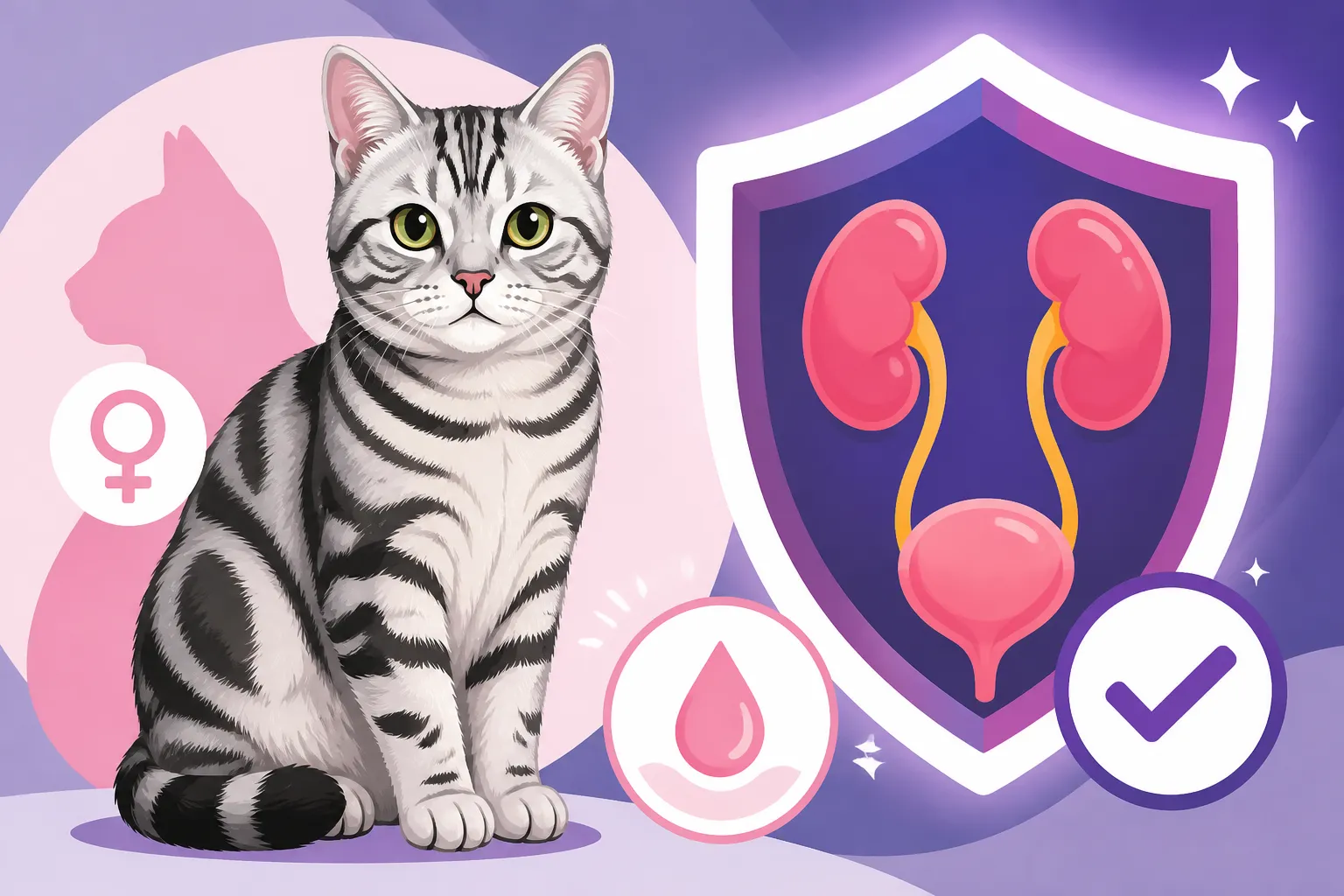
A female cat's urethra is significantly shorter and wider than a male's. This might seem like a small detail, but it makes a world of difference. If crystals, tiny stones, or even a mucus plug starts to form, that wider, shorter passage gives them a much better chance of being flushed out naturally during urination. They have more room to pass through without getting lodged and causing a full-blown obstruction. This natural design advantage is the primary reason why female American Shorthairs generally experience fewer life-threatening urinary emergencies.
Specific Urinary Challenges in Male American Shorthairs
While both sexes can develop FLUTD, the anatomical reality means that male American Shorthairs, and male cats across the board, are inherently at a higher risk for the most dangerous complication: urethral obstruction. It’s a terrifying scenario for any cat owner, a true emergency that demands immediate veterinary attention.
The Increased Risk of Urethral Obstruction
For male cats, the urethra, which is the tube that carries urine from the bladder out of the body, is not only longer but also much narrower, especially as it passes through the penis. This constricted pathway is a prime location for any solid material to get stuck. Even tiny flecks of crystal, a cluster of inflammatory cells, or a mucus plug (a thick, gelatinous substance made of proteins and cells) can become a complete roadblock. When this happens, urine can't leave the bladder, leading to a rapid buildup of toxins in the bloodstream and immense pressure on the kidneys. You'll often hear discussions about Why a Male American Shorthair's Urethra Blocks First precisely because of this anatomical vulnerability. Within hours, a blocked male cat can go from uncomfortable to critically ill, making it a genuine veterinary emergency that requires swift action.
Behavioral and Environmental Factors
Beyond anatomy, certain behavioral and environmental factors can unfortunately exacerbate urinary problems, particularly in male cats prone to stress-induced conditions like Feline Idiopathic Cystitis (FIC). Cats, including American Shorthairs, are creatures of habit and territory. Changes in routine, new pets, moving homes, or even subtle tensions in a multi-cat household can trigger a stress response.
For some cats, this stress manifests physically in their bladder. They might experience inflammation, pain, and increased urgency to urinate, often leading to inappropriate urination outside the litter box. While FIC can affect both sexes, the combination of stress and the male cat's narrower urethra means that inflammation and increased mucus production can more easily lead to a dangerous obstruction. Ensuring a stable, enriching, and low-stress environment, with plenty of clean litter boxes and quiet spaces, is crucial for all cats, but especially for preventing these flare-ups in susceptible males.
Protective Factors for Female American Shorthairs
While it’s true that female American Shorthairs aren't immune to all urinary problems, their inherent biological design gives them a significant advantage when it comes to the most acute and dangerous ones. This isn't to say we should be complacent about their urinary health, but understanding these protective factors can help us appreciate why they often have a smoother ride.
Anatomical Advantages in Detail
Let's dive a little deeper into that anatomical edge. As we discussed, the female urethra is substantially shorter and wider. This means that if crystals, tiny stones, or even inflammatory debris begin to form in the bladder, they have a far greater chance of being expelled naturally when your female American Shorthair urinates. The flow of urine acts like a natural flush, pushing these smaller particles out before they can accumulate and create a significant blockage. This reduces the likelihood of those terrifying, life-threatening urethral obstructions that male cats are so vulnerable to. It means less pain, fewer emergency vet visits, and generally a more robust urinary system when it comes to passing any microscopic irritants. This is why you're less likely to be faced with the urgent question of What a Straining American Shorthair Needs Within Hours if your cat is female.
General Health and Genetic Predisposition
The American Shorthair breed, in general, is often celebrated for its robust health and relatively low incidence of inherited diseases. Historically, these cats were bred for their working ability – to keep rodent populations down on farms and ships. This meant that natural selection favored strong, hardy, healthy individuals. Unlike some other breeds that have been developed with extreme features that can inadvertently lead to health compromises, the American Shorthair has largely retained its natural, well-balanced physique and genetic diversity.
This general hardiness extends to their overall health, including their urinary system. While no cat is completely immune to health issues, the American Shorthair is often considered a "control group" in cat breeding, a benchmark for what a healthy, well-adapted cat should be. This is why you'll often hear them described as being like The American Shorthair Is the Control Group of Cat Breeding or celebrated for What an American Shorthair With No Designer Defect Gets Instead. This strong genetic foundation means they aren't inherently predisposed to complex urinary tract issues that might plague breeds with more restrictive gene pools or specific conformational traits. Of course, individual variation exists, but as a breed, they tend to be resilient, which is a wonderful benefit for their owners, potentially leading to fewer vet bills down the line. It's often remarked Why an American Shorthair Costs a Vet Less Than a Persian due to their fewer inherited health problems.
Preventative Care for All American Shorthairs
Even with the female American Shorthair’s natural advantages, preventative care is paramount for all cats, regardless of sex or breed. A proactive approach to diet, hydration, and stress reduction can significantly lower the risk of urinary tract issues for every American Shorthair, ensuring a long and comfortable life. Pet insurance providers like Healthy Paws are there for when things go wrong, but a strong preventative routine can minimize those unexpected emergencies.
Hydration is Key
Hands down, one of the most impactful things you can do for your cat's urinary health is to ensure they drink enough water. Adequate hydration keeps the urinary system flushed, making it harder for crystals and stones to form and helping to dilute urine, which reduces irritation. Many cats don't instinctively drink enough water, especially if they're primarily on a dry kibble diet. To encourage more water intake, consider investing in a pet water fountain, which mimics running water that many cats find irresistible. Placing multiple water bowls around the house, some even filled with filtered water, can also make a difference. Incorporating wet food into their diet is another excellent strategy, as it provides a significant amount of moisture. Think of it as a continuous, gentle flush for their system. There’s a lot to consider regarding How Much Water Keeps an American Shorthair's Bladder Clear, and it truly makes a difference.
Dietary Management
The food your American Shorthair eats plays a critical role in urinary health. Certain diets, particularly those high in plant-based proteins or minerals like magnesium and phosphorus, can contribute to an imbalanced urine pH, which can then promote the formation of struvite or calcium oxalate crystals. High-quality wet food is generally recommended for its hydrating properties. If your cat has a history of urinary issues, or if your vet identifies a specific risk, they might recommend a prescription urinary diet. These specialized foods are formulated to manage urine pH and control mineral levels to prevent stone formation. It's important to consult with your veterinarian before making significant dietary changes, as they can assess your cat's individual needs and recommend the best option. Sometimes, Which Bladder Stones an American Shorthair Forms will dictate the specific dietary approach needed. While these specialized diets can be an investment, the peace of mind they offer is often invaluable, and pet insurance, such as a plan from Healthy Paws, can help with the costs if your cat needs ongoing prescription food due to a diagnosed condition. Many wonder Whether a Urinary Diet Becomes Permanent, and often, it does, especially for recurrent issues.
Stress Reduction and Environment
Stress is a silent but potent contributor to FLUTD, particularly Feline Idiopathic Cystitis (FIC). Cats thrive on routine, predictability, and a sense of security within their territory. Any disruption to this can trigger anxiety, which, for some cats, manifests as bladder inflammation. To create a low-stress environment for your American Shorthair, ensure they have access to multiple clean litter boxes in quiet, safe locations. Provide vertical spaces, like cat trees or shelves, where they can observe their surroundings from a safe vantage point. Enrichment activities, such as regular playtime that simulates hunting (think wand toys that allow them to "catch" prey), can help burn off nervous energy and provide mental stimulation. Consider using Feliway diffusers, which release calming pheromones. Minimizing household disruptions and maintaining a consistent schedule for feeding and playtime can also go a long way in keeping your American Shorthair feeling secure and, consequently, their bladder healthy. Being observant of your cat's behavior and recognizing subtle signs of stress can help you intervene before a urinary issue escalates. Knowing How Regularly a Healthy American Shorthair Still Needs Checking can also help catch early signs of stress-related issues. For serious stress-related health conditions, a good pet insurance plan from Healthy Paws can cover necessary veterinary consultations and treatments.
Conclusion
While female American Shorthairs certainly possess an anatomical advantage that reduces their risk of severe urinary blockages, this doesn't mean we can overlook their health. All cats benefit from a thoughtful approach to care, emphasizing hydration, appropriate nutrition, and a low-stress living environment. By understanding these factors and implementing preventative measures, you can help ensure your American Shorthair, regardless of gender, enjoys a long, healthy, and comfortable life, free from the pains and dangers of urinary tract disease.
Disclaimer
Please remember that the information provided in this article is for educational and informational purposes only and does not constitute veterinary advice. Always consult with a qualified veterinarian for any health concerns or before making any decisions about your pet's medical care.