Whether Registering Random Bred Cats Kept the American Shorthair Sound
It’s a common heartache in the world of purebred pets: falling in love with a specific breed only to discover it comes with a laundry list of debilitating genetic health problems. This can leave new owners feeling overwhelmed, financially strained, and utterly heartbroken. But what if there was a way to maintain the unique charm of a pedigree while safeguarding its natural resilience? For the American Shorthair, a big part of its robust health can be traced back to a fascinating historical decision: the early willingness to register random-bred cats, which ultimately helped to keep this beloved breed remarkably sound.
The Historical Foundation: American Shorthair's Landrace Roots
To truly appreciate the American Shorthair's exceptional health, we need to journey back to its origins. Unlike many "designer" breeds created through selective crosses for specific aesthetic traits, the American Shorthair evolved naturally, forging its strength and resilience through centuries of practical work.
From Working Cat to Pedigree
Imagine a ship sailing from Europe to the New World, teeming with provisions, people, and, crucially, rats. These early feline passengers weren't pampered pets; they were essential crew members, valued for their fierce hunting prowess. They were the original working cats, tasked with protecting vital food supplies from rodents, both on board ships and later in the burgeoning settlements and farms across North America. These cats were chosen for their ability to survive, thrive, and do a job – not for their coat color or the shape of their ears. This natural selection for hardiness meant that only the strongest, healthiest, and most adaptable individuals passed on their genes. This long history as a utilitarian animal, living by its wits and natural instincts, is why function left the American Shorthair fewer faults compared to many modern breeds.
The Initial Registration of Domestic Shorthairs
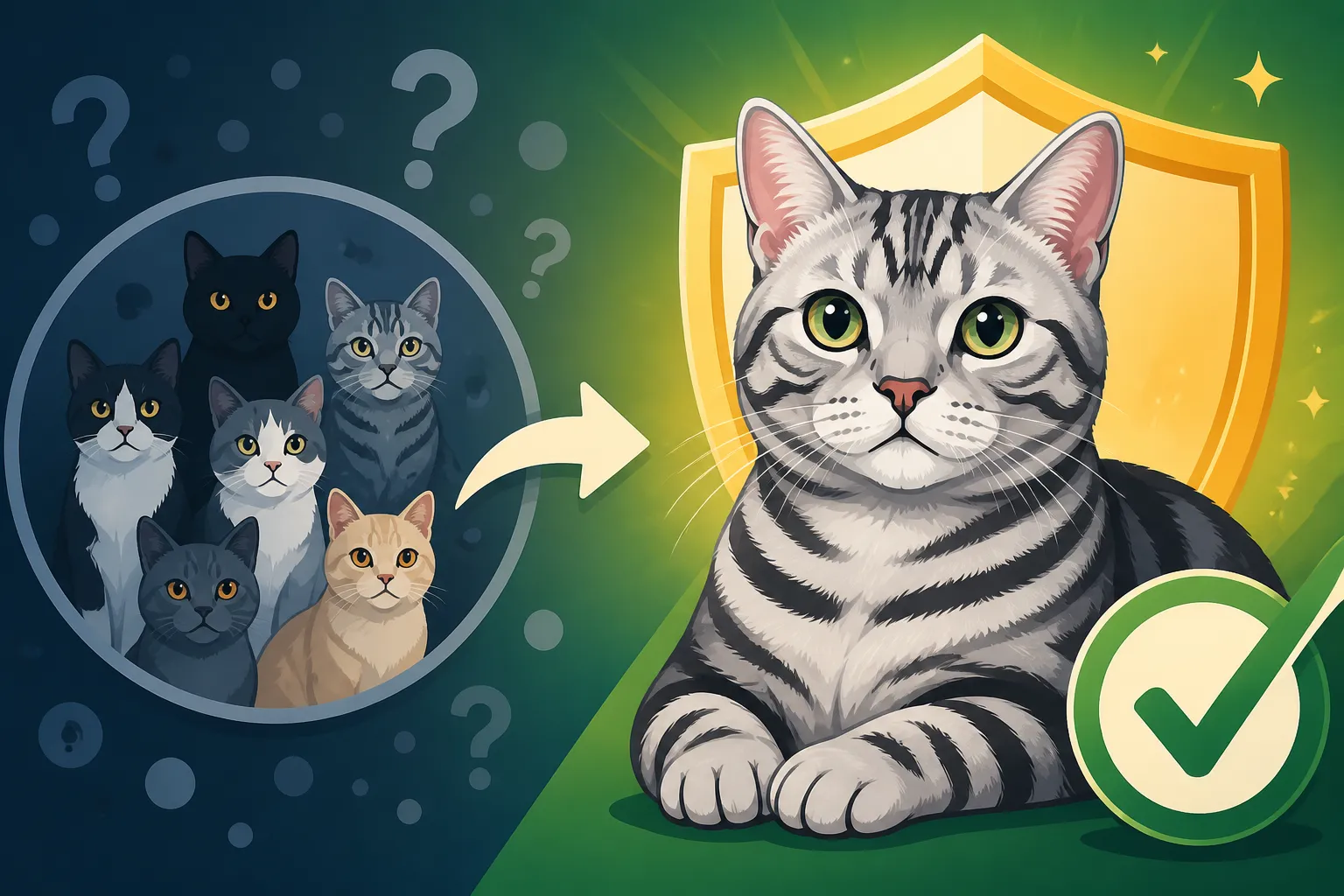
When the organized cat fancy began to emerge in North America in the late 19th and early 20th centuries, there was a growing desire to recognize and celebrate the common, indigenous cats that had proven so invaluable. These were the descendants of those ship cats and farm mousers – the everyday "domestic shorthairs" that many families already cherished. Rather than creating a new breed from scratch, early fanciers decided to elevate these existing, robust felines. They essentially started registering well-typed examples of these common random-bred cats, giving them a place in the burgeoning pedigreed world. This was a critical moment, as it meant the gene pool for what would become the American Shorthair was incredibly broad from the outset, encompassing the genetic diversity of countless generations of successful survivors.
Why the Shift from "Domestic" to "American" Shorthair
For many years, the breed was simply known as the Domestic Shorthair. However, as the cat fancy grew, a need arose to distinguish these pedigreed cats, bred to a specific standard and documented lineage, from the vast population of unpedigreed house cats, also colloquially known as domestic shorthairs. It was getting a bit confusing, to say the least! So, in 1966, the breed officially changed its name to the American Shorthair. This wasn't about changing the cat itself, but about clarifying its status within the pedigreed world. It asserted its American heritage and its distinct identity as a recognized breed, carefully bred to maintain the very best characteristics of its hardworking ancestors. This name change helped solidify its position while still honoring its humble, healthy roots.
The Genetic Benefits of an Open Gene Pool
The practice of incorporating random-bred cats into the early American Shorthair gene pool had profound and lasting positive impacts on the breed's health and vitality. It's a testament to the power of genetic diversity.
Counteracting Inbreeding Depression
Many purebred animal populations face a challenge known as inbreeding depression. This occurs when a breed's gene pool becomes too small, often due to intense selection for specific traits or a limited number of foundation animals. When closely related individuals breed repeatedly, harmful recessive genes are more likely to be expressed, leading to a higher incidence of genetic diseases, reduced fertility, weakened immune systems, and overall decreased vigor.
By actively registering and including well-typed random-bred domestic shorthairs in the early stages of the American Shorthair's development, breeders essentially "refreshed" the gene pool continually. This influx of new genetic material dramatically reduced the chances of inbreeding depression taking hold. It meant that even if a harmful gene existed in one line, the sheer volume of diverse genes coming in from outside sources often diluted its impact or provided healthy alternatives. This strategy directly contributed to the American Shorthair being considered The American Shorthair Is the Control Group of Cat Breeding in terms of its natural health. They were inherently protected from many of the genetic pitfalls that plague other breeds with more restrictive origins.
Maintaining Genetic Diversity
Genetic diversity is the cornerstone of a healthy, resilient population. It provides a buffer against environmental changes and disease. A diverse gene pool means a wider range of genetic traits, increasing the likelihood that at least some individuals within the population will possess resistance to new pathogens or adapt better to evolving conditions.
The American Shorthair, thanks to its foundation, boasts one of the widest gene pools among pedigreed cats. This wide genetic base acts like a natural shield, making the breed less susceptible to a narrow range of inherited diseases that might otherwise become prevalent if the gene pool were tighter. This broad genetic foundation is a major reason why an American Shorthair costs a vet less than a Persian, for example, as they generally have fewer complex, inherited health issues requiring extensive treatment. This inherent genetic robustness means owners can often benefit from pet insurance plans like those offered by Healthy Paws, which are designed for generally healthy animals, with fewer claims for breed-specific hereditary conditions.
The "Control Group" Ideal
The idea of the American Shorthair as a "control group" in the world of cat breeding isn't just a catchy phrase; it's a reflection of its genetic reality. In scientific experiments, a control group remains unmanipulated, serving as a baseline for comparison against groups where variables have been changed. In the context of cat breeding, the American Shorthair, with its historically open gene pool and natural selection for survival, represents a baseline of feline health and vigor that many other pedigreed breeds, developed through more intensive and often restrictive selective breeding, can be compared against. This benchmark status highlights their natural resilience.
Modern Day Implications and Continued Soundness
The legacy of the American Shorthair's open gene pool isn't just a historical footnote; it actively shapes the breed's health and breeding practices today.
Current Breeding Practices and the Standard
Today's American Shorthair breeders continue to cherish the natural, moderate characteristics that have always defined the breed. The breed standard emphasizes a well-balanced, robust cat without exaggerated features that could lead to health problems. You won't find extreme flattened faces, overly large ears, or disproportionate body types in the American Shorthair standard. Instead, it calls for a medium-to-large cat with a strong, muscular body, a broad chest, and a round head – the physical hallmarks of a capable working cat. This unwavering commitment to maintaining a natural, functional appearance, as outlined in What an American Shorthair Looks Like by the Standard, is a direct continuation of the early emphasis on soundness derived from their random-bred ancestors. Breeders are still selecting for health and vigor, even within the confines of a pedigree.
The Role of Health Screening Alongside Genetic Diversity
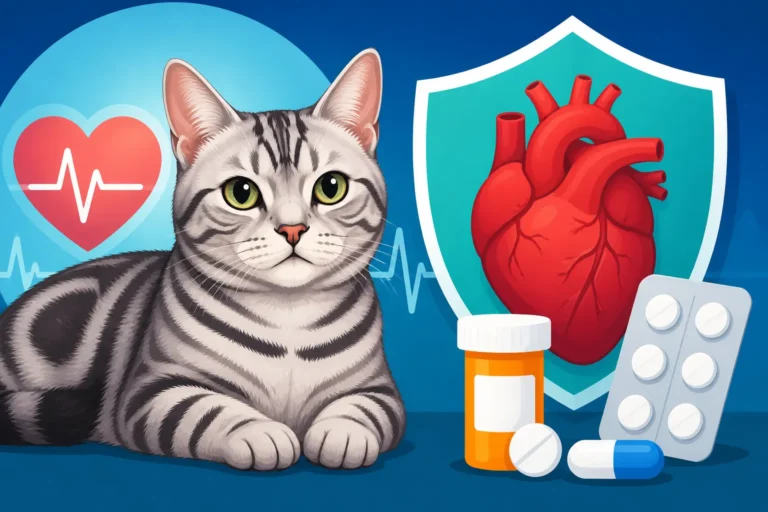
While a broad gene pool provides excellent protection against many genetic issues, it's not a complete guarantee against all health problems. Even in a genetically diverse breed like the American Shorthair, responsible breeders still implement health screening protocols to ensure the ongoing health of their lines. The most notable example is Hypertrophic Cardiomyopathy (HCM), a heart condition that can affect cats of any breed, including the American Shorthair. While less common than in some other breeds, HCM Is the One Inherited Disease the American Shorthair Kept, making regular heart scans a crucial part of responsible breeding. This means that while a vast gene pool reduces the incidence of many issues, specific screenings are still an important safeguard. What an American Shorthair Breeder Should Have Screened will always include an echo for HCM. This proactive approach, combined with their strong genetic foundation, further contributes to the overall health and longevity of the breed.
Does the American Shorthair Gene Pool Is Still Open?
The question of whether the American Shorthair gene pool is still open to random-bred cats in the same way it was in the very early days is complex. While the initial registration of common domestic shorthairs laid a magnificent foundation of genetic diversity, registries generally become more stringent as a breed matures and its population grows. Today, the process of registering a "found" cat as an American Shorthair is far less common and more challenging, requiring extensive proof of pedigree-like characteristics across multiple generations and often approval from a breed committee.
However, the legacy of that initially open gene pool profoundly impacts the breed today. The sheer breadth of genetic material introduced in those formative years continues to pay dividends. This means that while the front door for random-bred cats isn't as wide open now, the breed still benefits from the deep well of diversity established early on. This is a key factor in Whether the American Shorthair Gene Pool Is Still Open and why it contributes to the breed's excellent health profile, helping it maintain its reputation for soundness into the modern era.
What "Soundness" Means for American Shorthair Health
When we talk about the American Shorthair being "sound," what exactly does that imply for owners and for the cats themselves? It boils down to a holistic picture of health, resilience, and vitality.
Physical Robustness and Longevity
A sound American Shorthair is, quite simply, a well-built, sturdy cat. Their moderate conformation means they are not prone to the structural issues that can plague breeds with extreme features. Their strong, muscular bodies are designed for movement and agility, without the fragility or cumbersome nature seen in some other pedigrees. This inherent physical robustness directly translates into a long and healthy life. Most American Shorthairs enjoy The Fifteen to Twenty Years the American Shorthair Was Given, often surpassing the lifespans of many other purebred cats. Their general hardiness means fewer visits to the vet for complex breed-specific problems, which can ultimately mean How Much Less an American Shorthair Owner Spends at the Vet. Having a generally healthy breed is excellent for managing the costs of pet ownership, and having coverage from a provider like Healthy Paws can provide peace of mind for any unexpected bumps along the road.
Temperamental Stability
Soundness isn't just about physical health; it also extends to temperament. The American Shorthair's history as a self-sufficient working cat, combined with its diverse genetic background, has resulted in a famously adaptable, easygoing, and intelligent disposition. They were never bred for extreme personality traits, but rather for a calm, independent yet affectionate nature that allowed them to coexist well with humans and perform their duties. This stability means they are typically not prone to stress-induced behaviors or anxieties that can affect the health of more high-strung breeds. They are generally tolerant, good with children and other pets, and less likely to suffer from stress-related ailments that often arise from nervous dispositions.
Fewer Breed-Specific Ailments
Perhaps one of the most significant indicators of the American Shorthair's soundness is the relative lack of widespread, debilitating breed-specific genetic diseases. While any cat can develop common feline ailments like kidney disease or cancer in old age, the American Shorthair doesn't carry the heavy burden of multiple inherited conditions seen in many other pedigrees. This stands in stark contrast to breeds known for chronic issues like polycystic kidney disease (PKD), progressive retinal atrophy (PRA), or severe orthopedic problems.
The primary genetic health concern that breeders monitor for is HCM, as previously mentioned. However, even with HCM, its prevalence in the American Shorthair is lower than in some other breeds, and responsible screening helps manage it. This breed's clean bill of health makes a strong case for Why the American Shorthair Is Used as a Health Benchmark in the feline world, demonstrating how a commitment to an open gene pool and moderate type can truly benefit animal welfare. Their generally good health means that American Shorthair owners, especially those with Healthy Paws insurance, can focus more on preventative care and enjoying their companion, rather than constantly worrying about expensive, breed-specific medical interventions. When comparing How Long the American Shorthair Lives Against Other Pedigrees, their longevity and lack of chronic issues often put them at the top.
| Feature | Breed with Open Gene Pool (e.g., American Shorthair) | Breed with Closed/Restricted Gene Pool (e.g., some highly specialized breeds) |
|---|---|---|
| Genetic Diversity | High | Low |
| Risk of Inbreeding Depression | Very Low | Higher |
| Susceptibility to Genetic Diseases | Generally Low (fewer widespread breed-specific issues) | Higher (more prevalent breed-specific inherited conditions) |
| Overall Health & Vigor | Excellent, known for robustness and hardiness | Can be compromised, with potential for weaker immune systems |
| Temperament | Generally stable, adaptable, well-balanced | Can sometimes include breed-specific predispositions to anxiety or neuroses |
| Lifespan | Typically long, with many reaching 15-20 years | Variable, can be shortened by chronic health issues |
| Breeding Focus | Preservation of natural type, health, and function | Often on extreme aesthetics, sometimes at the expense of health |
Ultimately, the early decision to register random-bred cats was a stroke of genius for the American Shorthair breed. It imbued them with a deep, diverse genetic foundation that continues to contribute to their remarkable health and longevity today. This heritage ensures they remain a truly sound and wonderful companion for years to come.
Disclaimer
Please remember that while American Shorthairs are generally healthy, no cat is immune to illness or injury. This article provides general information and should not replace professional veterinary advice. Always consult with a qualified veterinarian for any health concerns specific to your pet.