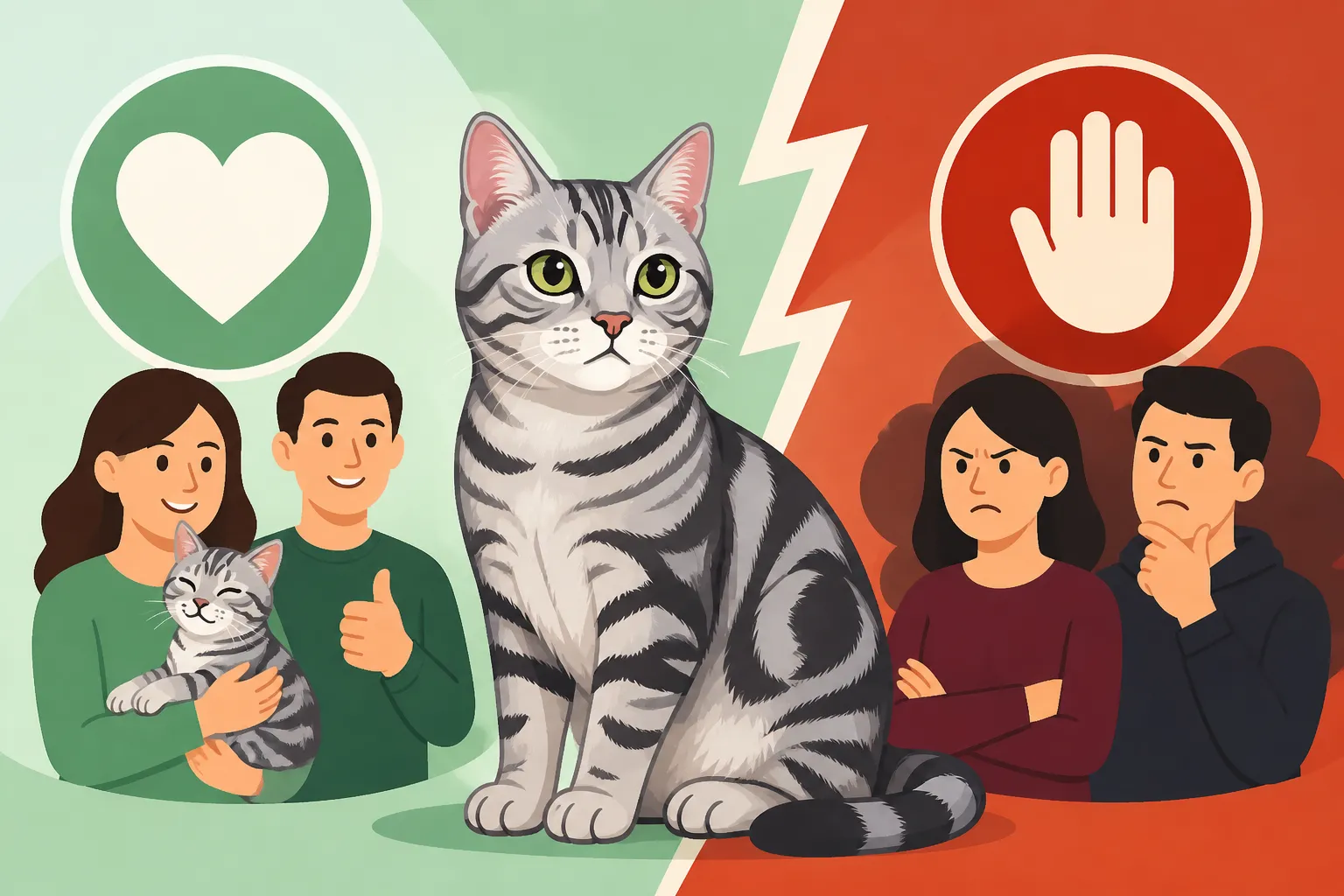
Whether the American Shorthair Has Welfare Critics
People asking whether the American Shorthair has welfare critics often run into two very different conversations: criticism of pedigree-cat breeding in general, and criticism of this breed’s specific body shape or care needs. The distinction matters. This guide explains what concerns people raise, how well they apply to American Shorthairs, and what responsible ownership and breeding look like in practice.
What welfare critics mean when they discuss the American Shorthair
Criticism of pedigree breeding is not always criticism of this breed
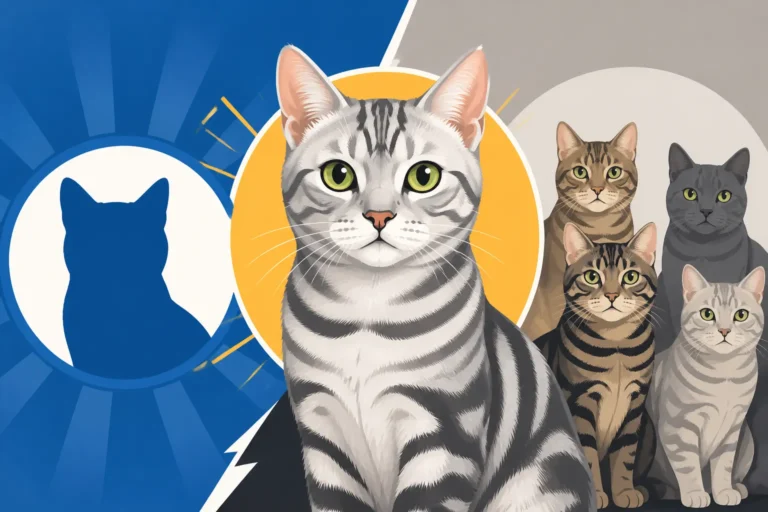
Some animal-welfare advocates question the breeding of pedigree cats as a whole. Their concerns may include deliberately selecting for appearance, limiting the number of cats used in breeding, and bringing more kittens into the world when shelters already care for cats needing homes. These arguments apply broadly to pedigree breeding; they are not necessarily claims that American Shorthairs have a particular welfare problem.
That distinction can get lost online. A post criticizing cat shows, registration systems, or commercial breeding may be shared alongside photographs of several breeds, including the American Shorthair. That does not mean the post identifies the breed as unusually unhealthy or harmed by its standard. It may instead be making a wider point about how people make decisions on behalf of animals.
It is also reasonable for prospective owners to ask whether buying a pedigree kitten is the right choice for them. A pedigree can provide information about a cat’s ancestry and whether it meets a breed registry’s requirements, but it does not automatically guarantee excellent care, health, or temperament. For a closer look at what registration can and cannot establish, see What an American Shorthair Pedigree Guarantees.
The breed’s standard is a different question from breeding ethics
A breed standard describes the appearance considered typical for a registered American Shorthair. Critics of show breeding sometimes worry that repeated selection for a particular look can encourage exaggerated features, especially when appearance is valued above health or comfortable function. That is an important general welfare concern, but it should be assessed against the actual traits a standard rewards.
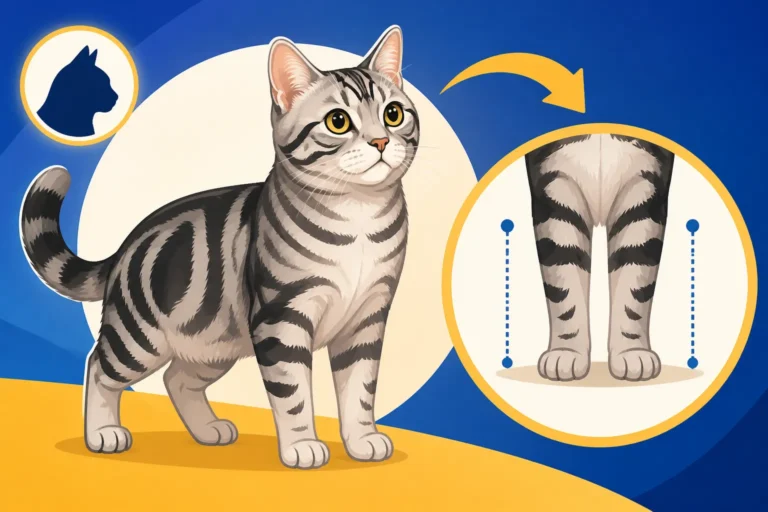
The American Shorthair is generally described as a sturdy, balanced cat rather than a breed defined by an extreme face, very short legs, or a dramatically altered body shape. Its square build and strong frame are part of its recognizable appearance, but “stocky” should not be treated as permission to breed for excess bulk or ignore mobility. The practical question is whether a cat can move, groom, breathe, eat, and live comfortably—not whether it looks impressive in a photograph.
If you want to understand the physical traits that are meant to define the breed, What an American Shorthair Looks Like by the Standard offers useful context. Comparing the written standard with an individual cat’s health and behavior is more informative than assuming that every registered cat—or every cat with a similar look—has been bred responsibly.
Breed welfare and individual welfare are not the same thing
A breed can have a relatively moderate appearance and still include cats that need veterinary attention, careful weight management, or thoughtful breeding decisions. Likewise, an individual American Shorthair can be well cared for even if someone objects to pedigree breeding in principle. Those are separate questions, and collapsing them into one argument makes it harder to identify what actually needs improvement.
For example, a critic might believe that breeding any cat for a registry is ethically questionable. Another person might support responsible pedigree breeding but object to a particular breeder who does not provide suitable veterinary care. A third might focus on a cat’s life after it goes home: whether it is kept safely, fed appropriately, and given companionship and environmental enrichment. Each concern calls for a different response.
The most useful approach is to look at observable outcomes. Does the cat appear comfortable? Can it move and groom normally? Are its needs being met? Does the breeder make thoughtful decisions about health and temperament? These questions help keep a discussion about welfare grounded in the cat’s lived experience.
How the American Shorthair compares with common welfare concerns
The breed is not defined by an extreme body shape
Some welfare debate around pedigree animals focuses on traits that can interfere with basic function. In cats, that may mean features associated with difficulty breathing, moving, giving birth, or grooming. American Shorthairs are not typically bred for a flattened face or severely shortened limbs, which distinguishes their usual outline from breeds whose appearance is more closely connected to specific functional concerns.
That does not mean every breeding choice is automatically harmless. Selection can still place too much emphasis on coat pattern, head shape, size, or show-ring appeal. Nor does a moderate-looking cat have a health guarantee simply because it lacks an obvious extreme feature. Welfare is not a pass-or-fail label applied to an entire breed; it is something to assess through health, behavior, breeding practices, and the conditions in which each cat lives.
For a comparison of the American Shorthair’s appearance with that of a non-pedigree cat, see How an American Shorthair Differs From a Domestic Shorthair. Similar-looking cats can have different backgrounds, and looks alone cannot establish a cat’s pedigree or welfare history.
Health concerns deserve attention without being exaggerated
A responsible discussion should avoid both extremes: claiming that American Shorthairs are problem-free, or suggesting that the breed is inherently unhealthy. Cats can develop illness for many reasons, including inherited risk, age, environment, and ordinary chance. A breed’s reputation for being sturdy is not a substitute for veterinary care or responsible screening.
Potential owners can ask breeders what health information is available for the parents and how they make breeding decisions. They should also expect honest answers about known risks rather than a promise that a kitten will never become ill. The questions to ask depend on the breeder’s lines and the cat’s history; What an American Shorthair Breeder Should Have Screened provides a more focused guide to the health side of that conversation.
Critics may also point out that screening itself does not make breeding ethical if cats are housed poorly, bred too frequently, or treated as products. That is why paperwork should be considered alongside the breeder’s everyday practices. A folder of test results is helpful, but it cannot tell you everything about how the mother cat is cared for, how kittens are socialized, or what support is offered after placement.
Weight, indoor life, and enrichment are welfare issues too
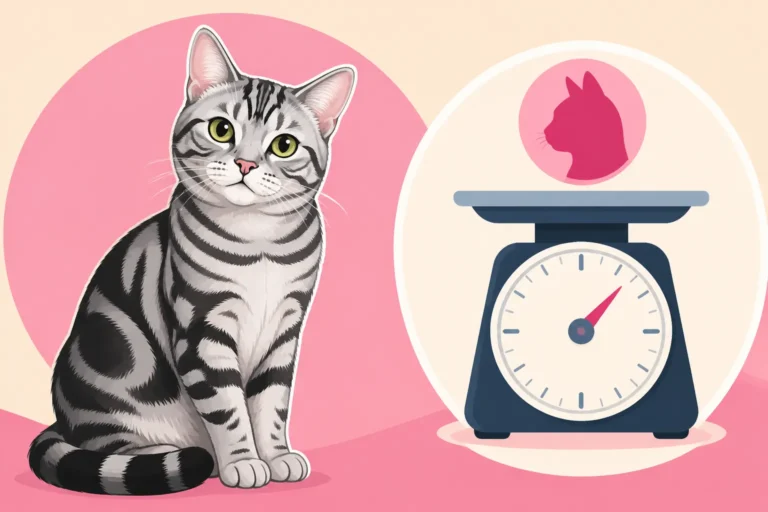
A broad, muscular frame can make an American Shorthair look heavier than it is, and indoor routines can make it easy for a cat to take in more energy than it uses. Weight gain is not simply an appearance concern: it can affect movement, comfort, grooming, and long-term health. Feeding measured portions and checking body condition with a veterinarian are more useful than relying on the scale alone.
Enrichment matters as well. An American Shorthair may be content to spend time watching a window or resting nearby, but a calm temperament does not mean it has no need to play, explore, scratch, and make choices. If a household is choosing supplies for an indoor cat, Chewy is one example of a retailer where owners may compare puzzle feeders, scratching surfaces, and interactive toys. The important part is choosing items that suit the particular cat and using them safely, rather than assuming that buying equipment alone meets an animal’s needs.
Small daily routines can have a real effect. A short play session before a meal, a food puzzle that is not frustratingly difficult, and a comfortable place to observe the household can give an indoor cat more to do. For a broader look at why indoor cats still benefit from activity and feeding routines, see Making an American Shorthair Work for Its Dinner Again.
What responsible American Shorthair breeding and ownership look like
Look at the breeder’s decisions, not just the kitten’s appearance
A responsible breeder should be willing to explain how they prioritize health, temperament, and the well-being of their adult cats. Ask how often a queen has litters, where the cats live, how kittens are raised, and what happens if an owner can no longer keep a cat. The answers should be clear and consistent, not rushed or framed as reasons you must commit immediately.
It is also worth paying attention to what the breeder does not promise. No careful breeder can guarantee that a cat will never develop a medical condition or that its personality will fit every household. Be cautious of claims that a pedigree alone proves perfect health, or that a specific coat color makes a kitten superior as a companion.
A breeder’s paperwork can help establish ancestry and describe health checks, but you should consider the whole picture. A kitten should be observed in a safe, clean setting, and the mother cat’s welfare should not be treated as an awkward subject. If you are comparing the value of registered cats with non-pedigree cats, Whether a Domestic Shorthair Is Just a Cheap American Shorthair helps clarify why similar appearance does not mean the same background.
Adoption is a valid choice, not a judgment on people who buy responsibly
Some critics prefer adoption because shelters and rescue groups have cats in need of homes. That is a meaningful concern, and adopting a cat can be a good fit for many households. It does not follow that every person who chooses a responsibly bred kitten is indifferent to animal welfare, or that adopting is right for every situation. The decision involves lifestyle, access, the kind of information a household needs, and the individual cat’s needs.
People looking for an American Shorthair specifically may find that shelters have cats with a similar look, but a shelter description or coat pattern cannot prove that a cat is a registered member of the breed. Prospective adopters should focus on the cat’s health, behavior, and fit with the household rather than relying only on a breed label. For a closer look at adoption considerations, see Adopting an American Shorthair From a Shelter.
There is no need to turn this decision into a contest between “good” and “bad” owners. A thoughtful adopter and a thoughtful breeder can both put animal welfare first. The more useful questions are whether the cat’s needs can be met, whether the source is responsible, and whether the household is prepared for the commitment.
Everyday care is part of the welfare conversation
Once a cat is home, welfare becomes practical and routine. Provide clean water, appropriate food, safe places to rest, scratching options, play, and veterinary care. Keep an eye on gradual changes in appetite, movement, grooming, and social behavior. A cat that seems unusually quiet or withdrawn may be uncomfortable or unwell, even if it has always been relatively reserved.
For an indoor American Shorthair, environmental choices can make a difference without turning the home into a complicated project. A stable window perch, a sturdy scratching post, a few toys rotated over time, and short play sessions can offer stimulation. Chewy may be a convenient place to compare common cat-care supplies, but any product should be selected for safety, durability, and the individual cat’s preferences. Some cats ignore elaborate toys and love a simple wand game; others are more interested in a food puzzle or a cardboard box.
Food is another area where a modest adjustment can prevent a frustrating cycle of weight gain. Measure meals rather than leaving food available all day if free-feeding leads to overeating, and ask a veterinarian to help set an appropriate plan if weight is a concern. Chewy can be useful for comparing food formats and feeding accessories, but a retailer’s product descriptions are not a substitute for veterinary advice about a cat’s specific diet.
How to assess welfare claims about the breed
Separate evidence about a breed from opinion about pedigree cats
When you see a claim that the American Shorthair is “unethical,” “perfectly healthy,” or “naturally immune to welfare concerns,” pause and ask what the claim is actually based on. Does it refer to a known physical trait, a documented breeding practice, a particular breeder, or a broader position on pedigree animals? Those are not interchangeable.
A broad ethical objection can be important even when it is not evidence of a breed-specific medical problem. Conversely, the fact that a breed is not known for an extreme physical feature does not settle every question about breeding standards, genetic diversity, or the quality of life of individual cats. The most accurate answer usually includes more than one point: the breed is not typically defined by extreme anatomy, but its welfare still depends on how cats are bred and cared for.
Some welfare discussions also consider how show selection affects breeding priorities. For a closer look at that specific issue, see Whether Show Selection Has Started to Narrow the American Shorthair. It helps frame a narrower question than simply asking whether the breed is “good” or “bad.”
Use a practical checklist when choosing a cat
Instead of relying on sweeping claims, use a short set of questions to evaluate the source and the cat’s situation:
| Question | What a thoughtful answer should address |
|---|---|
| Does the cat appear comfortable and able to move normally? | Watch how it walks, jumps, grooms, eats, and interacts |
| What health information is available? | Ask what checks were done and what the results mean |
| How are adult breeding cats treated? | Ask about living conditions, veterinary care, and breeding decisions |
| Is the source transparent? | Expect direct answers and a chance to understand the cat’s history |
| Can the household meet the cat’s needs? | Consider time, safe space, costs, play, and long-term care |
| Is adoption also a suitable option? | Compare individual cats and their needs without judging other owners |
This checklist works whether you are speaking with a breeder, rescue group, or shelter. It is not a substitute for veterinary assessment, but it can help you notice when a seller avoids reasonable questions or when an adoption listing leaves important details unclear.
A balanced conclusion on American Shorthair welfare
Yes, the American Shorthair can appear in welfare debates, especially conversations about pedigree breeding, show selection, and the choice to breed animals while cats need homes. Those debates are often about broader systems rather than a specific claim that the American Shorthair’s usual body type causes severe welfare problems.
For an individual cat, the most important issues are concrete: responsible breeding or adoption, appropriate veterinary care, a healthy body condition, safe surroundings, and a life with enough stimulation and choice. A breed label cannot guarantee those things, and criticism of pedigree cats cannot tell you how one particular cat is being treated. Looking carefully at both the wider ethical discussion and the animal in front of you leads to a more useful, fair-minded answer.
Disclaimer
This article is for general informational purposes only and does not constitute professional advice. Laws, prices and regulations vary by location and change over time. Consult a qualified professional for guidance on your specific situation.