Which American Shorthair Lines Are Documented for HCM
It can be incredibly disheartening to realize that even the most robust and historically healthy cat breeds aren't entirely immune to serious health conditions. For American Shorthair owners, while their feline companions are generally known for their longevity and resilience, the specter of Hypertrophic Cardiomyopathy (HCM) can still cast a shadow of concern. It’s a silent, progressive heart disease, and trying to navigate which specific American Shorthair lines might have documented instances of this condition can feel like searching for a needle in a haystack. This guide aims to demystify the process of understanding and identifying American Shorthair lines where HCM has been documented, providing clarity and actionable insights for both prospective and current owners.
Understanding Hypertrophic Cardiomyopathy in American Shorthairs
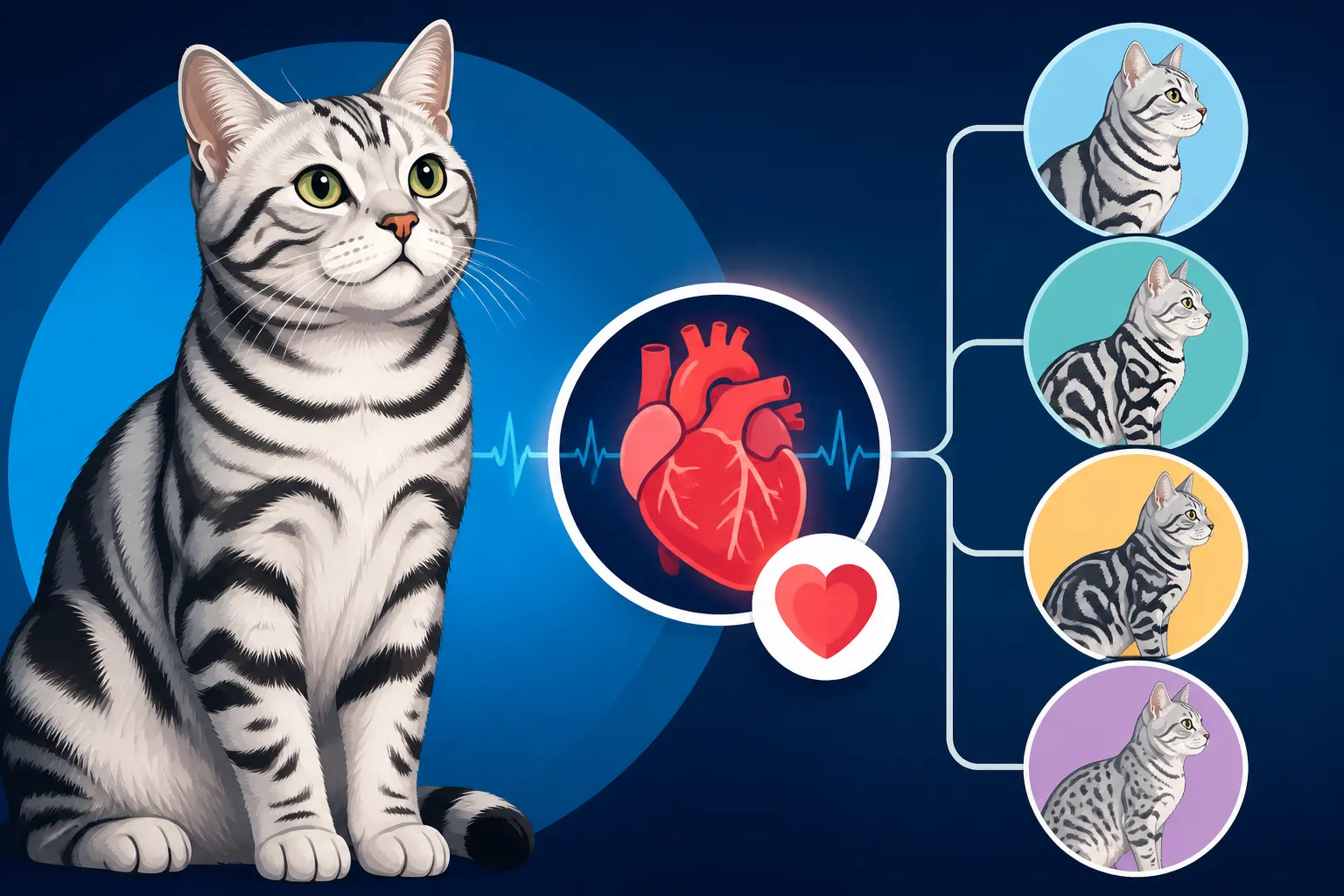
Hypertrophic Cardiomyopathy, or HCM, is the most common heart disease in cats, regardless of breed. It’s a condition characterized by the thickening of the muscular walls of the heart, particularly the left ventricle. This thickening makes it harder for the heart to pump blood effectively, reducing its overall efficiency and sometimes leading to serious complications. For American Shorthairs, a breed lauded for its sturdy constitution and generally excellent health, the presence of HCM can be a particularly confusing and distressing issue.
The Nature of HCM and Its Impact
When a cat develops HCM, the increased thickness of the heart muscle means the ventricle can't properly relax and fill with blood between beats. This reduced blood volume being pumped out affects the cat's entire circulatory system. Over time, the heart tries to compensate for this inefficiency, often by working even harder, which can further thicken the muscle in a vicious cycle. The long-term consequences can be severe: congestive heart failure, where fluid builds up in the lungs or abdomen; arterial thromboembolism, commonly known as a saddle thrombus, where blood clots form in the heart and travel to block blood flow, often to the hind legs; and in some cases, sudden death.
What makes HCM so insidious is that it's often a silent disease. Cats are masters at hiding illness, and many show no outward signs until the condition is quite advanced. Owners might only notice subtle changes like lethargy, reduced appetite, or labored breathing when the heart has already sustained significant damage. This silent progression underscores the importance of proactive screening, even in a breed that generally enjoys excellent health. For American Shorthairs, a breed valued for its balanced health, HCM Is the One Inherited Disease the American Shorthair Kept, making vigilance crucial.
Why HCM Poses a Unique Challenge for the Breed
The American Shorthair has a rich history as a working cat, bred for function and survival rather than extreme aesthetics. This natural selection has endowed the breed with a remarkably broad gene pool and a reputation for being exceptionally healthy, often serving as a benchmark for what a robust feline should be. However, even with this strong foundation, HCM still finds its way into certain lines. Unlike some other purebreds where HCM might be extremely prevalent and associated with specific genetic mutations, in American Shorthairs, it appears to be less widespread, yet still a concern.
The challenge lies in the multifactorial nature of HCM; it's not always a simple single-gene issue in every breed. This complexity makes tracking and eradicating it more difficult. While efforts have been successful in some breeds to identify specific genetic markers, the genetics of HCM in the American Shorthair are not as clearly defined or linked to a universally available genetic test. This means breeders and owners cannot simply rely on a quick DNA swab to declare a cat "clear." Instead, they must lean on careful, consistent diagnostic screening, primarily echocardiograms, to monitor heart health. This is a primary reason Why HCM Survived in the American Shorthair, even with diligent breeding practices, as the exact genetic pathways are still being understood.
The Evolution of HCM Documentation in American Shorthair Lines
For many years, the existence of HCM within various cat breeds was known, but the systematic tracking and documentation of affected lines were often sporadic or confined to individual breeders. The journey towards comprehensive documentation has been a long one, driven by dedicated veterinarians, breed clubs, and responsible breeders committed to the long-term health of their cats.
Early Efforts and the Dawn of Screening
The early to mid-20th century saw the increasing popularity of pedigree cat breeding. As more cats were bred for specific traits, health issues that were less apparent in mixed-breed populations began to surface. HCM was one such condition. While it has likely always existed, its recognition as a potentially hereditary disease requiring intervention became more pressing with concentrated breeding efforts. Initially, diagnosis was often made post-mortem or only when symptoms became severe, making it incredibly difficult to identify patterns or trace affected lines.
The real game-changer came with the advancement of veterinary cardiology and the widespread availability of echocardiography. This non-invasive ultrasound technique allows veterinarians, particularly board-certified cardiologists, to visualize the heart in real-time, measure its walls, assess blood flow, and identify the characteristic thickening of HCM. By the late 1980s and early 1990s, breeders of various predisposed breeds began to incorporate regular echocardiograms into their breeding programs. These early screenings, though limited in scope and often without centralized record-keeping, laid the groundwork for future, more organized documentation efforts. Breeders of American Shorthairs, while not facing the same high prevalence as some other breeds, also started to adopt this screening to maintain the breed's renowned health.
From Individual Records to Collaborative Databases
As the importance of screening grew, so did the need for a centralized system to collect and share health data. Relying solely on individual breeder records, while valuable, created inconsistencies and made it challenging to identify broader trends across the breed. Breed clubs and feline registries recognized this gap and began to encourage, and in some cases mandate, health testing for breeding cats. This shift marked the beginning of more formalized documentation.
Organizations like the Orthopedic Foundation for Animals (OFA) stepped in to provide a public, searchable database for various health clearances, including cardiac health. Breeders could submit their cats' echocardiogram results to OFA, where a panel of veterinary cardiologists would review them and assign a clearance status (e.g., "normal," "equivocal," or "affected"). This allowed for a transparent, verifiable record of a cat's heart health at the time of the scan. For the American Shorthair, contributing to such databases has been essential for establishing Which American Shorthair Lines Are Documented for HCM. These collaborative efforts mean that prospective owners can now often look beyond a breeder's word and examine publicly available health records for parent cats and their ancestors, offering a much higher degree of confidence in a kitten's genetic health background.
Key Resources for Tracking HCM in American Shorthairs
When you're looking for an American Shorthair, especially if you're concerned about HCM, knowing where to find reliable health documentation is paramount. There are established systems and practices that responsible breeders use, and these are the very resources you should leverage in your research.
OFA and the Cardiac Database
The Orthopedic Foundation for Animals (OFA) is arguably the most recognized and respected organization for health clearances in companion animals. While perhaps more widely known for canine orthopedic health, OFA also maintains a comprehensive cardiac database for cats. This database is a cornerstone for documenting HCM in breeds like the American Shorthair. When a breeder screens their cat for HCM, they typically take the cat to a board-certified veterinary cardiologist for an echocardiogram. The cardiologist performs the scan and then submits the results directly to OFA.
OFA reviews these results, and if the heart is structurally normal at the time of the examination, the cat receives an "OFA Normal" cardiac certification. This certification is then publicly searchable on the OFA website, usually by the cat's registered name or registration number. For American Shorthair owners, this means you can often verify the cardiac health status of a kitten's parents and even grandparents. It’s crucial to understand that an OFA certification is a snapshot in time; cats can develop HCM later in life. Therefore, repeated screenings, especially for breeding cats, are vital. This is why Why an American Shorthair Still Needs a Yearly Heart Scan, even if previously cleared. An OFA clear status for multiple generations in a pedigree is a strong indicator of a line with low risk.
Breeder Transparency and Pedigree Research
Beyond centralized databases, the most direct and invaluable resource for tracking HCM documentation is the breeder themselves. A responsible American Shorthair breeder will be proactive, transparent, and eager to discuss the health history of their lines. They should readily provide copies of health certificates, especially echocardiogram results, for both parent cats and ideally, their ancestors. They will understand your concerns about HCM and be prepared to answer your questions thoroughly.
When you're doing your pedigree research, ask to see the full, extended pedigree. This document traces your kitten's lineage back several generations. Look for consistent health screening within those lines. If a breeder shows you a pedigree with generations of OFA-certified cats, particularly with "normal" results from board-certified cardiologists, it suggests a strong commitment to health. Conversely, if a breeder is hesitant to share health records, claims testing isn't necessary for American Shorthairs, or only provides vague assurances, these are significant red flags. A good breeder will educate you on What an American Shorthair Breeder's Echo Paperwork Should Say, ensuring you know exactly what you're looking at. They should also be able to discuss whether any cats in their lines have developed HCM, even if they were removed from breeding, demonstrating a realistic approach to managing the condition within the breed.
Identifying and Interpreting Documented HCM in a Pedigree
Understanding how to decipher health documentation and what to look for on a pedigree is vital for any discerning American Shorthair owner. It’s not just about seeing a piece of paper; it’s about understanding the information it conveys and its implications for your cat’s health.
Decoding Health Certificates and Echo Reports
When a breeder provides an echocardiogram report, it's not just a pass/fail document. The most important detail is that the scan was performed by a board-certified veterinary cardiologist. These specialists have advanced training and expertise in diagnosing heart conditions, and their interpretation is considered the gold standard. A general practitioner vet can perform an echo, but the interpretation by a specialist carries more weight for breeding certification. The report should clearly state the date of the examination and the findings, usually concluding with a statement about whether the cat's heart is "normal," "equivocal" (meaning borderline, requiring re-evaluation), or "affected" with HCM.
Remember that a "clear" or "normal" result is valid for that specific point in time. HCM is a progressive disease, and a cat that scans clear at one year old could develop signs of it later. For breeding cats, yearly (or bi-yearly) scans are typically recommended to monitor for any changes. If you are looking at an adult cat, or simply want to be thorough, it’s worth understanding How a Cardiologist Reads an American Shorthair's Scan and reviewing the detailed report yourself. Look for specific measurements of ventricular wall thickness and atrial size, as these are key indicators. A consistently clear history of annual screenings provides the strongest assurance.
The Limitations of Genetic Testing for American Shorthairs
It's common for owners of certain breeds, like Maine Coons or Ragdolls, to ask about genetic tests for HCM. For those breeds, specific gene mutations (e.g., MyBPC3 mutation in Maine Coons) have been identified, and a DNA test can reveal if a cat is clear, a carrier, or affected by that particular mutation. This is a powerful tool for breeders. However, for the American Shorthair, the situation is different.
Currently, there is no universally recognized or widely available DNA test for HCM specific to the American Shorthair breed. While some commercial labs offer HCM genetic panels, these typically test for mutations found in other breeds. An American Shorthair testing negative for a Maine Coon or Ragdoll HCM gene mutation does not mean it is clear of HCM. It simply means it doesn't have that specific mutation. The disease in American Shorthairs is likely polygenic (caused by multiple genes) or involves different, as-yet-unidentified mutations. This is a critical point to grasp: Why a Gene Test Cannot Clear an American Shorthair's Heart. Therefore, breeders and owners of American Shorthairs must continue to rely on regular echocardiogram screenings by board-certified cardiologists as the primary and most reliable method for detecting and managing HCM risk.
Responsible Breeding Practices and Owner Diligence
Ensuring the health of the American Shorthair breed, particularly concerning conditions like HCM, is a shared responsibility between dedicated breeders and diligent owners. Both play crucial roles in minimizing risk and promoting a long, healthy life for these wonderful cats.
Breeder Responsibilities in Health Screening
Responsible American Shorthair breeders understand that their commitment extends far beyond simply producing cute kittens. A significant part of their responsibility lies in rigorous health screening of their breeding stock. For HCM, this means consistently performing echocardiograms on all cats in their breeding program, typically on an annual basis. These scans should always be conducted by a board-certified veterinary cardiologist, not a general practitioner, to ensure the highest level of diagnostic accuracy and credibility. The results of these screenings should then be submitted to public databases like the OFA, allowing for transparency and verification by potential buyers.
Breeders should be transparent about the health history of their lines, including any instances of HCM, even if a cat was removed from the breeding program. Honesty about these challenges is a mark of integrity. They should explain What an American Shorthair Breeder's Echo Paperwork Should Say, clarifying the different grades and what a "normal" result truly means. If a cat is diagnosed with HCM, responsible breeders will immediately remove that cat from their breeding program and often spay or neuter its close relatives, especially parents and siblings, to prevent further spread of the condition, unless those relatives have consistently proven clear through extensive screening. Their goal is to improve the breed's health over generations, not just to sell kittens.
Lifelong Monitoring for Your American Shorthair
Once you bring an American Shorthair kitten home, your role in safeguarding its heart health begins. Even if your kitten comes from impeccably screened parents, lifelong diligence is important. While HCM is How Rare HCM Is in an American Shorthair compared to some other breeds, no cat is entirely immune. Regular veterinary check-ups are essential, and your vet will listen to your cat's heart for any murmurs, which can sometimes be an early indicator of a heart condition. However, it's important to remember that not all murmurs indicate HCM, and not all cats with HCM have murmurs.
For any American Shorthair, especially one whose lineage's cardiac health isn't fully documented, or as they age, it is highly recommended to consider a baseline echocardiogram. Why an Untested Adult American Shorthair Should Still Be Scanned is because HCM can develop later in life, and early detection can lead to better management and potentially a longer lifespan. If you notice any subtle changes in your cat's behavior, such as decreased activity, increased breathing rate, open-mouth breathing (which is an emergency), coughing, or a sudden weakness in the hind legs, seek immediate veterinary attention. These could be signs of advanced heart disease. Planning for these potential health needs is also wise; pet insurance, like policies from Healthy Paws, can be an invaluable financial tool to cover the costs of diagnostic tests, specialist consultations, and ongoing treatments should a cardiac issue arise.
Navigating a Diagnosis: What to Do If HCM is Documented
Receiving a diagnosis of Hypertrophic Cardiomyopathy for your beloved American Shorthair can be incredibly frightening. It’s natural to feel overwhelmed and anxious, but it's important to remember that an HCM diagnosis is not an immediate death sentence. With proper management and support, many cats can live fulfilling lives for months or even years post-diagnosis.
Understanding the Prognosis and Management
If your American Shorthair is diagnosed with HCM, the very first step is to consult with a board-certified veterinary cardiologist. These specialists are best equipped to interpret the echocardiogram results, stage the disease, and develop a tailored treatment plan. The prognosis for HCM varies widely depending on the severity of the disease at diagnosis, the specific type of thickening, and how well the cat responds to medication. Some cats remain asymptomatic for years, while others may progress more rapidly.
Treatment for HCM primarily focuses on managing symptoms and slowing the progression of the disease. This often involves medication to relax the heart muscle, improve blood flow, and prevent blood clot formation. Common medications include beta-blockers, calcium channel blockers, and sometimes ACE inhibitors or diuretics if congestive heart failure is present. It’s important to understand Which Drugs Slow an American Shorthair's Heart Disease and to administer them consistently as prescribed by your cardiologist. Regular follow-up echocardiograms will be necessary to monitor the heart's condition and adjust medication as needed. While the journey can be challenging, understanding How Many Months Follow an American Shorthair's HCM Diagnosis is variable, and focusing on quality of life through diligent care is key.
Financial Preparedness and Support
Living with a cat diagnosed with HCM can entail significant financial costs. The initial diagnostic work-up, including the echocardiogram and potentially other tests, can be expensive. More substantially, the ongoing costs of specialized cardiac medications, regular follow-up consultations with a cardiologist, and repeat echocardiograms can add up quickly over the months and years. These expenses can place a considerable burden on owners, especially if they are unprepared.
This is where planning, and particularly pet insurance, can make a huge difference. A comprehensive pet insurance plan, such as those offered by Healthy Paws, can cover a significant portion of the costs associated with HCM diagnosis and ongoing treatment. Before an HCM diagnosis, securing a policy like "Whether an American Shorthair Policy Covers HCM" could be a crucial decision. If your cat is already insured when diagnosed, these costs become much more manageable, allowing you to focus on your cat's care rather than worrying about the bills. Beyond financial considerations, seeking out support groups for owners of cats with HCM can provide invaluable emotional support, practical advice, and a sense of community. You are not alone in this journey.
| Screening Method | Description | Pros | Cons | Efficacy for American Shorthair HCM |
|---|---|---|---|---|
| Echocardiogram (Echo) | Ultrasound of the heart performed by a veterinary cardiologist. | Direct visualization of heart structure; gold standard for diagnosis. | Requires sedation in some cats; specialist availability can vary; costly; snapshot in time (needs repeat). | High – Most reliable method. |
| Genetic Testing (DNA) | Saliva or blood test to detect specific gene mutations linked to HCM. | Non-invasive; can identify carriers before symptoms; one-time test. | No specific ASH HCM gene widely identified; tests for other breeds irrelevant. | Low – Not applicable for ASH. |
| Physical Exam / Auscultation | Vet listens to heart for murmurs; checks pulse, breathing. | Routine, inexpensive, non-invasive. | Murmurs not always present; many other causes for murmurs; not diagnostic for HCM. | Low – Screening, not diagnostic. |
| Blood Pressure Measurement | Non-invasive cuff measurement. | Easy to perform, non-invasive. | Not a direct HCM diagnostic; can indicate secondary issues (e.g., hypertension). | Low – Secondary indicator. |
| X-rays | Imaging to assess lung fluid, heart size/shape indirectly. | Quick, relatively inexpensive. | Not diagnostic for early HCM; only shows advanced changes (e.g., heart failure). | Low – Advanced disease only. |
Disclaimer
The information provided in this article is for general informational and educational purposes only, and is not a substitute for professional veterinary advice. Always seek the advice of your veterinarian or other qualified animal health provider with any questions you may have regarding a medical condition or treatment for your American Shorthair. Never disregard professional veterinary advice or delay in seeking it because of something you have read in this article.