Which Five Breeds Founded the CFA With the American Shorthair
It's easy to look at an American Shorthair today and wonder how it differs from the beloved tabby curled up in many homes, often dismissing it as "just a common cat." But what many don't realize is that this wonderful breed has a storied history that places it at the very foundation of organized cat fancy, including being one of the original five breeds that established the Cat Fanciers' Association (CFA). This guide will delve into that fascinating history, exploring the pivotal role the American Shorthair played alongside its esteemed peers in shaping the world of pedigree cats as we know it today.
The Dawn of Organized Cat Fancy in North America
Before the formal registries and grand cat shows we see today, cats were largely appreciated for their practical skills, especially their prowess as mousers. However, as the turn of the 20th century approached, an increasing number of cat lovers began to look beyond utility, appreciating the distinct beauty, temperament, and unique traits that certain cats possessed. This shift in perspective laid the groundwork for the structured world of pedigree cat breeding.
The Early Days of Cat Shows and Registration
The late 1800s saw a burgeoning interest in showcasing cats, with local clubs and societies organizing informal exhibitions. These early shows were often quaint affairs, a far cry from the elaborate events of today. Owners would proudly display their finest felines, often judged more on their general appearance and robustness than on strict adherence to a written standard. People were starting to notice that certain types of cats, like the sturdy, short-haired cats common in North America, consistently presented with particular desirable traits. There was a genuine excitement in seeing these animals, celebrating their individual charms, and fostering a sense of community among enthusiasts. These gatherings, though informal, were crucial in sparking the idea that cats, much like dogs, could have recognized breeds and pedigrees.
Why a National Registry Became Essential
As the popularity of cat shows grew, so did the need for a more organized and standardized approach. Without a central authority, definitions of breeds were often inconsistent, and it was challenging to track lineages or ensure ethical breeding practices. Imagine trying to prove your cat's heritage when every local club had its own idea of what, say, a "Domestic Shorthair" should look like. This lack of uniformity led to confusion and made it difficult for serious breeders to make progress. A national registry was envisioned as a way to formalize breed standards, record pedigrees, and ultimately protect the integrity of the emerging cat fancy. It was about creating a shared language and a reliable system that would allow for the systematic development and recognition of distinct cat breeds across the country, giving legitimacy to the hobby and providing a clear path for future generations of cat lovers.
The American Shorthair's Ancestry and Early Recognition
The cat we now know as the American Shorthair has a heritage deeply woven into the fabric of North American history. Its journey from a common working cat to a recognized pedigree breed is a testament to its enduring qualities and adaptability.
From Working Cats to Show Stars
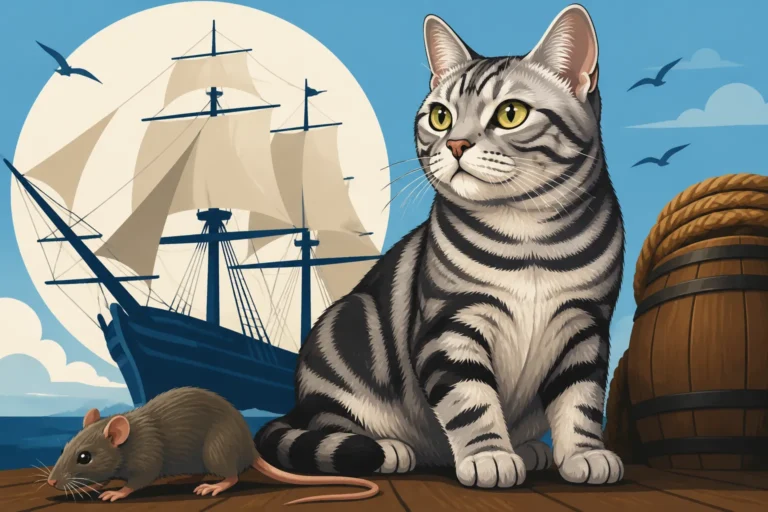
The ancestors of the American Shorthair weren't pampered pets; they were integral members of early American households, farms, and ships. These were tough, resilient cats, bred by necessity to be expert rodent controllers. They sailed across oceans with colonists, protecting precious food supplies from vermin, and then settled into life on the expanding frontier, continuing their crucial work in barns and homes. Their robust build, keen hunting instincts, and generally placid demeanor were a product of natural selection, favoring the strongest and most effective hunters.
When the cat fancy began to take shape, these "everyday" cats were among the first to catch the eye of enthusiasts. People recognized the inherent beauty and consistent type in these hardy working felines. They were admired for their broad chests, strong jaws, and dense, protective coats – all features that spoke to their long history of self-sufficiency. Breeders began to select for these desirable traits, aiming to refine and standardize what nature had already perfected. The process involved identifying cats that exemplified the desired type, meticulously documenting their offspring, and setting the groundwork for what would become a formalized breed. It was a gradual evolution from a utilitarian companion to a cherished show animal, a process that respected their historical role while elevating their status.
The "Domestic Shorthair" Era
Initially, these distinct North American working cats were simply known as the "Domestic Shorthair" when they first entered the world of formal cat shows. This name, while accurate in describing their common status, unfortunately caused a significant identity crisis for the fledgling breed. The term "Domestic Shorthair" was, and still is, a generic descriptor for any non-pedigreed cat with short hair. This meant that any alley cat, barn cat, or beloved household pet that happened to have short fur could technically be classified under the same umbrella.
This broad, undifferentiated nomenclature was a huge frustration for early breeders who were painstakingly working to establish a specific type, temperament, and heritage for their particular line of short-haired cats. They were dedicated to preserving the robust, well-muscled, and good-natured qualities that defined their chosen breed, but their efforts were constantly undermined by the generic name. How could they convince judges, or indeed the public, of their cats' unique pedigree status when the very name suggested a lack of distinction? It blurred the lines between their carefully bred animals and common street cats, hindering the breed's ability to gain widespread recognition and appreciation as a distinct entity. This inherent confusion eventually led to the crucial decision to rename the breed, giving it an identity that truly reflected its unique American heritage and distinguished it from the general feline population. This period, though challenging, was essential in highlighting the need for a truly specific and recognized name.
The Birth of the Cat Fanciers' Association (CFA)
The formation of the Cat Fanciers' Association (CFA) in 1906 marked a pivotal moment in the history of cat fancy in North America. It represented a collective desire to bring order, standardization, and prestige to the growing world of pedigree cats.
A Unified Vision for Cat Breeds
Before the CFA, various small clubs and associations operated independently, often with differing standards and practices. This fragmented approach made it difficult for breeders and exhibitors to navigate the system, and inconsistent judging criteria could be incredibly frustrating. Imagine showing your prize-winning cat in one city only for it to be deemed 'faulty' in another, simply because the local club had a slightly different interpretation of the breed standard.
The founders of the CFA recognized this chaotic landscape and envisioned a single, national organization that could unite these disparate efforts. Their goal was to establish universal breed standards, maintain meticulous pedigree records, and promote the welfare and responsible breeding of all recognized breeds. They aimed to create a cohesive structure that would benefit both breeders and cat lovers, ensuring consistency, fairness, and a clear path for the future development of cat breeds. This unified vision was about elevating cat fancy from a collection of local hobbies to a respected and organized pursuit, providing a stable foundation upon which the entire industry could grow. It brought together passionate individuals who wanted to see their beloved felines get the recognition and systematic development they deserved.
The Significance of Being a "Founding Breed"
To be recognized as a "founding breed" of an organization like the CFA is an immense honor and carries significant historical weight. It means that the breed was considered established, distinct, and important enough to be included at the very inception of the registry. For the American Shorthair, then known as the Domestic Shorthair, this designation cemented its place as one of the original pillars of the cat fancy.
This status wasn't just symbolic; it came with tangible benefits and responsibilities. It meant the breed's characteristics, though still under refinement, were considered stable enough to form a benchmark. It granted early breeders a legitimate platform to advocate for their cats, to further refine the breed standard, and to participate in shaping the future direction of the CFA itself. It signified that the qualities that made the American Shorthair such a revered working cat—its robust health, amiable temperament, and striking appearance—were acknowledged as worthy of preservation and promotion within the pedigree world. Being a founding breed meant that the American Shorthair wasn't just a newcomer trying to prove its worth; it was a fundamental part of the very fabric from which organized cat breeding emerged. This early recognition helped to solidify the breed's identity, even before its eventual name change to American Shorthair, ensuring its legacy would forever be intertwined with the history of the CFA. Why the American Shorthair Was Called Domestic Shorthair Until 1966 further explains the naming journey.
The Five Original Pillars: Beyond the American Shorthair
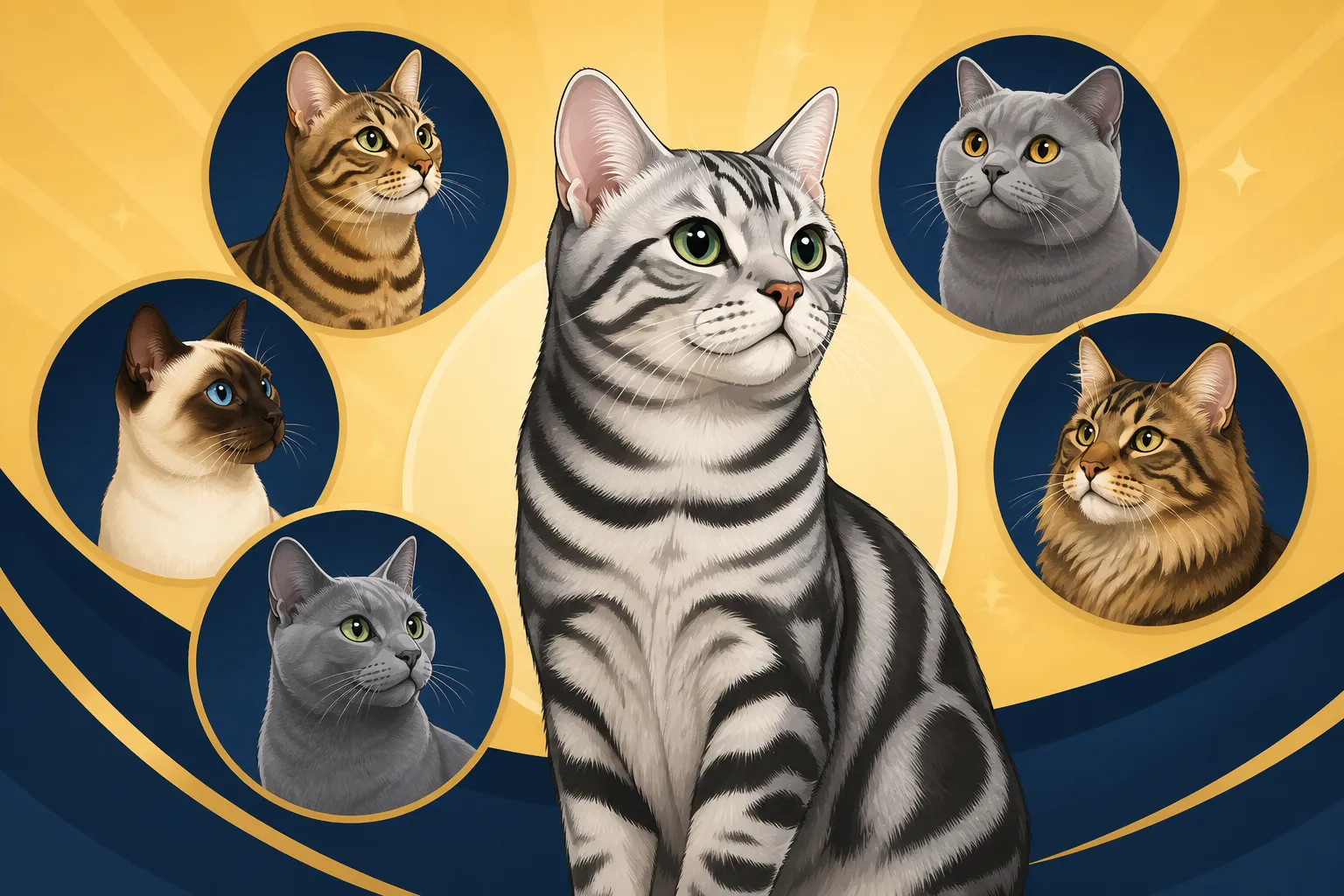
The CFA, in its inaugural year of 1906, recognized five distinct breeds, laying the cornerstone for American cat fancy. While the American Shorthair (then Domestic Shorthair) was certainly one, it shared this esteemed position with four other equally influential and beloved breeds, each bringing its unique charm and history to the nascent organization.
Unpacking the Original Breed List
The decision to recognize these particular five breeds as the initial foundation of the CFA was not arbitrary. It reflected the breeds that had already garnered significant interest, boasted a discernible "type," and had dedicated groups of fanciers working towards their preservation and promotion. These were cats that, through their distinct looks and personalities, had already begun to capture the hearts and imaginations of the public, making them prime candidates for official recognition. Their inclusion established a diverse foundation, showcasing both native North American cats and those imported from abroad, demonstrating the wide scope and ambition of the new association. Let's take a closer look at the American Shorthair's companions on this historic list.
The Persian: The Reigning Beauty
It’s hard to imagine the early days of cat fancy without the magnificent Persian. This breed was, without a doubt, the undisputed superstar of the early cat shows, and its inclusion as a founding breed of the CFA was practically a given. Persians, with their luxurious long coats, distinctive flat faces, and serene, aristocratic demeanor, had already captivated cat lovers in Europe and were quickly gaining immense popularity in North America. They embodied the epitome of exotic beauty and elegance, standing in stark contrast to the utilitarian working cats that were also being recognized.
Their elaborate grooming needs, requiring owners to dedicate significant time and effort, also appealed to a certain segment of the fancier community who saw cat ownership as a prestigious hobby. The Persian’s striking appearance and calm temperament made it a natural show cat, often drawing the largest crowds and inspiring awe. Its strong presence at the very beginning of the CFA reflected the public's fascination with its regal bearing and exotic origins, securing its place as a quintessential pedigree breed and setting a high bar for feline beauty.
The Maine Coon: A Native Giant
Much like the American Shorthair, the Maine Coon held a unique position as another native North American breed among the CFA's founding five. These gentle giants, with their shaggy coats and tufted ears, were renowned for their hardiness and excellent mousing abilities, traits honed by the harsh New England winters. They were the farm cats, the barn cats, and the beloved companions of early settlers, perfectly adapted to the rugged climate and demanding outdoor life.
Their recognition as a founding breed underscored the CFA's commitment to acknowledging and preserving indigenous feline populations alongside imported beauties. While the Maine Coon's appearance might have been less "exotic" than a Persian, its robust build, intelligence, and affectionate nature had already earned it a devoted following. Breeders championed the Maine Coon for its natural elegance and working-class charm, demonstrating that a pedigree cat didn't have to be delicate or highly refined to be celebrated. Its inclusion was a nod to the practical and resilient spirit of American cat breeds, celebrating a cat that was both a capable worker and a loving family member. For more on their health, see How the American Shorthair's Lifespan Compares to a Maine Coon's.
The Abyssinian: Exotic Grace
Bringing a touch of ancient mystique to the founding lineup was the Abyssinian. With its striking ticked coat, lithe body, and alert, intelligent eyes, the Abyssinian stood out as a breed of exceptional grace and active curiosity. Often said to resemble the sacred cats of ancient Egypt, this breed brought an air of exoticism that was different from the opulent beauty of the Persian. Abyssinians are known for their playful, dog-like personalities and their boundless energy, making them engaging companions.
Their short, dense coats with distinct ticking—where each hair has bands of color—gave them a wild, untamed look, appealing to fanciers looking for something truly unique. The Abyssinian's spirited nature and elegant physique carved out its own niche in the early cat fancy, proving that beauty could also come in an athletic and lively package. Its presence among the original five demonstrated the CFA's early appreciation for diverse feline forms and temperaments, recognizing that "pedigree" encompassed a broad spectrum of captivating characteristics.
The Siamese: The Voice of the Orient
The final member of the CFA's original five breeds, the Siamese, burst onto the scene with a captivating blend of elegance, striking colorpoint pattern, and an unforgettable vocal prowess. Hailing from Thailand (then Siam), these cats were truly distinctive with their sleek bodies, almond-shaped blue eyes, and darker points on their ears, face, paws, and tail. Their exotic origins and unique appearance immediately made them a sensation in the Western world.
Beyond their beauty, Siamese cats are famed for their outgoing, communicative personalities. They are known to be highly intelligent, demanding, and vocal, often engaging in lengthy "conversations" with their human companions. This strong personality, combined with their alluring looks, ensured their rapid rise in popularity and their undeniable place as a foundational breed. The Siamese offered something entirely different from the robust American Shorthair or the fluffy Persian, showcasing a slender, active, and highly interactive feline companion. Its inclusion highlighted the growing global reach of cat fancy and the fascination with breeds that possessed both visual appeal and a truly unique character.
Here's a quick look at the original five:
| Breed Name (CFA Founding Name) | Key Characteristic | Origin |
|---|---|---|
| American Shorthair (Domestic Shorthair) | Robust, working cat build; amiable temperament | North America |
| Persian | Long, flowing coat; distinctive flat face; serene | Persia (Iran) |
| Maine Coon | Large, shaggy coat; tufted ears; gentle giant | North America |
| Abyssinian | Ticked coat; slender, active, intelligent | Ethiopia (disputed) |
| Siamese | Colorpoint pattern; blue eyes; highly vocal | Thailand |
The Enduring Legacy of the Founding Breeds
The selection of these five breeds – the American Shorthair, Persian, Maine Coon, Abyssinian, and Siamese – was more than just a list; it was a profound statement about the future of cat fancy. These foundational choices set a powerful precedent that continues to influence how breeds are recognized and celebrated today.
Shaping the Future of Cat Pedigrees
By choosing such a diverse group of cats, ranging from native working stock to exotic imports, the CFA established a broad template for what a pedigree breed could be. This initial lineup showed that both natural hardiness and carefully cultivated beauty were equally valued. It demonstrated a commitment to both the practical origins of cats and their potential for aesthetic refinement. This early inclusivity meant that future breeds wouldn't have to fit a narrow mold; there was room for a wide array of feline characteristics and histories.
Moreover, the meticulous process of developing breed standards for these initial five set the benchmark for all subsequent breeds. It laid out the importance of clear descriptions, genetic health considerations, and consistent type. These foundational breeds became the "gold standard" against which others would be measured, influencing everything from judging criteria to breeding ethics. The dedication of early fanciers to these breeds helped to shape the very definition of a "pedigree cat," moving beyond simple appearance to encompass health, temperament, and documented lineage. Products available on platforms like Chewy reflect this dedication, offering specialized foods and supplements tailored to the needs of different breeds.
The American Shorthair's Role in Modern Breeding
Even today, the American Shorthair continues to hold a significant and often understated role in modern breeding, particularly as a health benchmark. Its original designation as a founding breed spoke volumes about its inherent soundness and robust health, traits that stemmed from centuries of natural selection as a working cat. In a world where some breeds face challenges due to exaggerated features or narrow gene pools, the American Shorthair often stands as a reminder of what a healthy, well-balanced cat should be.
Its broad genetic diversity, stemming from its landrace origins, means it often serves as a control group in studies comparing the health and longevity of various cat breeds. The American Shorthair Is the Control Group of Cat Breeding explores this concept further. Breeders of other breeds, and even those working with American Shorthairs, look to its enduring health as an ideal. This doesn't mean the breed is immune to all health issues—HCM Is the One Inherited Disease the American Shorthair Kept is a good example—but rather that its overall genetic constitution is remarkably strong. Its legacy as a founding breed ensures that the principles of health, resilience, and a naturally harmonious conformation remain central to the ethos of responsible cat breeding, even as new and increasingly specialized breeds gain recognition.
How the CFA Has Evolved Since Its Founding
From its humble beginnings with five foundational breeds, the Cat Fanciers' Association has undergone significant transformation, growing into the largest pedigree cat registry in the United States and a globally recognized authority in the cat fancy world.
Expanding the Registry and Standards
The initial five breeds were just the beginning. As interest in pedigree cats blossomed, so did the number of distinct feline types that fanciers sought to recognize and preserve. Over the decades, the CFA has systematically expanded its registry, admitting dozens of new breeds, each with its own unique history, characteristics, and dedicated following. This expansion has been a meticulous process, involving careful review of proposed breed standards, scrutiny of genetic health, and a demonstrated commitment from breeders to maintain consistent type over generations.
The standards themselves, initially broad, have evolved to become incredibly detailed and precise, providing a blueprint for breeders and judges alike. This continuous refinement ensures that each recognized breed maintains its unique identity and characteristics. The CFA’s commitment to scientific advancements in feline health has also influenced its standards, promoting responsible breeding practices that prioritize the well-being of the cats. This growth reflects the dynamic nature of cat fancy, adapting to new discoveries and an ever-growing appreciation for the diversity of the domestic cat. Today, you can find a vast array of specialized food and care products for this diverse range of breeds on sites like Chewy.
Current Impact on the American Shorthair and Other Breeds
Today, the CFA continues to exert a profound influence on the American Shorthair and all other recognized breeds. For the American Shorthair, the CFA's rigorous registration process and show standards ensure that the breed maintains its classic, sturdy type and excellent temperament, guarding against trends that might lead to extreme or unhealthy exaggerations. The breed standard, which describes the ideal American Shorthair, provides a consistent goal for breeders and helps to educate the public about what distinguishes a pedigree American Shorthair from a domestic tabby.
The CFA's platform provides a vital community for American Shorthair breeders and enthusiasts, offering educational resources, supporting health initiatives, and organizing shows where cats can compete and be evaluated. This ongoing structure helps to maintain the breed's integrity and popularity. Beyond the American Shorthair, the CFA plays a crucial role in promoting responsible breeding across the board, supporting rescue efforts, and educating the public about the importance of pedigree registration and animal welfare. The organization's influence extends to fostering a deeper understanding and appreciation for all cats, ensuring that the legacy of those original five founding breeds, including our beloved American Shorthair, continues to thrive for generations to come. Even when selecting routine items like toys or scratching posts for your American Shorthair, platforms like Chewy often provide breed-specific recommendations influenced by such organizations.
Disclaimer
This article is for general informational purposes only and does not constitute professional advice. Laws, prices and regulations vary by location and change over time. Consult a qualified professional for guidance on your specific situation.