How an American Shorthair Differs From a British Shorthair
Many people adore the American Shorthair and the British Shorthair for their calm demeanors and charming appearances, but trying to tell them apart can feel like a real head-scratcher. While both breeds offer wonderful companionship and a generally laid-back attitude, they are, in fact, distinct breeds with unique histories, physical traits, and subtle differences in personality. This comprehensive guide will help you unpack the nuances between these two beloved feline friends, so you can confidently appreciate what makes each one special.
A Tale of Two Continents: Understanding Their Distinct Histories
It's easy to assume that because they share the "Shorthair" name, these two breeds are cut from the same cloth, but their journeys to becoming recognized pedigrees couldn't be more different. One is a true American pioneer, while the other hails from across the pond with a rich, ancient past. Understanding where they come from is key to appreciating their fundamental distinctions.
The American Shorthair's Working Class Roots
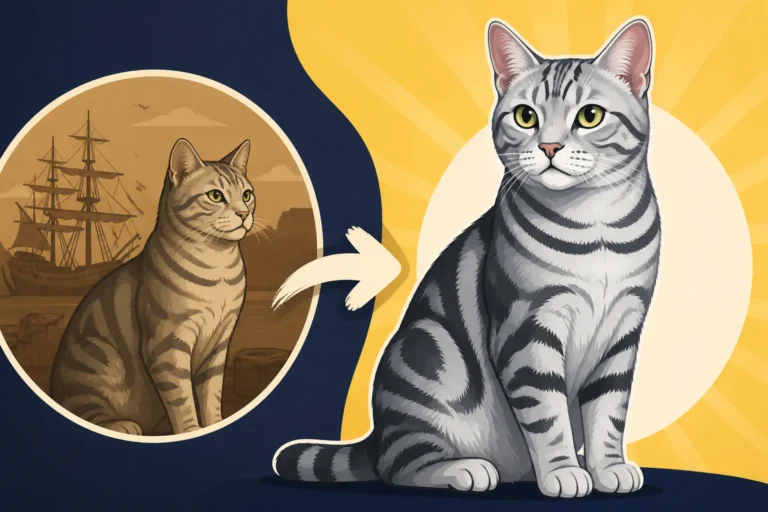
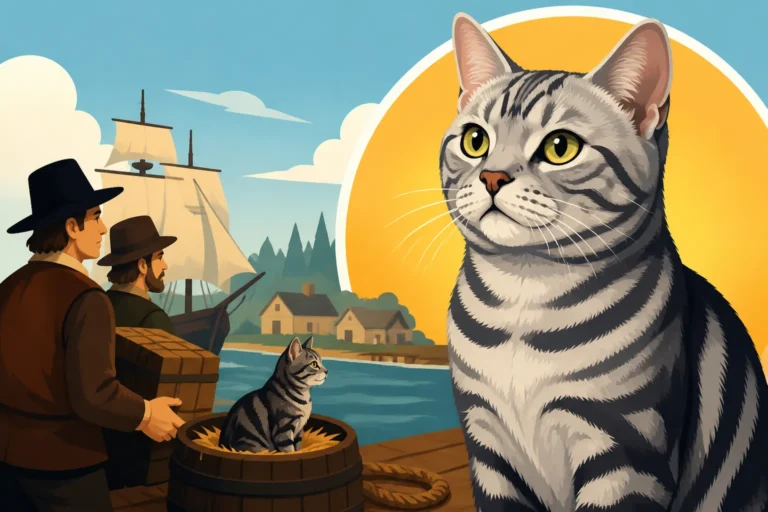
Imagine a cat that sailed the seas, kept pests off vital supplies, and then helped settle a burgeoning new nation. That's essentially the origin story of the American Shorthair. These cats weren't bred for fancy looks or specific traits initially; they were working cats, valued for their robust health, strength, and incredible hunting prowess. They arrived in North America with early European settlers, including, some say, on the Mayflower itself, The Mayflower Cats Behind the American Shorthair. Their job was clear: keep vermin populations in check on ships, in barns, and in homes. This practical, no-nonsense upbringing meant that only the toughest, most adaptable, and healthiest cats survived and thrived.
Over centuries, these 'landrace' cats developed naturally, adapting to the diverse North American environment. They were simply known as "Domestic Shorthairs" for a very long time, essentially referring to any short-haired house cat. It wasn't until the early 20th century, when cat fancy began to take hold, that enthusiasts started to appreciate and standardize these hardy American felines. They recognized the unique qualities of these natural-born hunters and began selectively breeding them to maintain their sturdy build and gentle temperament. The name "American Shorthair" was adopted in 1966, precisely to distinguish them from the general population of domestic short-haired cats, a necessary step to define and preserve the unique characteristics of this breed. Why the American Shorthair Was Called Domestic Shorthair Until 1966
The British Shorthair's Aristocratic Lineage
Across the Atlantic, the British Shorthair also boasts a long history, but one that took a somewhat different turn. Their ancestors are believed to have been brought to Britain by the Romans, again, primarily for their mousing skills. Like their American counterparts, they were originally common working cats, evolving over centuries in the British Isles. However, by the 19th century, British cat fanciers, notably Harrison Weir, began to take an interest in standardizing and formalizing the breed. Weir, considered the "father of the cat fancy," was instrumental in establishing the first cat shows and recognized the distinct qualities of the British street cat, particularly its dense coat and round features.
The British Shorthair was one of the first breeds to be formally recognized and shown. Early breeders focused on enhancing its stocky build, plush coat, and amiable nature. This was a deliberate effort to create a distinct, handsome breed suitable for exhibition, moving them from common farm cats to cherished pedigree pets. While their American cousins were still largely proving their worth in barns, the British Shorthair was already gracing show halls. The breed faced significant challenges during the two World Wars, nearly disappearing, but dedicated breeders worked tirelessly to rebuild its numbers, often using outcrosses to other breeds like Persians and Russian Blues to diversify the gene pool, always with an eye toward preserving their signature "teddy bear" look. This history of deliberate selection for specific aesthetic and temperament traits, rather than pure utility, sets them apart from the American Shorthair's more organic development.
Side-by-Side: Unpacking Their Physical Differences
At first glance, both breeds are solid, sturdy cats with short coats. But once you know what to look for, their physical differences become quite apparent. It's like comparing a classic American muscle car to a refined British luxury sedan – both are powerful, but their design philosophy and execution are distinct.
Head Shape and Facial Features: Square vs. Round
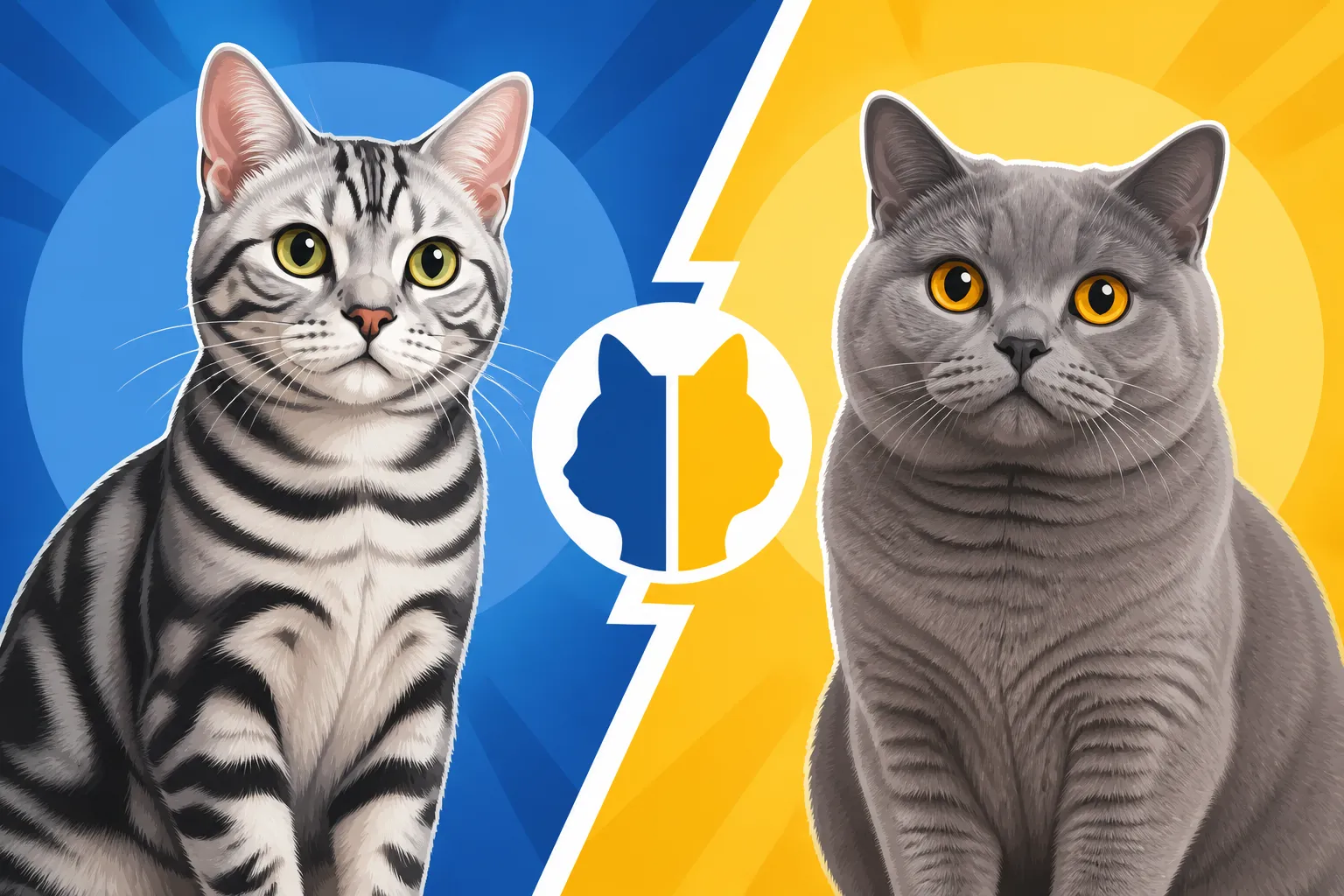
This is perhaps one of the most immediate giveaways when differentiating the two breeds. The American Shorthair possesses a medium-sized head that, when viewed from the front, often presents a slightly squared or rectangular appearance. Think of it as a strong, capable face designed for a practical purpose. Their muzzle is well-defined and tends to be moderately broad, giving them a more "classic" cat face. Their eyes are large, round, and widely set, conveying an alert and intelligent expression, which makes sense for a breed known for its keen observation and hunting prowess. Their ears are medium in size, set moderately apart, and slightly rounded at the tips, contributing to their overall balanced and proportionate look. What an American Shorthair Looks Like by the Standard
In stark contrast, the British Shorthair is famed for its truly round head. Everything about their face screams "circles and softness." They have full, chubby cheeks that contribute significantly to their characteristic "teddy bear" appearance. Their eyes are large, round, and set fairly wide apart, often appearing gold or copper, particularly in the popular blue varieties, complementing their soft features. The muzzle is short and broad, blending smoothly into the roundness of the head, almost as if it's been gently flattened. Their ears are also medium-sized and rounded, but they are set widely apart and relatively low on the head, further enhancing that iconic round-headed silhouette. This distinctly circular aesthetic is a hallmark of the British Shorthair, a trait meticulously bred and preserved by fanciers.
Body Build and Frame: Athletic vs. Cobby
Beyond their faces, their body types also tell a story about their heritage. The American Shorthair, a descendant of working cats, has a muscular, powerful, and agile build. They are medium to large cats, but their body is often described as medium-long, with a strong, well-proportioned frame. Their chest is broad, their shoulders are powerful, and their legs are of medium length, ending in round, firm paws. This athletic physique is a testament to their history as effective hunters and climbers. They carry themselves with an air of self-assurance and capability, reflecting a body designed for efficiency and strength rather than pure bulk. Their movement is fluid and graceful, indicative of a cat that can stalk prey or navigate complex environments with ease.
The British Shorthair, on the other hand, is known for its robust and "cobby" build. "Cobby" refers to a compact, heavily muscled, and generally dense body shape. They are medium to large cats, often appearing quite substantial, with a broad chest and powerful, short to medium-length legs. Their paws are round and firm, mirroring their overall rounded aesthetic. They have a distinctively thick, strong tail, typically tapering to a rounded tip. While both breeds are strong, the British Shorthair's strength is conveyed through its solid, almost stocky appearance, often likened to a small, powerful bulldog among cats. They carry more body mass relative to their length, giving them a more substantial and imposing presence. This density contributes to their famously calm and unhurried demeanor.
| Feature | American Shorthair | British Shorthair |
|---|---|---|
| Head Shape | Medium, slightly squared/rectangular | Large, very round, full cheeks |
| Muzzle | Moderately broad, distinct | Short, broad, blends into round head |
| Eyes | Large, round, widely set, alert expression | Large, very round, wide-set, often gold/copper |
| Ears | Medium, moderately set apart, slightly rounded tips | Medium, wide-set, relatively low, rounded tips |
| Body Build | Muscular, powerful, agile, medium-long | Cobby, robust, heavily muscled, dense, compact |
| Legs | Medium length, strong | Short to medium length, powerful |
| Tail | Medium length, tapering to a blunt tip | Thick at base, tapering to rounded tip |
| Overall Impression | Athletic, capable hunter, balanced | "Teddy bear" look, substantial, dignified |
Coat Texture and Density: Hard vs. Plush
The coat is another defining feature that clearly separates these two. The American Shorthair sports a short, dense coat that feels quite hard and resilient to the touch. It's often described as a "hard" coat because the guard hairs are strong and slightly coarse, offering excellent protection against the elements. This coat was bred for function, not just aesthetics, enabling them to withstand various weather conditions during their outdoor working lives. It lies close to the body, is even in length, and is designed to shed rain and protect against minor scrapes and thorns. The density provides insulation in cooler weather, yet it's not overly thick, allowing for comfort in warmer climates too. This coat type requires minimal grooming, which again, speaks to their self-sufficient heritage. What Makes an American Shorthair's Coat Hard Rather Than Soft
The British Shorthair, on the other hand, boasts a luxuriously plush, dense coat that feels soft and velvety, almost like a thick pile carpet. It's often described as a "crisp" or "woolly" texture, standing away from the body rather than lying flat. This coat is significantly thicker and denser than the American Shorthair's, providing that characteristic fluffy "teddy bear" look. While still short, the individual hairs are longer than those of the American Shorthair, and they have a substantial undercoat that contributes to their overall volume and softness. This coat type requires a bit more attention, particularly during shedding seasons, but generally, it's still quite manageable. The visual effect of this dense, standing-off coat, especially in the popular solid blue color, is instantly recognizable and contributes greatly to their charm. How an American Shorthair's Coat Differs From a British Shorthair's Plush
Personality Puzzles: Temperament and Behavior Traits
Beyond their looks, these two breeds also have distinct personalities, stemming largely from their different histories and breeding focuses. Both are generally calm and affectionate, but the way they express these traits, and their overall approach to life, varies.
The American Shorthair's Independent Spirit
The American Shorthair carries its working heritage into its personality. These are intelligent, independent cats that are comfortable entertaining themselves. They appreciate human companionship but aren't typically described as overly clingy or demanding. They often enjoy being in the same room as their people, perhaps perched on a window sill or a cat tree, observing the household activity rather than constantly being on a lap. This self-sufficiency means they're often good choices for families who are out of the house for much of the day, as they don't tend to get lonely or destructive. They’re usually quiet, communicating with soft chirps or trills rather than loud meows, a trait that likely developed from needing to be subtle hunters.
Don't mistake their independence for aloofness, though! When they do seek attention, it's often a deliberate choice, expressed through a gentle head rub, a slow blink, or a quiet purr next to you on the sofa. They enjoy interactive play, especially games that mimic hunting, and can be quite agile and playful even into old age. How Strong an American Shorthair's Hunting Drive Is. This breed is known for its adaptable nature, taking changes in stride, whether it's a new pet, a new baby, or a move to a new home. They possess a natural curiosity and an easygoing temperament that makes them fit well into a variety of households without much fuss. If you're looking for a companion that's present and affectionate without being constantly underfoot, the American Shorthair might be your ideal match. How Undemanding an American Shorthair Really Is
The British Shorthair's Reserved Charm
The British Shorthair is renowned for its placid, gentle, and dignified nature. They are often described as "gentle giants" due to their substantial size and calm demeanor. Unlike the more active American Shorthair, British Shorthairs are typically less boisterous and prefer a serene environment. They enjoy being close to their human companions but often express affection in a more understated way, preferring to sit beside you rather than on your lap. They are not known for being highly energetic or mischievous; instead, they exude a quiet confidence and a relaxed air that makes them wonderful, calming presences in a home.
Their reserved nature means they might take a little longer to warm up to strangers, preferring to observe from a distance before deciding to approach. Once they trust you, however, they are incredibly loyal and affectionate, often following you from room to room just to be near you. They have a very soft, quiet voice, often described as a "purr machine" rather than a vocal chatterbox. They are remarkably patient with children and other pets, provided they are treated with respect. This breed thrives in a calm household where routines are consistent. While they appreciate playtime, it's often less intense and more about batting at a toy than a vigorous chase. Their overall temperament is one of quiet contentment, making them excellent companions for those seeking a tranquil and affectionate feline presence.
How They Interact with Family and Strangers
Both breeds are generally good with families, but their approaches differ. The American Shorthair, with its adaptability and moderate energy, tends to integrate easily into active family life. They can engage in play with children and tolerate household noise and activity well, though they will retreat if overwhelmed. They might be more inclined to participate in family games, especially those that involve chasing or "hunting" toys. With strangers, they are usually polite and observant, not typically hiding but assessing before approaching. They might allow a gentle pet from a new acquaintance once they feel comfortable.
The British Shorthair's calm and patient nature makes them remarkably tolerant with children, often simply moving away if play becomes too boisterous. They are less likely to be involved in high-energy games and might prefer to observe the fun from a quiet perch. Their innate patience is a huge asset in a busy home. When new people visit, British Shorthairs often maintain their reserved stance. They might greet visitors with a calm gaze but are less likely to seek immediate interaction. They value their personal space and generally aren't the type to jump into a stranger's lap. This isn't rudeness; it's just their dignified, self-contained way of being. They are generally tolerant and unfazed by new faces, preferring quiet acceptance over effusive greetings.
Health Profiles: Lifespan and Genetic Considerations
When choosing a pet, health is always a top concern. Both American and British Shorthairs are generally considered healthy breeds, largely thanks to their robust genetic backgrounds. However, like all breeds, they do have certain predispositions and require responsible breeding and veterinary care.
General Health and Common Concerns for Each Breed
The American Shorthair is renowned for its robust health and impressive longevity, often living well into their teens and even beyond, with many reaching 15-20 years. This excellent health record is largely attributed to their natural evolution as working cats, where only the fittest survived, and a broad gene pool was maintained. They are not prone to a long list of inherited conditions, which is one of their major strengths. However, like any cat, they can be susceptible to common feline ailments such as dental disease, obesity, and kidney issues, especially as they age. Owners need to be vigilant about their diet and exercise to prevent conditions like Obesity Is What Ending the American Shorthair's Job Cost It. Regular veterinary check-ups are crucial for early detection of any health changes.
The British Shorthair is also a generally healthy breed with a good lifespan, typically ranging from 12 to 15 years, with many living longer. Their hearty constitution is a testament to the efforts of dedicated breeders. They are generally quite stoic, which means owners need to pay close attention to subtle changes in behavior that might indicate discomfort or illness. Like American Shorthairs, they can be prone to dental problems and weight gain if not managed properly. Because of their dense coat, regular grooming helps prevent matting and allows owners to check for any skin issues that might be hidden. Overall, both breeds boast solid health, but specific conditions do warrant attention.
Breed-Specific Health Screenings and What to Expect
While the American Shorthair is generally very healthy, there's one notable inherited condition that breeders diligently screen for: Hypertrophic Cardiomyopathy (HCM). HCM is a form of heart disease that causes the muscular walls of a cat's heart to thicken, reducing its pumping efficiency. HCM Is the One Inherited Disease the American Shorthair Kept. While found in many cat breeds and even domestic mixed breeds, it is a concern within the American Shorthair lines. Responsible breeders will typically have their breeding cats screened annually by a veterinary cardiologist through an echocardiogram (an ultrasound of the heart). This is crucial, as a gene test cannot definitively clear an American Shorthair's heart for HCM, making regular physical scans the gold standard. Owners considering an American Shorthair should always ask to see current echocardiogram results for the parents.
The British Shorthair, while also susceptible to HCM, is particularly associated with Polycystic Kidney Disease (PKD), though its prevalence has significantly decreased due to widespread DNA testing. PKD is an inherited condition where cysts form in the kidneys, progressively impairing kidney function. Fortunately, a simple DNA test can identify carriers and affected cats, allowing responsible breeders to eliminate the disease from their lines. Most reputable British Shorthair breeders will proudly show you clear PKD DNA test results for both parents. Additionally, due to their substantial build, British Shorthairs can sometimes be prone to hip dysplasia, though it is less common than in some dog breeds. Responsible breeders may screen for this as well, and maintaining a healthy weight is paramount for preventing joint issues in later life. When looking for a British Shorthair, inquire about both PKD and HCM screenings to ensure you're getting a kitten from healthy lineage.
Daily Living: Care, Grooming, and Feeding Needs
The daily care routines for an American Shorthair and a British Shorthair reflect their physical differences and ancestral roles. While both are relatively low-maintenance pets compared to some long-haired breeds, there are distinct needs to keep in mind.
Grooming Routines for Different Coat Types
The American Shorthair’s short, hard coat is wonderfully easy to maintain. It's designed to be self-sufficient, meaning these cats do a fantastic job of keeping themselves clean. You won't find them prone to matting or tangles. During most of the year, a quick weekly brush with a rubber brush or a fine-toothed comb is usually more than enough to remove loose hair and stimulate their skin. This is less about necessity and more about bonding and helping them with seasonal shedding. The One Grooming Tool an American Shorthair Owner Buys. They shed twice a year, typically in spring and fall, when a bit more frequent brushing might be needed to manage the increased hair. But generally, they are a wash-and-wear kind of cat, rarely needing baths unless they've gotten into something particularly messy.
The British Shorthair's plush, dense coat requires a bit more attention, though it's still far from high-maintenance. While their short hair doesn't mat easily, its density means it can trap loose hairs, especially during their seasonal shedding periods. Regular brushing, at least two to three times a week, is recommended to remove dead hair and prevent hairballs. A sturdy metal comb or a slicker brush works well to penetrate their thick undercoat. During peak shedding, you might find yourself brushing daily. While they are excellent self-groomers, the extra help ensures their coat stays healthy and clean. Like the American Shorthair, they generally don't require frequent bathing, but if a bath is necessary, be prepared for their dense coat to take a while to dry.
Nutritional Needs and Weight Management
Both breeds are sturdy and can be prone to weight gain, particularly if they live indoors and aren't getting enough exercise. The American Shorthair, stemming from a lineage of active hunters, often has a healthy appetite that can easily lead to excess weight if not carefully managed. Their strong, muscular build requires a diet rich in high-quality protein to maintain muscle mass. Portion control is key, and free-feeding is generally not recommended. Instead, offer measured meals twice a day. Engaging them in interactive play that mimics hunting can help burn calories and keep them mentally stimulated. Consider using puzzle feeders or hiding portions of their food around the house to make them work for their meals, tapping into their natural instincts. You can find some great puzzle feeders and high-quality food options on sites like Chewy that cater to an active cat's needs. Portioning for an American Shorthair That Once Worked for Meals
The British Shorthair, with its cobby build and more sedentary nature, is also very susceptible to becoming overweight. Their love for comfort and quiet can mean they burn fewer calories throughout the day compared to their American cousins. It's crucial for British Shorthair owners to monitor their cat's weight closely and feed a high-quality, protein-rich diet, again with strict portion control. Discussing the appropriate caloric intake with your veterinarian is always a good idea. Wet food can be a beneficial part of their diet, as it helps with hydration and can be less calorie-dense than some kibbles. Regular, gentle play sessions are important for maintaining their physical condition, even if they aren't as enthusiastic as an American Shorthair might be. Chewy offers a wide range of specialized diets that can support healthy weight in less active breeds.
Exercise and Enrichment for Indoor Life
Even though American Shorthairs are adaptable to indoor living, their hunting instincts are still very much alive. Providing ample opportunities for play that mimics hunting is essential to keep them physically and mentally stimulated. This means daily interactive play sessions with wand toys that allow them to stalk, chase, pounce, and "catch" their prey. They also benefit from vertical space, such as cat trees, shelves, and window perches, which satisfy their natural desire to climb and observe their territory from a height. Rotating toys, providing puzzle toys, and even supervised access to a secure catio can enrich their lives significantly. Without proper enrichment, an American Shorthair might find less desirable ways to entertain themselves, like stalking your ankles or scratching furniture.
The British Shorthair, while less intensely prey-driven than the American Shorthair, still needs regular exercise and enrichment to prevent boredom and obesity. Their play sessions might be shorter and less frantic, but they still enjoy batting at toys, chasing laser pointers (though ensure a "catch" at the end to prevent frustration), and exploring. Because they are less inclined to climb to extreme heights, sturdy cat trees with wide platforms are more suitable for them. They often enjoy puzzle feeders and gentle games that engage their minds without requiring excessive exertion. A comfortable, quiet home environment with plenty of cozy spots for napping is paramount for a British Shorthair. While they might not tear around the house like some breeds, consistent, gentle engagement is key to their well-being. Finding sturdy, engaging toys on Chewy that cater to a more sedate play style can make a big difference.
Who's the Right Companion? Deciding Between the Two
Ultimately, choosing between an American Shorthair and a British Shorthair comes down to matching a cat's inherent characteristics with your lifestyle and expectations. Both are wonderful companions, but they bring different energies and needs to a household.
Matching a Cat to Your Lifestyle
If your household is bustling with activity, perhaps with children or other pets, and you appreciate a cat that is independent but still enjoys interactive play and being part of the family without being constantly underfoot, the American Shorthair might be your ideal match. Their adaptable, easygoing, and self-sufficient nature means they can typically integrate seamlessly into varied environments. They are good for owners who appreciate a cat that is present and affectionate on its own terms and can entertain itself for periods during the day. Their moderate energy levels make them playful without being overly demanding.
On the other hand, if you lead a quieter life, desire a calm, dignified, and somewhat reserved companion that exudes tranquility and prefers gentle affection, the British Shorthair could be perfect. They thrive in peaceful homes and offer a comforting, steady presence. They are famously patient with children and other pets, making them excellent family cats as long as they have their quiet retreats. Their lower energy level and less demanding nature make them suitable for apartment living or for individuals who prefer a more sedate feline friend. For someone who works from home and wants a quiet companion nearby without constant interaction, the British Shorthair's gentle presence is often ideal.
The Long-Term Commitment for Each Breed
Both the American Shorthair and the British Shorthair are breeds known for their long lifespans, meaning they are a significant long-term commitment. You can realistically expect to have either of these wonderful companions for 15 years or more. This means planning for a lifetime of care, including regular veterinary check-ups, quality nutrition, and ongoing enrichment. Their relative healthiness means potentially fewer vet bills compared to some breeds with more genetic predispositions, but routine preventative care, like dental cleanings, is still essential.
Consider the potential costs over their long lives. While the initial purchase price of a pedigree kitten can be substantial – Why a British Shorthair Costs Twice an American Shorthair – the ongoing costs of food, litter, toys, and vet care are the larger financial consideration over two decades. Factor in potential unexpected veterinary emergencies, which can happen with any pet, regardless of breed. For both breeds, their generally robust health and adaptable temperaments make them excellent choices for those seeking a devoted companion for many years to come, as long as you're prepared for the commitment. Investing in good quality food, like those found on Chewy, and engaging in preventative care from day one will pay dividends in their health and happiness over their long lives.
Disclaimer
This article is for general informational purposes only and does not constitute professional advice. Laws, prices and regulations vary by location and change over time. Consult a qualified professional for guidance on your specific situation.