How an American Shorthair Differs From a Domestic Shorthair
It's incredibly common to hear people use the terms "American Shorthair" and "Domestic Shorthair" interchangeably, as if they refer to the same thing. This can lead to a lot of confusion, especially for new cat owners or those simply curious about their beloved feline companions. Many assume that any cat with a short coat and a familiar tabby pattern must be an American Shorthair, but the truth is far more nuanced. This comprehensive guide will untangle this common misconception, shedding light on the crucial differences that set these two categories apart, from their lineage and physical traits to their health and temperament.
Understanding the "Domestic Shorthair" Concept
When you hear someone refer to a "Domestic Shorthair," it's easy to picture a common house cat, perhaps a friendly tabby or a sleek black cat found at a local shelter. And you wouldn't be wrong in that image! The confusion really sets in because the term itself sounds so formal, almost like a specific breed. However, in the world of purebred cats, "Domestic Shorthair" isn't a breed at all; it's a classification, a way of describing a cat's genetic background (or lack thereof) and its physical characteristics.
What "Domestic Shorthair" Really Means
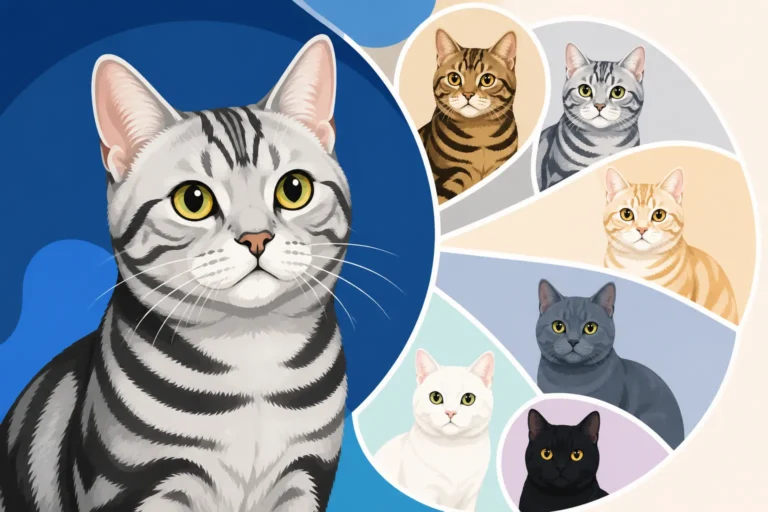
At its heart, "Domestic Shorthair" (often abbreviated as DSH) is simply a fancy way of saying your cat isn't a recognized purebred. Think of it more like a general description rather than a pedigree. It means your cat has a short coat – as opposed to a long coat, which would make it a Domestic Longhair – and its ancestry is a wonderful, unpredictable mix of many different feline lines. There's no breed standard to adhere to, no specific traits that must be passed down. It's truly a celebration of feline diversity, encompassing a vast array of colors, patterns, sizes, and temperaments that simply don't fit into the strict guidelines of a pedigreed breed. These are the cats that have evolved naturally over centuries, living alongside humans and adapting to various environments without selective breeding for specific aesthetic traits.
The Vast Gene Pool of Domestic Shorthairs
One of the most fascinating aspects of Domestic Shorthairs is their incredible genetic diversity. Unlike purebred cats, which come from a relatively small, closed gene pool, DSH cats are the result of countless generations of natural breeding. This means their ancestry is a rich tapestry woven from all sorts of cats, both pedigreed and non-pedigreed, over many years and across many regions. This broad genetic base is often cited as a reason for their generally robust health and resilience, a phenomenon sometimes referred to as "hybrid vigor." You might find a DSH with a hint of Maine Coon in its size, a flash of Siamese in its vocalizations, or the distinct tabby markings that are so prevalent in the feline population. This open gene pool ensures a wide variety of traits, making each Domestic Shorthair a truly unique individual. Their varied lineage means they bring a genetic strength that carefully bred pedigrees, with their more limited gene pools, sometimes lack.
Why So Many Cats Look Like "Domestic Shorthairs"
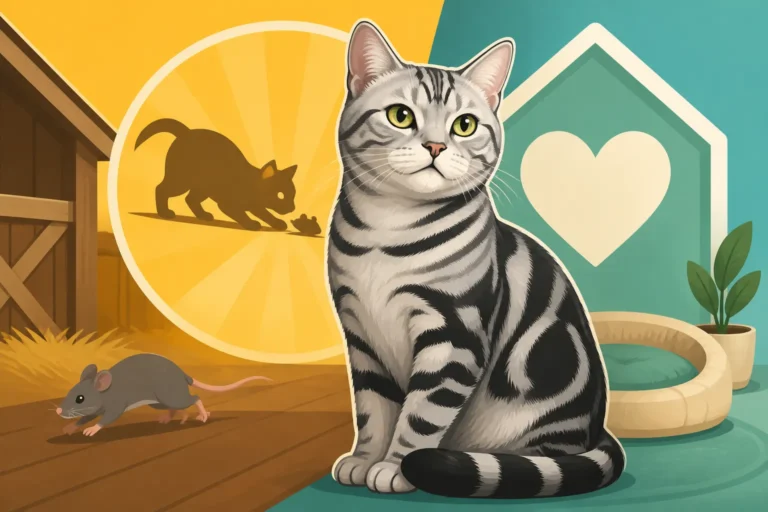
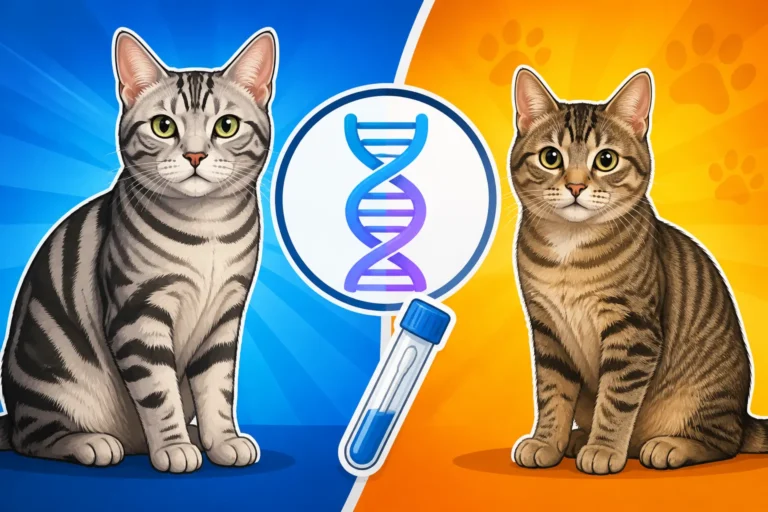
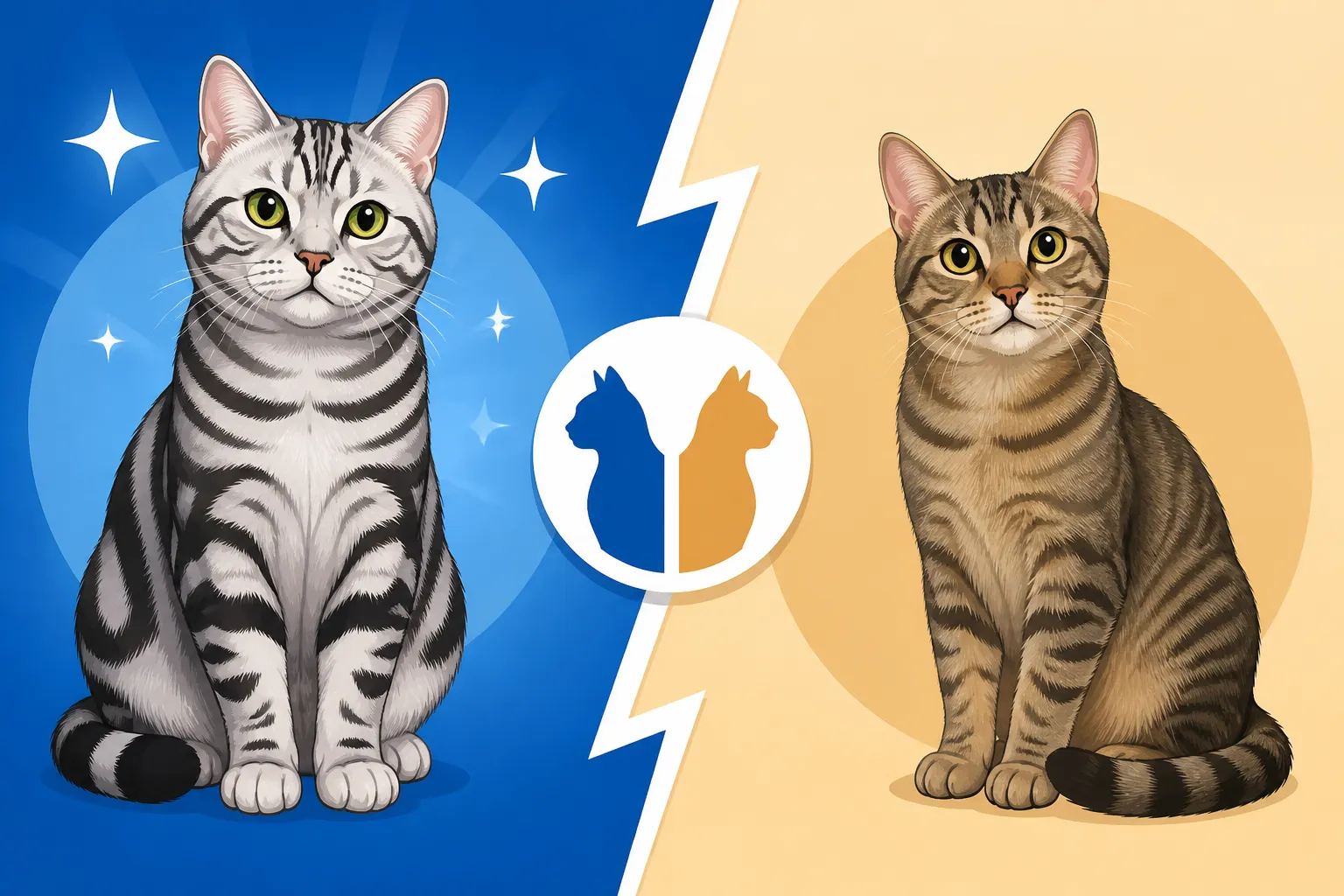
If you've ever visited a shelter or simply looked at the cats roaming your neighborhood, you've probably noticed that a significant number of them fit the "Domestic Shorthair" description. The reason for this prevalence lies in both genetics and history. Short hair is a dominant trait in cats, making it far more common than long hair. Furthermore, the tabby pattern – with its stripes, swirls, and spots – is essentially the default pattern for wild cats and is genetically dominant. So, when you combine a dominant short hair gene with a dominant tabby pattern, you get a cat that looks remarkably like many of the original "working cats" that populated farms, barns, and cities for centuries. These cats were valued for their practical skills, like mousing, rather than for specific appearances. As such, the traits that allowed them to survive and thrive in varied environments became widespread. This is why a silver tabby American Shorthair might look similar at first glance to a brown tabby Domestic Shorthair, but their backgrounds couldn't be more different.
The American Shorthair: A Recognized Breed
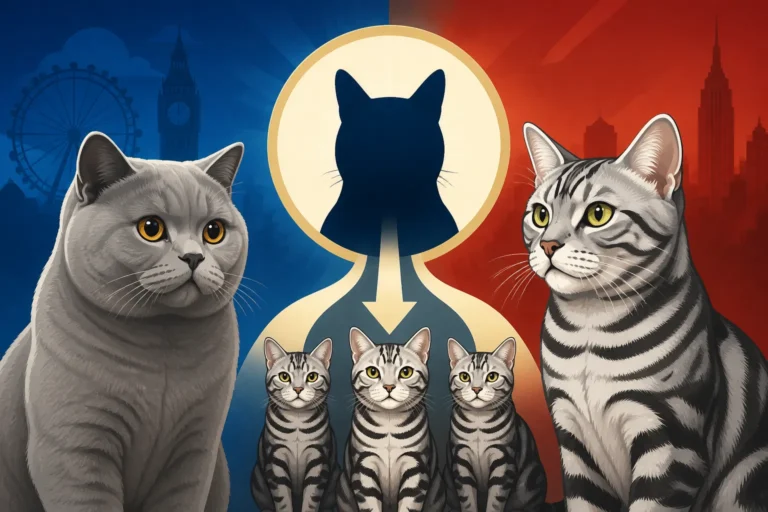
In stark contrast to the vast, undefined category of the Domestic Shorthair, the American Shorthair (ASH) is a thoroughly documented and recognized pedigree breed. It's a breed with a history, a standard, and dedicated breeders working to maintain its unique characteristics. While its ancestors were indeed those same practical, short-haired mousers, the ASH has undergone a deliberate process of selection and refinement that sets it apart.
The Journey from Barn Cat to Pedigree
The roots of the American Shorthair trace back to the working cats that arrived in North America with European settlers centuries ago. These felines weren't pets in the modern sense; they were vital members of the crew, keeping ships and homesteads free of rodents. They were rugged, adaptable, and self-sufficient – qualities that made them invaluable. As the United States developed, these cats continued their essential work on farms and in homes across the continent. It wasn't until the late 19th and early 20th centuries that cat fanciers began to appreciate their inherent beauty and solid constitution, deciding to preserve and standardize this truly American type of cat. The Mayflower Cats Behind the American Shorthair certainly played a role in this lineage. Breeders meticulously selected individuals with desirable traits, aiming to create a robust, healthy, and beautiful breed that embodied the best qualities of its working ancestors. This effort culminated in its recognition as one of the earliest pedigreed breeds in North America.
CFA and Other Registries: The Official Recognition and Breed Standards
The official designation of the American Shorthair as a purebred came through the efforts of organizations like the Cat Fanciers' Association (CFA). Indeed, the American Shorthair was one of the CFA's five founding breeds, a testament to its historical significance and widespread appeal. These registries establish and maintain the "breed standard," which is essentially a detailed blueprint outlining the ideal physical and temperamental characteristics of the breed. This standard covers everything from the shape of the head and ears to the texture of the coat and the muscularity of the body. For an American Shorthair to be considered a true pedigreed cat, its lineage must be traceable through these registries, and its appearance and temperament should align closely with the established standard. This strict adherence to a standard is what ensures consistency within the breed and guarantees that a recognized American Shorthair puppy will exhibit the traits expected of its breed.
The American Shorthair's Distinct Physical Standard
What truly defines an American Shorthair, beyond its historical background, is its specific physical standard. It's not just "any short-haired cat"; it's a cat bred for a particular look and build. The standard describes a medium-to-large cat with a powerfully built, muscular body, a broad chest, and substantial bone structure, reflecting its working heritage. Its head is large, with a full-cheeked face, a medium-length, square muzzle, and strong jaws. The eyes are large, wide-set, and can be various colors, though green or gold are common, especially in silver tabbies. The ears are medium-sized, slightly rounded, and set well apart. Crucially, the coat is short, thick, and even, with a hard texture that provides protection from the elements. This "hard" coat is a distinctive feature, setting it apart from the plush softness of some other shorthairs. These detailed criteria are what differentiate a pedigreed American Shorthair from a cat that simply resembles it.
Physical Distinctions: More Than Just a Coat
While both American Shorthairs and Domestic Shorthairs share the characteristic of having short hair, the similarities often end there when you delve into the details. The differences in their physical makeup are substantial, reflecting their distinct origins and breeding histories. It's these subtle but important details that fanciers look for, and that truly define the breed.
Coat Texture and Density
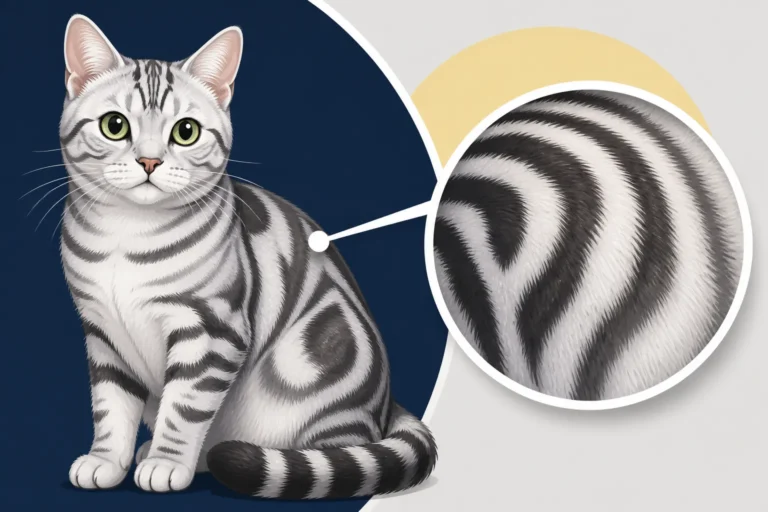
Perhaps one of the most immediate and telling differences lies in the coat. A Domestic Shorthair's coat can vary wildly in texture and density. You might encounter a DSH with a silky, fine coat, another with a somewhat coarse one, or even one with a softer, slightly thicker undercoat. There's no expectation or standard; it's simply a genetic lottery. In contrast, the American Shorthair's coat is a defining feature, and the breed standard explicitly calls for a short, thick, hard, and even coat. The American Shorthair's Coat Was Built for Weather, Not a Judge. This texture isn't soft or plush; it feels resilient and dense, almost like a protective layer designed to repel water and provide insulation. It's a practical coat, harkening back to its ancestors who braved diverse weather conditions. This uniform, robust coat is a hallmark of the ASH and a key identifier.
Body Type and Build
When you observe an American Shorthair, you're looking at a cat built for strength, agility, and endurance, a reflection of its history as a proficient hunter. They are typically medium to large cats, boasting a muscular, substantial frame with a broad chest and powerful legs. Their body is often described as "cobby" or "square-built," indicating a solid, well-proportioned physique. This isn't a delicate cat; it's robust and sturdy. What an American Shorthair Looks Like by the Standard provides precise details. A Domestic Shorthair, on the other hand, can come in virtually any shape or size. You'll see slender DSH cats, bulky ones, long-bodied, short-bodied – their body type is entirely dependent on their diverse genetic lineage. There's no specific ideal, and as a result, their builds are incredibly varied, from lithe and agile to somewhat stocky. This unpredictability in body type is a key differentiator.
Head Shape and Facial Features
Beyond the coat and body, the head and facial features offer some of the most distinct markers for identifying a purebred American Shorthair. The ASH has a large head that appears somewhat rounded, though it's slightly longer than it is wide. A crucial feature is its medium-length, square muzzle, which contributes to a strong, capable jawline. Their eyes are large, widely set, and often have a slightly almond shape, giving them an alert and intelligent expression. Eye color is typically vibrant, correlating with coat color, often brilliant gold, green, or hazel. The ears are medium-sized, moderately rounded at the tips, and set fairly far apart. For a Domestic Shorthair, the range of head shapes and facial features is as diverse as their coat patterns. Muzzles can be pointed, rounded, or somewhere in between; eyes can be round, almond, or oval; and ears can be small, large, pointed, or rounded. There's no standard template, meaning a DSH's face can be charmingly unique, but it won't conform to the specific measurements and proportions of a pedigreed ASH.
Temperament and Behavioral Traits
While individual personalities always shine through, a breed's history and genetic selection can often provide a general expectation of its temperament. This is another area where the American Shorthair and Domestic Shorthair often diverge, offering different experiences for their human companions.
Predictable Personality of the American Shorthair
One of the most appealing aspects of the American Shorthair, and a key reason people seek them out as pets, is their generally predictable and well-balanced temperament. Through generations of selective breeding, the ASH has developed a reputation for being amiable, adaptable, and wonderfully easy-going. They are known to be intelligent, moderately active, and possess a playful streak that often lasts well into adulthood. They tend to be affectionate without being overly demanding, enjoying companionship but also content to entertain themselves. They thrive in a variety of household environments and are generally good with children and other pets, provided they are properly introduced. An American Shorthair With Children, Dogs and Noise highlights their adaptability. This isn't a cat prone to extreme shyness or hyperactivity; instead, you get a calm, confident, and steady companion, a true "all-American" cat known for its gentle nature and quiet demeanor.
The Wildcard Nature of Domestic Shorthairs
The beauty of a Domestic Shorthair's personality lies in its unpredictability. Because they haven't been selectively bred for specific temperamental traits, their personalities are a delightful mixed bag, a true genetic lottery. You might adopt a DSH kitten that grows into a super cuddly lap cat, or one that prefers to be an independent observer. Some are incredibly vocal, chatting away about their day, while others are as silent as a shadow. Their activity levels can range from perpetual motion machines to contented couch potatoes. This isn't a flaw; it's simply a reflection of their diverse ancestry. When you bring a DSH into your home, you're embracing a wonderful surprise, discovering a unique personality that hasn't been shaped by a breed standard, but rather by their individual genetics and early life experiences. This can be incredibly rewarding, but it means you don't have the same level of expectation you might with a pedigreed cat.
Socialization and Adaptability Differences
Due to their diverse genetic backgrounds, Domestic Shorthairs can exhibit a wide range of responses to socialization and new environments. Some might be naturally bold and outgoing, adapting quickly to new people, places, or routines. Others, particularly those with less positive early experiences, might be more cautious, shy, or take longer to warm up. Their adaptability is often influenced heavily by their first few months of life and the exposure they receive. In contrast, the American Shorthair, bred for its agreeable nature, tends to be inherently more adaptable. They are generally less prone to anxiety or extreme reactions to changes in their environment. Their calm confidence allows them to assess new situations and typically adjust with grace. They are known for fitting seamlessly into busy family homes, often observing new guests or changes with a curious but unflustered demeanor. This innate placidity is a direct result of generations of selection for an even-keeled temperament.
Health and Lifespan Considerations
When considering any cat, health is a paramount concern. Here again, the distinction between an American Shorthair and a Domestic Shorthair becomes significant, particularly concerning predictable health patterns and potential genetic predispositions.
Known Health Tendencies in American Shorthairs
Despite being a remarkably healthy and robust breed, American Shorthairs, like all pedigreed animals, do have some known health tendencies that responsible breeders screen for. The most significant concern for the breed is Hypertrophic Cardiomyopathy (HCM), a genetic heart condition that causes the thickening of the heart muscle. HCM Is the One Inherited Disease the American Shorthair Kept is a crucial read for any potential owner. While not as prevalent as in some other breeds, it's still a concern, and reputable breeders regularly screen their cats with echocardiograms to identify affected individuals and remove them from breeding programs. Another consideration, though less common, can be hip dysplasia, given their sturdy, muscular build. Because of this breed's history and careful breeding, you often get detailed health paperwork and a clear understanding of potential risks from a reputable breeder. This level of transparency and proactive health screening is a key benefit of choosing a pedigreed cat.
The Unpredictable Health of Domestic Shorthairs
The health outlook for a Domestic Shorthair can be both a blessing and a challenge. On one hand, their vast gene pool often means they benefit from "hybrid vigor," potentially making them less susceptible to some of the specific genetic conditions that can plague certain purebred lines. They often enjoy robust health and can live long, fulfilling lives without significant issues. On the other hand, without a known lineage or health screening history, it's impossible to predict what genetic predispositions they might carry. You simply don't have the same insights into potential hereditary diseases that you would with a pedigreed cat from a reputable breeder. Any health issues that arise are typically treated as they come, without the benefit of knowing a family history of conditions. While many DSH cats are incredibly healthy, their health is more of an unknown variable compared to the carefully documented background of a pedigreed American Shorthair.
The Role of Responsible Breeding vs. Random Genetics
This difference in health predictability highlights the crucial role of responsible breeding for American Shorthairs. Reputable ASH breeders invest heavily in health testing, genetic screening, and careful selection of breeding pairs to minimize the risk of passing on hereditary diseases. They aim to produce healthy, long-lived cats that conform to the breed standard. This rigorous approach means that when you acquire an American Shorthair from a good breeder, you receive a kitten with a documented health history and a reduced risk of certain inherited conditions. For Domestic Shorthairs, health is largely a matter of random genetics. While nature often selects for resilience, there's no deliberate intervention to eliminate specific disease genes. When adopting a DSH, especially from a shelter, they will typically have been spayed/neutered, vaccinated, and given a basic health check, but detailed genetic health history is usually unavailable. It's a trade-off between the known, managed risks of a purebred and the unknown, unmanaged risks (and benefits) of a naturally occurring cat. What an American Shorthair Breeder Should Have Screened is a useful guide for understanding breeder responsibilities.
Cost and Ownership: Where the Differences Become Clear
The financial commitment associated with acquiring and caring for a cat can vary significantly depending on whether you choose a pedigreed American Shorthair or a Domestic Shorthair. It's not just about the initial purchase price, but also the potential long-term expenses related to health, care, and specific needs.
Purchase Price and Breeding Costs
The most obvious difference in cost comes at the point of acquisition. A Domestic Shorthair, often adopted from a shelter or rescue organization, typically comes with a modest adoption fee. This fee usually covers initial vaccinations, spaying or neutering, microchipping, and a basic health check, making it an incredibly cost-effective way to bring a cat into your home. In contrast, a purebred American Shorthair from a reputable breeder will have a significantly higher purchase price. This price reflects the breeder's substantial investment in health testing (like regular echocardiograms for HCM), quality food, proper care for the breeding cats and kittens, registration fees, show expenses, and the time and expertise involved in upholding the breed standard. What a Pedigree American Shorthair Costs Against a Free Tabby dives deeper into these figures. You are essentially paying for a guaranteed lineage, predictable traits, and the extensive efforts made to ensure the kitten's health and quality.
Long-Term Care Expenses
While the initial purchase price might be higher for an American Shorthair, some owners find that long-term care expenses can sometimes balance out, or even be lower, for a purebred. This isn't always the case, of course, but the key factor is predictability. Because reputable ASH breeders screen for common breed-specific issues, you often start with a cat whose genetic health profile is relatively well understood. This can potentially lead to fewer unexpected health crises related to inherited conditions down the line. However, ongoing health screenings, like annual vet check-ups and potentially heart scans, are still crucial for an ASH. For Domestic Shorthairs, their hybrid vigor can mean fewer genetic predispositions, leading to a long life with only routine veterinary care. However, without knowing their genetic background, an owner might face unexpected health issues that, while not breed-specific, can still be costly. Both types of cats require quality food, litter, toys (you can find great options on Chewy), and routine veterinary visits, but the nature of potential significant health costs can differ.
The Value Proposition: What You're "Paying For" with an American Shorthair
When you purchase a pedigreed American Shorthair, you're not just buying a cat; you're investing in a specific set of characteristics, a predictable temperament, a known lineage, and a certain level of health assurance. You're paying for the breeder's dedication to the breed, their adherence to ethical practices, and their efforts to produce healthy, well-socialized kittens that meet the breed standard. This value proposition appeals to those who desire a cat with a specific look, a particular personality, and the confidence that comes from a carefully managed breeding program. For many, the peace of mind that comes with knowing the history and potential future of their pet's health and behavior is well worth the investment. For others, the joy of rescuing a unique Domestic Shorthair, with all its delightful quirks and unknown origins, is the ultimate value, often coupled with the satisfaction of giving a needy animal a loving home.
Identifying a True American Shorthair
So, how can you tell if a cat is a genuine American Shorthair or just a Domestic Shorthair that happens to look similar? It's a common dilemma, especially since many DSH cats can bear a striking resemblance to the ASH, particularly the classic silver tabby pattern that is so iconic. The key lies in understanding the criteria that define a pedigree breed.
The Importance of Pedigree Papers
The single most definitive way to confirm that a cat is an American Shorthair is through its pedigree papers. These documents, issued by recognized cat registries like the CFA or The International Cat Association (TICA), provide a detailed lineage of the cat, tracing its ancestry back several generations. These papers prove that both parents, grandparents, and so on, were also registered American Shorthairs, bred according to the established breed standard. If a cat comes without these official papers, even if it looks exactly like an American Shorthair, it cannot be formally considered one. It would, by definition, be a Domestic Shorthair. These papers are not just fancy certificates; they are the legal and official proof of a cat's purebred status and a testament to the breeder's adherence to breed standards and ethical practices.
Visual Confirmation: Matching Against the Breed Standard
Once you have established the presence of pedigree papers, the next step in identifying a true American Shorthair is to visually confirm that the cat matches the breed's detailed physical standard. This isn't about a general resemblance; it's about checking specific features. Look for the strong, muscular, square-built body and broad chest. Examine the head for its characteristic large, roundish shape, the medium-length square muzzle, and well-set, medium-sized ears with rounded tips. The eyes should be large, wide-set, and bright, with color correlating to the coat. Pay close attention to the coat itself: it should be short, dense, and have a firm, somewhat hard texture, not soft or fluffy. While a kitten might not have fully developed these traits, an adult American Shorthair should clearly exhibit them. Any significant deviation from these specific points in the standard could indicate it's not a purebred, or at least not a show-quality one.
DNA Testing: What It Can and Cannot Tell You
In the age of genetic testing, many people wonder if a DNA test can definitively prove if a cat is an American Shorthair. While DNA tests for cats are becoming more sophisticated, they have limitations when it comes to breed identification for breeds like the ASH. A DNA test can confirm certain genetic markers or identify if a cat carries genes associated with specific purebred lines. It might tell you that your cat has a significant percentage of DNA common to American Shorthairs. However, these tests often cannot provide a 100% definitive "yes, this is an American Shorthair" for a breed that was standardized from a common domestic population. Unlike breeds with unique genetic mutations, the ASH was selectively bred from the general DSH population. Therefore, a DSH might share many genetic similarities with an ASH simply because they share common ancestors. While DNA testing is valuable for health screening Whether the American Shorthair Has a Required DNA Panel and understanding ancestry, pedigree papers remain the gold standard for breed verification for the American Shorthair.
Why the Distinction Matters to Owners and Enthusiasts
Understanding the difference between an American Shorthair and a Domestic Shorthair isn't just about semantics; it has real implications for breeders, potential owners, and even for how we appreciate our feline companions. It shapes expectations, informs care, and highlights the varied paths cats take in our lives.
For Breeders and Show Enthusiasts: Maintaining Breed Integrity
For dedicated American Shorthair breeders and those involved in the cat show circuit, the distinction is paramount. Their work revolves around maintaining the integrity of the breed, ensuring that each generation consistently meets the established physical and temperamental standards. This means careful selection of breeding pairs, extensive health screening, and meticulous record-keeping through registries. Without a clear distinction between pedigreed American Shorthairs and general Domestic Shorthairs, the very concept of a breed would dissolve. The tireless efforts of generations of breeders to develop and preserve the ASH's unique qualities would be undermined. For them, it's about heritage, genetics, and upholding the high standards of a recognized purebred animal.
For Potential Pet Owners: Managing Expectations About Health, Temperament, and Appearance
For someone looking to bring a cat into their home, understanding this difference helps manage expectations. If you choose a pedigreed American Shorthair, you can reasonably expect a cat that aligns with the breed's known temperament – typically calm, adaptable, and affectionate – and a specific physical appearance. You also gain insight into potential breed-specific health considerations that a responsible breeder will have screened for, or at least be transparent about. This predictability is a significant draw for many. If you adopt a Domestic Shorthair, you are embracing a wonderfully unique individual whose personality and exact appearance will unfold over time. While DSH cats often make fantastic pets, their traits are less predictable, offering a delightful element of surprise. Knowing this distinction allows prospective owners to make an informed choice that best suits their lifestyle and preferences.
Appreciating Both for Their Unique Qualities
Ultimately, both American Shorthairs and Domestic Shorthairs deserve our love and appreciation, albeit for different reasons. The American Shorthair stands as a testament to the beauty of selective breeding – taking a common, capable cat and refining its best qualities into a consistent, beloved breed. It's a living piece of American history, recognized for its solid constitution and charming personality. Domestic Shorthairs, on the other hand, are a celebration of natural selection and genetic diversity. They are the everycat, the resilient, charming, and endlessly varied companions who fill shelters and bring joy to countless homes. Each DSH is a unique genetic masterpiece, a living testament to the wild origins and adaptability of the feline species. Whether you choose the predictable charm of an American Shorthair or the delightful mystery of a Domestic Shorthair, both offer incredible companionship and enrich our lives in profound ways.
American Shorthair vs. Domestic Shorthair: A Quick Comparison
To help crystallize these differences, here's a brief comparison table highlighting the key distinctions we've discussed.
| Feature | American Shorthair | Domestic Shorthair |
|---|---|---|
| Status | Recognized purebred cat breed | General classification, not a breed |
| Origin | Descended from European working cats, selectively bred and standardized in North America. | Randomly bred cats with mixed ancestry. |
| Documentation | Comes with pedigree papers from registries (e.g., CFA, TICA). | No formal pedigree papers. |
| Physical Traits | Adheres to a strict breed standard: muscular, square-built body; large head with square muzzle; hard, dense coat. | Highly varied: wide range of body types, head shapes, coat textures. |
| Coat Texture | Short, thick, hard, and even. | Short, but texture can be fine, silky, coarse, or anything in between. |
| Temperament | Generally predictable: calm, adaptable, affectionate, intelligent, moderately active. | Highly varied: personality depends on individual genetics and early experiences. Can be shy, outgoing, vocal, quiet, etc. |
| Health | Known breed-specific health tendencies (e.g., HCM), screened for by responsible breeders. | Unpredictable, benefits from hybrid vigor but no genetic health history. |
| Cost | Higher purchase price from a breeder, reflecting breeding costs and health screening. | Modest adoption fee from shelters/rescues, covers initial vet care. |
The American Shorthair's Ancestral Traits Still Shine Through
It's fascinating to consider how much of the American Shorthair's core identity is still tied to its original, unpedigreed ancestors. While breeders have refined and standardized its appearance and temperament, the underlying traits that made those early domestic shorthairs so successful still define the breed today. Their sturdy build, robust health, and calm disposition are not newly created characteristics; they are enhanced and preserved qualities from generations of natural selection. This connection to its working-class roots is what makes the American Shorthair so unique among purebreds.
Why Function Left the American Shorthair Fewer Faults
The very reason the American Shorthair is celebrated for its health and balanced characteristics is that its development was guided by function, not just extreme aesthetics. Unlike some breeds where specific visual traits have been prioritized even at the expense of health or functionality, the ASH was bred to be a capable, healthy animal. Early breeders focused on preserving the robust qualities of the best working cats: strong bones, good muscle, a protective coat, and a keen, intelligent mind. Why Function Left the American Shorthair Fewer Faults explains how this approach naturally selected against exaggerations that could lead to health problems. This emphasis on practicality meant that traits detrimental to a cat's overall well-being were generally avoided, leading to a breed with fewer inherent structural or health faults compared to those bred for more extreme or delicate features. This pragmatic approach is a cornerstone of the American Shorthair's enduring appeal and health.
The Role of Its Working Heritage in Modern Behavior
Even though most American Shorthairs today are beloved house pets and don't actively hunt mice for survival, their working heritage profoundly influences their behavior. This isn't a cat bred to be a fragile lap ornament; it's a cat designed for purpose. Their natural curiosity, quiet intelligence, and independent streak all harken back to a time when they needed to be self-sufficient and capable. They might not be hunting in a barn, but they still enjoy interactive play that simulates the hunt, and they are often highly observant of their surroundings. You'll find them patrolling their "territory" (your home), perhaps "hunting" dust bunnies or stalking toys. This ingrained drive means they thrive with enrichment that engages their natural instincts, even if it's just a feather wand from Chewy. Their calm demeanor also stems from needing to be unperturbed by the hustle and bustle of a working farm or busy ship. This deep-seated connection to their origins means that understanding their past helps us better appreciate and cater to their needs today.
Caring for Both: Shared Needs, Different Expectations
Regardless of whether your feline friend is a pedigreed American Shorthair or a wonderful Domestic Shorthair, all cats require a certain level of care and attention. However, recognizing their distinct backgrounds can help tailor that care, particularly when it comes to diet, exercise, and veterinary considerations.
Nutritional Needs for a Muscular Build
For both types of cats, a high-quality, balanced diet is fundamental. However, the American Shorthair, with its muscular and robust build, often benefits from food formulated to support strong muscle mass and maintain a healthy weight. Their historical appetite, developed during times when they had to hunt for every meal, means they can be prone to overeating if not portion-controlled. Feeding an American Shorthair That No Longer Hunts Its Food emphasizes the importance of mindful feeding. Many DSH cats also have strong appetites, but their varied body types mean their specific caloric needs can differ significantly from one individual to another. For any cat, especially an ASH, investing in quality food from reputable brands available on platforms like Chewy is essential. Consulting with your veterinarian to determine the appropriate calorie intake and food type for your cat's age, activity level, and body condition is always the best approach, whether they're a pedigreed star or a beloved mixed breed.
Enrichment for Mind and Body
Both American Shorthairs and Domestic Shorthairs benefit immensely from environmental enrichment that stimulates their minds and bodies. While the ASH retains a strong hunting instinct, making interactive toys and puzzle feeders particularly engaging, many DSH cats also possess a keen predatory drive. Providing opportunities for climbing, scratching, and "hunting" with wand toys or laser pointers (ensuring they get a "catch" at the end of laser play to prevent frustration) is crucial for their well-being. Even a simple cardboard box from your latest Chewy order can become an exciting fortress or hiding spot. For the American Shorthair, this stimulation helps channel their innate energy and prevents boredom, reflecting What an Indoor American Shorthair Does With a Mouser's Instinct. For Domestic Shorthairs, it supports their natural behaviors and helps prevent potential behavioral issues stemming from lack of stimulation. A well-enriched environment fosters a happier, healthier cat, regardless of its pedigree.
Veterinary Care: Proactive vs. Responsive
The approach to veterinary care can also be influenced by whether you have an American Shorthair or a Domestic Shorthair. With an ASH, regular health screenings for conditions like HCM are a proactive measure, part of responsible ownership to catch potential issues early. This includes annual check-ups, and potentially specialized cardiac scans as advised by your vet, especially if you have a breeding animal. Why an American Shorthair Still Needs a Yearly Heart Scan explains this in detail. For Domestic Shorthairs, while routine vaccinations, parasite control, and annual wellness exams are equally important, the focus is often more responsive, addressing health concerns as they arise, since there's no specific genetic predispositions to proactively screen for in the same way. Both types of cats need dedicated veterinary care throughout their lives, but the specific protocols and vigilance around certain conditions might vary based on their genetic background.
The Enduring Legacy: American Shorthairs and Domestic Shorthairs in Our Lives
Whether through careful breeding programs or the serendipitous paths of natural selection, both American Shorthairs and Domestic Shorthairs hold special places in our homes and hearts. Their stories, though different, contribute to the rich tapestry of feline companionship.
Celebrating Diversity and Uniqueness
The existence of both pedigreed American Shorthairs and the vast category of Domestic Shorthairs reminds us of the incredible diversity within the feline world. The ASH is a testament to human dedication to preserving specific traits and creating a consistent, predictable companion. Its consistent temperament and robust health, coupled with its classic good looks, make it a steadfast favorite. The DSH, by contrast, is a symbol of natural beauty and resilience, with each cat being a truly unique individual, a delightful blend of unknown ancestors. There's immense joy to be found in both, whether it's the comforting predictability of a well-established breed or the exciting discovery of an unwritten genetic story. Recognizing these distinctions only deepens our appreciation for the individual qualities that each cat brings into our lives.
Choosing Your Companion
The decision of whether to bring home an American Shorthair or a Domestic Shorthair often comes down to personal preference, lifestyle, and what you seek in a feline companion. If predictability in appearance, temperament, and a documented lineage are high priorities, and you're prepared for the financial investment and specific health considerations of a pedigreed animal, an American Shorthair from a reputable breeder might be your ideal match. If you relish the unexpected, are open to a cat whose traits will unfold over time, and are looking to give a loving home to an animal in need, then a Domestic Shorthair from a shelter or rescue organization will be a perfect fit. Either way, you'll be welcoming a cherished member into your family, ready to offer years of companionship, comfort, and joy.
Disclaimer
This article is for general informational purposes only and does not constitute professional advice. Laws, prices and regulations vary by location and change over time. Consult a qualified professional for guidance on your specific situation.