Why the American Shorthair Was Called Domestic Shorthair Until 1966
One common source of head-scratching for new cat enthusiasts and seasoned owners alike is the distinction between an "American Shorthair" and a "Domestic Shorthair." For many years, these terms were used almost interchangeably, leading to widespread confusion that obscured the unique history and careful breeding efforts behind one of America's most beloved feline pedigrees. This guide will unravel the historical threads that led to the American Shorthair being simply known as the Domestic Shorthair for so long, and explore the pivotal reasons behind its eventual, much-needed re-christening in 1966.
The Humble Origins of America's Working Cat
Before the glamour of cat shows and official pedigrees, the cats that would eventually become the American Shorthair were practical, no-nonsense creatures. They weren't bred for fancy coats or specific eye colors; they were bred by necessity, forged by the very landscape and demands of a new continent. Their history is deeply intertwined with the story of America itself, a testament to resilience and utility.
More Than Just a "Barn Cat"
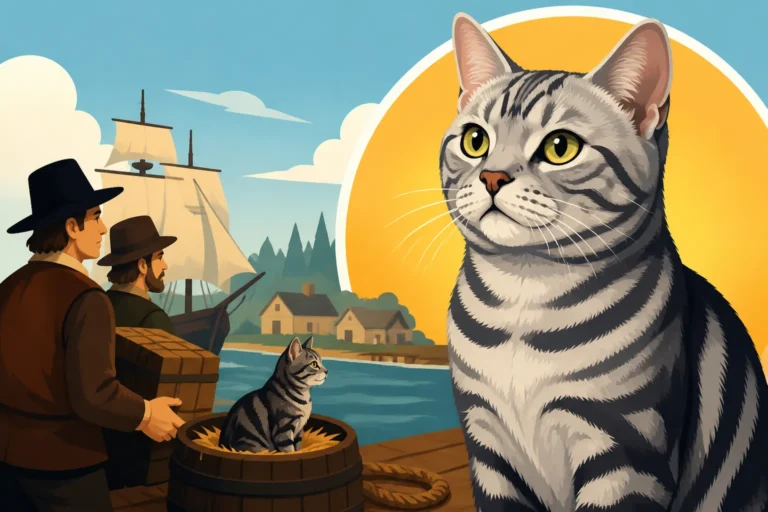
When European settlers first arrived in North America, they didn't come alone. Alongside them on cramped ships were cats – not pampered pets, but working animals essential for pest control. These felines were the original immigrants, tasked with protecting precious food stores and cargo from rodents during arduous ocean voyages. Imagine the early voyages, long months at sea where a single rat infestation could spell disaster for provisions. These cats were crucial crew members, earning their keep in the most fundamental way. They were tough, resourceful, and highly independent, characteristics that would define their descendants for centuries.
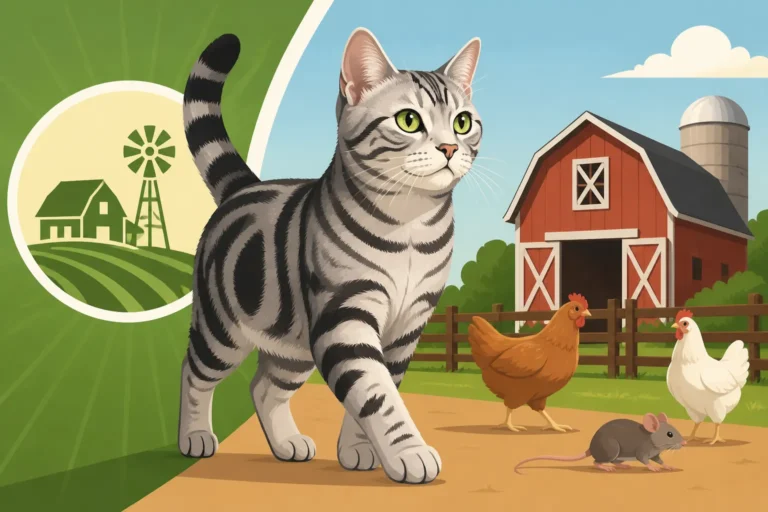
Once on shore, these "ship's cats" quickly adapted to their new environment. They spread throughout the burgeoning colonies, finding homes in barns, farmhouses, and burgeoning towns. Their primary role remained unchanged: pest control. They hunted rats, mice, and other vermin, protecting crops, granaries, and homes from destruction. This wasn't a casual pastime; it was a matter of survival, directly impacting the success and well-being of the early American populace. These were not luxury items; they were vital tools in the relentless struggle to carve out a living in a challenging land. They were genuinely Ships Carried the American Shorthair's Ancestors as Ratters, forming the backbone of pest management for new settlements. It's truly fascinating to consider The Mayflower Cats Behind the American Shorthair and realize how integral these animals were from the very beginning of colonial life.
A Natural Selection, Not Deliberate Breeding
Unlike many modern purebred cats, the foundational stock of the American Shorthair wasn't developed through selective breeding programs by humans with specific aesthetic goals in mind. Instead, these cats were products of natural selection and environmental pressures. The strongest, healthiest, and most efficient hunters were the ones that survived and reproduced, passing on their desirable traits. This meant developing a robust constitution, a keen hunting instinct, and a coat that could withstand varying North American climates. They were, in essence, landrace cats, evolving alongside humans but largely without direct human intervention in their genetic makeup.
This process led to a sturdy, muscular build, excellent health, and an adaptable temperament. They weren't delicate; they were built for hard work and self-sufficiency. Their bodies were compact and powerful, designed for quick bursts of speed and agility to catch prey. Their short, dense coats provided protection against the elements, shedding seasonally to adapt to temperature changes. This natural evolutionary path is precisely How Farm Work Shaped the American Shorthair, making them the quintessential American working cat. They didn't need to be coddled; they needed to be effective, and that's exactly what they became. This rugged lineage gave them an innate resilience that still characterizes the breed today, setting them apart from many breeds developed purely for appearance.
The Emergence of Cat Fancies and Early Exhibitions
As the United States grew and prospered, society began to shift. With more leisure time and disposable income, people started to appreciate animals not just for their utility, but also for their companionship and beauty. This cultural evolution paved the way for the establishment of organized cat fancier clubs and competitive cat shows, mirroring the canine fancy that was already well-established.
Formal Recognition Begins
In the late 19th and early 20th centuries, cat enthusiasts in America, inspired by similar movements in Europe, began to organize. They wanted to celebrate the beauty and unique qualities of various feline types. This led to the first formal cat shows, where different breeds, or what were then considered "types," could be exhibited and judged. It was at this juncture that the common, everyday American working cat, with its distinctive tabby patterns and sturdy build, started to gain recognition beyond its utilitarian role. People began to notice their inherent attractiveness and the consistency of their physical traits.
These early shows marked a significant turning point. While many exotic or imported breeds initially captured the spotlight, the native American working cat eventually made its way onto the show bench. It was a proud moment for those who appreciated these home-grown felines, seeing them stand alongside their more "glamorous" counterparts. This nascent recognition was the very beginning of the journey from barn cat to pedigreed champion, a process that slowly but surely elevated their status. When Breeders Started Showing the American Shorthair was a pivotal moment, offering a platform to showcase these cats for their inherent beauty and characteristics, not just their mousing abilities.
The Challenge of Naming a "Common" Cat
However, a significant challenge arose almost immediately: what to call this beloved, yet ubiquitous, feline? Unlike breeds imported from specific regions with established names (like the Persian or the Siamese), these cats were simply everywhere. They were found in every town, on every farm, and in countless homes. They were, quite literally, "domestic shorthaired cats." Giving a specific, distinguishing name to a cat that was, by its very nature, the common cat of the continent proved difficult. The term "Domestic Shorthair" became the catch-all, a descriptive label rather than a proper breed name.
This generic classification, while accurate in a broad sense, created an identity crisis for the dedicated breeders who recognized the unique qualities and consistent type within this group of cats. They saw a specific set of characteristics—the strong jaw, the broad chest, the even temperament, the classic tabby markings—that set their carefully selected felines apart from just any cat with a short coat. Yet, the official nomenclature didn't reflect this distinction. It was a bit like trying to call a purebred Labrador Retriever simply a "domestic dog" at a kennel club event; while true, it missed the point of the dedicated breeding.
The CFA and the "Domestic Shorthair" Era
The establishment of major cat registries like the Cat Fanciers' Association (CFA) brought a new level of organization and standardization to the world of cat breeding. However, for the American Shorthair, this early era was marked by the pervasive, albeit temporary, "Domestic Shorthair" label.
Founding Breeds and Generic Labels
When the Cat Fanciers' Association was established, it sought to bring order to the burgeoning cat fancy by recognizing and registering distinct breeds. The ancestors of what we now know as the American Shorthair were indeed among the very first breeds to be recognized by the CFA. This speaks volumes about their established presence and the appreciation many already had for their qualities. They were considered fundamental to the American feline landscape, a natural fit for one of the pioneering registries.
However, despite this early recognition, they were listed under the broad, descriptive, and rather generic name, "Domestic Shorthair." This classification highlighted their commonality and their short coat but did little to differentiate the carefully selected and bred individuals from the countless random-bred cats found in every alley and household. It simply grouped them by their most obvious physical traits. It's fascinating to look back and consider Which Year the CFA Recognized the American Shorthair and realize that even from its inception, this breed was considered important enough to be among the initial recognized groups. They were truly foundational, alongside Which Five Breeds Founded the CFA With the American Shorthair, establishing the very framework of pedigree cat recognition in America.
Why "Domestic Shorthair" Made Sense at the Time
At the time, the term "Domestic Shorthair" was widely understood and, in a practical sense, made a certain kind of sense. Most people didn't distinguish between a carefully bred cat and a general housecat if both had short hair. The focus of the early cat fancy was often on establishing breeds with exotic or highly distinctive features. For a cat that looked like the one down the street, a generic label seemed sufficient to many. It accurately described their coat length and their status as house-dwelling companions, as opposed to wild felines.
Furthermore, the genetic diversity of these cats was (and largely still is) quite broad. They hadn't undergone generations of intensive selective breeding that often narrows a gene pool and exaggerates certain traits. Their appearance was consistent due to natural selection for survival and function, rather than human-imposed standards. So, from a purely descriptive standpoint, "Domestic Shorthair" seemed to fit the bill for cats that were simply part of the fabric of American life. They were considered the standard, the baseline against which other, more "specialized" breeds were measured. You wouldn't think twice about seeing a sturdy, short-coated cat at a local farm store or even on a prominent pet supply site like Chewy, a perfect example of how ingrained their appearance is in our culture.
The Growing Confusion and Misconception
As the cat fancy matured and public awareness of pedigree breeds grew, the generic "Domestic Shorthair" label began to cause increasing problems. It wasn't just a matter of semantics; it deeply affected the perception, value, and future of the carefully cultivated pedigreed cats. The lack of a distinct name became a source of frustration for breeders and confusion for the public.
Diluting the Pedigree's Value
One of the most significant issues stemming from the "Domestic Shorthair" label was the dilution of the pedigreed cat's value and recognition. Imagine spending years carefully selecting breeding pairs, focusing on health, temperament, and adherence to a developing breed standard, only for your progeny to be categorized alongside any random-bred cat picked up from a shelter. This diminished the perceived effort and investment made by dedicated breeders. It made it incredibly difficult for the general public to understand why they should pay a premium for a pedigreed "Domestic Shorthair" when an identical-looking cat could be adopted for free.
This wasn't just about financial value; it was about the recognition of a legitimate breed. Breeders painstakingly worked to preserve the robust health, predictable temperament, and specific physical traits that had evolved over centuries of natural selection in North America. They wanted their cats to be seen as a distinct and valuable part of the cat world, not merely as an undifferentiated mass of common felines. The generic name undermined their efforts to highlight the unique merits and consistent qualities that a proper breed designation would convey. Without a clear distinction, the breed struggled to gain the respect and specialized attention it deserved from potential owners and fellow fanciers alike.
The Battle for Identity in the Show Ring
The show ring, designed to celebrate and promote specific breeds, became a particularly challenging arena for the "Domestic Shorthair." Breeders would present their meticulously-cared-for cats, embodying the ideal physical and temperamental traits of the breed, only to face comments comparing them to "just a housecat." Judges and spectators alike often struggled to grasp the difference between a pedigreed "Domestic Shorthair" and a random-bred cat. This constant battle for identity was disheartening for those who had poured their passion and resources into developing and preserving the breed.
The very essence of a pedigree breed is its predictability—the assurance that kittens will inherit specific physical characteristics, health predispositions, and temperamental traits. This predictability is what distinguishes a breed from a random-bred cat. When the name itself failed to communicate this distinction, it hampered the breed's ability to truly shine. Breeders wanted a name that immediately conveyed a sense of heritage, a standard, and a unique identity, allowing their cats to be judged on their merits as a breed, not just as an attractive individual cat. The existing name did not do justice to the decades of selective breeding and dedication.
The Push for a Distinctive Name
The mounting frustration among breeders and fanciers of the pedigreed "Domestic Shorthair" eventually reached a boiling point. It became clear that for the breed to thrive and gain the recognition it deserved, a fundamental change was needed: a new name that truly set it apart.
The Vision of Dedicated Breeders
The driving force behind the name change came from a committed group of breeders who had a clear vision for their cats. They saw beyond the generic label and recognized the unique heritage and distinct characteristics that had been carefully cultivated. These individuals understood that their cats were more than just "domestic shorthairs"; they represented a lineage of resilient, adaptable, and naturally healthy felines that had played a crucial role in American history. They observed consistent traits that were reproducible through careful breeding – traits like the strong, muscular body, the round face, the specific range of coat patterns and colors, and the calm, adaptable temperament.
They passionately argued that a descriptive name, rather than a breed name, was holding them back. They wanted a name that would elevate their cats to the same status as other recognized pedigrees, a name that would convey their unique identity and heritage. This wasn't about exclusivity; it was about accuracy and respect for the diligent efforts put into establishing and maintaining the breed's standards. Their advocacy involved countless discussions, proposals, and lobbying efforts within the various cat registries, highlighting the inconsistencies and disadvantages of the current naming convention.
A Name to Honor American Heritage
The decision to choose "American Shorthair" was a deliberate and fitting tribute to the breed's origins and enduring legacy. The "American" prefix immediately anchored the breed to its geographical and historical roots, clearly distinguishing it from its European counterparts, like the British Shorthair, and crucially, from random-bred cats found across the continent. It celebrated the fact that these cats were, quite literally, "America's own." They were not imported exotics but products of the American experience, having evolved alongside the nation itself.
The "Shorthair" part of the name continued to accurately describe their defining coat characteristic, maintaining a link to their historical description while shedding the generic "domestic" modifier. This combination created a name that was both precise and evocative, reflecting the breed's hardiness, adaptability, and fundamental place in the fabric of American life. It was a declaration of identity, a way to reclaim the breed from ambiguity and bestow upon it the recognition it had long deserved. This new name would finally allow the breed to stand tall, confident in its own unique story and characteristics, a story that resonates with pet parents today, whether they're buying specialty food or toys from a retailer like Chewy.
The Pivotal Year: 1966 and Beyond
The year 1966 stands as a landmark in the history of the American Shorthair. It was the year that the tireless efforts of dedicated breeders finally culminated in an official name change, forever altering the breed's trajectory and securing its distinct identity.
The Official Name Change
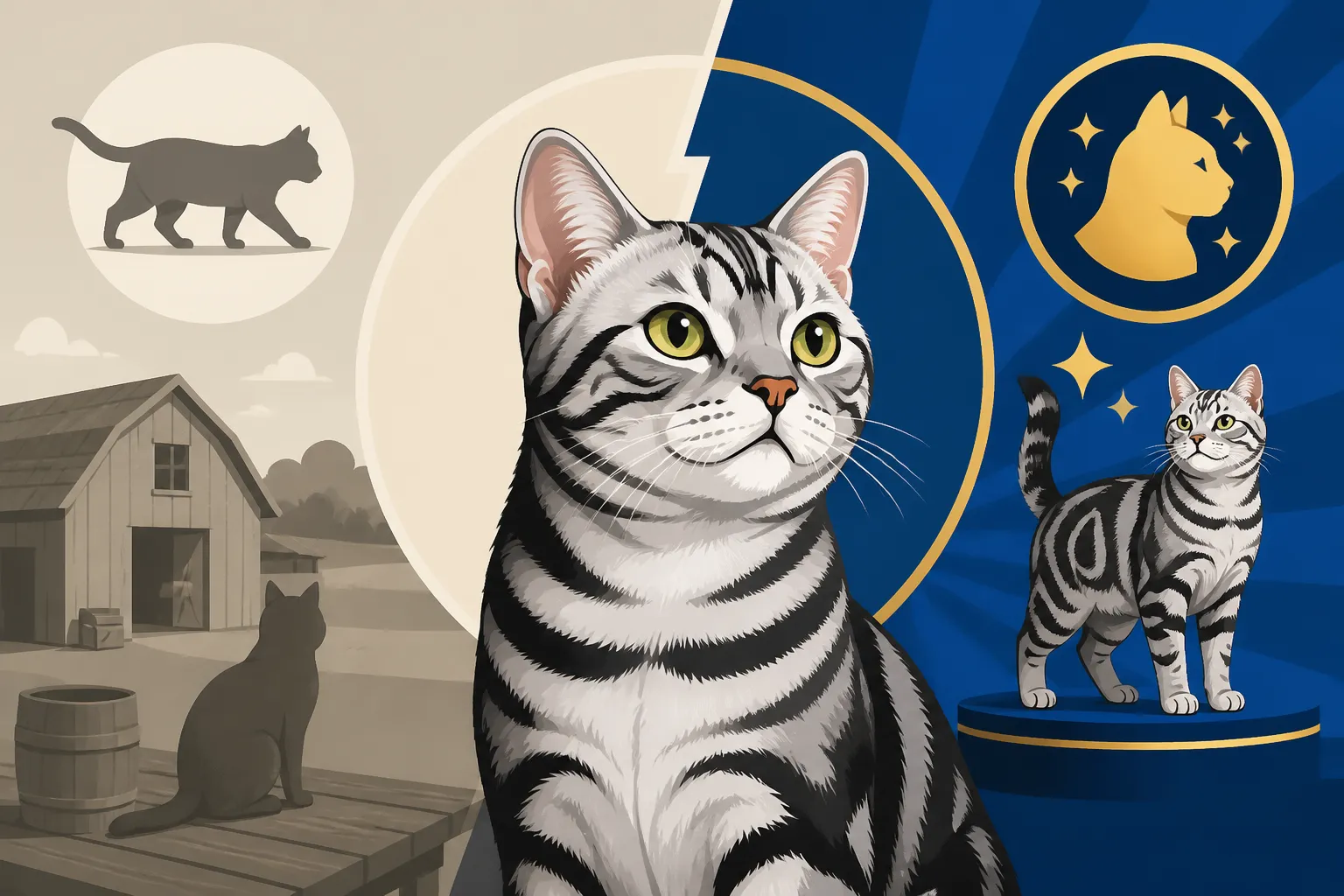
In 1966, after years of persistent advocacy and mounting evidence of the confusion caused by the old moniker, the Cat Fanciers' Association (CFA) officially changed the breed's name from "Domestic Shorthair" to "American Shorthair." This was not merely a cosmetic change; it was a profound declaration of identity, firmly establishing the breed as a distinct and unique entity within the cat fancy world. This decision was a testament to the vision and perseverance of the breeders who believed wholeheartedly in the special qualities of these cats and understood the importance of a proper name.
The re-christening was a monumental step, signifying that these cats were no longer to be considered interchangeable with random-bred short-haired cats. They now had a name that reflected their specific pedigree, their carefully managed lineage, and their unique place in feline history. It was a clear signal to both the cat fancy community and the general public that the American Shorthair was a breed with its own standard, its own history, and its own dedicated group of fanciers committed to its preservation and promotion. This was the moment The Rename That Separated the American Shorthair From the Alley Cat became official, drawing a clear line in the sand.
Impact on Recognition and Popularity
The impact of the name change was immediate and far-reaching. With its new, distinctive name, the American Shorthair began to gain greater recognition and respect within the cat fancy. Breeders could now proudly present their cats without constantly having to explain the difference between a pedigreed "Domestic Shorthair" and a common housecat. This clarity led to increased interest from potential owners, who could now more easily understand what they were acquiring: a cat with a predictable appearance, temperament, and health profile, backed by a registered pedigree.
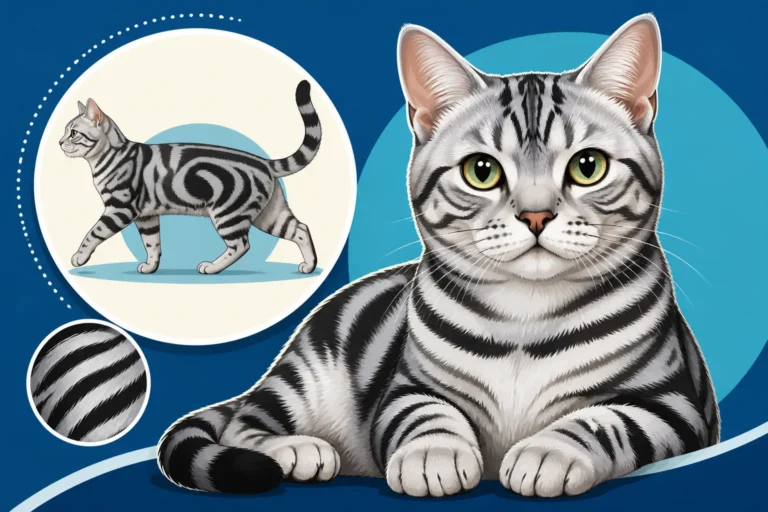
The breed's popularity soared, particularly the iconic silver tabby pattern, which became a recognizable symbol of the American Shorthair. This striking pattern, often seen in advertisements and media, further cemented the breed's new, elevated status. Suddenly, the American Shorthair was no longer just the background cat; it was a star in its own right, celebrated for its unique American heritage and classic charm. It's no wonder Why the Silver Tabby Sells the American Shorthair, becoming almost synonymous with the breed. The new name provided the necessary framework for its widespread acceptance and admiration.
Still a Point of Confusion Today
Even decades after the official name change, a degree of confusion still persists for many people. It's not uncommon to hear someone refer to any short-haired tabby cat as an "American Shorthair," or to wonder if their beloved rescue cat is secretly a pedigreed one. This is understandable, given the breed's origins and its resemblance to many common housecats. After all, the American Shorthair was developed from the general population of North American working cats.
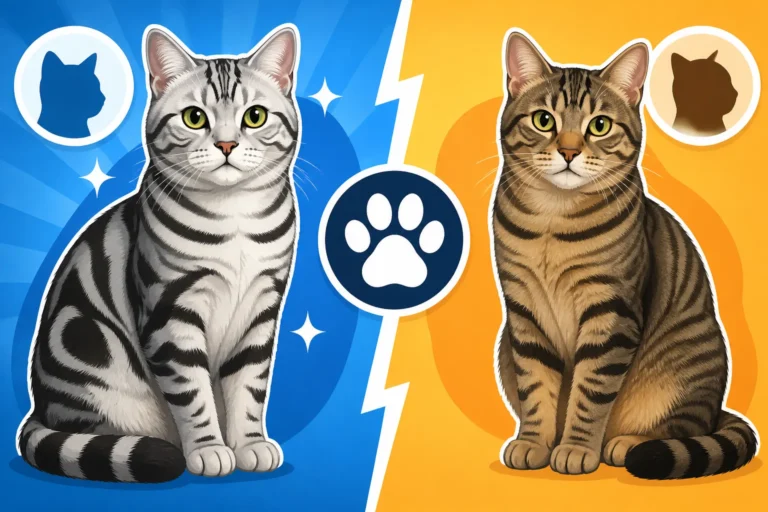
However, the key differentiator lies in the pedigree. A true American Shorthair comes from a lineage of registered parents, bred according to specific standards established by organizations like the CFA. They will have documented ancestry and typically come with paperwork from a reputable breeder. A "Domestic Shorthair," on the other hand, is a general term for any cat of mixed or unknown breed heritage with a short coat. While both can be wonderful companions, only one is a recognized breed. If you're wondering How to Tell a Pedigree American Shorthair From a Domestic Shorthair, the official registration papers are often the simplest clue. When shopping for cat supplies, whether it's specialized food or engaging toys, you might find specific suggestions for American Shorthairs on sites like Chewy, acknowledging their distinct needs and characteristics.
Here's a quick comparison to help clarify the differences:
| Feature | American Shorthair (Pedigreed) | Domestic Shorthair (Non-Pedigreed) |
|---|---|---|
| Origin | Descended from European working cats brought to North America; selectively bred since late 19th century. | Mixed ancestry, often unknown; common cats found in homes and shelters worldwide. |
| Breed Status | Recognized purebred by cat registries (e.g., CFA, TICA). | Not a breed; a generic classification based on coat length. |
| Predictability | Predictable appearance, temperament, and health traits due to selective breeding. | Appearance, temperament, and health can vary widely. |
| Documentation | Comes with pedigree papers, breeder history, and possibly health clearances. | Typically no formal papers or documented lineage. |
| Physical Traits | Conforms to a specific breed standard (e.g., strong jaw, broad chest, distinct patterns). | Varied physical traits; can resemble many breeds. |
| Cost | Generally higher purchase price from a reputable breeder. | Often adopted for a minimal fee or free from shelters. |
The American Shorthair's Enduring Legacy
The story of the American Shorthair is a remarkable journey from humble origins to recognized pedigree. The name change in 1966 was more than just a formality; it was a crucial step in cementing its legacy and ensuring its continued preservation as a distinct and cherished breed.
A Standard of Health and Temperament
One of the most remarkable aspects of the American Shorthair's legacy is its reputation for robust health and an exceptionally stable temperament. Because its ancestors were selected by nature for survival and utility, the breed largely escaped the extreme physical exaggerations that can sometimes plague other pedigrees. This natural selection gifted them with a hardy constitution, a strong immune system, and generally fewer inherited health issues compared to many other breeds. They are, in many ways, the baseline against which other breeds are measured for health and soundness, truly making them The American Shorthair Is the Control Group of Cat Breeding.
Their temperament is equally celebrated. Known for being calm, adaptable, and affectionate without being overly demanding, American Shorthairs make excellent family pets. They are typically good with children and other animals, displaying a patient and tolerant nature. This well-rounded disposition, combined with their sturdy health, has ensured their enduring popularity as companions for a wide range of households. They retain a playful, curious nature but are equally content to observe the household from a comfortable perch or share a quiet moment on the sofa. Their balanced nature is a direct result of their functional origins, where extreme behaviors were not conducive to survival.
What the Name Means for the Breed's Future
The official designation of "American Shorthair" has had a profound and lasting impact on the breed's future. It provided the clarity and recognition needed to attract dedicated breeders who could then work within a defined standard to preserve and promote its unique qualities. This formal framework ensures that future generations of American Shorthairs continue to embody the traits that make them so beloved: their sturdy build, excellent health, calm demeanor, and classic American charm. Without this distinction, the breed might have simply faded into obscurity, its unique characteristics lost within the vast pool of common domestic cats.
Today, the American Shorthair stands as a proud representative of American feline history, a living testament to resilience, adaptability, and natural beauty. The name change was not just about a label; it was about honoring a heritage, safeguarding a type, and giving a deserving breed the distinct identity it earned through centuries of loyal service and companionship. When you see an American Shorthair today, whether they're playfully chasing a feather toy from Chewy or quietly observing the world from a sunbeam, you're looking at a carefully preserved piece of Americana, a feline friend whose name finally matches its undeniable character. Their story reminds us that sometimes, the most extraordinary qualities are found in the most unassuming places, waiting for the right name to bring them into the spotlight.
Disclaimer
This article is for general informational purposes only and does not constitute professional advice. Laws, prices and regulations vary by location and change over time. Consult a qualified professional for guidance on your specific situation.