Whether the American Shorthair Still Works on Farms
A cat patrolling a barn can look like the old-fashioned farm mouser people imagine, but a breed name alone does not make a cat a reliable worker. This guide explains what the American Shorthair’s farm history really means today, what the breed may still contribute around a rural home, and how to meet its needs safely without treating it as pest-control equipment.
The American Shorthair’s farm history
From working cat to recognized breed
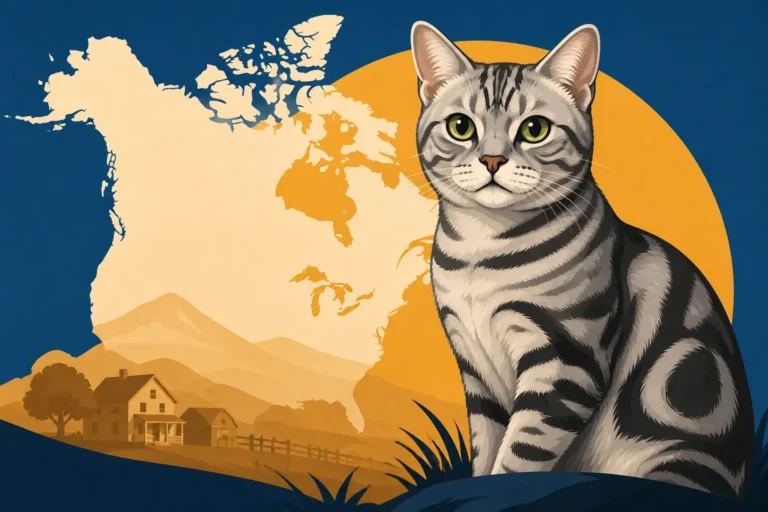
The American Shorthair’s story is closely tied to practical work. Cats brought to North America by European settlers helped control rodents around ships, farms, barns, and homes. Over generations, cats that were sturdy and capable hunters became part of everyday rural life. The breed’s ancestry reflects that useful role, though it is difficult to connect any present-day cat to a particular working cat from the past. For more background, see Ships Carried the American Shorthair's Ancestors as Ratters.
The modern American Shorthair, however, is a pedigreed breed developed and maintained to a standard. That is not quite the same thing as a farm cat population selected only for catching rodents. Breed history explains why hunting ability is associated with the American Shorthair, but it does not guarantee that every individual will pursue mice, tolerate barn conditions, or thrive outdoors.
The distinction matters if you are choosing a cat for a farm. A cat’s ancestry may offer clues about its build and behavior, but its early socialization, health, confidence, and individual temperament are just as important. A relaxed cat raised indoors may be poorly suited to a busy barn, while a mixed-breed cat with a strong hunting drive might settle into the environment more easily.
How farm work shaped the breed
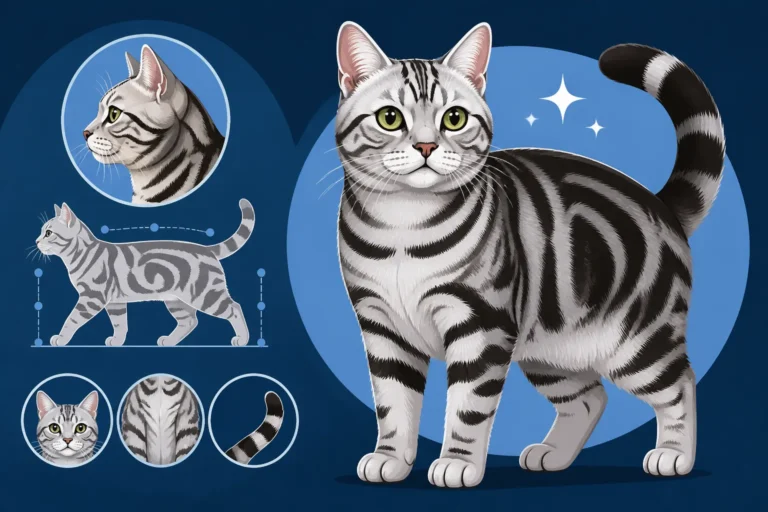
Farm life favored cats that could move around, stay alert, and manage changing conditions. A strong, balanced body and a weather-protective coat were useful qualities for cats spending time in sheds, barns, or other working spaces. Those features are part of the breed’s familiar look, but they are not a job description. How Farm Work Shaped the American Shorthair explains how the working environment influenced the type.
The work also depended on opportunity and experience. A cat needed access to places where rodents lived and the motivation to stalk and catch them. A sleek, muscular appearance does not tell you whether an individual cat has learned those skills or wants to use them. Some cats eagerly investigate movement; others would rather watch from a dry windowsill.
That gap between heritage and individual behavior is easy to overlook. A family might bring home an American Shorthair expecting it to patrol a barn, only to find that it prefers the heated mudroom and a predictable dinner schedule. That is not a failure of the breed. It is a reminder that an old association with work cannot substitute for assessing the cat in front of you.
Do American Shorthairs still work on farms?
A farm cat is not automatically an American Shorthair
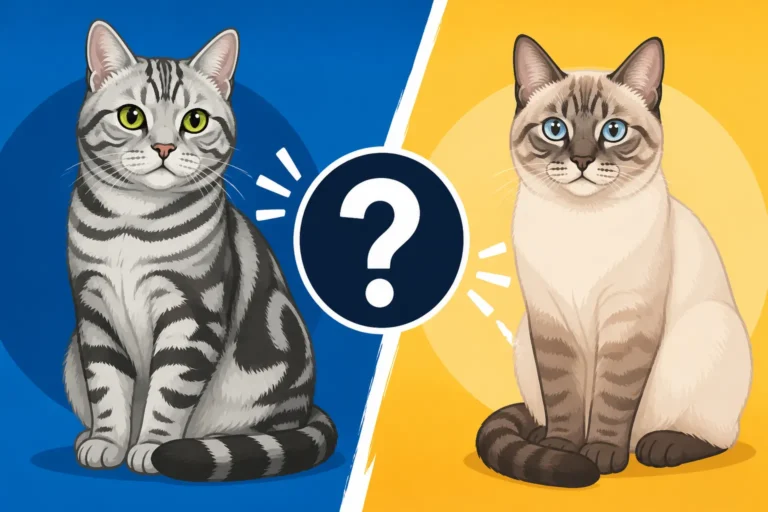
American Shorthairs can live in rural homes, and some may hunt around barns or outbuildings. But most cats encountered on farms are not necessarily registered American Shorthairs. A shorthaired tabby with a sturdy build may resemble one without being a pedigreed cat. Appearance alone cannot establish a cat’s breed, as discussed in How an American Shorthair Differs From a Domestic Shorthair.
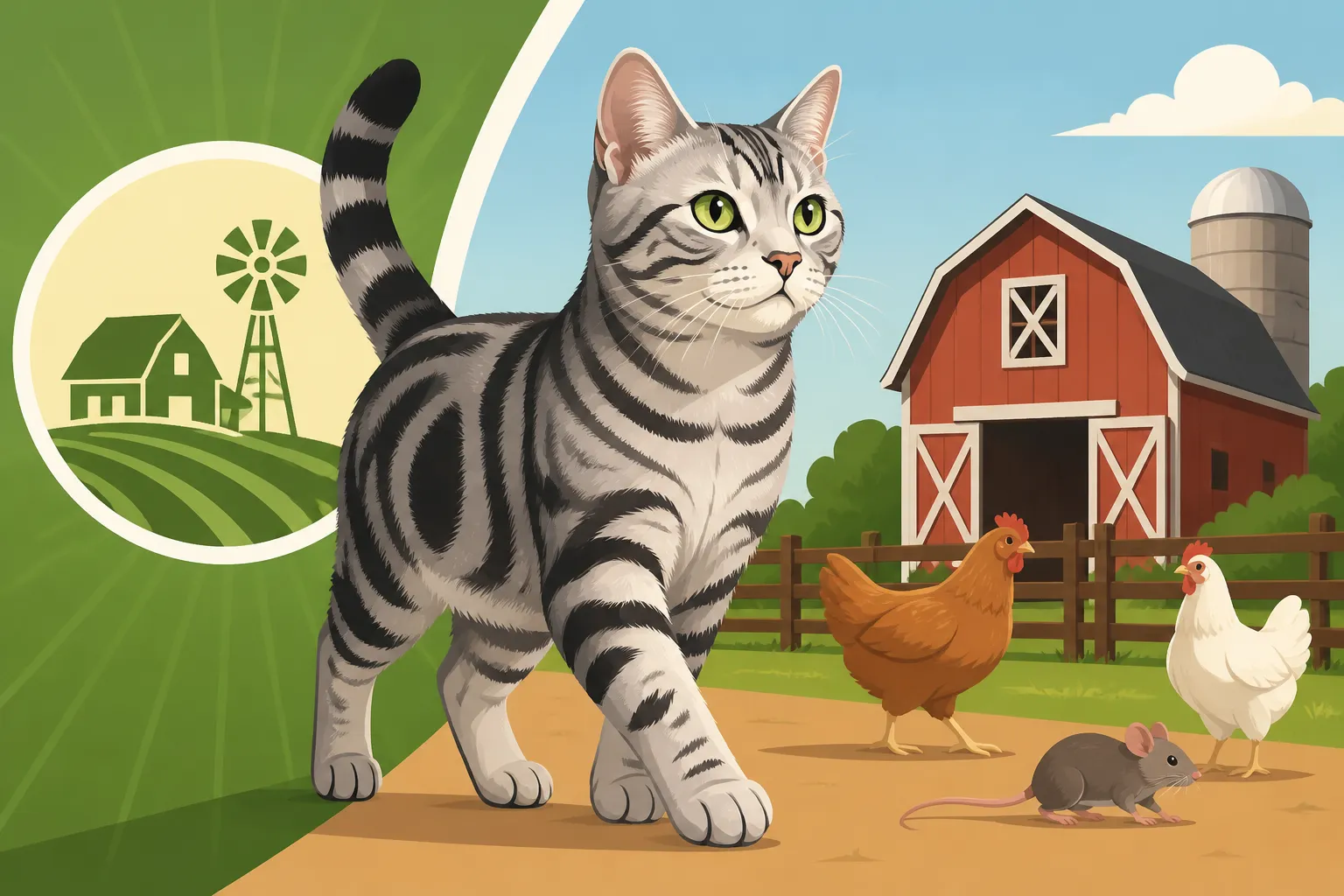
So, does the American Shorthair still work on farms? Some individuals may perform the same kind of casual rodent hunting that cats have done around farms for generations. But the breed is not generally a specialized working-cat service, and you should not assume a breeder cat will arrive ready to control pests. Its everyday role is more often companion than employee.
A practical example: imagine a small farm in Vermont with a heated workshop, feed storage, and a quiet house. An American Shorthair that enjoys exploring under supervision might be content in that setting. Put the same cat loose near machinery, toxic substances, livestock, and traffic, and the risks may outweigh any benefit of its hunting instinct. The property’s safety and the cat’s temperament matter more than the breed label.
What the hunting instinct can and cannot do
The American Shorthair may show interest in moving prey, but hunting is not a dependable pest-management plan. A cat might catch a mouse, ignore another, or spend much of its time sleeping in a warm spot. Rodents can also live in wall spaces or other areas a cat cannot reach. Even a keen hunter cannot ensure that a farm is free of pests or prevent rodents from contaminating stored food.
Hunting behavior can still show up indoors. A cat might track a toy, watch insects at a window, or pounce on a dangling string. That instinct can be channeled into safe play rather than relying on live prey. Short sessions with a wand toy, followed by a chance to catch the toy, can make indoor life more engaging. The American Shorthair Still Hunts, Whether You Want It To or Not explores why that behavior can persist even when a cat no longer has a working role.
If your cat has little opportunity to investigate, chase, or solve problems, it may redirect its energy toward ankle-stalking, scratching, or repeatedly demanding attention. A puzzle feeder or toys rotated in and out of use can help. Chewy is one place owners may look for puzzle feeders or interactive toys, but choose items that suit your cat’s size and play style rather than assuming a product can replace supervision or regular interaction. For more on activity needs, see How Much Simulated Hunting an American Shorthair Needs.
| Farm setting | Possible benefit | Main concern |
|---|---|---|
| Enclosed, supervised barn area | Room to explore and express natural behaviors | Machinery, chemicals, and hidden hazards |
| Indoor farmhouse | Companionship with safer shelter | Boredom if play and enrichment are limited |
| Unrestricted outdoor access | More opportunities to patrol and explore | Traffic, wildlife, parasites, injury, and getting lost |
| Secure catio or enclosed run | Outdoor sights and scents with reduced roaming | Requires maintenance, shade, shelter, and supervision |
Keeping a farm-based American Shorthair safe
Barns have hazards that a home does not
A barn can be stimulating, but it can also be unforgiving. Cats may slip behind equipment, encounter chemicals or rodenticides, get trapped in storage areas, or face contact with dogs and livestock. Open doors and busy driveways create additional risks. A cat that appears confident may still be startled by a tractor, a sudden noise, or an unfamiliar animal.
Before letting a cat explore, look at the space from its point of view. Are there small openings where it could become trapped? Are antifreeze, pesticides, cleaners, and rodent-control products secured? Could it reach feed or other materials that might be harmful? Are there elevated platforms where it could become stuck, or machinery that may be started without warning? The answers should shape whether the cat belongs in that area at all.
Some owners create a protected outdoor space or allow access only to a secure outbuilding. Others keep the cat indoors and make room for climbing, hiding, and play. Those choices are not less authentic than letting a cat roam. In many settings, safer access can meet a cat’s curiosity without exposing it to every risk of the property. What Outdoor Access Adds to an American Shorthair's Care offers more context on how outdoor time changes a cat’s care needs.
Shelter, food, and veterinary care still matter
A working history does not mean a cat can look after itself. A farm cat needs clean water, reliable meals, shelter from cold and heat, and routine veterinary care. If the cat spends time outdoors, it may need a prevention plan appropriate to the local parasite and disease risks. Discuss that plan with a veterinarian rather than relying on the assumption that a tough-looking cat is protected by its coat or constitution.
Feeding needs deserve particular attention. A cat that once hunted for some of its meals may now eat from a bowl while spending much of the day resting. That change can make weight management harder, especially if food is left available all day. Measure meals, monitor body condition, and make adjustments with veterinary guidance. A retailer such as Chewy may offer food puzzles or feeding supplies, but the useful part is the routine: measured portions and engaging ways to deliver them.
A cat living near a farm may also need identification and a dependable way to return to shelter. Keep its microchip information current and use a safe, properly fitted collar if appropriate. Decide in advance where the cat will stay during storms, building work, or periods when equipment is moving around. If it is not possible to supervise outdoor time safely, keeping the cat indoors or using an enclosed run may be the more responsible choice. The risks of unrestricted access are covered in The Risks an Outdoor American Shorthair Takes That an Indoor One Does Not.
Choosing the right role for your cat
Match the individual cat to the environment
If you already have an American Shorthair, observe what it actually enjoys. Does it investigate new spaces, stay calm around ordinary household noise, or become overwhelmed by sudden movement? Does it show interest in toys and stalking games? Does it retreat when approached by larger animals? These everyday clues are more useful than assuming that its breed makes it a natural barn cat.
For someone considering a cat for a farm, spend time with the individual and ask about its history. A responsible breeder or rescue may be able to describe the cat’s socialization, activity level, and response to new environments. A cat accustomed to indoor life should not be abruptly expected to patrol a noisy barn. A gradual introduction to safe spaces gives you a better chance to see whether it settles in without forcing it to cope with too much at once.
It is also worth asking what “working” means to you. If you need dependable pest control, a cat is not a substitute for sound food storage, sealing entry points, and appropriate pest management. If you want a companion that may enjoy exploring a secure rural property, an American Shorthair could be a good fit, provided its safety and welfare come first. What an American Shorthair Bred Only for Usefulness Turns Out Like is useful for thinking about the difference between a breed’s history and the needs of an individual pet.
Support hunting behavior without depending on it
You can give a cat a satisfying outlet for its hunting instincts without asking it to catch live rodents. Try a predictable play routine: move a wand toy in short, irregular bursts; pause so the cat can watch and stalk; let it catch the toy; then offer a small portion of its meal. This makes play feel more complete than waving a toy continuously just out of reach.
Rotate toys so familiar objects regain their interest, and make a comfortable viewing spot near a window if the cat likes to watch birds or passing activity. Keep real prey animals, including pet birds and small rodents, safely separated. A cat’s calm behavior around people does not remove its instinct to chase a small animal.
Chewy may be a convenient source for toys, treat-dispensing feeders, or other enrichment supplies, while a veterinarian can help if your cat’s activity level, weight, or behavior is changing. Whether the cat lives in a farmhouse in Iowa or a suburban home, enrichment should be chosen for that particular cat and fitted into a safe daily routine.
The American Shorthair still carries an association with the working cats that helped farms and homes manage rodents. Some individuals may enjoy exploring and hunting, but the breed is not a guarantee of farm work. Today, the best approach is to treat its history as context, judge the cat by its own temperament, and build a safe role around the animal you actually have.
Disclaimer
This article is for general informational purposes only and does not constitute professional advice. Laws, prices and regulations vary by location and change over time. Consult a qualified professional for guidance on your specific situation.