What an American Shorthair Breeder Should Have Screened
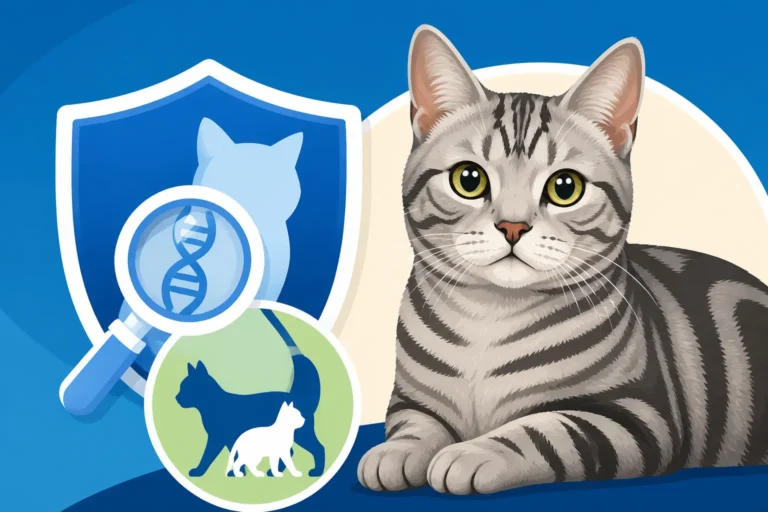
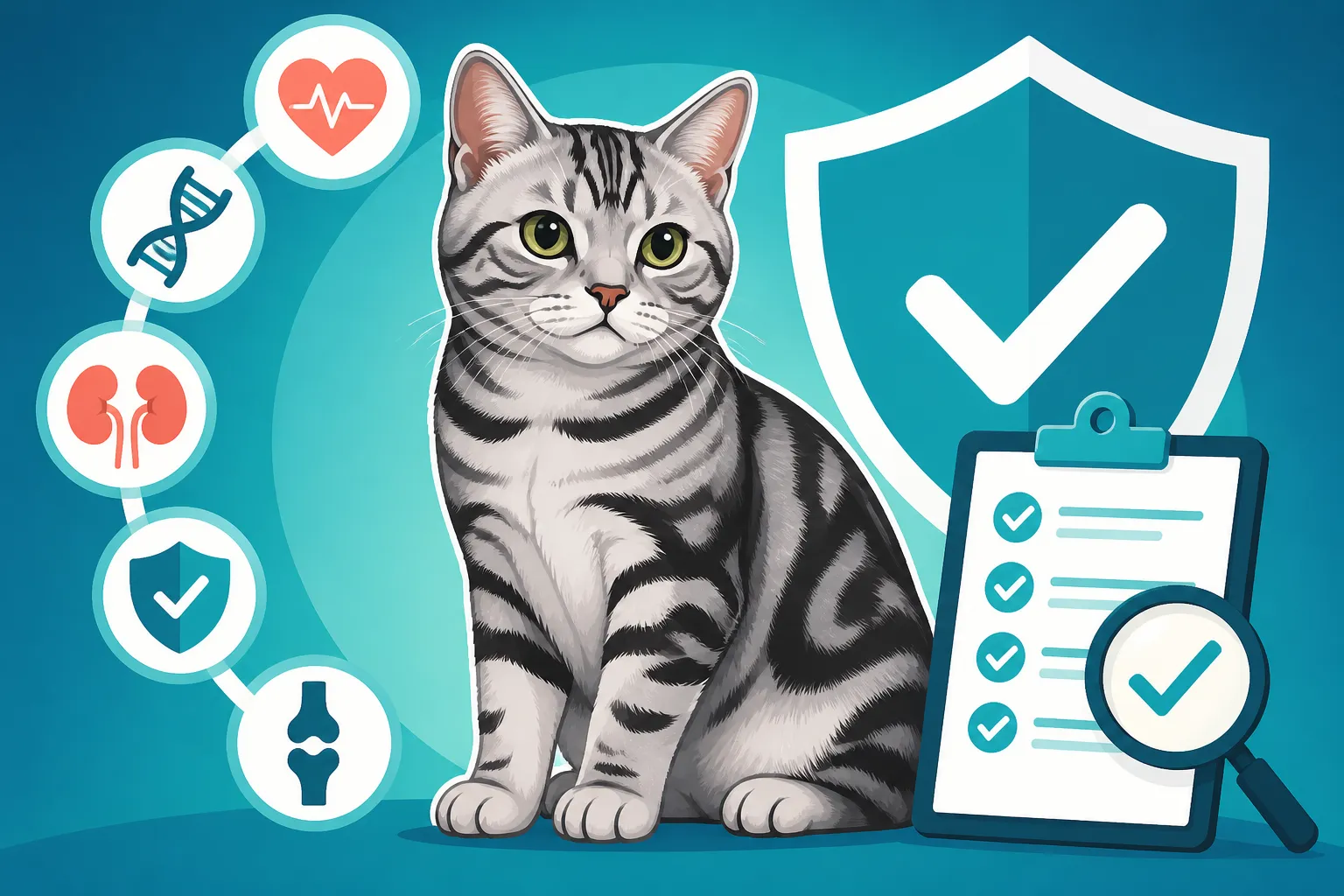
It’s a frustrating reality for many new cat owners: you bring home a beautiful kitten, full of boundless energy, only to find yourself quickly grappling with unexpected health issues that drain your wallet and your emotional reserves. This guide aims to shed light on what a reputable American Shorthair breeder should be diligently screening for, giving you the power to ask the right questions and ensure you’re bringing home a truly healthy, happy companion with the best possible start to a long life.
The Foundation of American Shorthair Health: Why Screening Matters
Bringing a new kitten into your home is a huge decision, and you want to be confident that you're welcoming a robust, healthy companion. For American Shorthairs, a breed renowned for its sturdy constitution and longevity, a breeder's commitment to health screening is paramount. It's not just about ticking boxes; it's about safeguarding the future health of the entire breed and, more immediately, the individual cat you bring home.
Understanding the Breed's Health Reputation
The American Shorthair has a fantastic reputation as a naturally healthy, hardy breed. They’re often considered the "control group" of cat breeding, largely because their lineage wasn’t subjected to the extreme physical modifications that can sometimes introduce specific health vulnerabilities in other pedigrees. These cats were bred for function – to be efficient mousers on farms and ships – which naturally selected for strong, healthy individuals. This historical context is why many believe the breed to be inherently robust, and Why the American Shorthair Is Used as a Health Benchmark in discussions about feline health. However, even with this strong foundation, inherited conditions can and do exist, making conscientious screening essential. A good breeder doesn't rest on the breed's general good health; they actively work to maintain and improve it.
The Ethical Imperative of Pre-Breeding Screening
For any responsible breeder, the decision to breed a cat isn't just about pairing two attractive animals. It's an ethical commitment to produce kittens that are as healthy as possible, free from preventable inherited diseases. This means that both parent cats must undergo thorough veterinary examinations and specific genetic screenings before they are ever bred. Without this proactive approach, breeders risk unknowingly passing on debilitating conditions to future generations, leading to heartbreak and significant financial burdens for new owners. It's a fundamental part of their responsibility to the breed and to the families who will adopt their kittens. Think of it as investing in a healthy future for your cat, a peace of mind that can save you countless vet visits down the line.
Distinguishing a Breeder's Role from a Random Adoption
While there's absolutely nothing wrong with adopting a wonderful cat from a shelter – and many fantastic domestic shorthairs are waiting for homes – there's a distinct difference in what you can expect in terms of genetic health transparency. With a shelter cat, while they receive general health checks, their genetic history is usually unknown. You might be adopting a cat with potential predispositions that can only be managed after they arise. When you choose a reputable American Shorthair breeder, you are paying for the assurance that comes with a documented pedigree and a history of health screening on the parent lines. This isn't just about a fancy piece of paper; it’s about a breeder actively working to minimize known breed-specific health risks. It's about getting answers to questions like What an American Shorthair Kitten Comes With Health Paperwork which you wouldn't typically receive for a rescue.
The Critical Heart Concern: Hypertrophic Cardiomyopathy (HCM) Screening
When we talk about inherited diseases in purebred cats, Hypertrophic Cardiomyopathy (HCM) is almost always at the top of the list, and American Shorthairs are no exception. While less prevalent than in some other breeds like Maine Coons or Ragdolls, HCM remains the most significant inherited cardiac disease in the American Shorthair, making robust screening absolutely crucial.
Recognizing HCM as the Primary Inherited Risk
Hypertrophic Cardiomyopathy is a progressive disease where the muscular walls of the heart thicken, particularly the left ventricle. This thickening makes it harder for the heart to pump blood effectively, leading to a range of complications including heart failure, blood clots, and sudden death. It's a sneaky disease, often showing no outward symptoms until it's quite advanced, which is why early detection through screening is so vital. While the American Shorthair is celebrated for its general good health, HCM Is the One Inherited Disease the American Shorthair Kept, meaning breeders must be vigilant in their screening efforts. Ignoring this risk is a disservice to the breed and prospective owners.
The Gold Standard: Echocardiogram Protocols
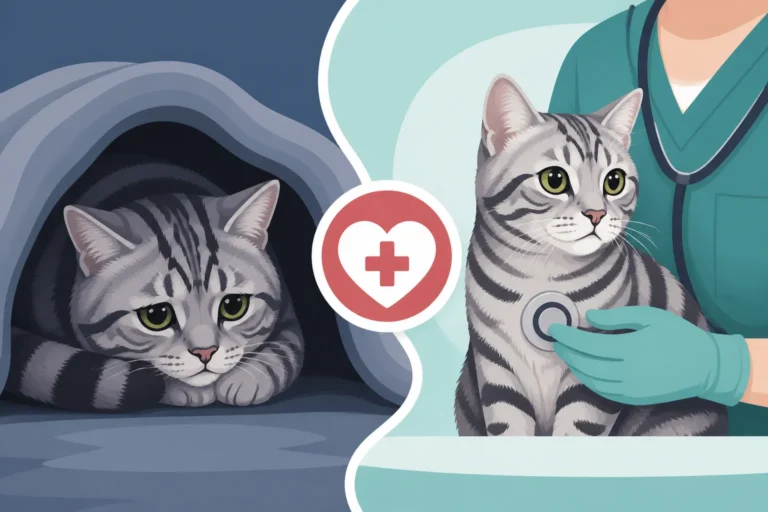
For American Shorthairs, the absolute best way to screen for HCM is through a cardiac ultrasound, also known as an echocardiogram. This procedure allows a veterinary cardiologist to visualize the heart's structure and function in real-time, measuring wall thickness and assessing blood flow. It's a non-invasive test that provides immediate, detailed information. A reputable breeder will ensure that all breeding cats are regularly screened by a board-certified veterinary cardiologist. These screenings should be performed yearly, or at least every 1-2 years, especially if a cat is actively being bred. This regular monitoring helps catch any changes early, as The Age an American Shorthair's Heart Starts to Thicken can vary, and the disease can manifest at different points in a cat's life. This ongoing commitment to screening is a hallmark of an ethical breeding program.
Why a Gene Test Isn't Enough for American Shorthairs
While genetic tests exist for HCM in some breeds (like the A31P mutation in Maine Coons or the MYBPC3 mutation in Ragdolls), it's really important to understand that Why a Gene Test Cannot Clear an American Shorthair's Heart. For the American Shorthair, there isn't a universally identified or widespread gene mutation linked to HCM that can provide a "clear" result. This means that a genetic test, if available for some mutations, would only ever tell you if a cat carries that specific mutation, not if they are truly free from HCM. Many different genetic mutations can cause HCM, and not all have been identified. Therefore, relying solely on a gene test would give a false sense of security. The echocardiogram remains the only reliable method for detecting the physical presence of the disease in American Shorthairs, and a responsible breeder will understand and adhere to this protocol, getting an echo performed to ensure Why an American Shorthair Still Needs a Yearly Heart Scan.
Evaluating Structural Soundness: Hip and Joint Health Checks
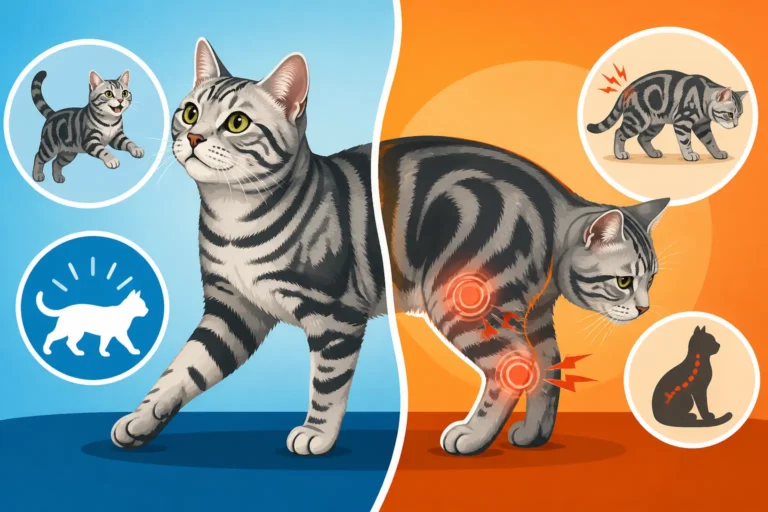
Beyond heart health, the American Shorthair’s robust, square build can sometimes put them at risk for certain orthopedic issues, particularly hip dysplasia. While perhaps not as common as in large dog breeds, it’s still a concern that responsible breeders should actively address through screening.
Assessing for Hip Dysplasia in a Sturdy Breed
Hip dysplasia is a condition where the hip joint doesn't form correctly, leading to looseness, pain, and eventually arthritis. Given the American Shorthair's solid, muscular frame, they are more prone to this condition than leaner, more delicate breeds. You might not immediately think of hip problems in cats, but a cat struggling with dysplastic hips will experience pain and reduced mobility, impacting their quality of life. This is why a breeder should be proactive in screening their breeding cats for this issue. After all, Why a Stocky Build Costs an American Shorthair Its Hips is a known phenomenon across many species. A cat with severe hip dysplasia, even if asymptomatic in youth, can face significant discomfort later in life.
Orthopedic Examinations Beyond X-Rays
The primary method for diagnosing hip dysplasia is through X-rays of the hips. These X-rays are typically taken under sedation to ensure proper positioning and clarity, allowing a veterinary professional to assess the structure of the hip joints. These images can then be graded to determine the severity of any dysplasia present. However, a comprehensive orthopedic screening also involves a thorough physical examination by a veterinarian, feeling the joints for laxity, pain, or grinding. Some breeders may also consult with an orthopedic specialist. It's a good sign if a breeder is transparent about these examinations, explaining How a Vet Assesses an American Shorthair's Hips and what the results mean for the health of their breeding line. This holistic approach ensures that potential issues are identified early.
Genetic Predisposition and Responsible Breeding Decisions
Hip dysplasia does have a genetic component, meaning it can be passed down from parent to offspring. Therefore, a truly responsible American Shorthair breeder will not breed cats that have been diagnosed with moderate to severe hip dysplasia. Even cats with mild dysplasia might be considered carefully, or not at all, depending on their overall health and pedigree. The goal is to reduce the incidence of the disease within the breed. While there isn't a simple DNA test for hip dysplasia like there might be for some other conditions, ethical breeders use X-ray evaluations and careful pedigree analysis to make informed decisions. They understand that every breeding choice they make can impact the health and well-being of countless kittens for generations.
Beyond the Big Two: Other Essential Health Considerations for Breeders
While HCM and hip health are often the headline acts for American Shorthair screening, a truly comprehensive breeding program looks at the cat's overall health picture. This includes areas that might seem more mundane but are equally critical for a long, comfortable life.
Dental Health and Oral Screenings
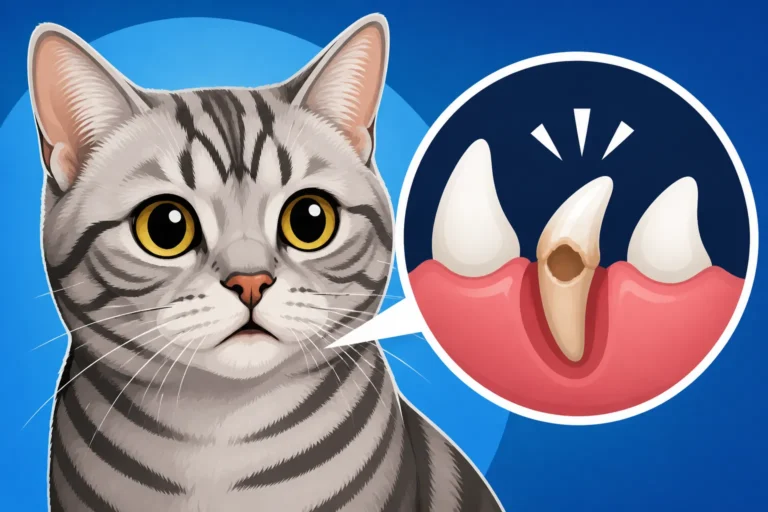
Dental disease is one of the most common health problems in adult cats, affecting a staggering percentage of the feline population. While not typically a genetic disease in the same way HCM is, a cat's genetic predisposition to certain dental issues (like tooth resorption) and even the shape of their jaw can influence their oral health. A responsible breeder will routinely check the dental health of their breeding cats, not just looking for obvious problems, but also monitoring for signs of developing issues that could indicate a family line prone to early or severe dental disease. They should be able to tell you about their dental care routine for adult cats and discuss how they manage things like gum disease, which is often Why an American Shorthair Loses Teeth Nobody Noticed until it's quite advanced. This proactive approach helps ensure kittens come from parents with healthy mouths, and can guide new owners on proper dental hygiene from the start.
Urinary Tract Health and Kidney Function
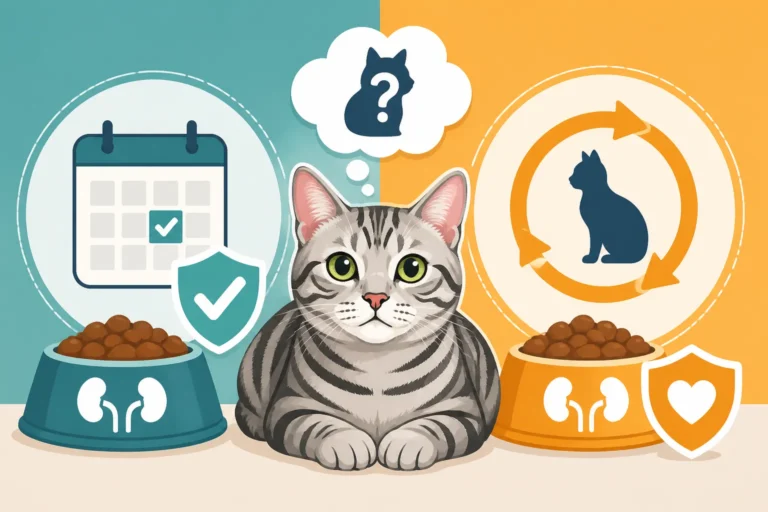
Urinary tract issues, such as bladder stones (crystalluria) and chronic kidney disease, can be debilitating and expensive to treat. While kidney disease is often associated with aging, some forms can have a genetic component or be exacerbated by lifestyle choices. Responsible breeders will ensure their breeding cats have regular veterinary check-ups that include urinalysis and blood work to assess kidney function. This screening helps to catch early signs of kidney issues or a predisposition to certain types of bladder stones. For example, some breeds might be more prone to struvite or calcium oxalate stones. While American Shorthairs are generally less prone to severe urinary issues than some other breeds, especially male cats can be susceptible to blockages. A breeder who cares will monitor for any familial patterns or predispositions, especially considering Why a Female American Shorthair Faces Fewer Urinary Risks compared to males.
Parasite Prevention and Infectious Disease Control
A healthy breeding environment is free from common parasites and infectious diseases. This means all breeding cats should be on a strict parasite control program, including regular deworming and flea/tick prevention, especially if they have any outdoor access or interact with other animals. More importantly, breeding cats should be tested for common feline infectious diseases that can be passed from mother to kittens, such as Feline Leukemia Virus (FeLV) and Feline Immunodeficiency Virus (FIV). While the American Shorthair doesn't have a Whether the American Shorthair Has a Required DNA Panel for all potential conditions, screening for these viruses is a non-negotiable step for any ethical breeder. Ensuring a clean bill of health for these communicable diseases protects not only the breeding cats but also the health of every kitten in the litter and subsequently, the homes they go to.
The Role of Environment and Early Life Care in Breeder Protocols
Health screening isn't just about genetic tests and vet checks; it's also about the environment in which kittens are raised and the care they receive in their formative weeks. A responsible breeder understands that nurture plays a critical role alongside nature.
Optimizing Nutrition and Weight Management
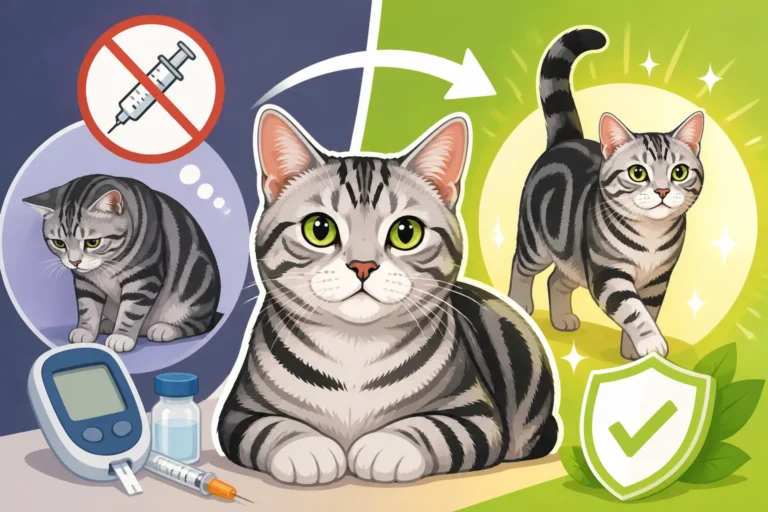
Good nutrition is the cornerstone of good health, especially for breeding cats and growing kittens. Breeders should be feeding high-quality, species-appropriate food that meets the nutritional demands of pregnant and lactating queens, as well as rapidly growing kittens. But it’s not just about what they eat; it's about how much. The American Shorthair is a breed that was historically very active, and while modern indoor life has many benefits, it can lead to a tendency towards weight gain. Why Indoor Life Made the American Shorthair Fat is a common struggle for owners, and it often starts with early habits. An ethical breeder will ensure their adult breeding cats maintain a healthy weight and body condition. They should be able to discuss their feeding regimen, portion control, and how they monitor their cats' weight to prevent obesity, which can lead to a host of other health problems, including diabetes and joint issues.
Socialization and Behavioral Health
Physical health is only one piece of the puzzle; mental and behavioral health are equally important. A well-socialized kitten is a confident, adaptable companion, less prone to stress-related behaviors or fear-based aggression. Responsible breeders understand the critical socialization window in a kitten's early life (roughly 3-12 weeks) and actively engage with their kittens during this time. This includes exposure to various sights, sounds, textures, and gentle human handling. They should also get to interact with other friendly, healthy cats and, if applicable, well-behaved dogs. A kitten who is confident and curious, rather than fearful, is more likely to settle into their new home easily and live a happy, well-adjusted life.
Cleanliness and Disease Prevention in the Cattery
A clean and well-maintained cattery environment is absolutely crucial for preventing the spread of infectious diseases and ensuring the overall well-being of the cats and kittens. This means daily cleaning and disinfection of litter boxes, feeding areas, and sleeping spaces. Vaccinations are also a vital part of disease prevention. Breeding cats and kittens should be on an appropriate vaccination schedule, protecting them from common feline diseases like panleukopenia, herpesvirus, and calicivirus. A responsible breeder will be transparent about their cattery's hygiene practices and vaccination protocols, and they should be willing to share this information with prospective owners. They should also outline the steps they take to prevent parasites, explaining Which Parasites an Outdoor American Shorthair Picks Up if they have outdoor access, or how they manage internal and external parasite control for indoor cats.
Transparency and Documentation: What to Expect from an Ethical Breeder
A truly ethical American Shorthair breeder doesn't just do the right things; they prove it. Transparency and thorough documentation are non-negotiable when you're looking for a healthy, well-bred kitten. This is where your investment in a purebred cat truly shows its value.
Providing Comprehensive Health Paperwork
When you acquire an American Shorthair from a reputable breeder, you should expect to receive a wealth of documentation, not just a registration certificate. This paperwork should include copies of health screening results for both parents, especially for HCM echocardiograms and hip X-rays. These documents should clearly state the findings and be signed by the veterinary specialists who performed the tests. You might also receive a health certificate for your kitten, indicating their current health status at the time of sale, their vaccination record, and deworming schedule. This level of detail confirms that the breeder is taking their responsibilities seriously and provides you with vital information for your new cat's ongoing veterinary care. You should feel comfortable asking for these records, and the breeder should be eager to share them.
Understanding Pedigrees and Health History
A pedigree is more than just a family tree; it's a record of your cat's ancestry, typically going back several generations. For a responsible breeder, the pedigree is a crucial tool for understanding potential genetic predispositions and avoiding inbreeding. They should be able to discuss the health history of the cats in the pedigree, pointing out any known longevity in the lines or, conversely, any specific health issues that have arisen. This transparency helps illustrate the breeder's long-term commitment to the health of their lines. You can learn a lot about the breed's historical health by examining these records, gaining insights into The Fifteen to Twenty Years the American Shorthair Was Given as a general lifespan and how individual lines contribute to it. A breeder who meticulously tracks their lines' health demonstrates a deep understanding of genetics and a dedication to improving the breed.
| Health Issue | Screening Method | Target Age for First Screening | Recommended Frequency for Breeding Cats | Importance for American Shorthair |
|---|---|---|---|---|
| HCM | Echocardiogram | 1 year (or prior to first breeding) | Annually or every 1-2 years | Critical: Primary inherited cardiac disease. Gene test not sufficient. |
| Hip Dysplasia | Radiographs (X-rays) | 1-2 years (after skeletal maturity) | Prior to breeding, or as needed if concerns arise | Important: Due to sturdy build, can be predisposed. Genetic component. |
| Dental Health | Oral Exam by Vet | Yearly vet checks | Annually | General Wellness: Common feline issue, good breeding practice ensures healthy parents and helps guide owners on preventative care. |
| Kidney Function | Bloodwork (e.g., SDMA, Creatinine) & Urinalysis | Annually (as part of routine senior care, but good baseline in breeding age too) | Annually | General Wellness: Important for overall health; helps identify predispositions. |
| FeLV/FIV | Blood Test (ELISA/PCR) | Prior to breeding (if not done) | If exposed to new cats or outdoor access | Essential: Highly contagious viruses. Breeding cats should be negative. |
The Importance of a Health Guarantee
A health guarantee is a contract between the breeder and the buyer, outlining the breeder's responsibility for the kitten's health for a specified period. This usually covers genetic or congenital defects that manifest within the first year or two of life. While no breeder can guarantee a cat will never get sick, a reputable breeder will stand behind the health of their kittens. This might mean offering a replacement kitten or a partial refund if a serious genetic health issue (like severe HCM or hip dysplasia) is diagnosed. The specifics vary, but the presence of a clear, reasonable health guarantee demonstrates a breeder's confidence in their screening practices and their commitment to the well-being of the cats they produce. It’s an extra layer of protection for you and an indicator of their integrity.
Long-Term Health Commitments: How Breeder Choices Impact Your Cat's Future
The choices a breeder makes regarding health screening and responsible practices have ripple effects that extend far beyond the moment you bring your new American Shorthair home. These choices set the stage for your cat's entire life.
Supporting Lifelong Wellness
When a breeder screens diligently for conditions like HCM and hip dysplasia, they are actively contributing to the genetic health of the breed. This means that statistically, kittens from such breeders are more likely to lead healthier lives, free from the severe inherited conditions that can plague other breeds. This foundation of good health, coupled with proper nutrition and care provided by the owner, significantly increases the chances of your American Shorthair living to its full potential, potentially reaching The Fifteen to Twenty Years the American Shorthair Was Given. Choosing a responsibly bred cat is an investment in long-term wellness, reducing the likelihood of costly and heartbreaking veterinary interventions down the road. It truly makes a difference.
Preparing New Owners for Ongoing Care
A good breeder doesn't just sell a kitten and disappear. They become a resource for life, offering advice and support. Part of this support involves educating new owners about the specific care needs of an American Shorthair, including dietary recommendations, grooming tips, and crucial information about ongoing veterinary care. They should explain the importance of regular check-ups, what signs to watch for regarding specific health issues, and how to maintain the health advantages their rigorous breeding program has provided. For instance, they might emphasize the importance of maintaining a healthy weight to prevent issues like obesity, which can exacerbate joint problems or lead to diabetes. This guidance helps owners continue the journey of responsible pet ownership.
The True Value of a Responsibly Bred American Shorthair
It's easy to look at the purchase price of a purebred American Shorthair and compare it to the adoption fee of a shelter cat. However, the value of a responsibly bred cat extends far beyond that initial cost. It encompasses the decades of careful breeding, the extensive health screenings, the optimal early life care, and the ongoing support from a knowledgeable breeder. This investment often translates into fewer veterinary bills for preventable genetic conditions, a more predictable temperament, and a healthier, longer-lived companion. When you factor in potential veterinary expenses for chronic conditions, choosing a responsibly bred kitten can be a wise financial decision, too. Many owners find that the peace of mind that comes with a healthy, well-adjusted cat, whose parents were screened, is priceless. It's also where having comprehensive pet insurance, like a plan from Healthy Paws, can really make a difference, helping to cover any unexpected health challenges, even with the best breeding.
Disclaimer
Please remember that this article provides general information and recommendations. Every cat is an individual, and specific health needs can vary. Always consult with a qualified veterinarian for personalized advice regarding your American Shorthair's health and care. While responsible breeding practices significantly reduce risks, no breeder can guarantee a lifetime free from all health issues.