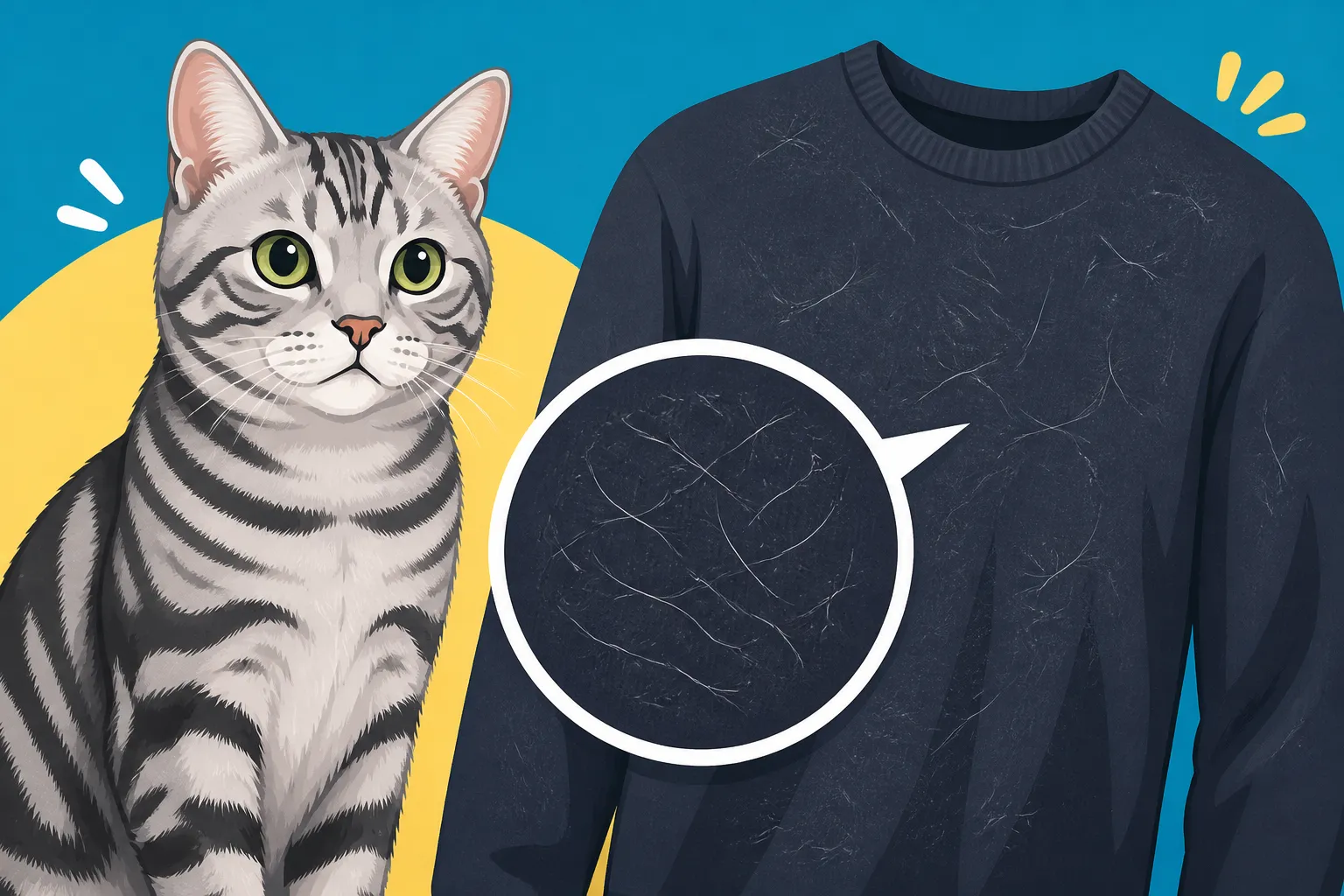
How Much Shed Hair an American Shorthair Leaves on Clothes
If you're an American Shorthair owner, you've probably faced the universal feline truth: cat hair is everywhere. Despite their sensible, low-maintenance coats, these wonderful companions still shed, and a good portion of that hair inevitably ends up clinging to your clothes, becoming a silent, fuzzy accessory. This guide will explore exactly why your American Shorthair's hair seems to gravitate to your wardrobe and, more importantly, what you can realistically do about it.
The American Shorthair's Coat: Built for Purpose, Prone to Shedding
It's easy to assume that a short-haired cat means less shedding, but the American Shorthair's coat is designed for durability and function, not necessarily minimal fallout. Understanding its structure helps explain why you might find more hair than anticipated.
The Density and Texture of Their Practical Coat
Unlike some of the plush, soft coats you might find on other pedigrees, the American Shorthair boasts a coat that is dense, hard, and resilient. This isn't a fluffy, easily compressed fur; it's a working coat, historically developed to protect them from the elements as they performed their duties as barn and ship cats. This hardiness means each individual hair strand is robust, and they have a surprisingly thick undercoat, especially in colder climates or during certain times of the year. This density means there's simply more hair per square inch than you might initially assume.
Think of it like this: a fine, silky shirt might shed a few barely visible threads, but a thick wool sweater will shed noticeable fibers. The American Shorthair's coat is more akin to that robust sweater in terms of sheer volume and resilience, even if the individual hairs are shorter. This practical design, which once served them well navigating rough environments, now means a robust amount of hair ready to shed when the time comes. This sturdy coat is a hallmark of their lineage, directly reflecting The American Shorthair's Coat Was Built for Weather, Not a Judge.
Seasonal "Blows" and the Reality of Indoor Living
Traditionally, American Shorthairs, like many cats, would experience two major shedding seasons: a "coat blow" in spring to shed their thick winter undercoat in favor of a lighter summer layer, and another in fall to prepare for winter. During these periods, the amount of hair coming off them can be truly astonishing. It might feel like you could build another cat entirely from the hair you collect!
However, modern indoor living often blurs these distinct seasonal changes. Central heating and air conditioning create a more consistent environment, which can lead to a less defined shedding cycle. Instead of two intense seasonal events, many indoor American Shorthairs tend to shed a more moderate, but continuous, amount of hair year-round. You might still notice peaks in spring and fall, but the constant presence of hair is a fact of life for many owners. It's a trade-off for their comfort, but it does mean a never-ending battle with floating fur. It’s a bit different than their ancestors, who might have only really shed hard twice a year, as detailed in An American Shorthair Sheds Twice a Year and Asks Nothing Else.
The Journey of Cat Hair from Cat to Closet
It’s not magic; cat hair doesn’t spontaneously appear on your clothes. It’s a journey, a microscopic expedition from your feline friend's body to your favorite shirt, and understanding this process can help you intercept it.
How Hair Detaches and Transfers
Shed hair detaches from your American Shorthair's body through natural grooming, scratching, rubbing against surfaces, or simply by falling out due to gravity. Once it's airborne or settled on a surface, it becomes a tiny, mobile projectile.
- Rubbing and Brushing: Your cat loves to rub against furniture, doorframes, and, of course, you. Each rub is a deposit of loose hair onto that surface. When you pet them, you’re collecting some hair, but also dislodging more to land elsewhere.
- Gravity and Air Currents: Hair naturally falls to the floor, but it’s also light enough to be carried by air currents from open windows, fans, or even just you walking through a room. This suspended hair eventually settles on horizontal surfaces, including your neatly folded laundry or clothes hanging in the closet.
- Static Electricity: This is the silent villain in the war on cat hair. Synthetic fabrics, especially, can generate static electricity, which acts like a magnet for airborne hair. It literally pulls hair towards your clothes, making it cling with impressive tenacity. Ever pulled a sweater out of the dryer and it's covered in hair even if it was clean before? Static is often the culprit.
- Direct Contact: The most obvious way hair gets on your clothes is through direct contact. When your American Shorthair snuggles on your lap, sleeps on your bed, or brushes past your legs, they're leaving a tangible reminder of their affection in the form of loose fur.
It's a continuous, multi-pronged attack on your pristine wardrobe, and it’s why even short-haired cats can make a noticeable impact.
Identifying High-Risk Zones for Hair Transfer
To effectively combat cat hair on your clothes, it helps to identify the areas where hair is most likely to accumulate and transfer.
- Sleeping Spots: Any place your American Shorthair regularly naps – your bed, the sofa, their favorite cat tree – is a high-density hair zone. When you sit or lie in these areas, you're picking up hair directly. This is a common place to see Where an American Shorthair's Shed Hair Ends Up.
- Grooming Stations: Cats groom themselves frequently, and during these sessions, loose hair is either swallowed or falls off. If your cat has a favorite grooming spot on a rug or mat, expect a concentration of hair there, ready to be picked up by your socks or trouser legs.
- Your Lap and Shoulders: If your American Shorthair is affectionate and loves to sit on your lap or rub against your legs, consider these areas ground zero for hair transfer. It’s a lovely bonding experience, but one that comes with a furry cost.
- Laundry Areas: If you keep your laundry basket or clean clothes in an open area where your cat has access, they might decide it’s a perfectly soft, warm place to nap, leaving a fresh layer of fur on your freshly washed items.
Understanding these high-risk zones allows you to be more strategic in your cleaning and grooming efforts, helping to break the cycle of hair transfer.
Practical Strategies to Keep Your Clothes (Mostly) Fur-Free
While eliminating every single cat hair is a fantasy, there are many effective, realistic strategies you can employ to drastically reduce the amount of American Shorthair hair on your clothes.
Regular Grooming: Your First Line of Defense
This is perhaps the most impactful step you can take. The more hair you remove directly from your cat, the less hair there is to end up on your clothes.
- Daily Brushing, Especially During Shedding Seasons: Even though American Shorthairs are low-maintenance, a quick daily brush with the right tool can make a world of difference. During the heavier shedding periods, you might even need to do it twice a day. A good de-shedding tool or a sturdy bristle brush can pull out a surprising amount of loose undercoat. Products available on sites like Chewy offer a wide range of brushes specifically designed for different coat types, making it easier to find one that suits your American Shorthair's hard coat. For more on this, check out How Little Combing an American Shorthair Actually Needs.
- Choosing the Right Tools: For an American Shorthair's dense, hard coat, you need something that can get through the top layer and reach the undercoat without pulling or irritating their skin. A rubber curry brush can be great for daily grooming and stimulating circulation, while a fine-toothed metal comb or a de-shedding tool can effectively remove loose undercoat. Experiment to see what your cat tolerates best and what yields the most hair. The right comb can make all the difference, as discussed in Which Comb Suits an American Shorthair's Hard Coat.
- Making Grooming a Positive Experience: Start grooming your American Shorthair kitten early and make it a calm, rewarding experience with treats and praise. This will ensure they associate brushing with positive feelings, making future sessions much easier for both of you.
By proactively removing hair from the source, you're cutting down on the amount that can possibly migrate to your wardrobe.
Environmental Management: Containment and Cleanliness
Beyond grooming your cat, managing your home environment is crucial for keeping hair off your clothes.
- Dedicated Cat Beds and Blankets: Provide comfortable, washable beds or blankets for your American Shorthair to sleep on, especially in their favorite spots like the sofa or your bed. Make sure these are easily removable and can be washed frequently. This helps to contain the shed hair to specific, manageable areas.
- Regular Vacuuming with Pet-Specific Attachments: Invest in a good vacuum cleaner with strong suction and pet-specific attachments. These often have rotating brushes that are excellent at picking up embedded pet hair from carpets, upholstery, and even hard floors. Focus on the areas your cat frequents most, ideally daily or every other day.
- Lint Rollers and Reusable Hair Removers: Keep lint rollers handy near your closet, by the front door, and in your car. A quick roll before you leave the house can make a huge difference. Reusable pet hair removers, often made of silicone or special fabric, are also excellent and more eco-friendly long-term. You can find many effective options for these on sites like Amazon.
- Covering Furniture: Consider using washable throws or slipcovers on your favorite chairs and sofas. These can be easily removed and tossed in the laundry, catching most of the hair before it embeds into your furniture.
- Air Purifiers: While not a direct solution for hair on clothes, air purifiers with HEPA filters can help reduce airborne pet dander and hair, leading to less floating fur settling on surfaces.
By creating barriers and regularly removing hair from your living spaces, you significantly reduce the chances of it transferring to your clothing.
Laundry Room Tactics: Washing and Drying for Hair Removal
Even with the best preventative measures, some hair will inevitably find its way onto your clothes. The good news is, your laundry routine can be optimized to combat it.
- Pre-Wash Shake and Tumble Dry: Before putting hairy clothes into the washing machine, give them a good shake outdoors to dislodge as much loose hair as possible. For particularly furry items, a quick 10-15 minute tumble in the dryer on a cool, no-heat setting with a dryer sheet can work wonders. The cool air and tumbling action can help loosen and collect a surprising amount of hair in the lint trap before the wash cycle, preventing it from clumping and embedding further.
- Add a Vinegar Rinse or Specialty Product: A half-cup of white vinegar added to the rinse cycle can help relax fabric fibers and release pet hair. There are also specific laundry additives designed to help repel or release pet hair during the wash.
- Don't Overload the Washer: Give your clothes plenty of room to move around in the washing machine. Overloading can prevent water and detergent from properly circulating and rinsing away hair.
- Clean Your Washing Machine and Dryer: Regularly clean your washing machine drum and especially your dryer's lint trap (after every load!). Lingering hair can re-deposit onto subsequent washes. Occasionally run an empty cycle with hot water and vinegar in your washing machine to clear out any hair or residue.
- Use Wool Dryer Balls: Instead of traditional dryer sheets (which can create static), consider wool dryer balls. They help reduce static, soften clothes, and can help collect pet hair during the drying cycle.
By refining your laundry approach, you can turn your washing machine and dryer into allies in the fight against cat hair.
Living with an American Shorthair: Embracing the Furry Reality
Let's be real: completely eliminating all cat hair from your life when you share it with an American Shorthair is an impossible dream. These beloved companions are part of our homes and our hearts, and a little fur is often part of the package.
Realistic Expectations and Acceptance
Despite your best efforts with grooming, vacuuming, and laundry tactics, you will still find American Shorthair hair on your clothes. It’s a fact of life for pet owners. The goal isn't total eradication, but rather significant reduction. Aim for manageable, not perfect. Your cat isn't shedding out of spite; it's a natural biological process. Rather than constantly feeling frustrated, try to find humor in it – many pet owners joke that cat hair is a condiment or a fashion accessory.
One helpful perspective is to realize that this breed is renowned for its generally robust health and calm demeanor, making the slight inconvenience of shedding a small price to pay for such a wonderful companion. They aren't prone to some of the extreme health issues that might justify more frustration; instead, they offer a lifetime of quiet companionship, as explored in The Fifteen to Twenty Years the American Shorthair Was Given.
Strategic Wardrobe Choices
You can also make choices that minimize the appearance of cat hair on your clothes, even if the hair is still there.
- Fabric Selection:
- Smooth, Tightly Woven Fabrics: Materials like silk, denim, leather, and tightly woven cotton tend to attract and hold less hair than fuzzy or loosely woven fabrics. Hair is less likely to cling or become embedded.
- Avoid Fleece, Wool, and Velvet: These fabrics are notorious for attracting and holding onto pet hair due to their texture and static properties. If you love these materials, save them for occasions when your cat isn't around, or be prepared for extra lint rolling.
- Color Coordination (or Contrast):
- Match Your Cat's Fur: If your American Shorthair is silver tabby, wear light grey, white, or silver-toned clothes. If they're a brown tabby, opt for browns, creams, or darker neutrals. Hair will still be there, but it will be far less noticeable.
- Avoid High-Contrast Colors: If you have a dark cat, don't wear white linen. If you have a light-colored cat, avoid black velvet. High-contrast combinations make every single hair stand out like a beacon. While this might seem like a drastic measure, it truly makes a difference in your daily appearance and stress levels.
By strategically planning your wardrobe, you can present a much cleaner appearance with less effort, even with an American Shorthair sharing your home. It's about working with the reality of shedding, rather than constantly fighting against it.
Here’s a quick overview of shedding control methods:
| Method | Description | Best For | Frequency |
|---|---|---|---|
| Regular Brushing | Removes loose hair directly from the cat using appropriate tools. | All American Shorthairs, especially during seasonal sheds. | Daily (seasonal) or a few times a week (year-round). |
| Lint Rollers | Adheres to loose hair on fabric surfaces for quick removal. | Clothes, upholstery, car seats. | As needed, especially before leaving the house. |
| Vacuuming | Removes hair from floors, rugs, and furniture. | All surfaces, particularly cat's favorite spots. | Daily to every other day. |
| Dedicated Pet Beds | Provides a specific, washable area for your cat to shed. | Cat's sleeping and lounging spots. | Wash weekly. |
| Pre-Wash Tumble | Tumbles clothes in a cool dryer to loosen hair before washing. | Heavily furred items, especially synthetic fabrics. | Before washing each hairy load. |
| Strategic Wardrobe | Choosing fabrics and colors that minimize the appearance of pet hair. | Everyday wear, especially for work or public outings. | Ongoing decision-making. |
Ultimately, owning an American Shorthair is a joy, and a little bit of fur is just part of the deal. By combining proactive grooming, diligent cleaning, smart laundry practices, and a touch of acceptance, you can keep the furry reminders to a minimum and enjoy your wonderful companion without too much hairy frustration.
Disclaimer
This article is for general informational purposes only and does not constitute professional advice. Laws, prices and regulations vary by location and change over time. Consult a qualified professional for guidance on your specific situation.