Which Clippers Suit an American Shorthair
Even with their wonderfully easy-care coats, American Shorthairs can sometimes find themselves in need of a good trim or even a full clip. Perhaps a pesky mat has formed from an overlooked spot, or an older cat just can't reach certain areas anymore. Knowing which clippers are right for your furry friend, and how to use them safely, is crucial for maintaining their comfort and health without causing undue stress or injury.
The American Shorthair's Coat: A Natural Masterpiece of Low Maintenance
Let's be real, one of the many reasons we adore American Shorthairs is their no-fuss approach to life, and that absolutely includes their coat. Unlike some of their more "glamorous" feline cousins, the American Shorthair wasn't bred for elaborate locks. Their fur is built for practicality, which usually means less work for us!
Understanding the American Shorthair's Robust Coat
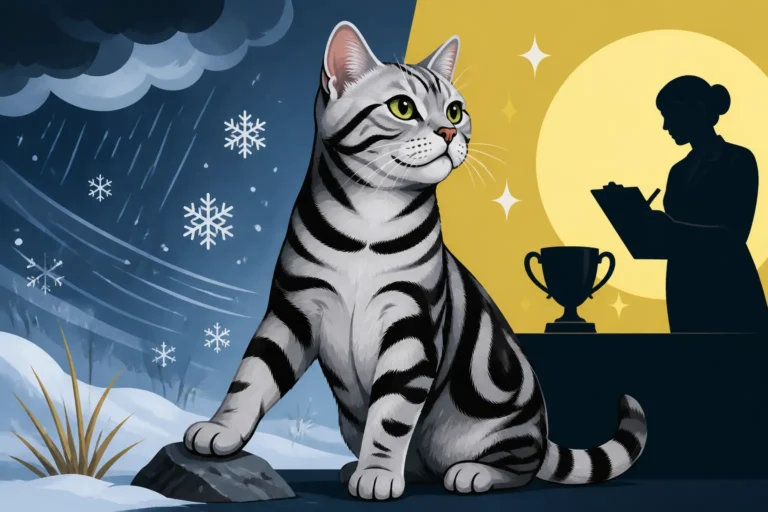
The American Shorthair boasts a dense, protective double coat that’s often described as hard or firm to the touch. This isn't your plush, soft British Shorthair type of fur; instead, it's a testament to their working-cat heritage. This robust coat served a vital purpose for their ancestors, offering insulation against the elements, from chilly ship decks to drafty barns. It's designed to repel water and dirt, making them remarkably self-sufficient when it comes to grooming. The natural oils in their fur help keep it clean, and the texture itself tends to resist tangles and mats that plague longer-haired breeds. In fact, many American Shorthair owners might go years without ever needing more than a casual brush. It’s truly a low-maintenance marvel, a far cry from breeds requiring daily de-tangling. This inherent resilience is part of The American Shorthair's Coat Was Built for Weather, Not a Judge, a characteristic that has been preserved in the breed.
Why Your American Shorthair Might Still Need a Clip
Despite their fantastic self-grooming abilities and naturally practical coats, life happens. There are absolutely times when even the most fastidious American Shorthair needs a little help, and sometimes that help comes in the form of clippers. One of the most common reasons is the dreaded mat. While relatively rare compared to long-haired breeds, mats can still form, especially in areas like behind the ears, under the armpits, or around the hindquarters. These can happen if a cat isn't feeling well and neglects grooming, or if they encounter something sticky in their environment.
Elderly cats, too, can face challenges. As our beloved felines age, they might develop arthritis or other mobility issues that make it difficult to reach and groom certain parts of their body effectively. An older cat might not be able to twist and turn as easily to lick away loose fur, leading to neglected patches and subsequent matting. When an Old American Shorthair Needs Help Grooming discusses these challenges in more detail. In these cases, clipping isn't about vanity; it's about comfort and hygiene. Imagine having a clump of fur pulling on your skin all the time – it would be incredibly uncomfortable and could even lead to skin infections. Additionally, veterinary procedures often require shaving down a small area for IV access, ultrasound, or surgery. In rare cases of severe skin conditions or very heavy, unmanageable shedding, a vet or professional groomer might recommend a full-body clip to aid treatment or alleviate discomfort. An American Shorthair Sheds Twice a Year and Asks Nothing Else primarily through seasonal changes, but health issues can alter this pattern.
Identifying the Right Clippers for Your American Shorthair's Needs
So, you've assessed the situation, and it looks like a clipper is indeed needed. But where do you even start? The pet grooming aisle, whether online or in-store, can be overwhelming with options. The key is understanding that not all clippers are created equal, and what works for a show poodle certainly won't be ideal for your sturdy American Shorthair.
Manual Clippers Versus Electric Trimmers
When it comes to removing hair, you generally have two main approaches: manual tools or electric clippers. Each has its place, and understanding their pros and cons will help you make the best choice for the specific task at hand.
Manual clippers, or more accurately, blunt-nosed grooming scissors, are excellent for very small, isolated issues. Think about a tiny mat that’s just started to form, or a bit of fur around a paw pad that needs tidying up. They are quiet, don't vibrate, and give you precise control. This can be less intimidating for a cat that’s already nervous. However, they come with a significant risk: accidentally cutting your cat’s skin. Cat skin is surprisingly thin and loose, making it easy to snip if you’re not incredibly careful. Always make sure you can get a comb or your fingers between the mat and the skin before using scissors.
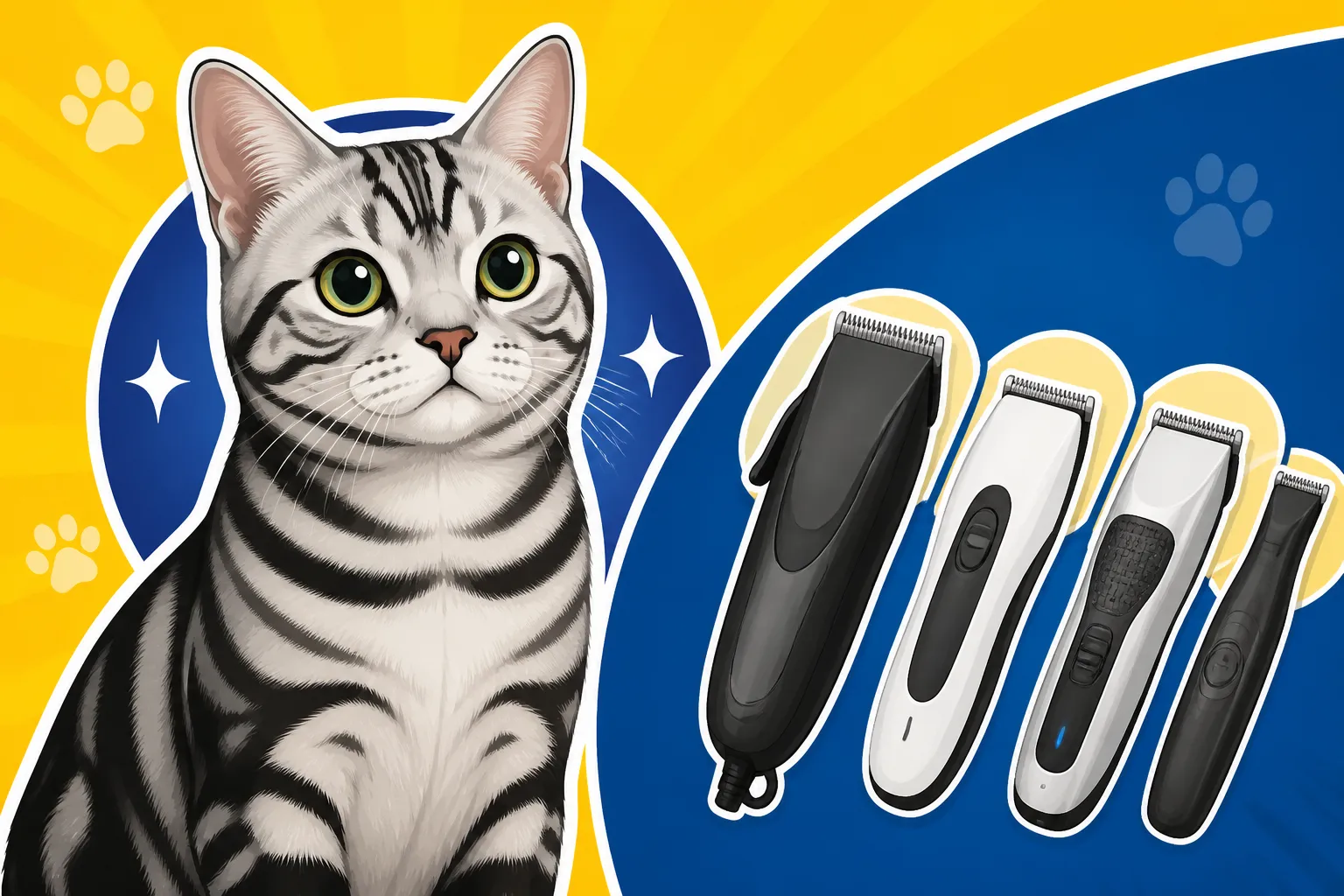
Electric trimmers, on the other hand, are the workhorses for anything beyond a tiny snip. If you're dealing with multiple mats, larger areas that need clearing (like a sanitary trim for an older cat), or a cat that simply needs more than a quick snip, electric is the way to go. They come in various sizes and power levels. Smaller, quieter battery-operated trimmers are often good for delicate areas like the face or for initial introductions to the sound and sensation. More powerful corded or robust cordless clippers are needed for dense fur or serious matting. You'll find a wide variety of these tools on reputable pet supply sites like Chewy or general online retailers like Amazon. It’s worth checking out user reviews specifically from cat owners when making a selection, as experiences can vary greatly.
Key Features to Look for in Electric Clippers
Choosing the right electric clipper involves looking beyond just the price tag. Several features directly impact how effective and safe the clipping experience will be for your American Shorthair.
First and foremost is motor strength. While American Shorthairs have short hair, it's often dense and coarse. A weak motor will snag, pull, and ultimately frustrate both you and your cat, making the experience traumatic. Look for clippers with a strong, rotary motor designed for animal grooming. Professional-grade clippers, even entry-level ones, often have more robust motors than those marketed as "basic pet trimmers."
Blade quality is another critical factor. Clippers typically come with either ceramic or stainless steel blades. Stainless steel is durable and sharp, but can heat up faster. Ceramic blades often run cooler and stay sharp longer, but can be more brittle if dropped. Regardless of material, ensure the blades are sharp and designed for pet use. Dull blades will pull hair, causing pain. Also, consider clippers that have a detachable blade system, allowing you to easily swap out blades for different tasks or if one gets hot.
Noise and vibration cannot be overstated. Cats are highly sensitive to sounds and vibrations. A loud, rumbling clipper can send even the most stoic American Shorthair into a panic. Look for clippers specifically advertised as "low noise" or "quiet." While no electric clipper is silent, some are significantly less jarring than others.
Finally, consider heat generation. Clippers can get hot during use, which can burn your cat's skin. Look for models that dissipate heat well, or be prepared to use cooling sprays and have multiple blades on hand to switch out if one gets too warm. A good pair of clippers for an American Shorthair will allow for continuous, comfortable operation without excessive heat build-up.
Understanding Blade Sizes and Guards
Once you have your clippers, understanding the various blade sizes and guards is paramount for a safe and effective clip. This isn't just about getting the right length; it's about protecting your cat's delicate skin.
Clipper blades are numbered, and it can be a bit counter-intuitive: the higher the blade number, the shorter the cut. For most general clipping on an American Shorthair, particularly if you're trying to remove mats without going completely bald, a #10 blade is a common starting point. This leaves a relatively short, uniform cut. For very sensitive areas, or if you need to go extremely short (for a surgical site, for example), a #30 or #40 blade might be used, but these should only be handled by experienced individuals or veterinarians, as they cut very close to the skin and increase the risk of nicks or clipper burn.
Guards (also known as comb attachments) are plastic or metal combs that snap onto the blade, leaving a longer length of hair. These are fantastic if you want to leave a bit more fur for protection or aesthetic reasons, or if you're nervous about cutting too close. They allow for a more forgiving and natural-looking trim. However, guards are not usually effective for removing dense mats, as the mat often won't feed through the guard teeth. In those cases, you'll need to use the bare blade underneath the mat, being extremely careful to lift the mat away from the skin first.
Always remember that your American Shorthair’s coat, even if short, provides natural protection. Avoid shaving them completely unless absolutely necessary for medical reasons. Leaving some length helps regulate their body temperature and protects their skin from sun exposure.
Here's a quick overview of clipper types and their ideal uses:
| Clipper Type | Best Use Cases | Pros | Cons |
|---|---|---|---|
| Manual Scissors | Very small mat removal, paw pad hair, sanitary trims | Quiet, precise, no power source needed, good for small touch-ups | High risk of cutting skin, not for large areas or severe mats, cat must be still |
| Small Trimmers | Facial hair, delicate areas, light matting | Quieter than full clippers, lightweight, easy to handle | Less powerful, not for dense coats or severe matting, may overheat |
| Cordless Clippers | General body clipping, mats, travel grooming | Portable, no cord to tangle, good for nervous cats (less noise) | Battery life limits use, may be less powerful than corded, can be pricey |
| Corded Clippers | Heavy-duty mat removal, full body clips (rarely needed) | Consistent power, often more durable, good for thick or matted coats | Cord can be cumbersome, potentially louder, cat must tolerate sound and vibration |
Practical Tips for Clipping Your American Shorthair
Now that you have the right tools, it’s time to actually put them to use. Clipping a cat, especially one that isn't thrilled about it, requires patience, preparation, and a calm demeanor. Remember, your American Shorthair is usually quite stoic, but that doesn't mean they don't get stressed.
Preparing Your Cat and Your Workspace
Preparation is half the battle when it comes to grooming. First, choose a time when your cat is relaxed, perhaps after a meal or a good play session. Avoid times when they're overly energetic or agitated. A quiet environment is key; turn off the TV, silence your phone, and make sure there are no other pets or rambunctious children around. A calm, secure space helps immensely. Consider using a feline-friendly pheromone spray in the area beforehand to help reduce stress.
Gather all your tools before you even bring your cat into the room. This includes your chosen clippers, various blades and guards, a sturdy comb, blunt-nosed scissors (for those tiny, initial snips if needed), styptic powder (just in case of a tiny nick, accidents happen even to pros), and plenty of high-value treats. Have a non-slip surface for your cat to stand on, such as a rubber mat on a table. This prevents them from sliding and feeling insecure, which can make them more anxious. Ensure your cat is as clean and dry as possible, especially if you're dealing with anything greasy or sticky. Dirt and debris can dull blades and make the clipping process harder.
Remember, your American Shorthair might be a "patrol-minded" cat, meaning they're used to assessing their environment and having control. Being restrained or put in an unfamiliar situation can be unsettling. Starting with a calm demeanor and a well-prepared space will go a long way in making the experience as smooth as possible. How to Get a Patrol Minded American Shorthair Into a Carrier offers insights into handling these independent cats, which can be adapted to grooming situations.
Safe and Effective Clipping Techniques
The actual clipping process requires a steady hand and constant vigilance. Always start slowly. If your cat is new to clippers, just turn them on near your cat for a few seconds, offer a treat, and turn them off. Repeat this over several sessions to desensitize them to the noise and vibration. When you're ready to clip, begin in a less sensitive area, like the back or flanks, where the skin is less delicate.
When clipping, always hold the skin taut with your non-dominant hand. This flattens the skin, separating it from the fur, which significantly reduces the risk of nicks and cuts. For general tidying, you can clip with the direction of hair growth for a slightly longer, softer look. If you need to remove a mat or get a closer shave, you'll generally clip against the direction of growth, but always with extreme caution.
Be extra, extra careful around delicate areas: the armpits, groin, belly, and behind the ears. The skin in these spots is very thin and loose. For mats, try to lift the mat away from the skin with your fingers or a comb, and then slide the clipper blade underneath, working slowly. Never pull or yank at mats, as this will only cause pain and distress.
Periodically check the clipper blades for heat. If they feel hot to your touch, stop immediately, apply a cooling spray, or switch to a fresh, cool blade. A hot blade can cause clipper burn, which is painful and can lead to skin irritation. Watch your cat's body language closely. Signs of stress include a tense body, flattened ears, dilated pupils, tail flicking, or growling. If your cat shows significant signs of distress, stop the session and try again later or seek professional help. Remember, short, positive sessions are far better than one long, traumatic one.
Aftercare and Ongoing Coat Health
Once the clipping is done, the work isn't quite over. First, shower your American Shorthair with praise and their favorite treats. Make the end of the session a positive experience. Gently brush away any loose hairs that might be clinging to their coat. A warm, damp cloth can also help remove stray clippings.
The most important aspect of aftercare, however, is addressing why the clipping was necessary in the first place. If it was due to matting, establish a regular brushing routine, even if your American Shorthair usually doesn't need much. Even a How Little Combing an American Shorthair Actually Needs can make a difference in preventing future issues. A weekly session with a soft brush or rubber curry comb can help remove loose undercoat and stimulate skin oils.
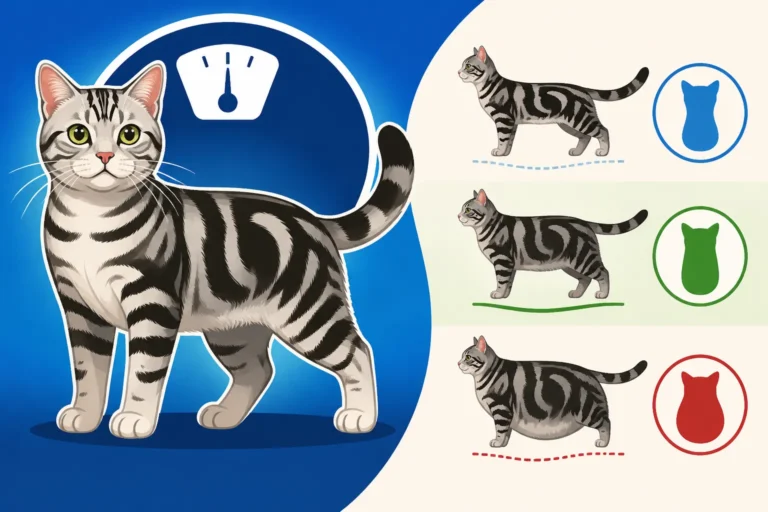
If the matting was due to mobility issues, especially common in older or heavier cats, consult your vet. They might recommend joint supplements, pain management, or a weight loss plan. Why an Overweight American Shorthair Cannot Reach Its Back is a common reason for grooming neglect, and addressing weight can dramatically improve their ability to self-groom. If you find home clipping too stressful for either you or your cat, or if you're dealing with severe matting, don't hesitate to consider professional groomers.
When to Call a Professional Groomer or Your Vet
Sometimes, despite your best intentions and the right tools, clipping your American Shorthair is a job best left to the experts. Knowing when to step back and call for professional help isn't a sign of failure; it's a sign of responsible pet ownership.
Recognizing Limits and Severe Matting
There are situations where attempting to clip at home can do more harm than good. If your cat has severe, widespread matting, especially if the mats are very tight against the skin, this is definitely a job for a professional. These types of mats can hide skin infections, wounds, or even parasites underneath. Trying to clip them yourself carries a high risk of lacerating the skin, which can be extremely painful and lead to serious infection. Cat skin is very delicate, and a mat pulls it taut, making it incredibly easy to cut.
Another clear sign to call a pro is if your American Shorthair becomes overly anxious, aggressive, or panics during the grooming attempt. While their stoic nature usually means they handle things well, every cat has a limit. Pushing a stressed cat can result in bites or scratches to you, injury to the cat, or a breakdown of trust that makes future necessary grooming even harder. A professional groomer has experience handling difficult cats, specialized restraint techniques, and often a dedicated facility designed for animal safety. They also have a range of industrial-strength clippers and blades specifically designed to glide through dense or matted fur more efficiently and safely.
Medical Reasons for Clipping and Vet Assistance
Beyond general grooming, medical conditions are frequently why cats need to be clipped. If your American Shorthair has a skin condition that requires topical treatment, a wound that needs to be cleaned and dressed, or is undergoing surgery, your veterinarian will likely need to shave the affected area. This ensures sterility and allows for proper examination and treatment.
Older cats who are struggling to groom themselves due to arthritis, vision impairment, or other age-related issues are also prime candidates for vet-assisted clipping. They might not just have mats, but also fecal matter caught in their fur around the hindquarters, leading to hygiene issues and skin irritation. When an Old American Shorthair Needs Help Grooming highlights these common challenges. In cases of severe discomfort or uncooperative behavior, a veterinarian can often provide light sedation to make the clipping process stress-free and humane for the cat. This is a far safer option than trying to force a frightened or painful cat to endure a stressful clip at home. Your vet can also assess any underlying health conditions that might be contributing to poor coat quality or matting.
The Benefits of Professional Grooming Services
Choosing to use a professional groomer or your veterinarian for clipping your American Shorthair offers numerous benefits. Firstly, you get access to their expertise. Professional groomers are trained in handling various cat temperaments, understanding different coat types, and using specialized equipment safely. They know how to identify skin abnormalities, parasites, or potential health issues that might be hidden beneath a matted coat.
Secondly, they have the right tools and environment. A professional setup includes high-quality clippers with various blades, grooming tables with secure restraints, and often sound-dampening measures to minimize stress. They are also equipped with emergency supplies should an accidental nick occur. This ensures a much safer and more efficient experience than you might achieve at home.
Finally, and perhaps most importantly, using a professional can significantly reduce stress for both you and your cat. Attempting to clip a resistant cat can be emotionally draining and physically risky for owners. Handing the job over to an experienced professional means your cat gets the care they need in a calm, controlled environment, and you get peace of mind knowing they’re in capable hands. While there is a cost associated with professional grooming, weigh it against the potential for injury, stress, and the sheer frustration of trying to do a difficult job yourself. It’s often a worthwhile investment in your cat’s comfort and your own sanity.
Disclaimer
This article is for general informational purposes only and does not constitute professional advice. Laws, prices and regulations vary by location and change over time. Consult a qualified professional for guidance on your specific situation.