When an Old American Shorthair Needs Help Grooming
It's truly heartbreaking to watch our beloved American Shorthairs, once so independent and fastidious, start to struggle with the simple act of keeping themselves clean as they age. They’ve always been the picture of self-sufficiency, with their naturally easy-care coats, so when you start noticing their fur looks a little less pristine, or you spot mats forming, it can be a real moment of worry. This comprehensive guide is here to walk you through exactly when and how to lend a helping paw, ensuring your senior American Shorthair remains comfortable and well-groomed.
Recognizing the Signs Your Senior American Shorthair Needs Grooming Assistance
American Shorthairs are typically stoic creatures, a trait inherited from their working cat ancestors. They're not often ones to complain, which means you need to be a keen observer to catch the subtle cues that indicate they're having trouble maintaining their self-grooming routine. Ignoring these signs isn't an option, as a neglected coat can lead to painful matting, skin infections, and a general decline in their quality of life. It’s about more than just aesthetics; it’s about their comfort and health.
It's easy to assume that because their coat is short and dense, it will always take care of itself. But as they enter their golden years, many factors can chip away at their ability to twist, reach, and meticulously lick every inch of their body. What might start as a few stray hairs out of place can quickly escalate, especially in areas they find hard to reach. Being proactive and understanding these early warnings can make all the difference in providing timely and gentle support.
Changes in Coat Appearance and Texture
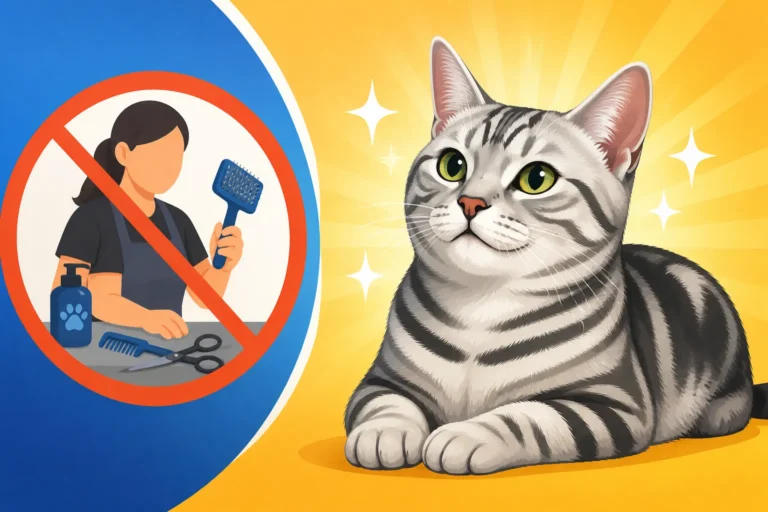
One of the first things you might notice is a dullness to their once lustrous coat. That characteristic hard, dense texture of an American Shorthair's fur might become rougher, or even greasy in places. This isn't just a cosmetic issue; it's a direct indicator that they're not spreading their natural skin oils effectively, which is what regular licking achieves. The coat can lose its natural sheen, appearing lifeless and unkempt, a stark contrast to their younger, vibrant selves.
You might also start seeing flakes of dander, or even small clumps of shed hair caught in their fur, rather than neatly removed. This is particularly common along their back, hindquarters, and around the base of their tail – all those spots that require a certain degree of flexibility and effort to reach. For a breed known for its robust health and low-maintenance grooming, these changes are significant flags. They tell us that the natural process their coat once managed so easily is now becoming a struggle. Sometimes, you might even detect a faint, stale odor that wasn't there before, another sign of inadequate self-cleaning.
Physical Indicators of Grooming Difficulty
Beyond the coat itself, your senior American Shorthair might display physical signs that point to their grooming struggles. Perhaps they are less inclined to stretch or arch their back when they wake up, or they spend less time overall in the classic contorted positions cats adopt for thorough grooming. You might see them attempting to groom, only to give up quickly or focus predominantly on areas they can still comfortably reach, like their front paws or chest, leaving other parts untouched. This could be a sign of discomfort, possibly arthritis, making those twists and turns painful. How an Old American Shorthair Shows Its Joints Hurt discusses these symptoms in more detail.
Another telling sign is the presence of actual mats, particularly behind the ears, under the armpits, or on their belly. While American Shorthairs aren't typically prone to severe matting like long-haired breeds, an aging cat with decreased flexibility and a reduced grooming drive can certainly develop them. These mats can pull on their skin, causing pain and even open sores if left unattended. If you notice your cat reacting defensively when you try to touch these areas, it's a strong indication of discomfort, and a clear signal that they need your help.
Common Grooming Challenges for Aging American Shorthairs
As our American Shorthair companions age, their bodies naturally undergo changes that can make self-grooming increasingly difficult. It’s not about laziness; it’s about physical limitations that they can’t overcome on their own. Understanding these underlying challenges is crucial to providing compassionate and effective support. It allows us to approach grooming not as a chore, but as an essential part of their senior care, tailoring our assistance to their specific needs.
These issues are often interconnected. A cat with joint pain might also gain weight due to reduced activity, which further exacerbates their inability to reach. Similarly, dental pain can make them reluctant to groom, leading to a host of other problems. It's a cascade effect that requires a holistic approach, often starting with a visit to your veterinarian to rule out or manage any underlying health conditions. Caring for an American Shorthair Past Twelve touches on many aspects of senior cat care.
Mobility and Flexibility Limitations
Arthritis is an incredibly common ailment in senior cats, and it's a huge culprit behind neglected grooming. Imagine trying to bend and twist your body into complex positions if every movement sends a twinge of pain through your joints. That's what many older American Shorthairs experience. Their once agile spines and hips, honed for hunting and jumping, become stiff and sore. This makes it challenging to reach their hindquarters, the base of their tail, or even their lower back and belly. You might notice them struggling to get into a squatting position for licking, or simply giving up altogether after a few attempts. Why an Old American Shorthair Stops Reaching Its Back delves into this specific issue.
This reduced mobility isn't just about pain; it's also about a decrease in their overall range of motion. They simply can't contort themselves in the ways they used to. This means that areas that were once easy to clean become inaccessible, leading to a build-up of dander, shed hair, and sometimes even debris. Their strong, muscular build, which served them so well in their youth, can actually become a hindrance when combined with stiff joints, making those crucial stretches for grooming simply impossible.
Dental Health and Mouth Pain
Another silent struggle that directly impacts grooming is dental disease. Many older American Shorthairs suffer from painful issues like gingivitis, periodontal disease, or even tooth resorption. When their mouth is sore, the thought of repeatedly licking their fur can be agony. The constant friction of their tongue against sensitive gums or teeth can deter them from engaging in their usual meticulous cleaning routine. This is particularly true for serious conditions; a small ache can become a debilitating pain that stops them in their tracks. Why Gum Disease Is the American Shorthair's Quietest Problem explains how prevalent and insidious this issue can be.
Cats are masters at hiding pain, so you might not see obvious signs like drooling or refusing food until the problem is quite advanced. However, a reluctance to groom, especially around the face and neck, can be a subtle indicator of oral discomfort. If your senior cat is suddenly hesitant to use their tongue for anything other than eating (and sometimes even eating becomes difficult), a dental check-up with your vet is definitely in order. Addressing their dental pain can often bring about a remarkable improvement in their willingness to groom themselves.
Weight and Body Condition Challenges
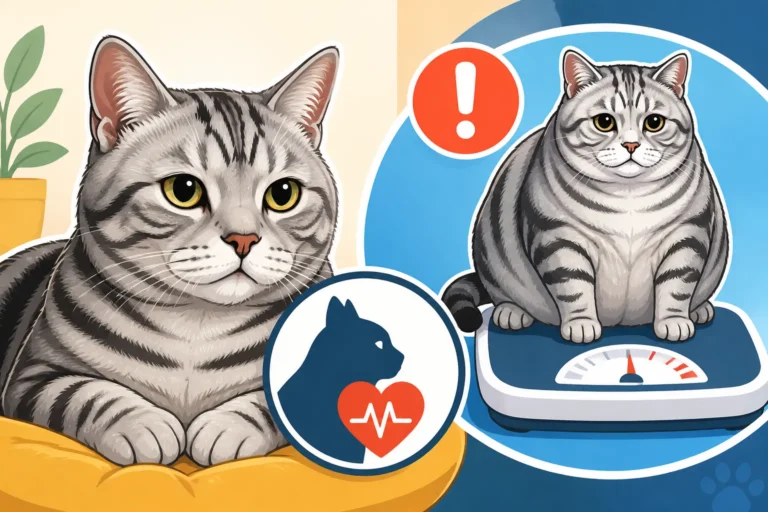
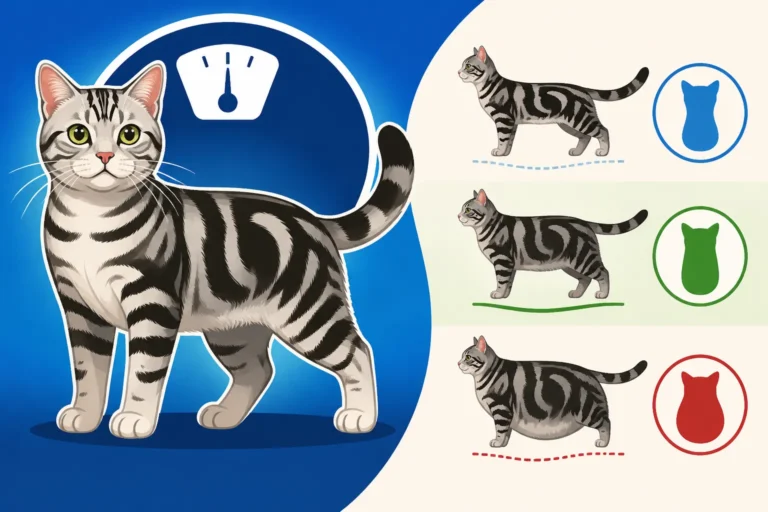
Just like humans, many American Shorthairs tend to gain weight as they age, especially if their activity levels decrease and their diet isn't adjusted. This extra weight, particularly around the belly and flanks, can create a physical barrier, making it virtually impossible for them to reach certain areas of their body with their tongue. Why an Overweight American Shorthair Cannot Reach Its Back highlights this common problem. That once athletic, square build can become wider, impeding those crucial contortions.
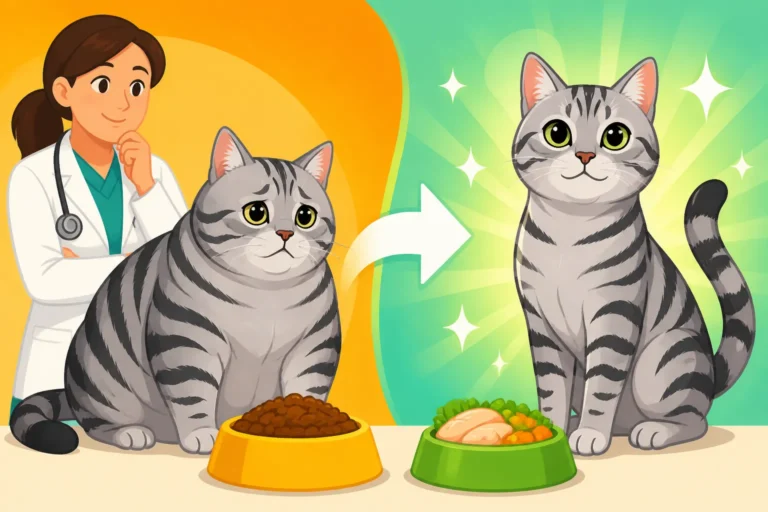
An overweight cat might try to groom but find their abdomen simply gets in the way, preventing them from bending enough to access their lower back or hindquarters. This leaves large sections of their coat unkempt, prone to matting, and can exacerbate skin issues if moisture or debris gets trapped. Managing their weight through a proper diet and appropriate activity can go a long way in helping them regain some grooming independence. Your vet can help you determine What an American Shorthair Should Weigh at Its Frame and develop a plan.
Practical Steps to Assist Your Older American Shorthair's Grooming
Once you've identified that your senior American Shorthair needs a little help, the next step is to actually provide that assistance in a way that is comfortable and stress-free for them. Remember, patience and a gentle approach are key. They might be sensitive or even a little grumpy, so forcing the issue will only make things worse. Think of it as a bonding experience, a gentle massage, rather than a demanding task. Consistency over intensity is always the best policy when grooming an older cat.
Start with short sessions, perhaps just a few minutes at a time, and gradually increase the duration as your cat becomes more accustomed to your touch. Always end on a positive note, even if you only managed to brush a small patch of fur. Positive reinforcement, like a favorite treat or a gentle petting session afterwards, can help create a positive association with grooming time. This isn't just about cleaning their coat; it's about maintaining their comfort and strengthening your bond.
Gentle Brushing and Dematting Techniques
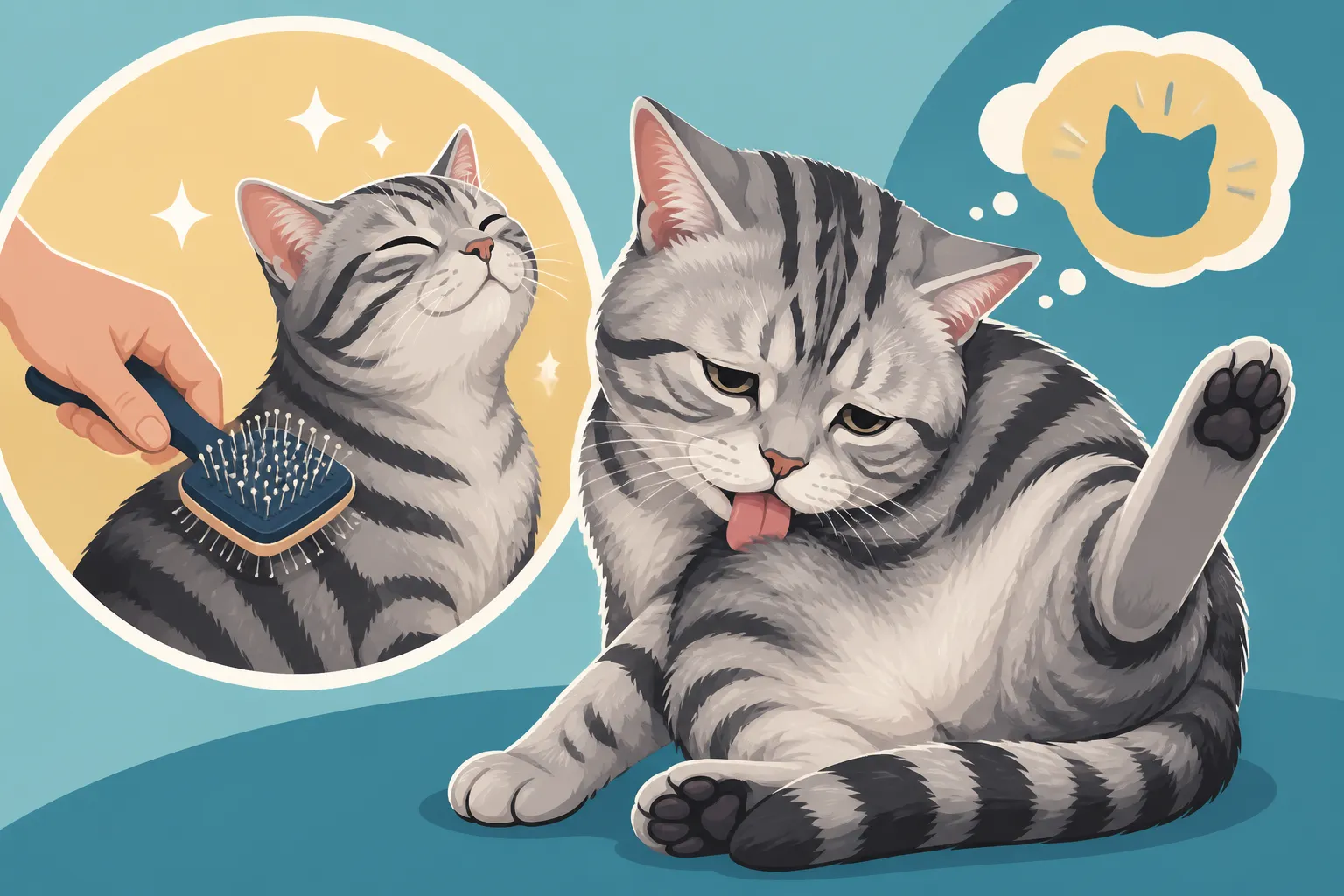
Regular, gentle brushing is perhaps the most effective way to help your senior American Shorthair maintain a healthy coat. For their dense, short fur, a rubber curry brush or a soft slicker brush can work wonders. Start by using very light pressure, particularly if you suspect joint pain. Focus on areas they can't reach, like their back, hindquarters, and belly. If you find a small mat, don't pull at it. Instead, try to gently tease it apart with your fingers, or use a wide-toothed comb to work from the outside in, holding the base of the mat to prevent pulling on their skin.
For tougher mats, a deshedding tool might be helpful, but use it sparingly and with extreme caution, as the blades can cut delicate senior skin. If a mat is too tight or large, it's always better to consult your vet or a professional groomer who can safely shave it out without causing pain or injury. Remember, the goal is comfort, not a show-ring finish. Brushing also stimulates blood circulation and helps distribute natural oils, keeping their skin and coat healthier. When an Old American Shorthair Needs Combing Help offers more specific advice on this.
Spot Cleaning and Hygiene Support
Sometimes, grooming issues go beyond just dull fur and mats. Older cats can sometimes have accidents in the litter box, or struggle to clean themselves properly after using it, especially if they have conditions like diarrhea or joint pain. This is where targeted spot cleaning becomes essential. Keep a supply of pet-safe grooming wipes or a damp, warm washcloth handy. Gently clean any soiled areas, particularly around their hindquarters, ensuring you don't rub too vigorously, which could irritate their skin.
For a really dirty patch, a quick, localized bath with a cat-friendly shampoo might be necessary. Focus only on the soiled area and rinse thoroughly. Always ensure your cat is kept warm during and after any cleaning, as older cats can be more susceptible to chills. These spot cleanings are crucial for preventing skin infections and keeping your cat comfortable and odor-free. It's often easier to manage small messes as they happen rather than waiting for a larger problem to develop.
Addressing Claws and Paws
While not strictly about their coat, maintaining your senior American Shorthair's claws and paws is another often-overlooked aspect of grooming assistance. As they become less active, their claws might not wear down naturally, leading to overgrowth. Overgrown claws can curl and dig into their paw pads, causing pain, infection, and making walking uncomfortable. This discomfort can further deter them from moving around, exacerbating other age-related issues. How Often an American Shorthair's Paws Should Be Checked explains why regular checks are vital.
You'll want to regularly check their paws for any overgrown claws, redness, or tenderness. Gently trim just the tip of each claw, avoiding the quick (the pink part inside the claw that contains blood vessels and nerves). If you're unsure or nervous, your vet or a vet tech can demonstrate the proper technique or even perform the trimming for you. Don't forget to check between their paw pads for any trapped litter, debris, or mats, which can also cause significant discomfort.
Tools and Products to Make Senior Grooming Easier
Having the right tools can make a world of difference when it comes to grooming your senior American Shorthair. It’s not about having a professional setup, but rather selecting items that are gentle, effective, and designed with your cat’s comfort in mind. Investing in a few key pieces can transform grooming from a dreaded ordeal into a manageable, even pleasant, routine for both of you.
Remember that what works for one cat might not work for another, so be prepared to experiment a little. Prioritize tools that minimize discomfort and stress. Many of these items can be easily found at your local pet supply store or online retailers.
Essential Grooming Tools for Seniors
For brushing, I highly recommend a soft-bristled brush or a rubber curry brush. These are gentle on sensitive skin and help to stimulate circulation without pulling. A fine-toothed metal comb can be excellent for gently removing loose undercoat and teasing out small tangles, but always use it with extreme care. You might also consider a pair of blunt-nosed scissors if you need to carefully cut out a very small, stubborn mat, but again, caution is paramount. If you're looking for a good selection, you can often find a wide variety of grooming tools on platforms like Chewy or Amazon.
For spot cleaning, keep a good supply of unscented, pet-safe grooming wipes. These are incredibly convenient for quick clean-ups of soiled areas or wiping away dander. For claws, invest in a sharp pair of cat-specific nail clippers. Dull clippers can crush the claw, causing pain. If your cat tends to resist nail trims, consider a scratching post that they genuinely enjoy using, even if it's just to help keep the tips dulled. Which Comb Suits an American Shorthair's Hard Coat might give you ideas for specific brush types.
Creating a Comfortable Grooming Environment
The environment where you groom your senior American Shorthair is almost as important as the tools you use. Choose a quiet, warm, and familiar spot where your cat feels safe and secure. A soft towel or a comfortable mat on a stable surface can help them feel more at ease. Some cats prefer to be groomed while sitting on their owner's lap or a comfortable bed, as long as it gives you easy access to their fur.
Consider a raised surface if it makes it easier for you to reach them without straining your back, but ensure it's stable and your cat can easily get on and off it. If your cat has joint pain, a warm towel or even a gentle heating pad (on a low setting, with supervision) underneath them for a few minutes before grooming can help relax their muscles. Offering a high-value treat, perhaps a lickable salmon puree or a small portion of a tasty wet food, during or immediately after grooming can help reinforce a positive experience. Remember, a calm cat is a cooperative cat, and creating a serene atmosphere can make all the difference.
Disclaimer
This article is for general informational purposes only and does not constitute professional advice. Laws, prices and regulations vary by location and change over time. Consult a qualified professional for guidance on your specific situation.