Whether an American Shorthair Gets Feline Acne
It's frustrating when you spot what looks like little flecks of dirt on your beloved American Shorthair's chin, only to find they don't brush off. You try to wipe them, maybe even give a gentle scrub, and they just… stay. It makes you wonder, "Is my cat just messy, or is something else going on?" This common occurrence often turns out to be feline acne, a condition that can be easily mistaken for everyday grime but can become quite uncomfortable if left unaddressed. This guide will walk you through understanding, identifying, and managing feline acne in your stoic and wonderful American Shorthair.
What Feline Acne Actually Looks Like on an American Shorthair
Feline acne isn't some rare, exotic ailment; it's surprisingly common, and many cat owners overlook it in its early stages. On an American Shorthair, whose coat is typically dense and can camouflage a lot, it can be particularly subtle until it becomes more advanced. Knowing what to look for and how it progresses can save your cat a lot of potential discomfort.
Spotting the Early Signs: More Than Just a Dirty Chin
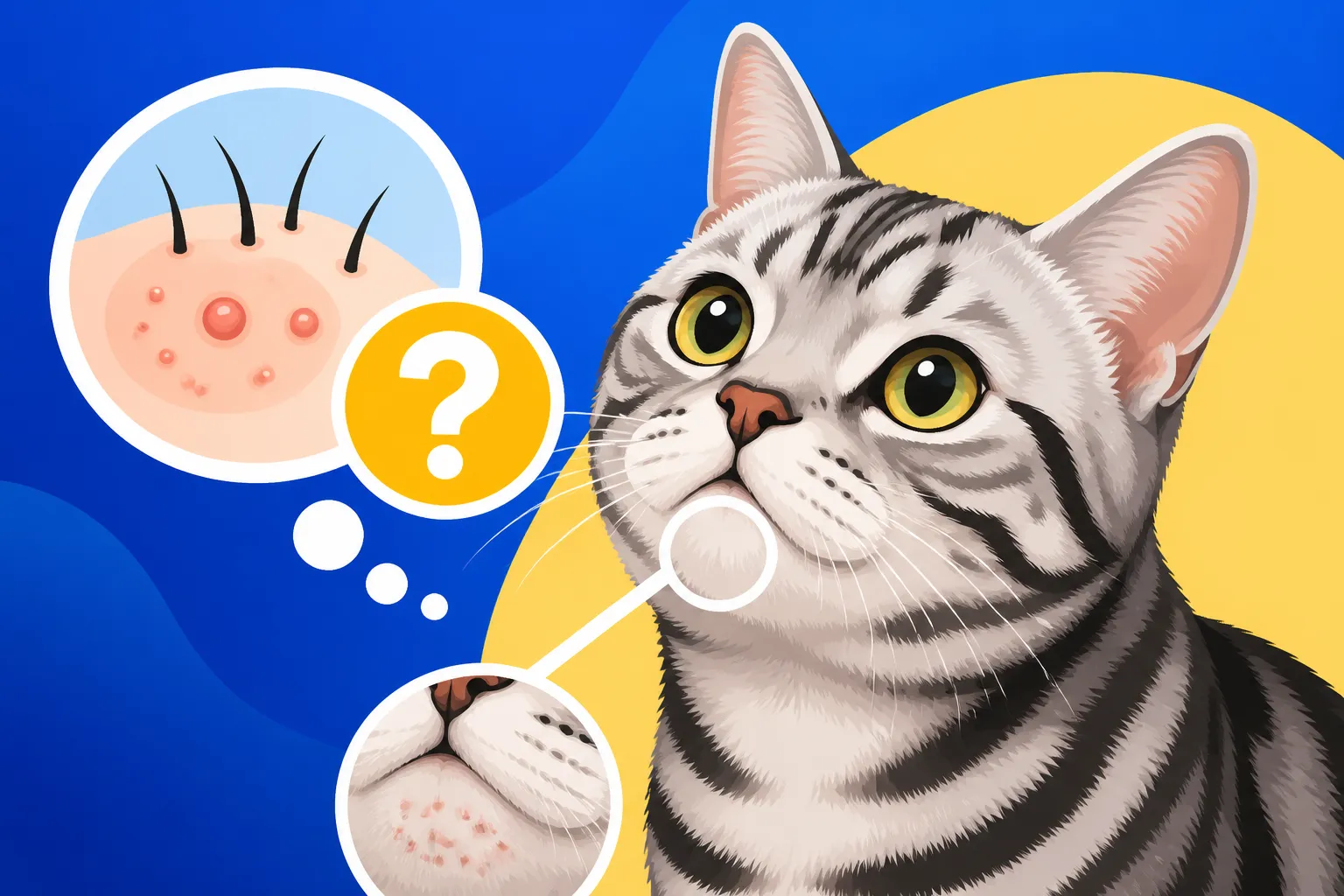
When feline acne first appears, it usually manifests as tiny black dots. Think of them like tiny blackheads or specks of ground pepper, or even coffee grounds, embedded in the fur around your cat's chin and sometimes the lower lip. They often sit close to the skin, which is why they're so hard to wipe away. Many owners initially assume their cat just got into something messy, perhaps from eating or exploring a dusty corner. You might try to clean it off with a damp cloth, only to realize these aren't superficial stains. The skin underneath might appear slightly red or irritated, but often, the black spots are the first and most obvious sign.
This initial stage can be easily dismissed, especially with an American Shorthair's independent and often undemanding nature. They might not complain much, so you don't realize there's an actual skin issue festering. It's not usually painful at this point, but it's the start of something that could become bothersome. It’s important to remember that these aren't just cosmetic blemishes; they're clogged hair follicles, and without intervention, they can become inflamed or infected.
When it Progresses: Bumps, Swelling, and Discomfort
If left untreated, feline acne can progress from simple blackheads to a more serious condition. Those tiny black specks can turn into visible pimples, which might be red and slightly swollen. You might even see pustules, which are small, pus-filled bumps. At this stage, the area around the chin can become visibly inflamed and swollen. This isn't just uncomfortable; it can be downright painful for your cat. An American Shorthair, known for its strong, robust build and stoic demeanor, might try to hide this discomfort, making it harder to spot. However, you might notice subtle changes.
Your cat might start rubbing its chin excessively against furniture, carpets, or even your leg, trying to relieve the itching or tenderness. Eating might become painful, and they might show reluctance when you try to touch their chin. In severe cases, secondary bacterial infections can develop, leading to crusting, oozing, and even hair loss in the affected area. This is when a trip to the vet becomes absolutely essential. The skin can become quite thickened and scarred if chronic, severe acne isn't properly managed. It's a testament to how tough these cats are that they'll often endure quite a bit before truly showing signs of distress.
Why an American Shorthair Might Develop Feline Acne
Understanding the root causes of feline acne is key to both treating and preventing it. While it might seem random, there are often specific environmental or internal factors at play. The good news is that many of these factors are within your control as an owner.
The Usual Suspects: Plastic Bowls and Poor Grooming
One of the most common culprits behind feline acne is something nearly every cat owner uses: plastic food and water bowls. Plastic can be porous, meaning it harbors bacteria, yeast, and food particles even after washing. Over time, these microscopic irritants can build up and irritate your cat's chin when they eat or drink, leading to clogged pores and inflammation. If you've ever felt that slight film on a plastic container that's been through the dishwasher a few times, imagine that constantly rubbing against your cat's delicate chin skin. It's a perfect storm for acne development.
Beyond the material, the cleanliness of the bowls plays a huge role. Even if they're not plastic, bowls left unwashed for too long can become breeding grounds for bacteria. Your American Shorthair might be the cleanest cat around, but if their dining dishes are less than pristine, their chin pays the price.
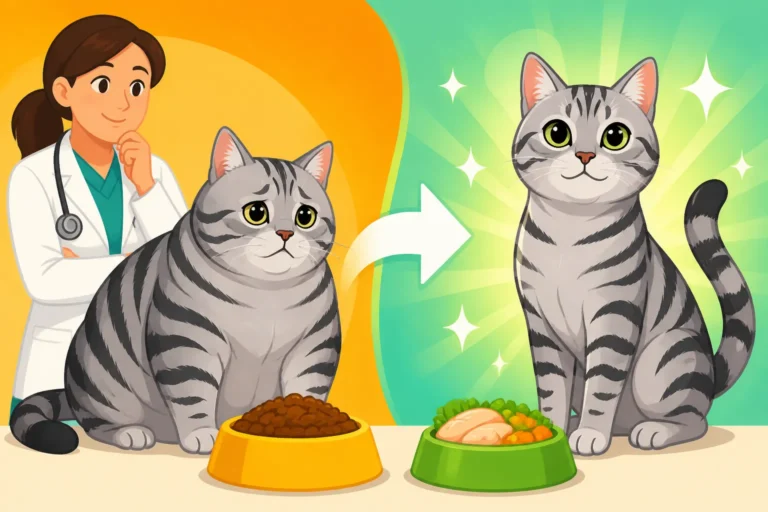
Another contributing factor can be grooming habits, or rather, a temporary lapse in them. While American Shorthairs are generally fastidious groomers and their The American Shorthair's Coat Was Built for Weather, Not a Judge means they typically don't have issues like matting, some individual cats might struggle to adequately clean their chins. This is especially true for older cats or those who have gained a little extra weight, making it harder to reach certain spots. A cat that's Why an Overweight American Shorthair Cannot Reach Its Back might not be able to groom its chin effectively, allowing sebum and debris to accumulate. Sometimes, food residue can cling to the fur around the chin, further contributing to the problem.
Underlying Factors: Stress, Hormones, and Genetics
While environmental factors are often the most straightforward to address, sometimes feline acne has deeper roots. Stress, for instance, can manifest in many ways in a cat, and skin issues are certainly one of them. A change in routine, a new pet, moving to a different home, or even construction noise can cause stress that impacts your American Shorthair's overall health, including their skin barrier function and immune response. A stressed cat might produce more sebum, leading to clogged pores, or their immune system might be slightly compromised, making them more susceptible to skin inflammation. For a breed known for its calm and adaptable nature, even subtle stressors can sometimes tip the balance.
Hormonal imbalances can also play a role, though this is less commonly the primary cause and more frequently seen in conjunction with other issues. Just like in humans, hormones can influence oil production in the skin. Young cats going through puberty might experience temporary flare-ups, but persistent hormonal problems would typically be investigated by a vet.
Finally, while American Shorthairs are celebrated for their robust health, sometimes a genetic predisposition can make certain individuals more prone to skin conditions like acne. The breed's history as a working cat, largely developed through natural selection rather than extreme selective breeding, has resulted in a remarkably healthy gene pool. Indeed, The American Shorthair Is the Control Group of Cat Breeding due to its lack of significant inherited diseases. However, no breed is entirely immune to individual variations or minor predispositions. It's not a "designer defect" in the way some breeds might have, but rather a slight tendency in some lines to produce more sebum or have more sensitive skin. If your American Shorthair experiences recurring or severe acne despite your best efforts, genetics could be a subtle underlying factor that makes them more susceptible.
Practical Steps to Manage and Prevent Feline Acne in Your American Shorthair
Dealing with feline acne might seem daunting at first, but with a few practical adjustments and consistent care, you can often keep it under control. The goal is to reduce irritation, prevent bacterial buildup, and keep those hair follicles clear.
Environmental Adjustments: Bowls, Cleanliness, and Routine
The first and often most impactful step is to address your cat's food and water bowls. If you're currently using plastic, it's time for an upgrade. Stainless steel or ceramic bowls are non-porous, much easier to keep truly clean, and far less likely to harbor bacteria or leach irritating chemicals. You can find excellent, durable options at retailers like Chewy or through online marketplaces like Amazon.
Comparison of Bowl Materials for Feline Acne Prevention
| Feature | Plastic Bowls | Ceramic Bowls | Stainless Steel Bowls |
|---|---|---|---|
| Porous Nature | Highly porous, traps bacteria & food residue | Non-porous, easy to clean | Non-porous, very hygienic |
| Durability | Can scratch easily, degrades over time | Durable, but can chip or break if dropped | Highly durable, rust-resistant |
| Cleaning Ease | Difficult to sanitize fully | Easy to wash, dishwasher safe | Very easy to wash, dishwasher safe |
| Chemical Leaching | Potential for chemicals to leach into food | Generally safe, food-grade glazes important | Inert, no leaching concerns |
| Cost | Often the cheapest upfront | Mid-range | Often higher upfront, but long-lasting value |
| Irritation Risk | High, due to bacteria and potential chemicals | Low, if properly cleaned | Very low |
Beyond the material, daily washing is non-negotiable. Treat your cat's bowls like your own dinner plates – would you eat off a plate that hasn't been washed since yesterday? Running them through the dishwasher or scrubbing them thoroughly with hot, soapy water every single day will make a significant difference.
Consider the height of the bowls, too. For a robust American Shorthair, an elevated feeder might help reduce the amount their chin comes into contact with the bowl, especially if they're a bit messy when they eat. This can also aid in digestion and make eating more comfortable for larger or older cats.
Lastly, maintaining a consistent daily routine can help minimize stress, which, as we discussed, can be an underlying factor in skin issues. Predictable meal times, regular play sessions, and a stable environment contribute to your American Shorthair's overall well-being, indirectly supporting healthy skin. A cat that's happy and secure is generally healthier all around.
At-Home Care and When to See the Vet
Once you've made environmental adjustments, targeted at-home care can help clear up existing acne and prevent future flare-ups. The key is gentle, consistent cleaning. Your vet might recommend a mild antiseptic solution, such as diluted chlorhexidine or witch hazel pads, specifically formulated for pets. You can often find these at pet stores or online at places like Chewy or Amazon.
To clean, gently dab the affected area on the chin with a soaked cotton ball or pad once or twice a day. The goal is to loosen debris and reduce bacteria, not to scrub harshly. Excessive rubbing can further irritate the skin. You can also apply warm compresses to the chin for a few minutes daily. The warmth helps to open up clogged pores and can be soothing. Just be sure the compress isn't too hot and that your cat tolerates it well – an American Shorthair might be patient, but nobody likes scalding water.
It's absolutely crucial to resist the urge to pick or squeeze the blackheads or pimples. This can introduce more bacteria, push the infection deeper, and lead to more severe inflammation, pain, or even scarring. Patience and gentle care are your best allies here.
So, when is it time to involve the professionals? If the acne doesn't improve with at-home care, or if it worsens to include significant swelling, redness, pain, pus, crusting, or hair loss, it's time to schedule a vet visit. A veterinarian can accurately diagnose the condition, rule out other skin issues, and prescribe appropriate treatments. These might include prescription topical medications (like special washes or ointments), oral antibiotics for secondary bacterial infections, or anti-inflammatory drugs if the swelling and discomfort are severe. They can also explore potential underlying causes that might require more specific intervention. Regular check-ups, even for a healthy cat, are vital, and it’s a good idea to discuss any persistent concerns during How Regularly a Healthy American Shorthair Still Needs Checking.
Dietary Considerations and Supplements
While diet isn't always the direct cause of feline acne, it can certainly play a supportive role in overall skin health. Some cats have sensitivities or allergies to certain ingredients in their food, which can manifest as skin issues, including acne. If you suspect a food allergy, your vet might recommend a food elimination trial, switching to a limited ingredient diet, or trying a novel protein source to see if symptoms improve. You can find specialized diets and prescription foods designed for sensitive skin or allergies at pet supply retailers like Chewy or through your vet.
Ensuring your American Shorthair is well-hydrated is also important for skin health and overall well-being. Make sure fresh, clean water is always available. An American Shorthair might enjoy a water fountain, which can encourage them to drink more. Consider reading How Much Water an American Shorthair Should Drink for more tips.
Beyond prescription diets, certain nutritional supplements can support healthy skin and coat. Omega-3 and Omega-6 fatty acids, often found in fish oil supplements, are known for their anti-inflammatory properties and can promote a healthy skin barrier. Many pet retailers carry a variety of reputable omega supplement options. However, always consult your veterinarian before adding any supplements to your cat's diet to ensure they are appropriate for your cat's specific needs and won't interfere with other medications or health conditions. They can advise on the correct dosage and ensure the product is safe and effective for your American Shorthair.
Disclaimer
This article is for general informational purposes only and does not constitute professional advice. Laws, prices and regulations vary by location and change over time. Consult a qualified professional for guidance on your specific situation.