Whether a Tabby Pattern Sharpens as the Cat Matures
It's a common observation, and a beautiful one, to watch a fluffy American Shorthair kitten grow into its regal adult self. Many new owners, and even seasoned cat enthusiasts, find themselves wondering if those adorable, sometimes slightly blurry, tabby stripes and swirls on their young feline friend will become sharper, more distinct, as they age. It’s a completely natural question to ask, especially when you see those striking, well-defined patterns on mature American Shorthairs in photographs or at shows. This guide will delve into the fascinating journey of an American Shorthair's coat development, explaining what truly happens to their tabby patterns as they mature, what influences their appearance, and how you can support their coat health every step of the way.
The Myth and Reality of Tabby Pattern Evolution in American Shorthairs
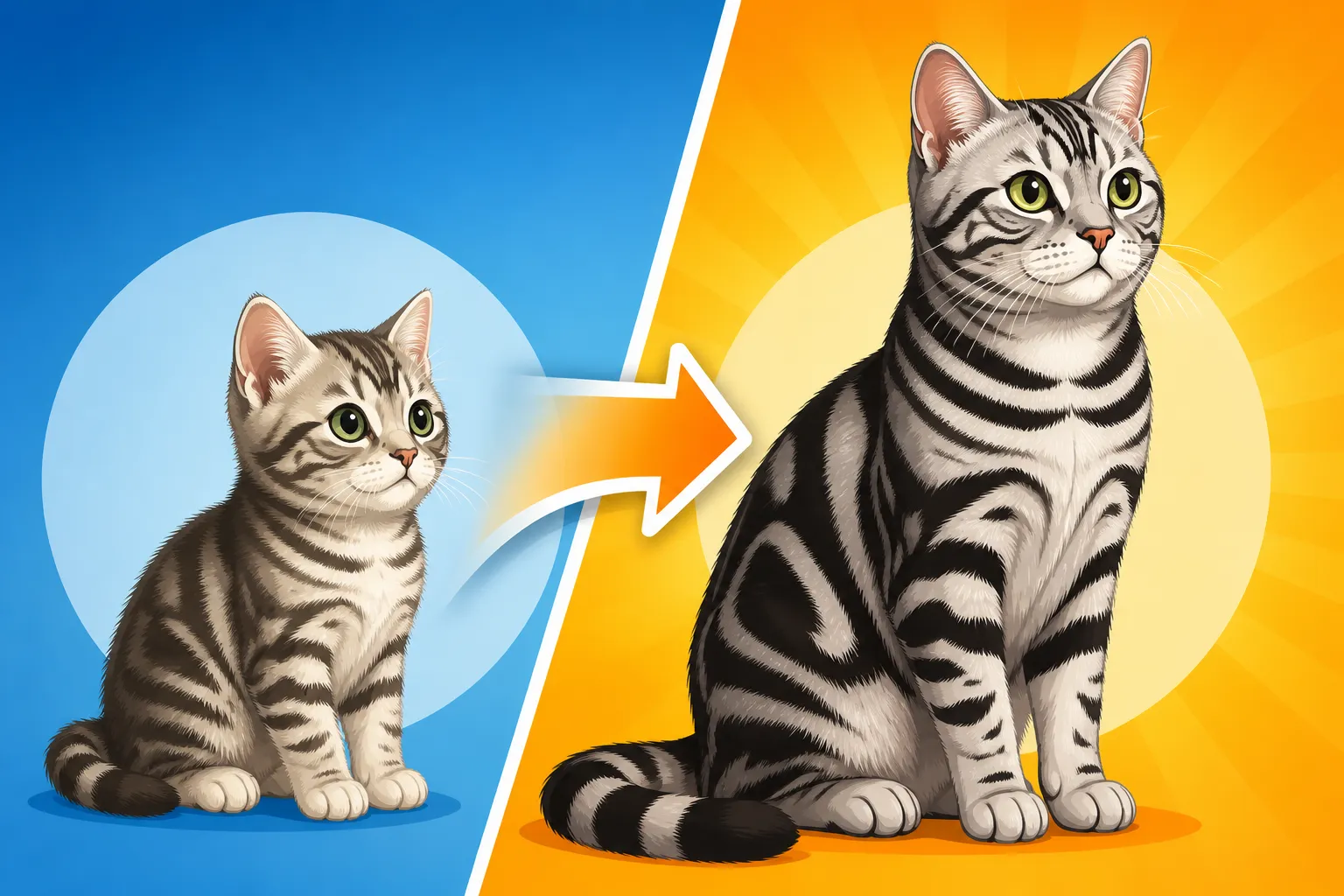
Let's address the heart of the matter right away: while an American Shorthair's tabby pattern will certainly become more defined and clearer as they transition from kittenhood to adulthood, it doesn't typically "sharpen" in the sense of adding new, crisp lines where none existed before. Instead, it's more about the existing pattern solidifying, revealing its true nature as the kitten coat gives way to the adult one. Think of it less like a pencil being sharpened and more like a photograph coming into focus.
When an American Shorthair kitten is born, its coat is often incredibly soft and somewhat downy. This "kitten fluff" can sometimes obscure the finer details of their tabby markings. The patterns are there, etched into their genetic code, but they might appear a little blurred, muted, or less intensely colored. As the kitten grows, this soft, immature fur is replaced by a denser, coarser adult coat. This isn't a magical transformation where entirely new patterns emerge, but rather an unveiling. The hair shafts themselves mature, often carrying more pigment and lying flatter, which allows the intricate swirls, stripes, and spots of the tabby pattern to stand out with greater contrast against the ground color. When an American Shorthair Kitten's Adult Coat Arrives will usually mark this transition. You'll notice the change most vividly between four and twelve months of age, though some cats continue to "fill out" their coat definition even into their second year.
This process is fundamentally different from a pattern changing or developing new elements. What you see as a kitten is essentially the blueprint for what you'll see as an adult, just rendered in a softer, less precise way. The classic mackerel stripes, the bold classic (blotched) tabby swirls, or the intricate spotted patterns will all become more pronounced. This isn't a breed where patterns are known to dramatically shift in style or complexity, but rather where their inherent beauty is gradually revealed.
Factors Influencing the Perceived Clarity of an American Shorthair's Tabby Markings
While the underlying genetic pattern remains constant, several factors can significantly influence how clear and "sharp" those tabby markings appear to the human eye throughout an American Shorthair's life. Understanding these can help you appreciate the subtle nuances of your cat's coat and even play a role in maintaining its best appearance.
Coat Density and Texture Changes
The American Shorthair is renowned for its short, dense, and somewhat hard coat, which historically protected them from the elements during their working days. This coat is quite different from the soft, fine fur of a kitten. As your American Shorthair matures, their coat thickens and individual hairs become stiffer and more resilient. How Dense an American Shorthair's Coat Is directly relates to how well the pattern stands out. A denser coat, with its tightly packed, coarser guard hairs, provides a much better canvas for the tabby markings to be displayed. The contrast between the darker pigment of the pattern and the lighter ground color is enhanced when the hair lies smoothly and densely. In contrast, a kitten's thinner, fluffier coat can allow light to diffuse more, making patterns seem softer and less distinct. The underlying pigment is there, but the physical structure of the fur helps or hinders its presentation.
Nutritional Impact on Coat Health
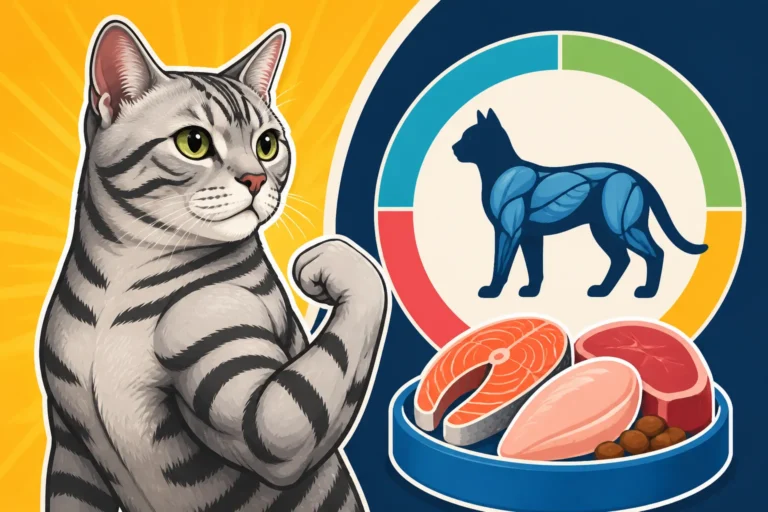
What goes into your American Shorthair's bowl plays an enormous role in the health and appearance of their coat. A diet rich in high-quality proteins, essential fatty acids (like Omega-3 and Omega-6), and vitamins can lead to a lustrous, vibrant coat. Proteins are the building blocks of hair, while fatty acids contribute to shine and skin health. If your cat isn't getting adequate nutrition, their coat can become dull, dry, and brittle. This lack of vitality can, in turn, make their tabby patterns appear less distinct or faded, even if the underlying pattern hasn't changed. Think about how a healthy, well-nourished human's hair shines versus someone struggling with nutrient deficiencies. It's similar for cats. Many premium cat food brands, available on platforms like Chewy or Amazon, formulate their diets with these coat-supporting nutrients in mind. High protein content is crucial for a strong, healthy coat. Which Protein Level Keeps an American Shorthair Muscular also ties into overall health, including coat quality.
Environmental and Age-Related Effects
Beyond diet, environmental factors and age can also influence the perceived clarity of your American Shorthair's tabby pattern.
- Sun Bleaching: Just like human hair, a cat's fur can be bleached by prolonged exposure to sunlight. While American Shorthairs aren't typically "sun worshipers" to the extent that some other breeds are, an indoor cat who enjoys napping in a sunny window for hours each day might experience some fading of their coat over time, particularly noticeable in darker tabby stripes. This can make the patterns appear less vibrant. Whether Sun Bleaches an American Shorthair's Tabby is a valid concern for any cat owner who loves their cat's color.
- Shedding Cycles: American Shorthairs shed their coats twice a year, typically in spring and fall, as their bodies adjust to seasonal temperature changes. During these times, the coat might appear less dense or even slightly uneven, which could temporarily lessen the sharpness of the tabby patterns. Once the new coat grows in, the definition usually returns.
- Aging: As American Shorthairs enter their senior years, changes in their metabolism, circulation, and overall health can sometimes affect coat quality. Older cats might have thinner, duller coats, and their grooming habits might decline due to arthritis or other health issues. This can make their tabby patterns appear less distinct. However, this is more about the overall health of the coat rather than the pattern itself disappearing. Caring for an Old American Shorthair involves paying close attention to these changes to maintain comfort and health.
What to Expect as Your American Shorthair Matures
Understanding the general timeline of coat development can help manage expectations and ensure you're providing the best care at each stage. The journey from a fluffy kitten to a full-coated adult is a delight to witness.
From Kitten to Juvenile
The first few months are a whirlwind of growth and change. An American Shorthair kitten is born with a very soft, fine coat. While the tabby pattern is visible, it's often quite muted and might not have the crisp edges you expect from an adult. This is perfectly normal! Think of it as their baby fur. Between three and six months, you'll start to notice a definite shift. The kitten fluff will begin to give way to the thicker, coarser adult guard hairs. This is when the patterns often start to 'pop' more prominently. You'll see the classic "M" on their forehead become more pronounced, and the stripes on their legs and tail will gain more definition. During this phase, you might even see some shedding of the softer kitten coat.
Young Adult to Prime
By the time your American Shorthair reaches one year of age, most of their adult coat will have come in. However, it's worth noting that American Shorthairs, being a robust and well-muscled breed, can take up to three years to fully mature and "fill out" their frame. This also applies to their coat. From about one to five or six years old, their coat will likely be in its prime. The tabby patterns will be at their most defined, the colors rich and vibrant, and the coat dense and resilient. This is where the breed standard for What an American Shorthair Looks Like by the Standard truly shines through in terms of coat quality. Their patterns, whether classic, mackerel, or spotted tabby, will be clear and distinct, showcasing the beauty of their natural heritage. Regular grooming during this period, even for their easy-care coats, can help keep it in top condition.
Senior Years and Coat Maintenance
As your American Shorthair gracefully ages, typically starting around ten to twelve years old, you might observe subtle changes in their coat. Their fur might become a little thinner, perhaps not quite as dense as it was in their prime. Some older cats can develop a slightly coarser texture to their coat, or even some minor dulling of color. This is a natural part of the aging process, influenced by various factors like slower metabolism, potential health conditions (such as kidney disease or hyperthyroidism, which can affect coat quality), and sometimes a decrease in diligent self-grooming due to arthritis or dental pain. While the underlying tabby pattern remains, its perceived clarity might lessen. This is where your intervention as an owner becomes even more crucial, providing gentle assistance with grooming and ensuring their diet supports their changing nutritional needs.
Supporting Your American Shorthair's Coat Health for Optimal Pattern Visibility
You don't just have to sit back and watch; there are proactive steps you can take to ensure your American Shorthair's coat remains healthy, vibrant, and allows its beautiful tabby patterns to shine through at every stage of life.
Grooming Practices for a Defined Coat
Even though American Shorthairs are famously low-maintenance in the grooming department due to their short, dense coats, a little attention goes a long way.
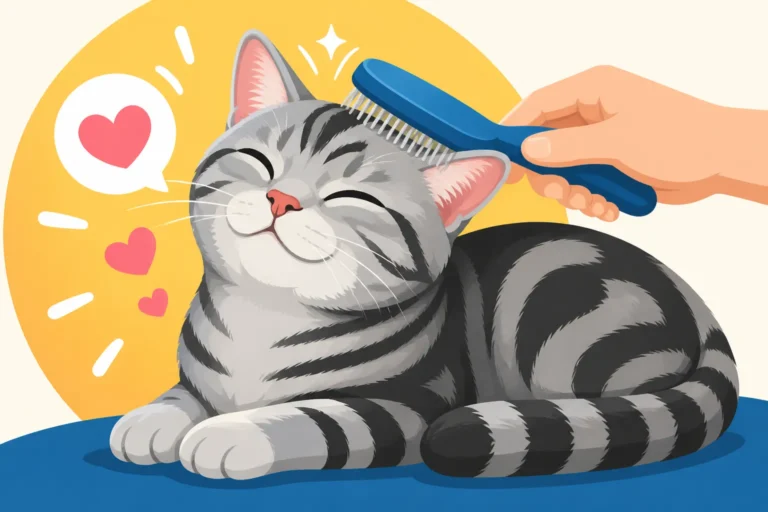
- Regular Brushing: A weekly brush is usually sufficient for an American Shorthair. This helps remove loose fur, distribute natural oils, and stimulate circulation, all of which contribute to a healthier, shinier coat. Use a good quality brush, perhaps a rubber curry brush or a fine-toothed metal comb, to get through that dense fur. Many American Shorthairs actually enjoy the attention, and it can be a great bonding experience. How Much an American Shorthair Enjoys Being Combed really depends on the individual cat, but most appreciate a gentle brush.
- Occasional Bathing (If Needed): American Shorthairs are generally excellent self-groomers and rarely need a bath. However, if your cat gets particularly dirty or develops an allergy that benefits from specific shampoos, a bath might be necessary. Use a cat-specific shampoo to avoid skin irritation. A clean coat, free of excess oils or dander, will always showcase patterns better. Why an American Shorthair Rarely Needs a Bath is a testament to their self-sufficiency.
- Checking for Mats: While very rare in their short, hard coats, it's good practice to run your hands over your American Shorthair to check for any mats, especially in older cats who might not groom as thoroughly. Mats can pull at the skin and be uncomfortable, and an unhealthy patch of fur can make surrounding patterns look less distinct.
Diet and Supplementation
As mentioned, nutrition is paramount for coat health.
- High-Quality Food: Invest in a premium cat food that lists real meat as the first ingredient. Look for formulas rich in Omega-3 and Omega-6 fatty acids, often derived from fish oils or flaxseed, as these are crucial for skin and coat health. Brands available on Amazon and Chewy often clearly label these ingredients. What an American Shorthair Should Weigh at Its Frame is also influenced by diet, and a healthy weight supports overall vitality, including coat quality.
- Hydration: Ensure your American Shorthair has constant access to fresh, clean water. Good hydration is essential for skin and coat health. Some cats prefer running water from a fountain, while others are content with a simple bowl.
- Supplements: If your cat's coat seems dull despite a good diet, talk to your vet about adding a fish oil supplement. These can provide an extra boost of essential fatty acids that promote a shiny, healthy coat. Always consult your vet before adding any supplements to your cat's diet.
Environmental Considerations
The environment your American Shorthair lives in also plays a part in its coat's appearance.
- Indoor Life: Keeping your American Shorthair indoors protects them from many elements that can damage their coat, such as harsh weather, parasites, and prolonged sun exposure that leads to bleaching. It also helps prevent injuries and infections that can cause stress and impact coat quality.
- Comfortable Climate: While their coats are built for a range of temperatures, extreme heat or cold can put stress on a cat's body, which can sometimes manifest in a duller coat. Providing a comfortable, stable indoor environment helps maintain overall health.
- Stress Reduction: Stress can take a toll on a cat's physical health, including their coat. A low-stress environment, with plenty of enrichment, safe spaces, and consistent routines, helps keep your American Shorthair happy and healthy, reflected in a vibrant coat. An American Shorthair Fits Any Household generally well, but individual needs vary.
By understanding how your American Shorthair's coat develops and what factors influence its appearance, you can appreciate the intricate beauty of their tabby patterns and ensure they always look their best. The 'sharpening' you observe is truly a beautiful maturation, a coming into focus of the genetic artistry that makes each American Shorthair unique.
Here's a simple table to illustrate the key differences in coat appearance as an American Shorthair grows:
| Characteristic | American Shorthair Kitten Coat (Approx. 0-6 months) | American Shorthair Adult Coat (Approx. 1-10 years) |
|---|---|---|
| Texture | Soft, fine, downy, less dense | Dense, somewhat coarse/hard, resilient |
| Pattern Clarity | Often muted, slightly blurred, less contrast | Clear, distinct, well-defined, strong contrast |
| Color Intensity | Can appear lighter or less vibrant | Richer, deeper, more saturated colors |
| Overall Appearance | "Fluffy" or "fuzzy" look | Sleek, robust, polished look |
| Grooming Need | Minimal, gentle brushing for bonding | Regular brushing for maintenance and shine |
Disclaimer
This article is for general informational purposes only and does not constitute professional advice. Laws, prices and regulations vary by location and change over time. Consult a qualified professional for guidance on your specific situation.