Whether Sun Bleaches an American Shorthair’s Tabby
It's disheartening to notice the vibrant, crisp patterns of your American Shorthair's tabby coat starting to look a little dull or even brassy after a glorious stretch of sunshine. You pour so much love into your feline companion, from their comfort to their health, and seeing their beautiful markings fade can make you wonder if you're doing something wrong or if it's just an inevitable part of owning a sun-loving cat. This guide will delve into whether the sun truly bleaches an American Shorthair's tabby pattern and what you can do to keep their magnificent coat looking its best.
The Science Behind Sun-Fading in Cat Coats
Just like our own hair, a cat's fur isn't immune to the effects of the environment, and direct sunlight is one of the most potent factors. While we might associate sun-fading more with fabrics or dyed hair, the same principles apply to the natural pigments in your American Shorthair's stunning coat. Understanding the mechanics behind this process can help you better protect your cat's beautiful markings.
How UV Rays Affect Hair Pigment
The sun emits ultraviolet (UV) radiation, which is a powerful form of energy. When these UV rays hit your cat's fur, they don't just warm them up; they interact with the chemical structure of the hair itself. Over time, this interaction can lead to the breakdown of the pigments that give your American Shorthair its distinctive tabby patterns. Think of it like a tiny, constant bleaching process happening on a microscopic level. The UV light essentially oxidizes the melanin within the hair shafts, altering its chemical composition and causing it to reflect light differently, which we perceive as fading or lightening.
This isn't an overnight change, of course. It's a gradual process that accumulates with prolonged exposure. A cat that spends hours basking in a sunbeam day after day, or an outdoor American Shorthair enjoying long patrols in the garden, will naturally experience more of this chemical reaction than a cat that prefers shady naps or mostly indoor living. It’s not just the color that can be affected; UV exposure can also make the hair shaft itself more brittle and prone to damage, leading to a duller appearance and potentially a less resilient coat texture.
The Role of Melanin in Coat Color
Melanin is the fundamental pigment responsible for all cat coat colors. There are primarily two types: eumelanin, which produces black and brown colors, and pheomelanin, which creates red, orange, and cream hues. The various combinations and densities of these melanins, along with genetic modifiers, result in the incredible spectrum of cat coat colors we see, including all the intricate tabby patterns.
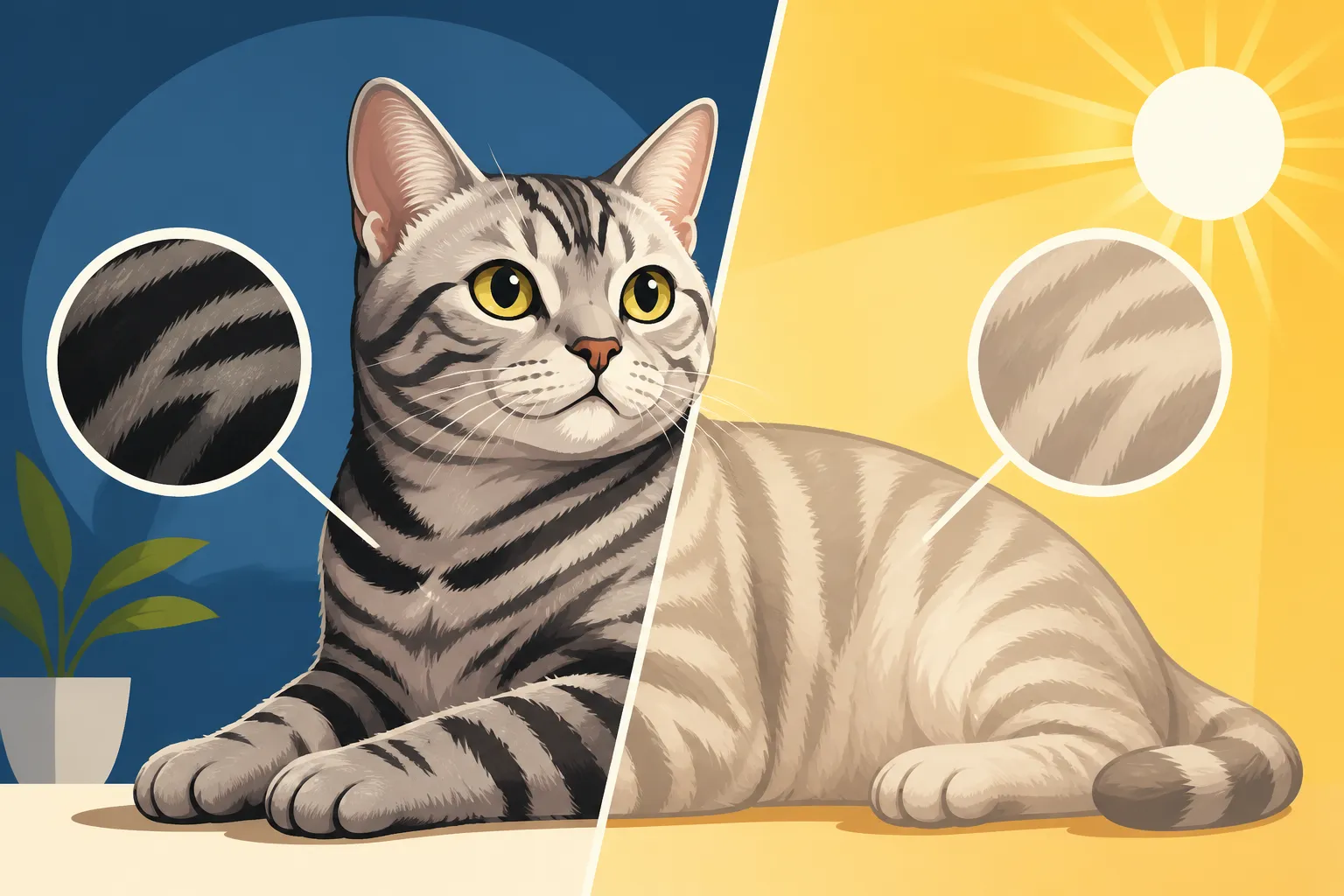
In American Shorthairs, these melanins are densely packed within their strong, weather-resistant guard hairs, giving their coats their characteristic vibrancy and durability. However, both types of melanin are susceptible to photodegradation by UV light. Eumelanin, typically found in darker tabby stripes, can fade to a reddish-brown or rust color, losing its deep black or chocolate tone. Pheomelanin, which creates the warmer tones in many tabby patterns, can lighten significantly, often turning creamy or pale yellow. This is why you might notice that a black tabby's stripes start to look brownish in the sun, or a red tabby appears washed out. The fading isn't just a surface phenomenon; it's a change in the core pigment that makes up the fur, leading to a permanent alteration unless new, un-faded hair grows in.
American Shorthair Tabby Patterns and Sun Exposure
The American Shorthair is renowned for its robust health and functional build, often celebrated for its gorgeous, dense coat. This coat was historically built for purpose, offering protection from the elements, which might lead one to believe it's entirely resistant to sun damage. While it's certainly durable, it still benefits from thoughtful care to maintain its pristine appearance. The American Shorthair's Coat Was Built for Weather, Not a Judge describes just how resilient their fur truly is, but even the strongest coat has its limits against relentless UV rays.
The Durability of the American Shorthair's Working Coat
The American Shorthair's coat is a marvel of natural engineering. It's short, dense, and has a slightly hard texture, designed to shed water and offer insulation in various climates. This isn't a delicate, plush show coat; it's a practical, hardworking exterior that helped their ancestors thrive in diverse conditions across North America. Why an American Shorthair's Coat Beats a Show Coat highlights this distinction perfectly. Because of this density and texture, many owners might assume their American Shorthair's color is utterly impervious to environmental factors like sun bleaching.
However, even with its inherent durability, the pigments within those sturdy hairs are still vulnerable to UV degradation. While the overall health of the coat might prevent it from becoming brittle as quickly as a finer, softer coat might, the color itself can still shift. Think of a well-made, natural fiber rug left in a sunny room; it's tough, but the colors will eventually soften and fade where the sun hits it most directly. The American Shorthair's practical coat protects the skin beneath and offers a measure of defense for the hair shaft, but it doesn't have an internal sunscreen to prevent pigment alteration.
Specific Tabby Colors and Their Susceptibility
Not all tabby patterns or colors show sun bleaching with the same intensity or in the same way. The type and concentration of melanin play a huge role. For instance, the iconic silver tabby American Shorthair, which is often what people picture when they think of the breed, can be particularly susceptible to noticeable changes. The underlying silver is a genetic inhibitor that removes much of the warm, yellow pigment, allowing the black eumelanin stripes to stand out dramatically against a cool, pale background. When these black stripes are exposed to the sun, the eumelanin can break down, leading to a "rusting" effect where the black turns to a reddish-brown. This reduces the sharp contrast that makes the silver tabby so striking, making the coat appear less vibrant and crisp. Why the Silver Tabby Became the American Shorthair's Face details just how popular and striking these coats are, making any fading particularly noticeable to their adoring owners.
Brown tabbies, with their rich, earthy tones and black stripes, might also experience lightening and a slight dulling, but the contrast may not be as starkly affected as in a silver tabby. Red tabbies, or "ginger" cats, predominantly carry pheomelanin. While this pigment can also fade, often to a lighter cream or straw color, it might be less perceived as "bleaching" and more as a general lightening of an already warm tone. Which Colors an American Shorthair Comes In shows the sheer variety, and each color and pattern will react uniquely to prolonged sun exposure. Ultimately, any tabby pattern that relies on strong contrast or deep, rich tones of eumelanin is likely to show signs of sun-fading over time, especially if the cat loves to bask in the sun's direct glare.
| Tabby Pattern / Color | Primary Pigment | Common Fading Effect | Visual Impact of Fading |
|---|---|---|---|
| Silver Tabby | Eumelanin (black) inhibited by silver gene | Black stripes turn reddish-brown ("rusting") | Loss of crisp contrast, duller overall appearance |
| Brown Tabby | Eumelanin (black/brown) | Darker areas lighten to a coppery hue | Softening of pattern, less distinct markings |
| Red/Orange Tabby | Pheomelanin (red/orange) | Lightens to a paler cream or yellow | Washed-out look, less vibrant orange |
| Blue Tabby | Diluted Eumelanin (grey) | Grey can develop a brownish tinge | Appears less cool-toned, slightly muddy |
| Cream Tabby | Diluted Pheomelanin (cream) | Further lightening to near white | Almost invisible markings, very pale |
Practical Steps to Protect Your American Shorthair's Coat
While you can't completely eliminate sun exposure for your cat, especially if they enjoy a sunny spot or have outdoor access, there are definitely proactive steps you can take to minimize the risk of sun bleaching and help maintain their coat's natural luster and pattern clarity. It's all about thoughtful management and giving them the right tools – both externally and internally – to thrive.
Limiting Direct Sun Exposure
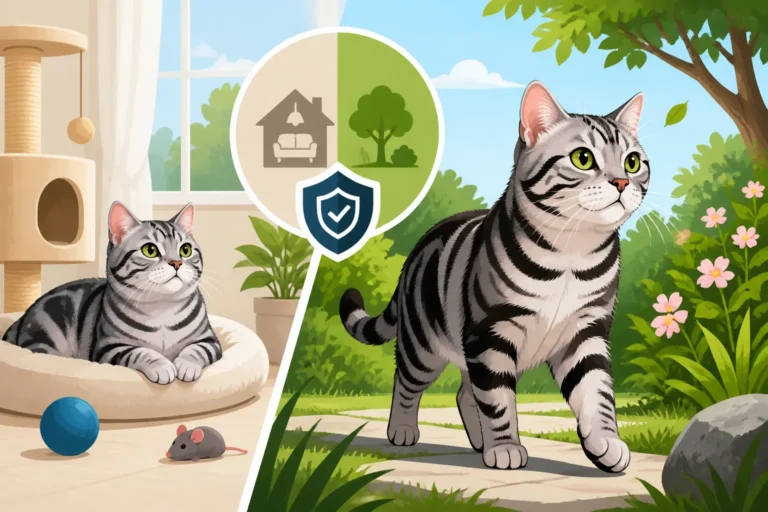
One of the most straightforward ways to protect your American Shorthair's coat is to manage their direct sun exposure, particularly during the peak UV hours of the day (typically late morning to late afternoon). This doesn't mean keeping them in a dark room! Many American Shorthairs absolutely adore a good sunbath, and denying them that can be detrimental to their happiness and natural rhythms. The key is moderation and providing alternatives.
Consider installing UV-blocking window films on the windows where your cat loves to lounge. These films can significantly reduce the amount of harmful UV radiation entering your home while still allowing your cat to enjoy the warmth and light. If your American Shorthair has outdoor access, create shady spots for them in the yard with umbrellas, awnings, or dense shrubs. For supervised outdoor time or in catios, shade cloths are an excellent, inexpensive solution, easily found on sites like Amazon, providing a cool retreat when the sun is at its strongest. Adjusting their outdoor time to earlier mornings or later evenings can also help. Remember, What an Outdoor American Shorthair Needs That an Indoor One Does Not includes considerations like shade, so it's a vital part of responsible outdoor care.
Even indoors, simply shifting their favorite cat tree or bed away from the window during peak hours, or drawing sheer curtains, can make a difference. Observe your cat's habits; if they consistently nap in one spot bathed in direct afternoon sun, that's where you'll want to focus your mitigation efforts. Think about creating appealing, cozy alternatives in shadier spots to encourage them to rotate their lounging locations.
Nutritional Support for Coat Health
A healthy coat starts from within, and nutrition plays a critical role in its resilience and vibrancy. While diet won't prevent UV radiation from acting on pigments, a well-nourished coat can better withstand environmental stressors and maintain its overall health, potentially making fading less noticeable and promoting faster regeneration of healthy, pigmented hair. Whether an American Shorthair Needs Wet Food discusses important aspects of feline nutrition, and many of these principles apply directly to coat health.
Ensure your American Shorthair's diet is rich in high-quality protein, which is the building block of hair. Look for foods where meat is the primary ingredient. Additionally, essential fatty acids, particularly Omega-3 and Omega-6, are crucial for skin and coat health. These fats contribute to a healthy, shiny coat and can even improve the hair's elasticity and strength. Many premium cat foods incorporate these, but you might also consider a supplement if recommended by your vet. Brands like Chewy often offer a wide selection of cat food and supplements, including fish oil or other omega fatty acid blends.
Vitamins and minerals, such as Vitamin E, Biotin, and Zinc, also play a part in healthy hair growth. A complete and balanced commercial diet, appropriate for your cat's age and activity level, should provide these. If you're feeding a homemade diet or have concerns, consulting with your veterinarian is always the best approach to ensure your American Shorthair is getting all the nutrients they need to support a luscious, strong coat that can stand up to the elements.
Grooming as a Protective Measure
While the American Shorthair is famously low-maintenance in terms of grooming—after all, Why an American Shorthair Grooms Itself Better Than You Can is a widely recognized truth—a little assistance from you can go a long way in supporting their coat health, especially if you're concerned about sun fading. Regular, gentle grooming helps in several ways that contribute to a resilient and vibrant coat.
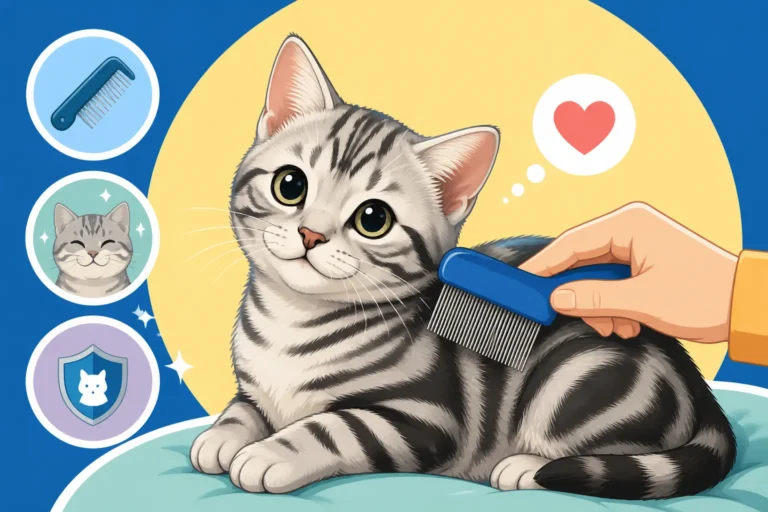
Firstly, regular brushing, even just a couple of times a week, helps to distribute natural skin oils throughout the coat. These oils act as a natural conditioner and can provide a very subtle, almost imperceptible layer of protection and shine to the hair shafts. They also help keep the coat supple, making it less prone to damage. Which Comb Suits an American Shorthair's Hard Coat will guide you to the right tools for their specific fur type.
Secondly, brushing removes loose, dead hair. While the American Shorthair sheds less dramatically than some long-haired breeds, they still shed, especially during seasonal changes. Removing these older hairs encourages the growth of new, healthy, fully pigmented fur. This natural turnover can help maintain the richness of their tabby patterns. While an American Shorthair rarely needs a bath, a well-timed bath with a gentle, cat-specific shampoo can occasionally remove accumulated dirt and oils that might dull the coat's appearance, allowing its true color to shine through. Just be sure to use products specifically formulated for cats, as human shampoos can be too harsh.
Finally, ensuring good overall health through regular veterinary check-ups and parasite control also indirectly supports coat health. A cat suffering from fleas, ticks (and How Often an American Shorthair Needs Flea Treatment is a good read), or internal parasites will often have a dull, unhealthy coat regardless of sun exposure. By keeping your American Shorthair in peak condition, you're giving their coat the best chance to show off those stunning tabby markings for years to come.
Disclaimer
This article is for general informational purposes only and does not constitute professional advice. Laws, prices and regulations vary by location and change over time. Consult a qualified professional for guidance on your specific situation.