Whether the Rename Changed the American Shorthair Itself
It's a question many new American Shorthair owners or enthusiasts grapple with: when a breed changes its name, does it actually change the cat itself? You see, the American Shorthair wasn't always known by that distinguished title. For a long time, it was simply the "Domestic Shorthair," a term that, while accurate in describing its common nature, perhaps didn't quite capture the unique history and desirable traits of this beloved feline. This guide will dive deep into the fascinating journey of the American Shorthair, exploring whether its evolution in nomenclature truly altered the physical characteristics, temperament, or inherent qualities of the cat we cherish today.
A Glimpse Back: The "Domestic Shorthair" Era
Before it earned its official pedigree name, the American Shorthair was the quintessential American working cat. These felines were not bred for fancy show standards or specific aesthetic quirks; they were bred by necessity, shaped by the harsh realities of pioneering life and the vital role they played in keeping homes and farms free from pests. This period, when they were collectively known as Domestic Shorthairs, was truly foundational, forging the robust and adaptable cat we know today.
Life Before the Pedigree Name
Imagine early American settlers, arriving on ships after long, arduous journeys across the Atlantic. These voyages weren't just for people; they were for cats too. These feline companions were invaluable members of the crew, essential for controlling rodents that threatened precious food supplies and cargo. Once ashore, these "ship's cats" continued their vital work in barns, fields, and homes, essentially earning their keep through sheer skill and tenacity. They were appreciated for their job performance, not their pedigree. Their survival depended on their intelligence, physical prowess, and ability to thrive in diverse environments.
During these centuries, what we now call the American Shorthair was simply a strong, healthy, and highly effective mouser. There was no formal breeding program, no registration papers, and certainly no thought given to lineage in the way we consider it today. Owners prized their cats for their utility and companionship, a deep bond formed out of mutual reliance. It was a time when form truly followed function, and every characteristic that emerged in these cats was a testament to natural selection and their demanding lifestyle.
The Importance of a Working Heritage
The cats of this era were truly self-made. Their working heritage ingrained in them a remarkable resilience and an undeniable practicality. If a cat wasn't a good hunter, it likely didn't survive long enough to pass on its genes. If it was prone to illness, its line might dwindle. This relentless selection pressure over generations meant that the cats that thrived were those with sturdy builds, keen intelligence, sharp hunting instincts, and a generally robust constitution. These weren't delicate creatures; they were tough, resourceful, and capable.
This period, where they were commonly referred to as Domestic Shorthairs, cemented the breed's fundamental traits long before any human intervened with selective breeding. It's why, even today, the American Shorthair is celebrated for its low maintenance and generally good health. Their ancestors endured everything from harsh winters in colonial New England to the challenges of keeping vermin at bay on bustling city docks. This incredible genetic foundation is a core part of their identity, something that no name change could ever truly erase. Why the American Shorthair Was Called Domestic Shorthair Until 1966 further explores this historical context.
The Catalyst for Change: Why a Rename Was Needed
As the turn of the 20th century approached, cat fancy began to gain traction in North America. People were starting to appreciate cats not just for their utility, but for their beauty and distinct characteristics. However, the term "Domestic Shorthair" began to present a challenge. While accurate, it didn't differentiate these specifically bred, established American cats from any random, unpedigreed house cat with a short coat. This ambiguity was a problem for breeders who were trying to establish and preserve a unique American breed.
Elevating a Beloved Breed
Breeders recognized that the sturdy, good-natured, and attractive cats that had been a part of American life for centuries deserved a place alongside other recognized pedigreed breeds. They saw that these cats possessed distinct qualities—a characteristic head shape, a well-muscled body, and a calm, adaptable temperament—that set them apart. To simply call them "Domestic Shorthairs" diminished their unique heritage and the effort being put into standardizing their traits. It was about giving proper recognition to a cat that had earned its stripes, literally and figuratively, across the continent.
The drive to elevate the breed was not about creating something new, but about formalizing and celebrating what already existed. It was about creating a consistent standard that breeders could work towards, ensuring that the best qualities of these cats were preserved for future generations. This pursuit of formal recognition was a significant step in acknowledging the American Shorthair as a distinct and valuable part of the feline world, moving it beyond the generic descriptor it had long carried.
Distinguishing From the Everyday Tabby
One of the biggest motivations for the name change was the need to clearly differentiate a pedigreed American Shorthair from the vast population of mixed-breed cats. While many domestic shorthairs might look strikingly similar to an American Shorthair—after all, the latter descended from the former—the key difference lay in the consistent lineage and adherence to a breed standard. A random bred tabby, no matter how lovely, doesn't have generations of documented ancestry ensuring specific traits. This is a point of frequent confusion for many cat lovers.
The new name aimed to draw a clear line. When you said "American Shorthair," you weren't just talking about any short-haired cat; you were referring to a specific breed with a documented history, predictable characteristics, and a dedicated community of breeders working to maintain its integrity. It was about giving buyers confidence in what they were getting and recognizing the careful work involved in pedigree breeding. This distinction was crucial for the breed's growth and recognition in the burgeoning world of cat shows and registries. How an American Shorthair Differs From a Domestic Shorthair dives deeper into these subtle but significant distinctions.
The Rename Itself: "American Shorthair" Takes the Stage
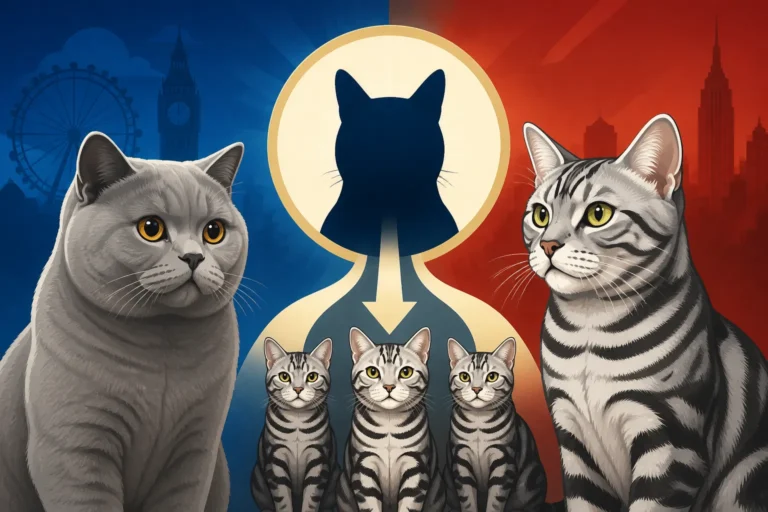
The decision to change the name wasn't made overnight or without considerable discussion among breeders and enthusiasts. It was a thoughtful process, reflecting a growing desire to secure the breed's place in the cat fancy and ensure its unique identity was unmistakable. The new name, "American Shorthair," was chosen to honor its origins and differentiate it from similar-looking cats around the world.
The Official Transition
The official renaming of the Domestic Shorthair to the American Shorthair occurred in 1966. This was a landmark moment for the breed, solidifying its status and giving it a distinct identity within the world of pedigreed cats. The change was championed by the Cat Fanciers' Association (CFA) and other registries, who recognized the need for a name that truly reflected the breed's American roots and its unique characteristics. It was a declaration that this cat, once a humble barn cat, had earned its formal recognition.
This transition wasn't just a cosmetic change; it represented a strategic move to define the breed more clearly. Prior to this, judges in cat shows had the challenging task of distinguishing well-bred Domestic Shorthairs from random house cats entered as such. The new name, coupled with an increasingly refined breed standard, provided a much clearer framework for evaluating and promoting the breed. It allowed for a greater focus on breeding for consistent type and temperament, rather than just general "cat-ness."
Early Reactions and Perceptions
Like any significant change, the rename sparked a variety of reactions. Some breeders and owners were thrilled, seeing it as a long-overdue recognition of their efforts and the inherent value of these cats. They welcomed the opportunity to present their "American Shorthairs" with pride, knowing the name conveyed a sense of history and distinction. The feeling was that the breed finally had a name that did it justice, setting it apart from the general population of short-haired cats.
However, others found the change a bit confusing or even unnecessary. After all, the cats themselves hadn't physically transformed overnight. For the general public, who might not have been deeply involved in cat fancy, the difference between a "Domestic Shorthair" and an "American Shorthair" might have seemed trivial, leading to questions about whether it was merely a marketing ploy. Yet, over time, the new name became widely accepted, firmly establishing the American Shorthair as a recognized and respected breed. The Rename That Separated the American Shorthair From the Alley Cat offers further insight into these early perceptions and the motivations behind the change.
Did the Cat Actually Change? Assessing Physical Traits
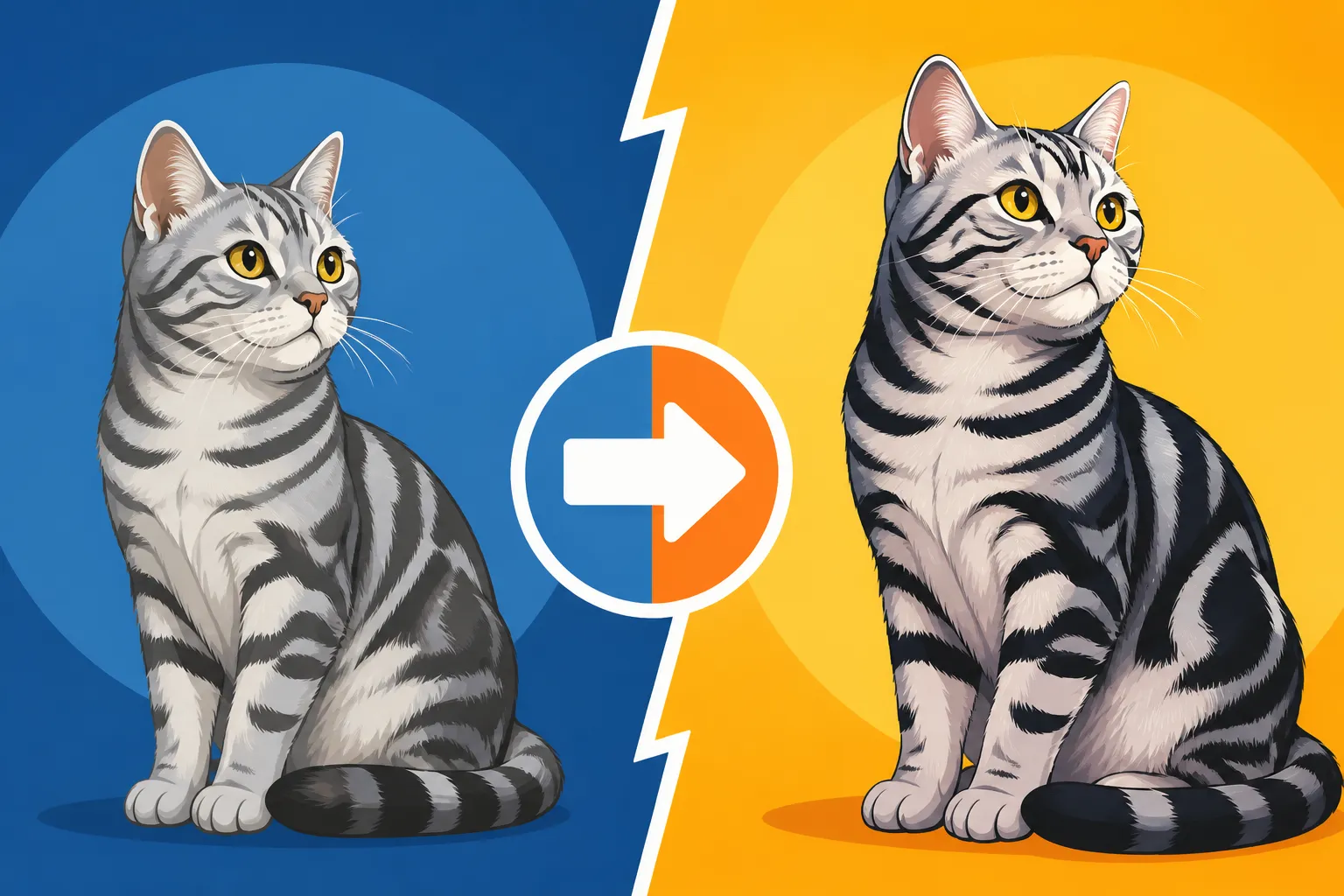
This is the crux of the matter: did the act of renaming the breed somehow physically alter the cats? The short answer is no, not directly or immediately. The physical traits that define the American Shorthair were already well-established through generations of natural selection and early, informal breeding. The rename was an acknowledgment of these traits, not an instigator of them. What it did change was the focus of breeding.
Conformation and Build: Sticking to the Standard
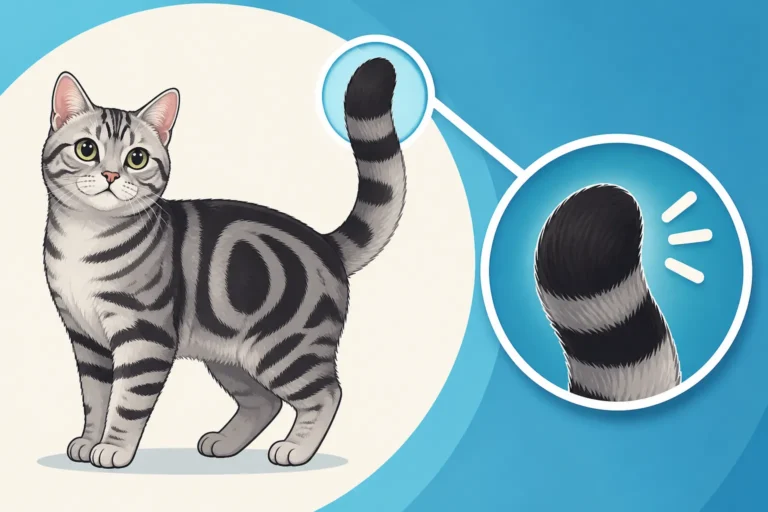
The American Shorthair is renowned for its sturdy, well-muscled, and balanced build. This conformation, developed over centuries of hard work as mousers, did not suddenly morph after 1966. Instead, the rename solidified the importance of breeding to a specific standard that described this ideal build. Breeders now had a clear blueprint to follow: a medium-to-large cat with a broad chest, strong jaws, and powerful legs, indicative of its athletic past.
The goal wasn't to invent new physical characteristics but to preserve and refine the best examples of what these cats had always been. Judges in shows began to look for consistency in features like the square muzzle, the rounded ear tips, and the medium-length tail, all of which were characteristic of the working cats of America. So, while the name changed, the ideal physical form remained deeply rooted in its functional heritage. What an American Shorthair Looks Like by the Standard provides a comprehensive breakdown of these defining physical characteristics.
Coat and Colors: Still the Same Variety
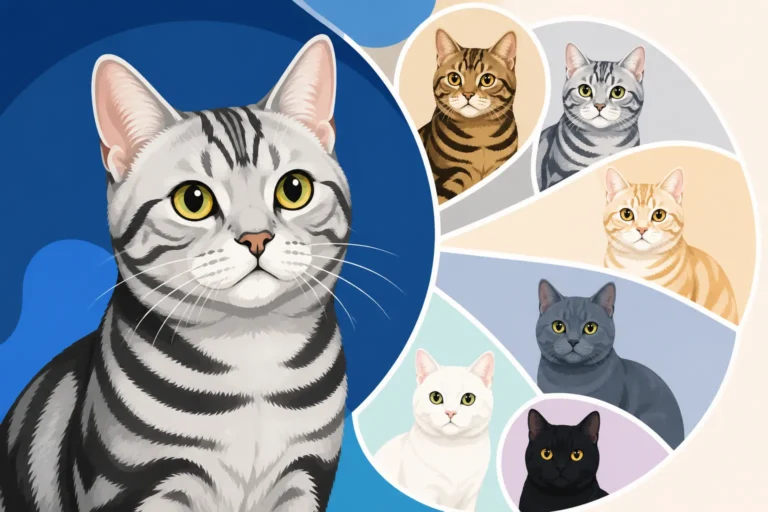
Another aspect that remained consistent through the name change was the American Shorthair's diverse array of coat colors and patterns. From the iconic silver tabby to solid black, white, calico, and blue, the breed always boasted a wide genetic palette. The renaming didn't suddenly introduce new colors or patterns; rather, it codified which ones were recognized within the breed standard. This was a crucial step in maintaining genetic diversity while still ensuring consistent breed type.
Think about it: the very reason these cats were so successful as pest controllers across North America was their adaptability, which included a diverse gene pool. This genetic richness naturally led to a variety of coat presentations. The official recognition simply meant that breeders could continue to work with this inherent diversity while still producing cats that were unmistakably American Shorthairs. There was no push to narrow the color spectrum or alter the coat's characteristic hard, dense texture that protected them from the elements. This focus on preserving natural variety within the breed standard is something that sets the American Shorthair apart from many other breeds. Which Colors an American Shorthair Comes In details the stunning array of acceptable colorations.
More Than Skin Deep: Temperament and Instincts
While physical appearance is important, the true heart of any breed lies in its temperament and inherent instincts. Here, too, the rename didn't create a "new" cat. Instead, it highlighted and helped preserve the charming, adaptable, and capable personality that had always been a hallmark of these working felines. The qualities that made them excellent barn cats translated beautifully into wonderful family companions.
The Enduring Mouser Mentality
Even as American Shorthairs transitioned from working farms to beloved indoor pets, their innate hunting instincts remained strong. The rename didn't suddenly diminish their prey drive; if anything, formalizing the breed brought more attention to the need for owners to provide adequate enrichment. These cats are still very much wired to stalk, pounce, and "kill" their prey, whether it's a real mouse or a feathered wand toy. This is a fundamental part of their genetic makeup, forged over centuries.
Owners often report that their American Shorthairs are adept at finding and playing with anything that moves, from dust bunnies to rogue insects. This isn't a flaw; it's a feature, a living echo of their history. Providing appropriate outlets for this instinct, such as interactive play sessions or puzzle feeders, is crucial for their well-being. The name change might have changed how humans perceived them, but it didn't change what they were at their core: natural-born hunters. How Strong an American Shorthair's Hunting Drive Is elaborates on this powerful instinct.
Affectionate Yet Independent Nature
The American Shorthair is often described as an easy-going cat, affectionate without being overly demanding. This balanced temperament is another trait that predates the rename and remained completely intact afterward. Their ancestors needed to be independent enough to patrol large territories and solve problems on their own, yet friendly enough to coexist peacefully with humans and other animals on a farm. This unique blend of self-reliance and sociability makes them exceptionally adaptable.
They enjoy being near their people, often choosing to lounge on a nearby sofa or follow you from room to room, but they're typically not "lap cats" in the intensely needy sense. They appreciate attention but are equally content to entertain themselves. This characteristic was preserved through the selection of good-tempered breeding stock, ensuring that the calm, amenable nature continued to be a hallmark of the American Shorthair. It's a breed that truly seems to fit into almost any household, a testament to its long-standing temperament. Why an American Shorthair Fits Any Household discusses this adaptability in detail.
The Real Impact: Breeding, Recognition, and Popularity
While the physical cat itself remained the same, the renaming certainly had a profound impact on how the breed was perceived, bred, and ultimately, its place in the world of pedigreed cats. It wasn't about altering the cat, but about refining its future.
The Role of the Standard
With the new name came a more rigorously applied breed standard. This standard, which detailed everything from skull shape to tail length, became the guiding document for breeders. It ensured that, moving forward, American Shorthairs would continue to exhibit the consistent traits that made them distinct. This wasn't about creating a new look, but rather about preventing deviation from the historically established "type." Breeders began to carefully select cats that best embodied these standards, contributing to a more uniform and recognizable breed.
This focus on the standard meant that while the breed retained its core characteristics, there was a conscious effort to ensure consistency. It helped solidify the American Shorthair's identity, making it easier for new enthusiasts to understand what a true pedigreed American Shorthair should look and act like. This structured approach to breeding, guided by the standard, is a critical component of maintaining any purebred animal. Whether Papers Are the Only Proof of an American Shorthair touches on the importance of documentation and standards.
A Boost in Pedigree Status
Perhaps the most significant change brought by the rename was the elevation of the American Shorthair's pedigree status. No longer confused with common house cats, the American Shorthair gained a newfound respect in the cat fancy community. This boosted its popularity, drawing more dedicated breeders and owners who appreciated its hardy nature, striking appearance, and pleasant disposition. This recognition helped secure its future as a beloved and enduring breed.
This improved status also meant more resources and attention were directed toward the breed, from health studies to educational materials for owners. Suddenly, owning an American Shorthair meant owning a piece of American history, a carefully preserved example of a foundational feline. This recognition didn't change the cat, but it certainly changed its trajectory, ensuring that this wonderful breed would continue to thrive for generations to come. You can even find specialized products for them at retailers like Chewy, acknowledging their distinct needs as a pedigree. How Popular the American Shorthair Is delves into its standing within the cat community.
Debunking Myths: American Shorthair vs. Domestic Shorthair
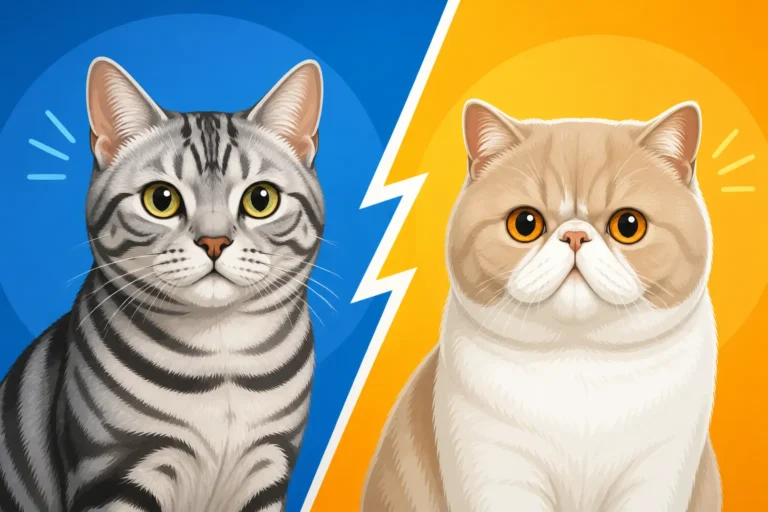
It’s easy to get confused between an American Shorthair and a domestic shorthair, especially since the former was once called the latter. The visual similarities can be striking, often leading people to wonder if there’s any real difference beyond a fancy name and a higher price tag. This confusion is precisely what the rename aimed to clear up, solidifying the American Shorthair as a distinct, pedigreed entity.
Understanding the Key Distinctions
The fundamental difference between an American Shorthair and a domestic shorthair lies in lineage and predictability, not necessarily in appearance alone. A domestic shorthair is simply a cat of mixed or unknown ancestry with short hair. It's a description of coat length, not a breed. These cats come in an incredible variety of sizes, shapes, colors, and temperaments because they are the product of an open gene pool. You could find a domestic shorthair that looks exactly like an American Shorthair, but without documented lineage, you can't predict traits like health predispositions or adult size with the same certainty.
An American Shorthair, on the other hand, is a specific breed that adheres to a written standard, maintained by responsible breeders. Every American Shorthair has a documented pedigree tracing back generations, ensuring that it was bred to possess the specific physical and temperamental traits that define the breed. This means that when you acquire an American Shorthair, you have a much clearer expectation of its adult appearance, its disposition, and its general health profile. This isn't to say a domestic shorthair is inferior; far from it, they make wonderful pets. It's simply a matter of knowing what you're getting.
Genetic Identity and Consistency
While a domestic shorthair might share a similar appearance to an American Shorthair, particularly the classic tabby pattern, their genetic identities are distinct in a crucial way. The American Shorthair has a closed gene pool, meaning only cats registered as American Shorthairs can produce offspring that are also registered as such. This controlled breeding allows for the preservation of desired traits and the screening for potential genetic health issues, even if the American Shorthair is celebrated for its general robustness.
This is where the benefit of a pedigree truly comes into play. While the American Shorthair is famously healthy, breeders still conduct health screenings, especially for conditions like HCM, to maintain the breed's reputation. This meticulous approach to breeding contributes to the breed's longevity and overall well-being. So, while your neighbor's lovable tabby might look like an American Shorthair, without that verified genetic history, it's considered a domestic shorthair. Whether a Domestic Shorthair and an American Shorthair Differ Genetically delves into the scientific perspective of this distinction.
The Enduring Legacy: Why the Name Matters
The journey from "Domestic Shorthair" to "American Shorthair" is more than just a chapter in cat fancy history; it's a testament to the enduring qualities of these incredible felines and the dedication of the people who recognized their worth. The name change solidified their identity, allowing them to flourish as a recognized and respected breed without altering their inherent nature.
Preserving a Piece of American History
The American Shorthair embodies a unique piece of American history. Its ancestors were truly pioneers, essential partners in building a new nation. The rename was a way to honor this incredible past and ensure that the legacy of these working cats would not be lost or diluted among the general cat population. It gave a name to the cats that sailed on ships, cleared barns, and provided comfort in countless American homes for centuries.
By giving them a specific, national identity, breeders and enthusiasts made a conscious decision to preserve the traits that allowed these cats to thrive in such varied environments. From their sturdy health to their balanced temperament and hunting prowess, every characteristic of the American Shorthair tells a story of survival and adaptability. Maintaining this breed means maintaining a living connection to that rich history.
The Future of the American Shorthair
Today, the American Shorthair continues to be celebrated for all the qualities that made it famous long before its name change. It remains a low-maintenance, affectionate, and healthy breed, making it an excellent choice for individuals and families alike. The rename didn't change the cat itself, but it certainly secured its place in the spotlight, ensuring that dedicated breeders would continue to protect its heritage and pass on its wonderful traits.
From kittenhood to their senior years, American Shorthairs continue to exemplify the robust, independent, yet loving companion cat. Their enduring popularity, both as show cats and cherished family members, is a testament to the fact that while a name can elevate perception and guide breeding, the true essence of a cat lies in its genes, its history, and its heart. If you're looking for a reliable, charming companion with a rich backstory, the American Shorthair, by any name, is a truly fantastic choice, and resources like Chewy can help you find everything you need to care for them.
| Trait Category | Domestic Shorthair (General Term) | American Shorthair (Specific Breed) |
|---|---|---|
| Origin | Mixed or unknown ancestry | Documented North American lineage |
| Breed Status | Not a recognized breed | Recognized pedigreed breed |
| Predictability | High variability in traits | Predictable physical & temperamental traits |
| Genetic Pool | Open and diverse | Closed and managed for consistency |
| Health | Variable, can be robust | Generally robust, screened by breeders |
| Purpose | Companion, mouser | Companion, show, preservation of type |
| Naming | Descriptive, based on coat | Specific breed name, established 1966 |
Disclaimer
This article is for general informational purposes only and does not constitute professional advice. Laws, prices and regulations vary by location and change over time. Consult a qualified professional for guidance on your specific situation.