Caring for an American Shorthair Past Twelve
Senior American Shorthairs require specialized care for arthritis, kidney disease, hyperthyroidism, dental issues, and weight management as they age.
Know what to watch for.
Breed-specific conditions, screening and DNA tests, what surgery actually costs, and the daily habits that stretch a healthy lifespan.
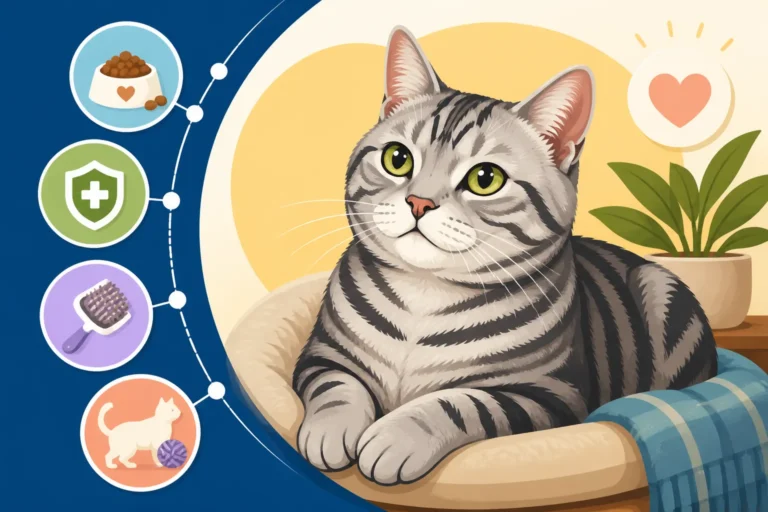
Senior American Shorthairs require specialized care for arthritis, kidney disease, hyperthyroidism, dental issues, and weight management as they age.
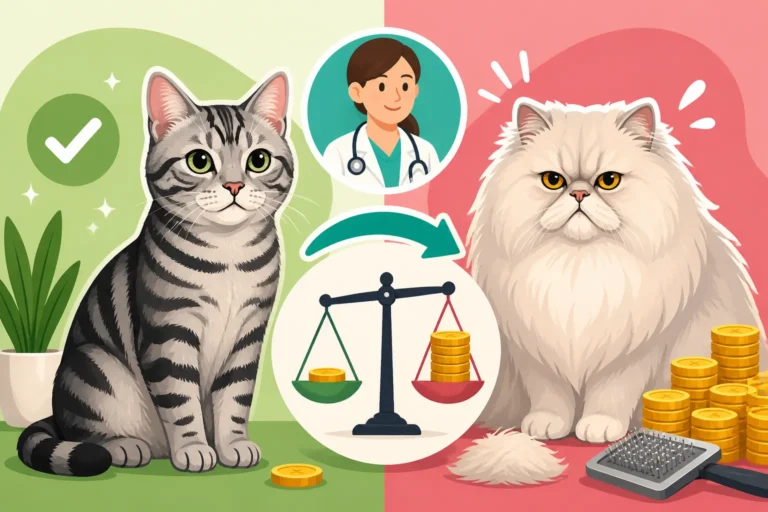
American Shorthair vet costs are lower than Persian vet costs because natural selection created a robust, healthy, and diverse breed.
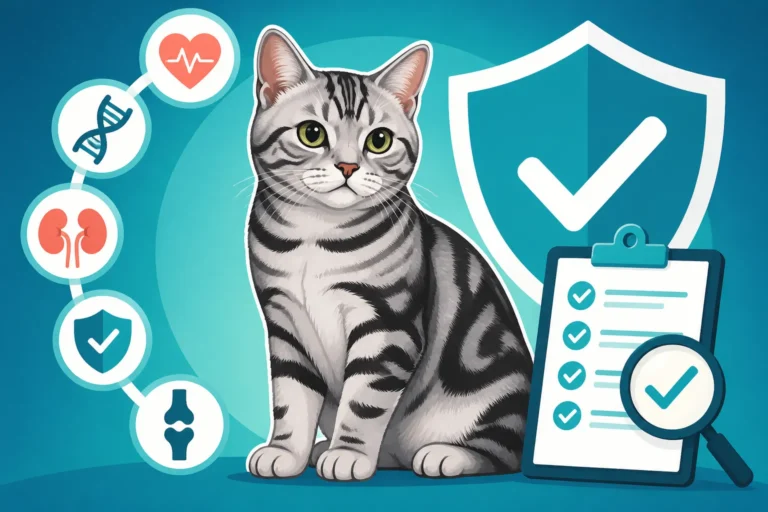
American Shorthair health screening requires yearly heart echocardiograms and hip X-rays to prevent inherited cardiac and joint diseases.
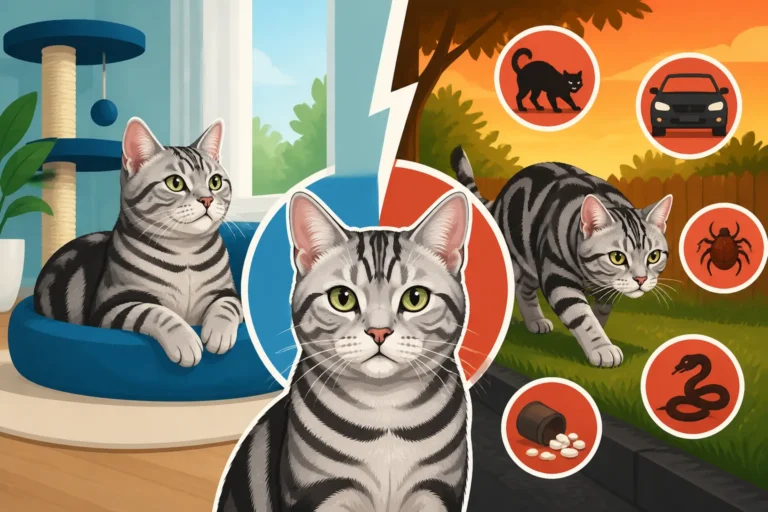
Road traffic accidents, violent cat fights, dangerous predators, parasites, and infectious diseases threaten outdoor American Shorthairs.
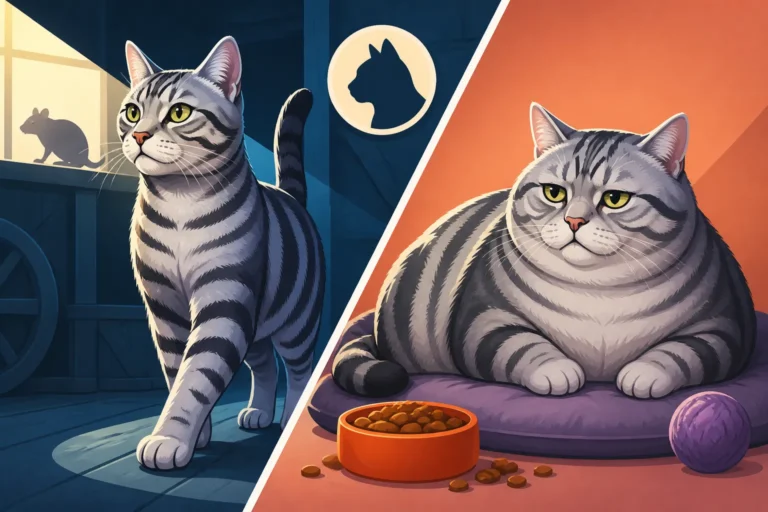
American Shorthair obesity stems from indoor sedentary living and evolutionary traits, causing severe health issues and joint strain.
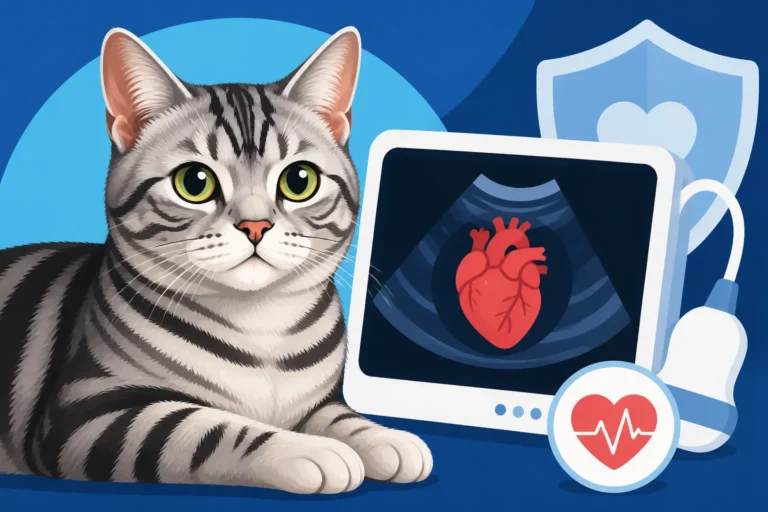
Hypertrophic cardiomyopathy requires American Shorthairs to undergo yearly heart scans to catch silent cardiac thickening early.
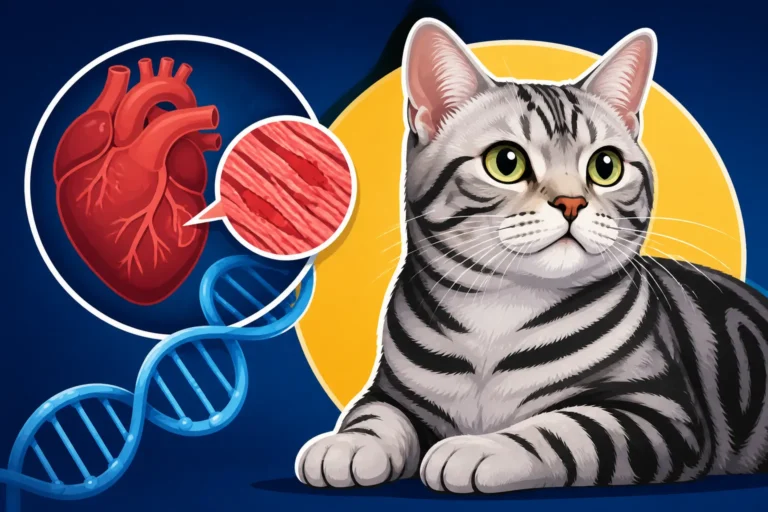
Hypertrophic cardiomyopathy is a progressive, inherited heart disease that affects American Shorthair cats despite their overall robust health.
American Shorthair longevity stems from genetic hardiness, safe indoor habitats, proactive veterinary check-ups, and obesity prevention.
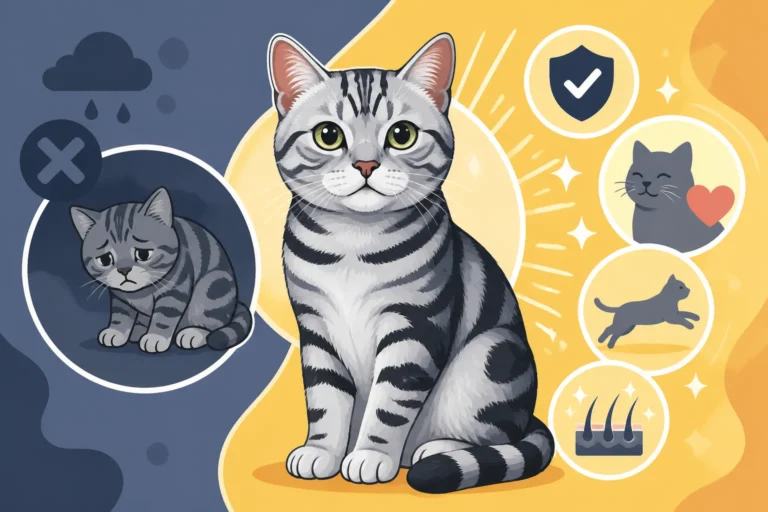
American Shorthairs face universal cat health challenges and specific vulnerabilities, including inherited heart disease and obesity.
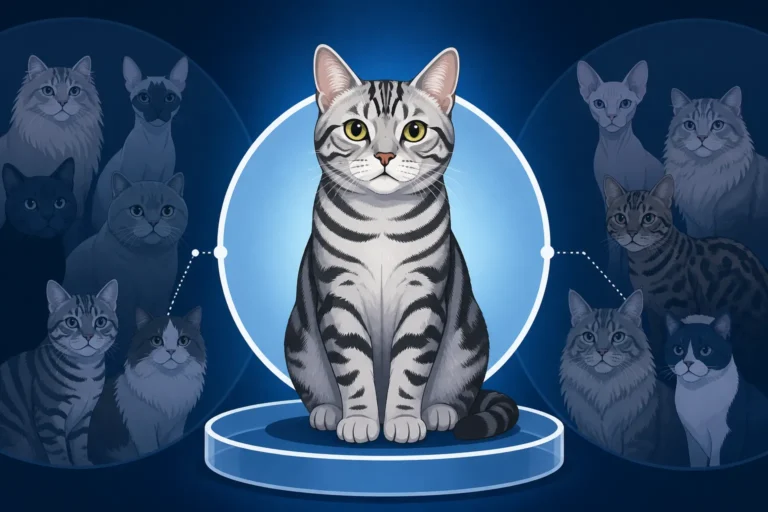
The American Shorthair cat acts as a health baseline because centuries of natural selection preserved genetic diversity.