Why an Old American Shorthair Slows Before It Limps
Aging American Shorthairs experience subtle energy drops, joint discomfort, and muscle loss that cause gradual slowing before visible limping.
Know what to watch for.
Breed-specific conditions, screening and DNA tests, what surgery actually costs, and the daily habits that stretch a healthy lifespan.
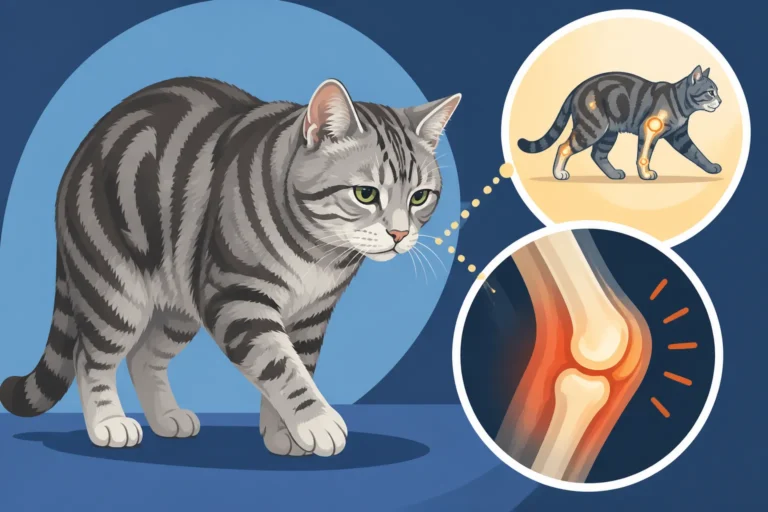
Aging American Shorthairs experience subtle energy drops, joint discomfort, and muscle loss that cause gradual slowing before visible limping.
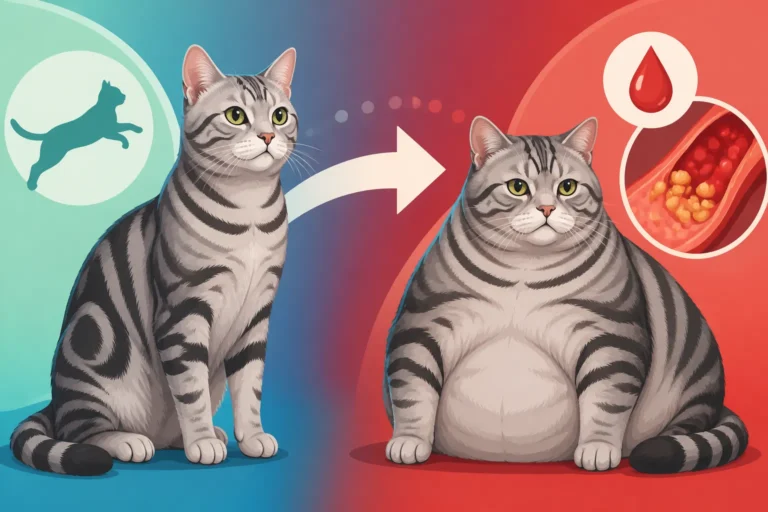
Excess weight in American Shorthairs causes insulin resistance and pancreatic exhaustion, leading directly to feline diabetes.
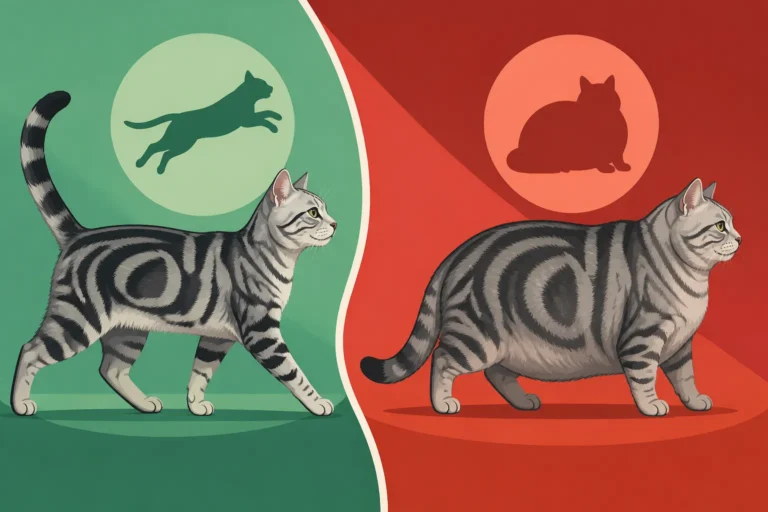
Extra weight burdens an American Shorthair frame, straining joints, restricting breathing, and increasing diabetes risk.
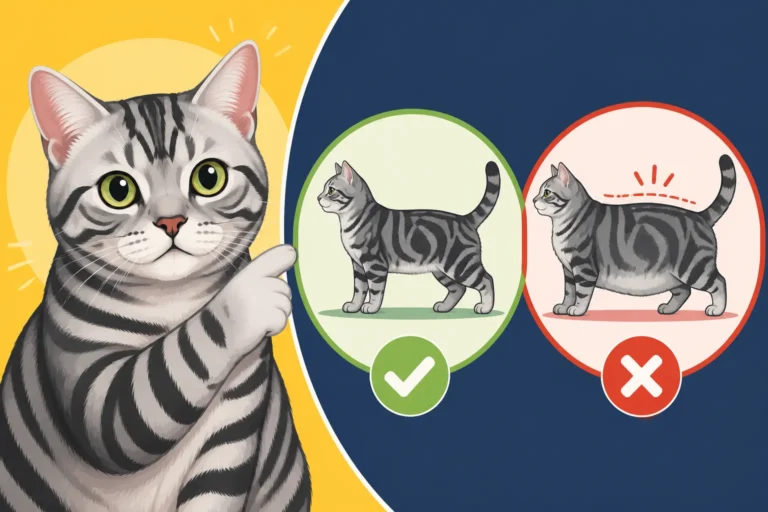
Square built American Shorthair weight gain is identified by feeling ribs, checking waistlines, and noticing behavioral changes.
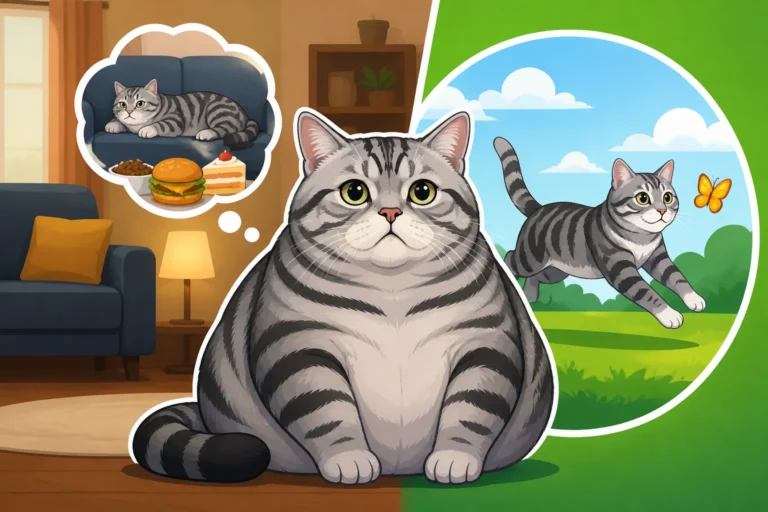
Indoor life causes American Shorthairs to gain weight by reducing their natural hunting activity and daily energy expenditure.
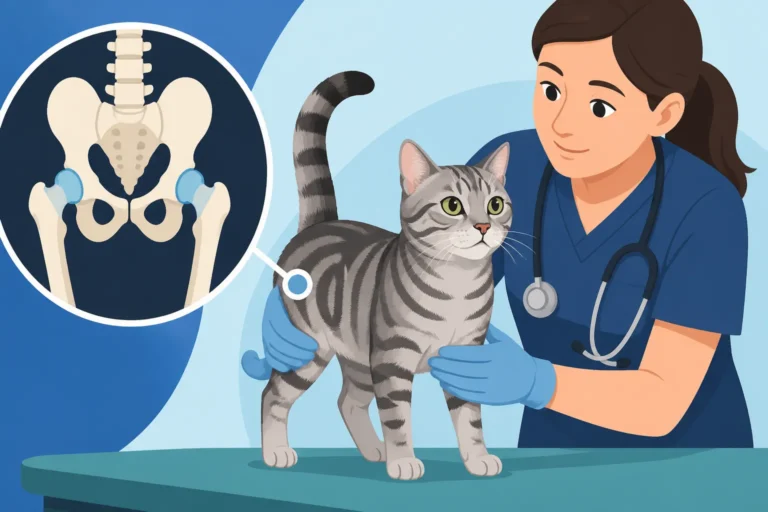
Veterinary hip assessments for American Shorthairs involve physical exams, gait observation, and X-rays to diagnose conditions like hip dysplasia.
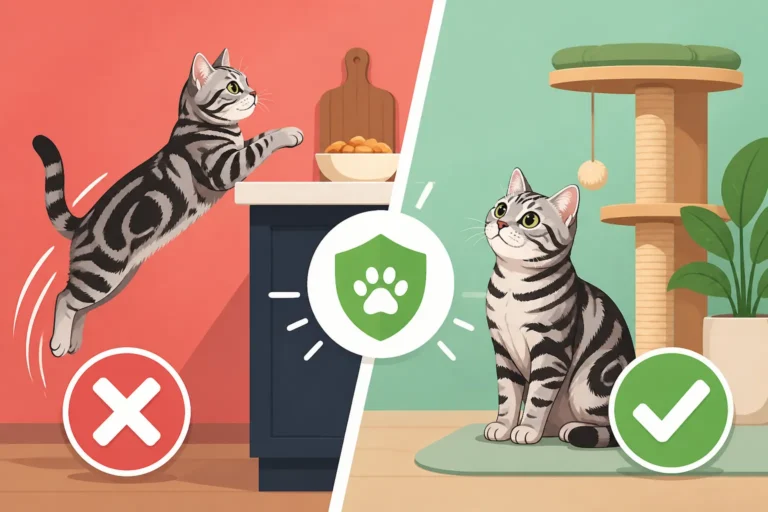
Physical discomfort, arthritis, hip dysplasia, muscle loss, and obesity cause an American Shorthair cat to stop jumping.
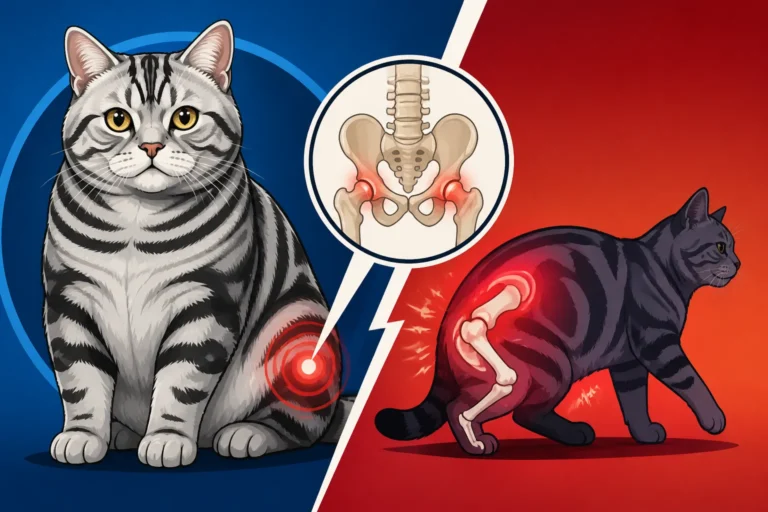
American Shorthair hip problems stem from their stocky build, explaining why heavy body weight creates joint stress and dysplasia.
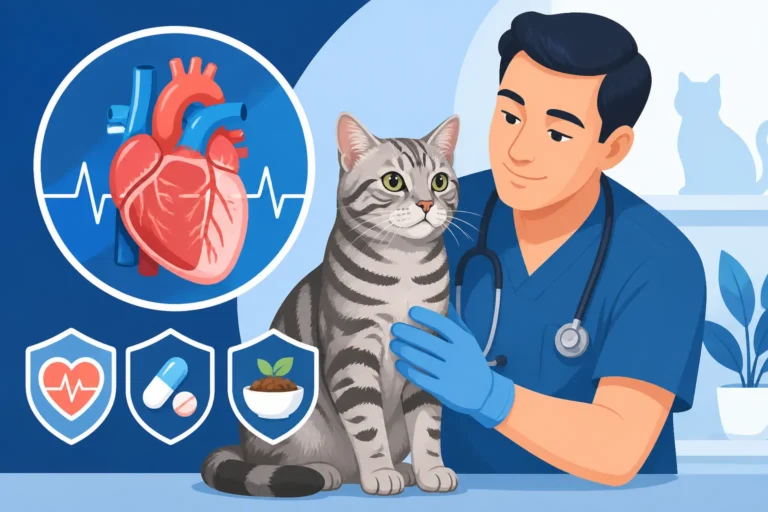
Veterinary management of hypertrophic cardiomyopathy in American Shorthairs involves regular screening, diagnostic staging, and tailored medical therapies.
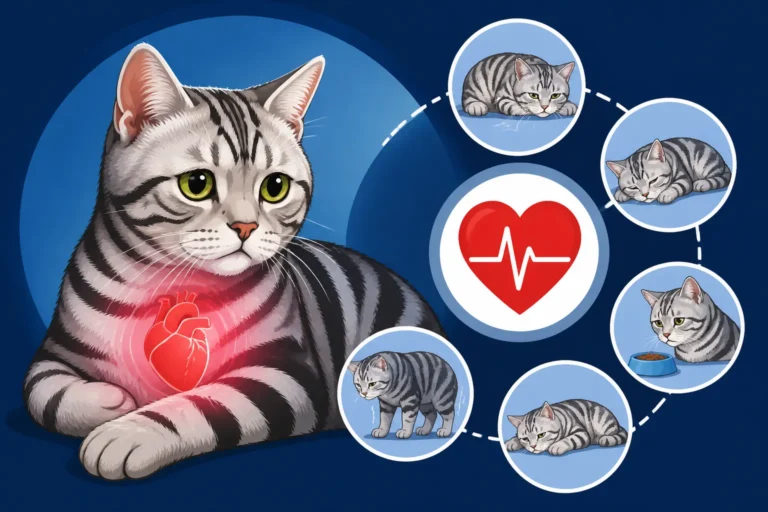
American Shorthair heart failure symptoms include rapid resting breathing, hidden withdrawal, weight loss, and sudden limb paralysis.