How Well a Collar Bell Stops an American Shorthair
The American Shorthair prey drive explains why collar bells fail to stop these skilled hunters from catching local wildlife.
Change the room, not the cat.
Litter box avoidance, scratching and furniture, multi-cat tension and night activity — and the vertical space, play routines and feeding puzzles that solve more than correction does.
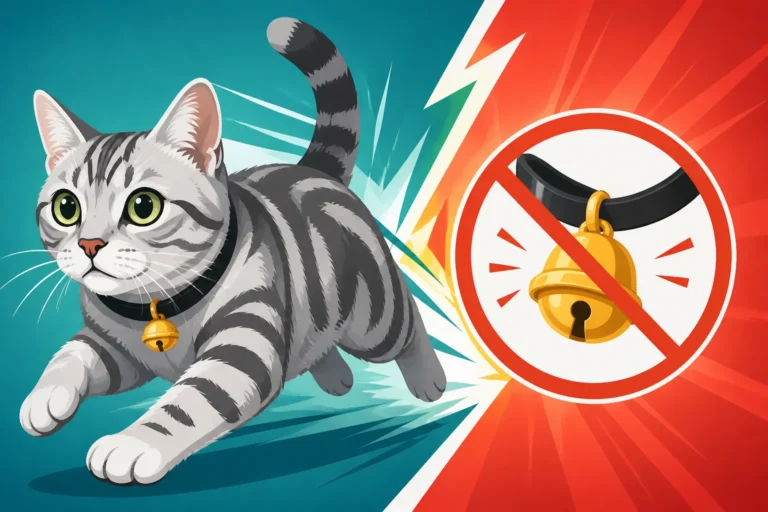
The American Shorthair prey drive explains why collar bells fail to stop these skilled hunters from catching local wildlife.
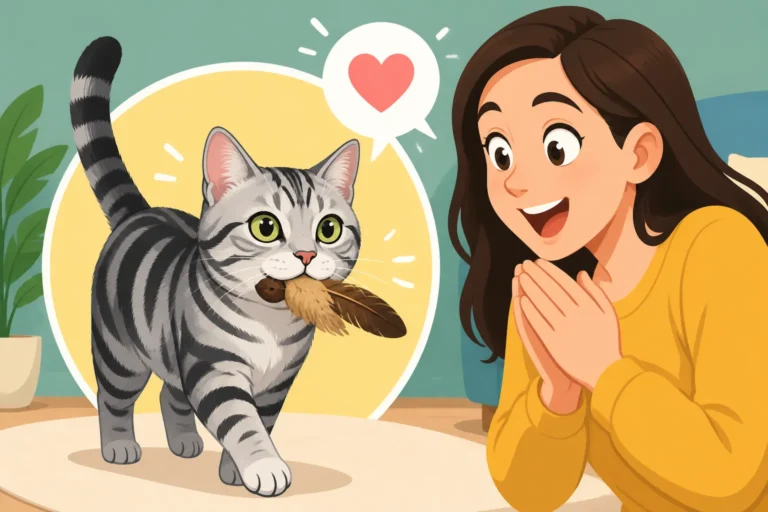
American Shorthair hunting instincts and gift delivery behaviors are explained, detailing how to stay calm and redirect energy.
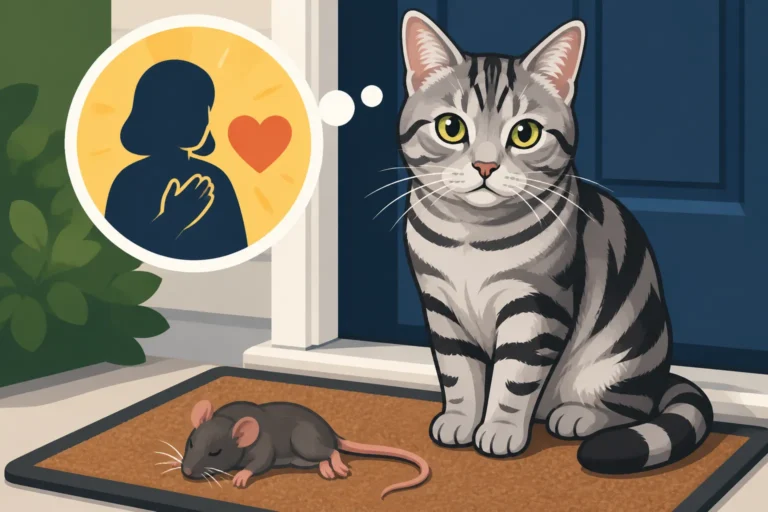
American Shorthair cats leave prey on doormats due to ancestral hunting instincts, feline social dynamics, and affection.
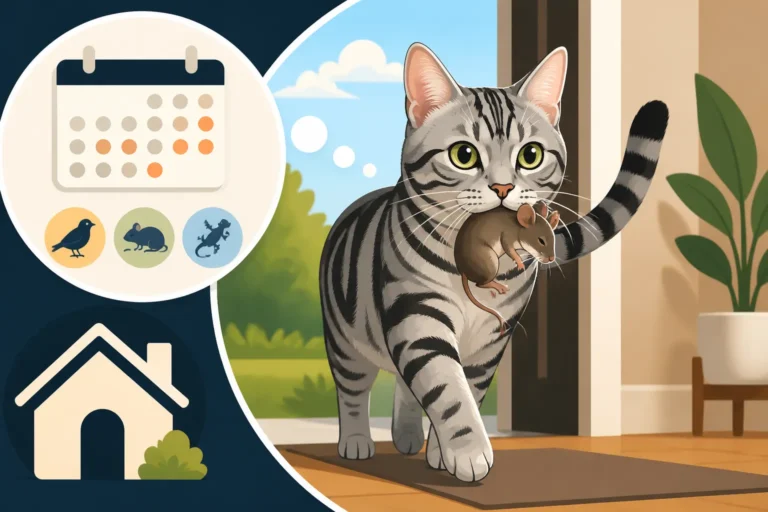
American Shorthair prey-bringing habits depend on outdoor access, hunting drive, and environment, explaining why cats share catches.
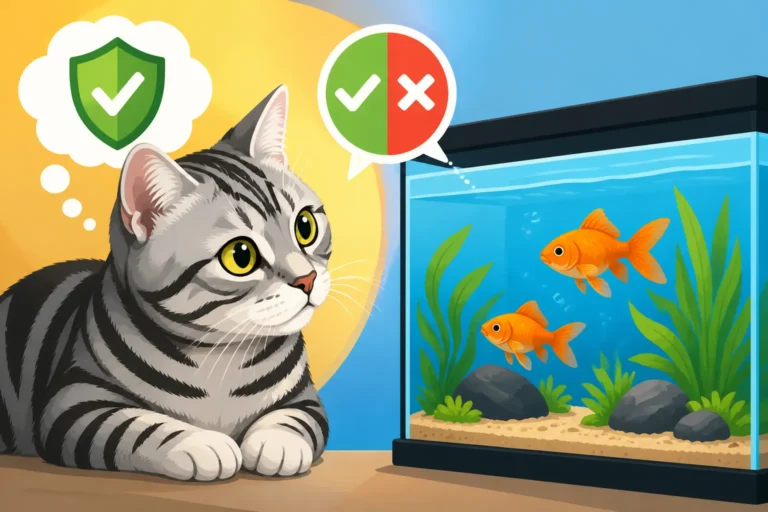
American Shorthair hunting instincts create fish tank safety risks, requiring heavy lids, cord protection, and play to protect both pets.
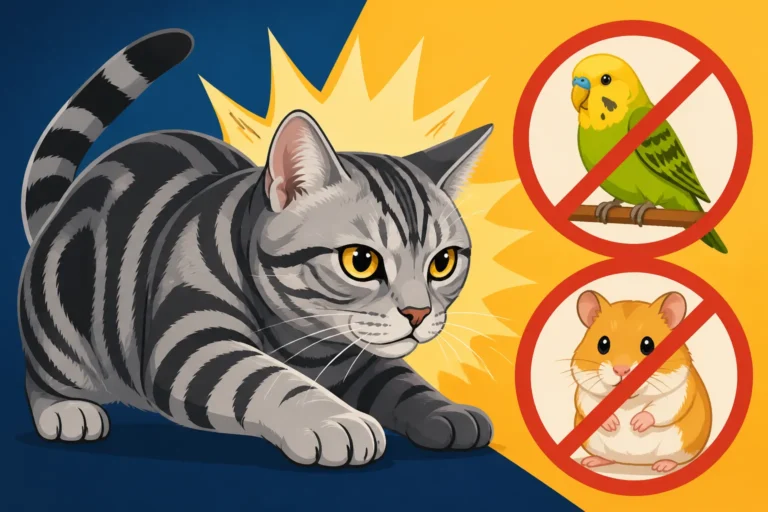
The American Shorthair features an ancient hunting heritage making bird and hamster cohabitation inherently risky and stressful.
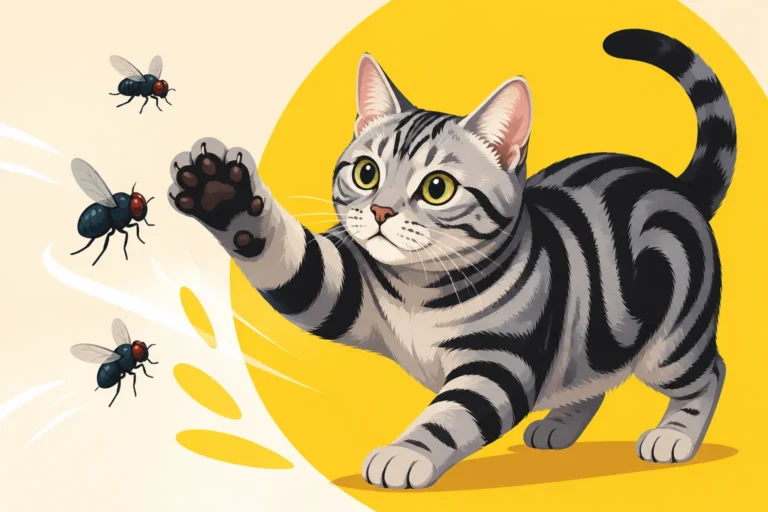
American Shorthair cats chase houseflies using inherited hunting instincts, but success rates depend on environment, age, and individual personality.
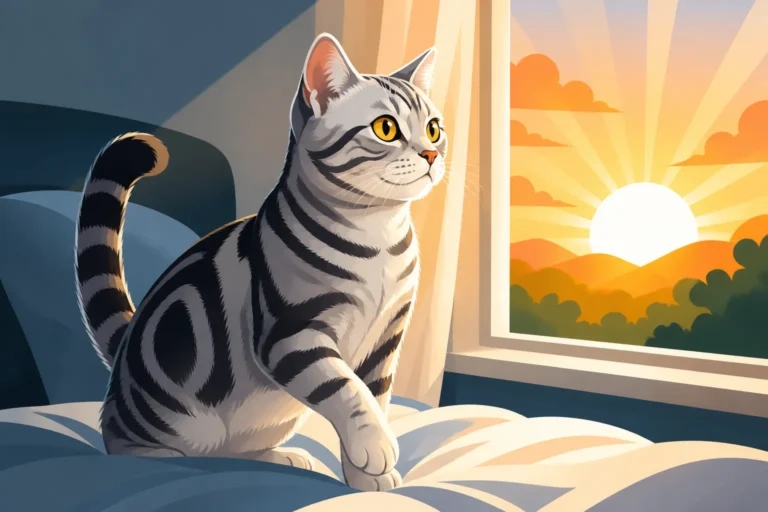
American Shorthair early morning wake-up calls stem from hunting instincts and environmental triggers, and owners can manage this behavior.
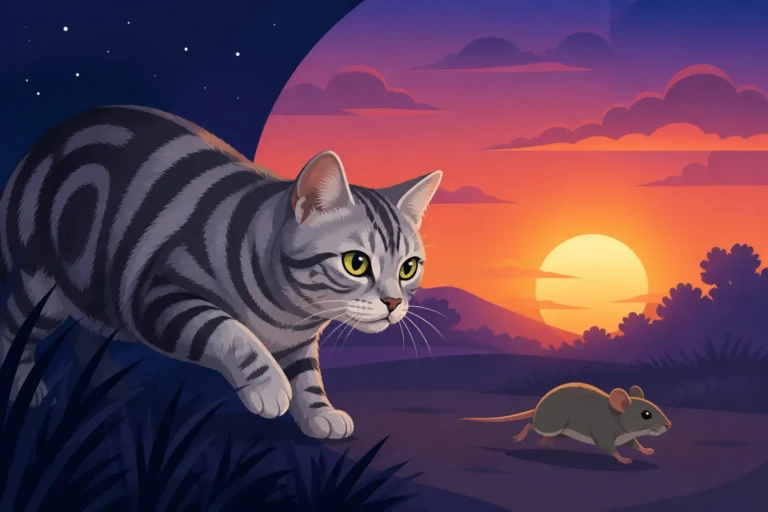
American Shorthair twilight hunting habits stem from ancestral survival instincts, low-light vision, and biological clocks.
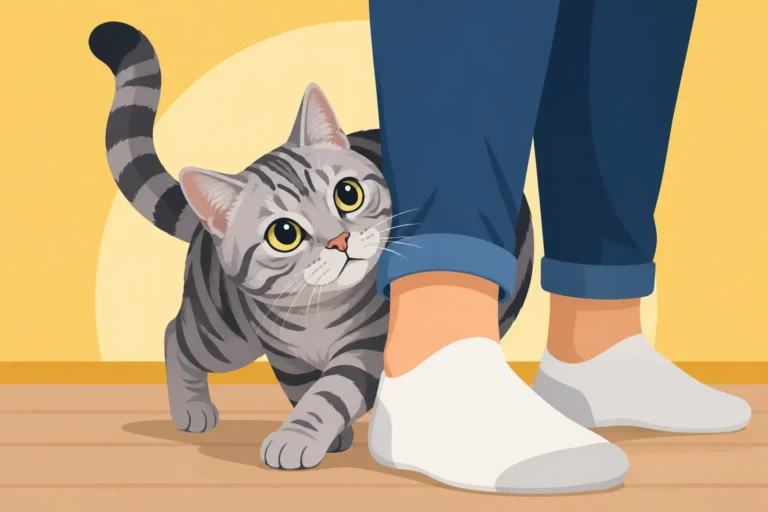
American Shorthair ankle-stalking stems from natural hunting instincts, offering owners ways to redirect energy with toys and enrichment.