What an Indoor American Shorthair Hunts Instead
Dust bunnies, insects, shadows, and human ankles serve as common household prey targets for indoor American Shorthair cats.
Change the room, not the cat.
Litter box avoidance, scratching and furniture, multi-cat tension and night activity — and the vertical space, play routines and feeding puzzles that solve more than correction does.
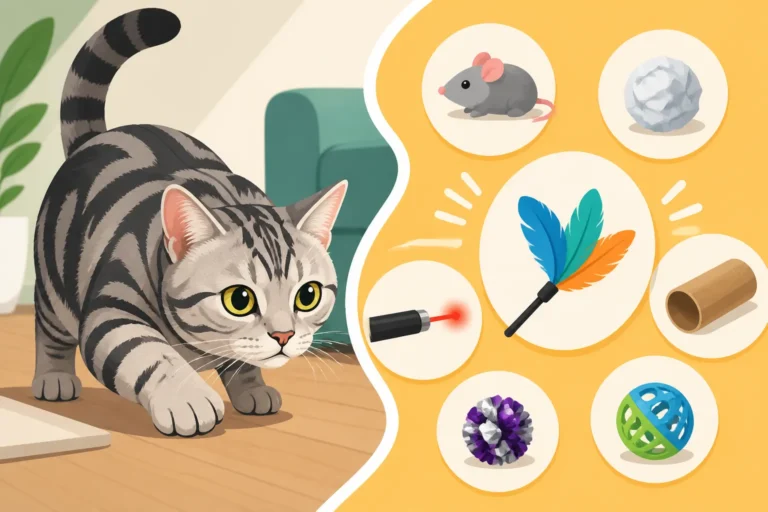
Dust bunnies, insects, shadows, and human ankles serve as common household prey targets for indoor American Shorthair cats.
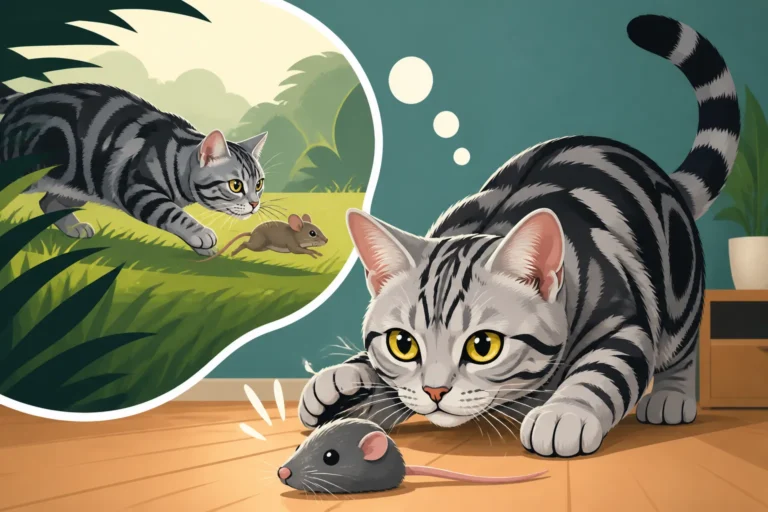
American Shorthair cats retain powerful predatory instincts inside homes because centuries of natural selection forged hardwired biological hunting drives.
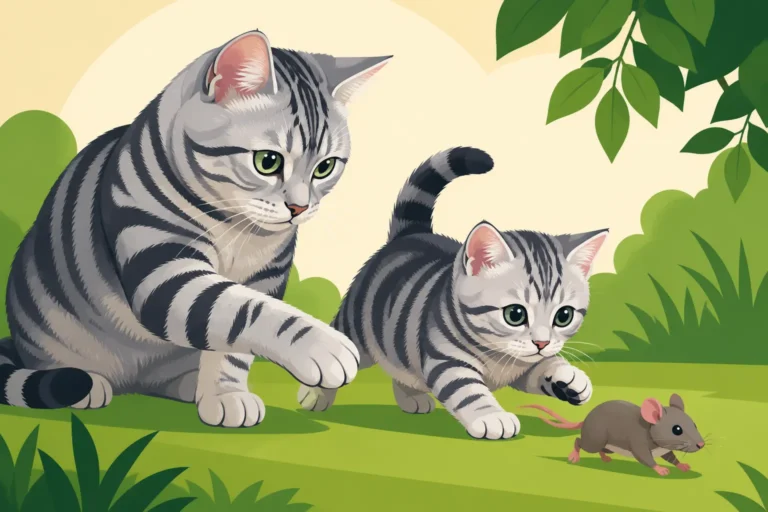
American Shorthair kitten hunting behavior blends inherited instinct with maternal refinement through observation, play, and practice.
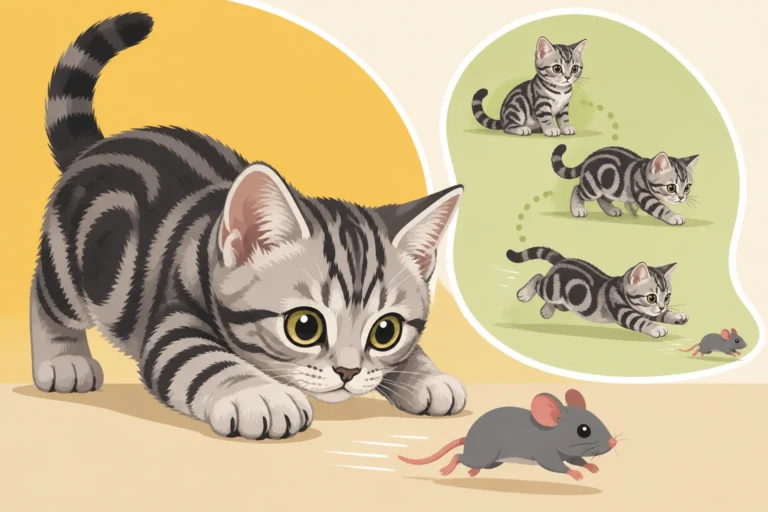
American Shorthair kittens learn hunting skills through genetics, maternal observation, and playful practice with toys and siblings.
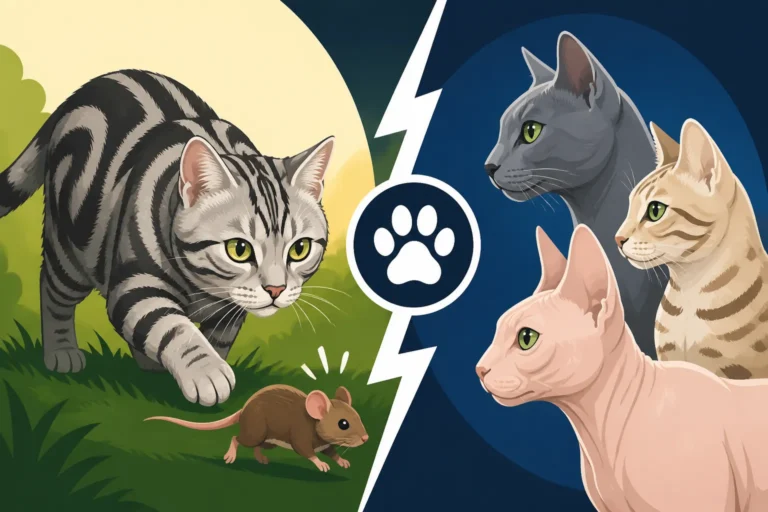
American Shorthair hunting instincts remain stronger than those of modern cat breeds due to centuries of selective breeding.
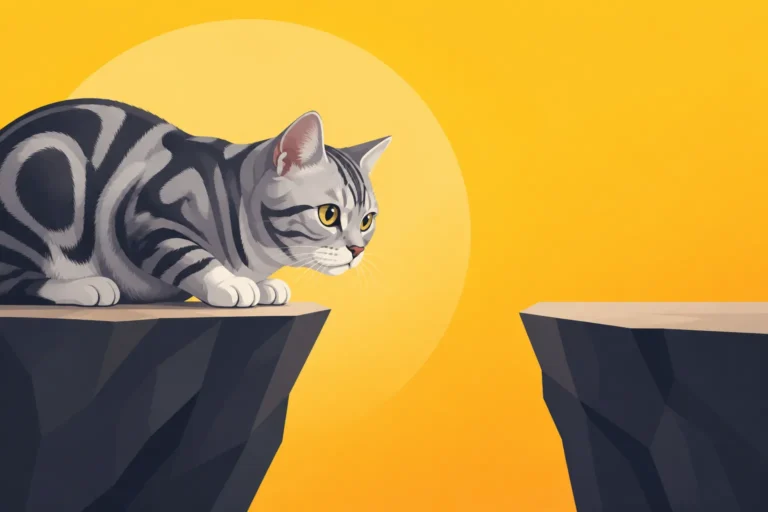
The American Shorthair uses generations of hunting instincts, quiet observation, and calculated persistence when facing tight gaps.
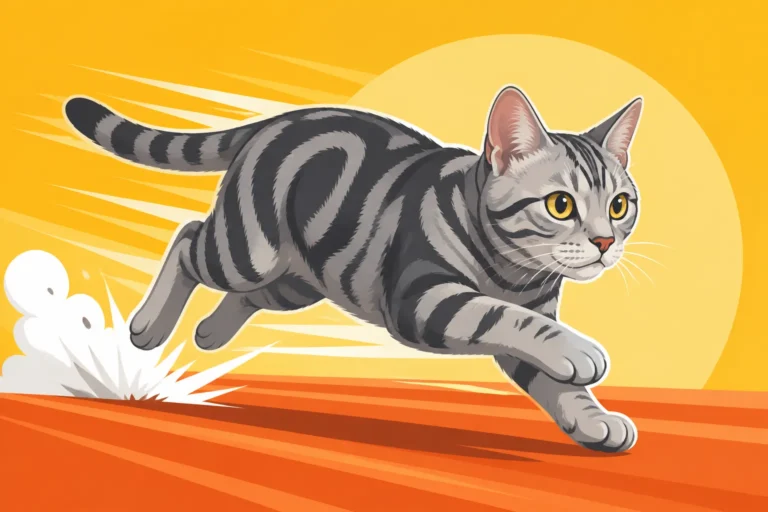
American Shorthair speed relies on dense muscles and low centers of gravity that drive short, explosive hunting sprints.
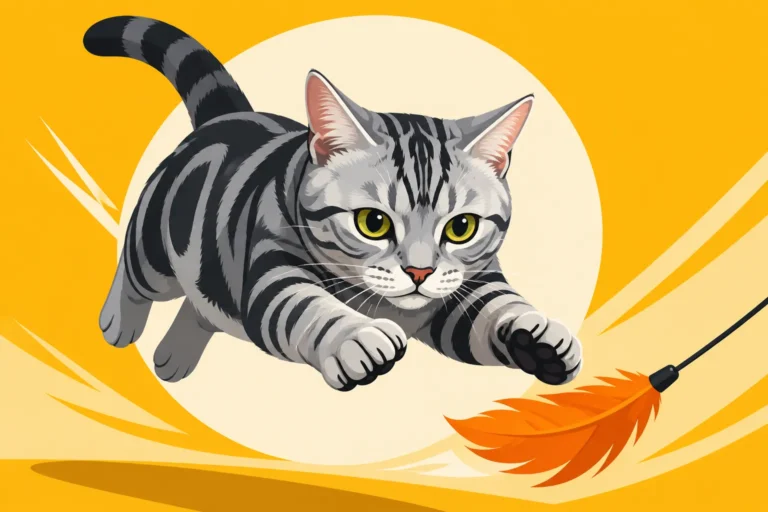
American Shorthairs combine inherited hunting instincts, strong hind legs, and precise front paws to execute a powerful indoor pounce.
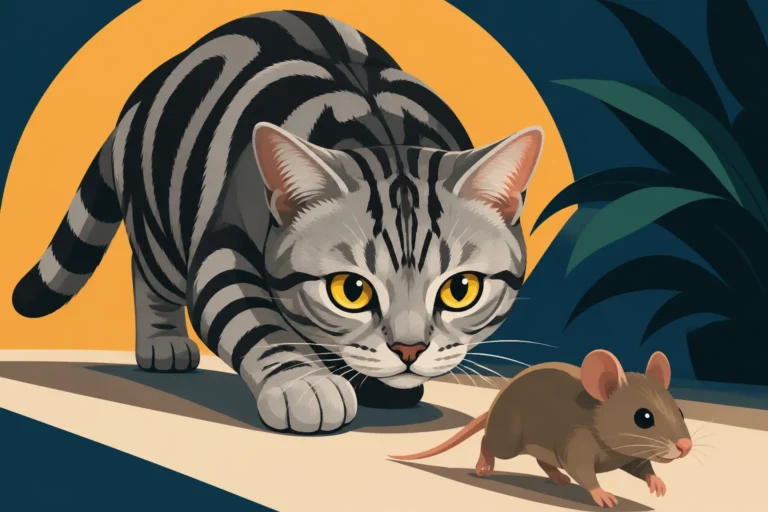
American Shorthair stalking behavior involves ancestral hunting instincts, stealthy body postures, and indoor triggers like moving toys and human feet.
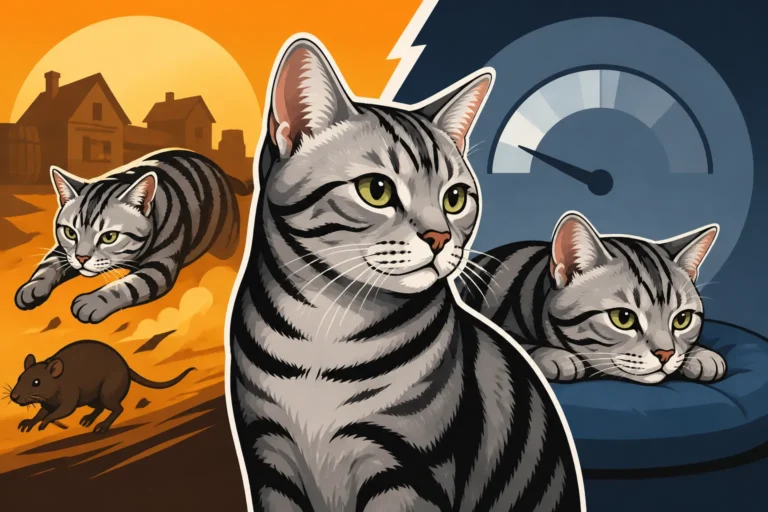
Centuries of shipboard ratting and farm survival forged the American Shorthair into an efficient hunter requiring proper outlets.