Why a Farm Bred American Shorthair’s Tolerance Suits a House With Children
American Shorthair history explains why farm bred cats tolerate busy children through independence, resilience, and calm observational traits.
Change the room, not the cat.
Litter box avoidance, scratching and furniture, multi-cat tension and night activity — and the vertical space, play routines and feeding puzzles that solve more than correction does.
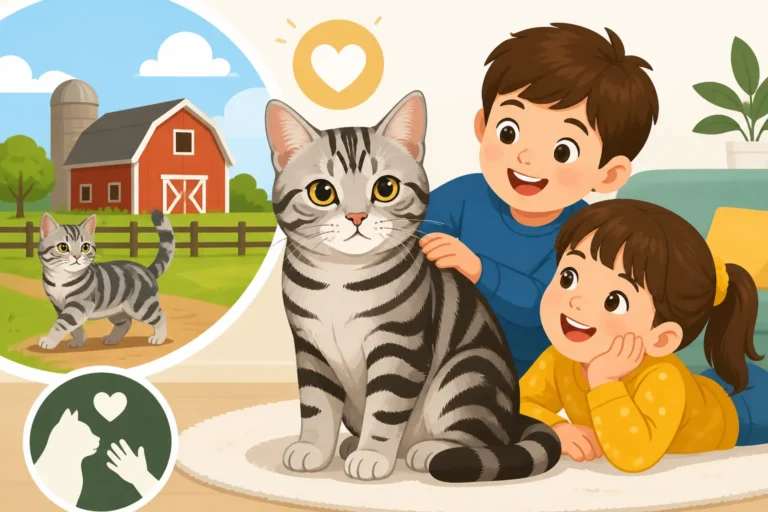
American Shorthair history explains why farm bred cats tolerate busy children through independence, resilience, and calm observational traits.
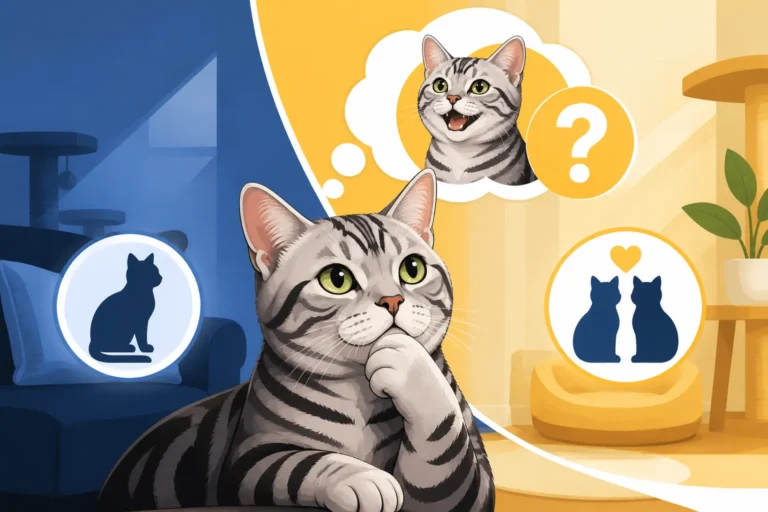
American Shorthair loneliness signs and historical working traits help owners decide if another cat fits their quiet household.
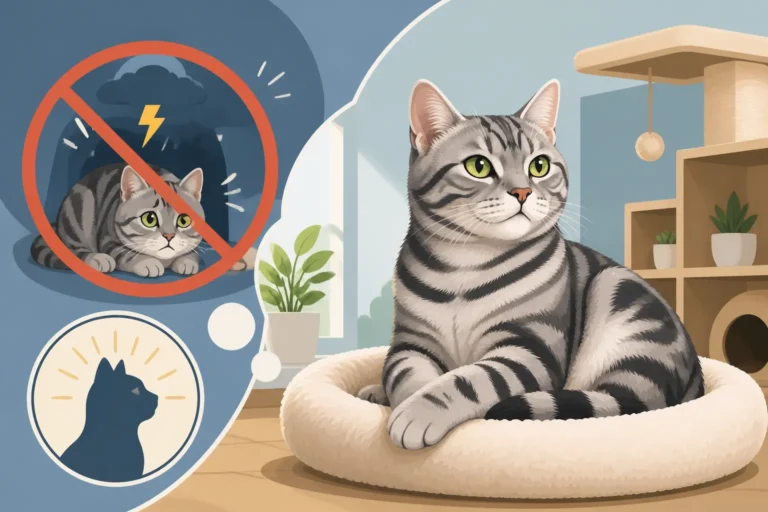
American Shorthair cats remain calm and self-reliant when left alone due to their history as working ship and farm mousers.
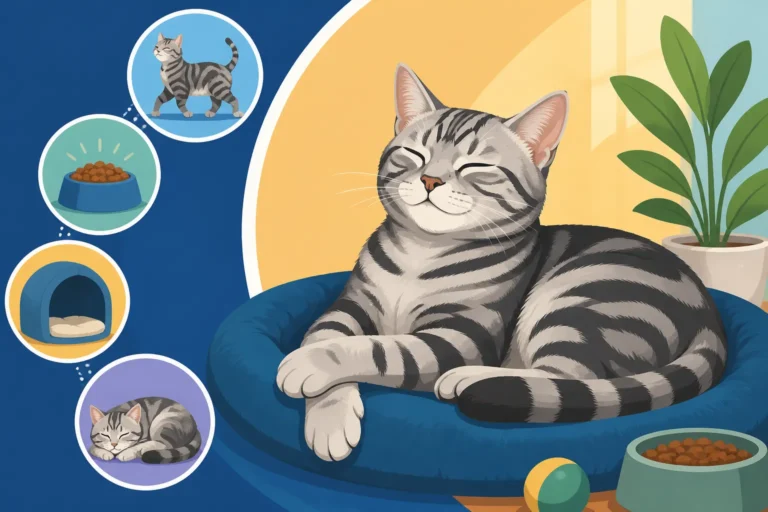
American Shorthair cats cope well with long days alone due to their independent working heritage and natural self-reliance.
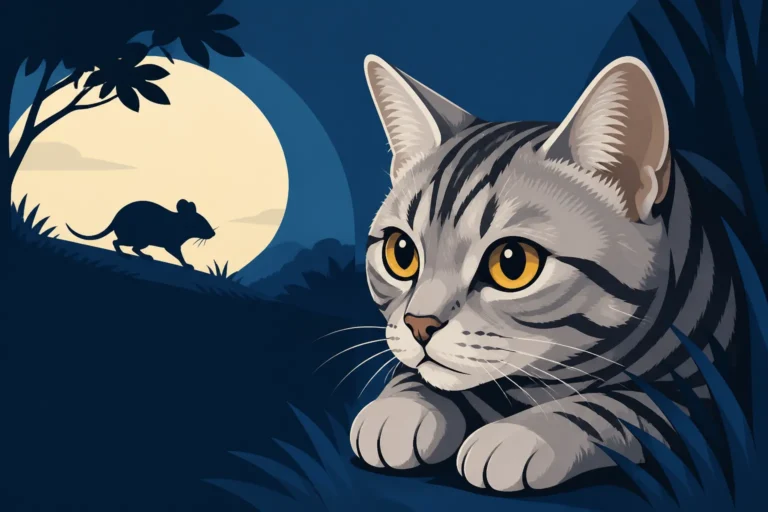
American Shorthair cats remain quiet due to evolutionary hunting stealth, farm work history, and independent survival traits.
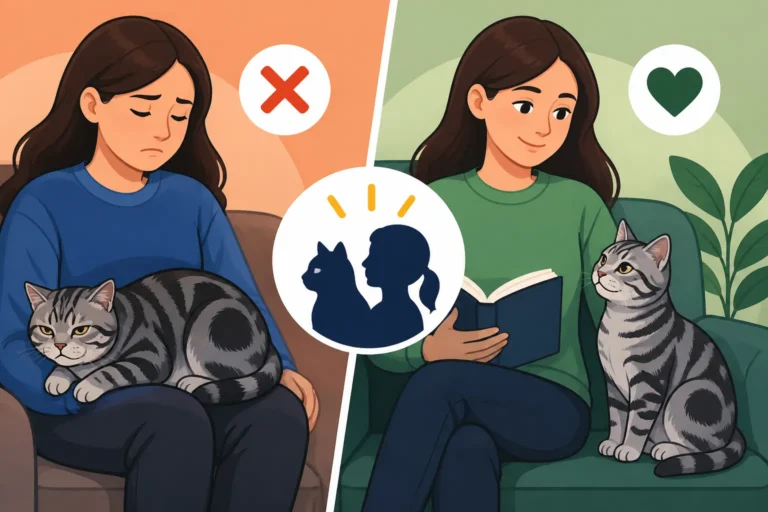
American Shorthair cats prefer sitting beside humans rather than laps due to independent working-bred history and instincts.
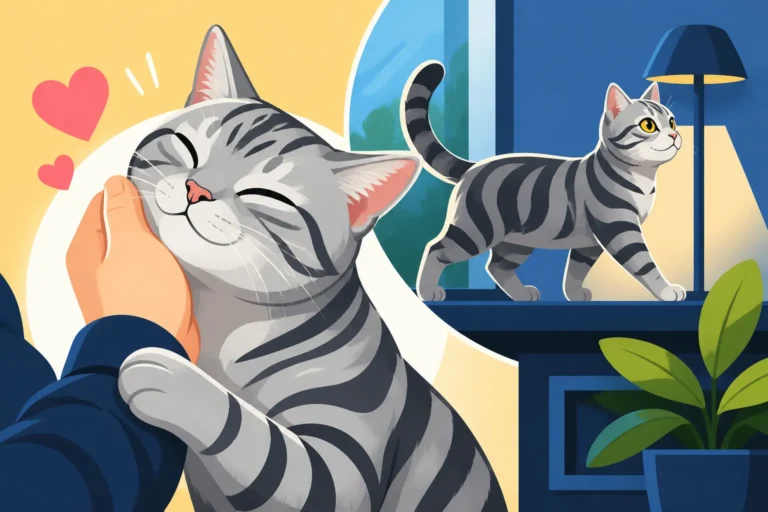
American Shorthair affection appears between daily patrols through quiet check-ins, gentle head bunting, and slow blinks.
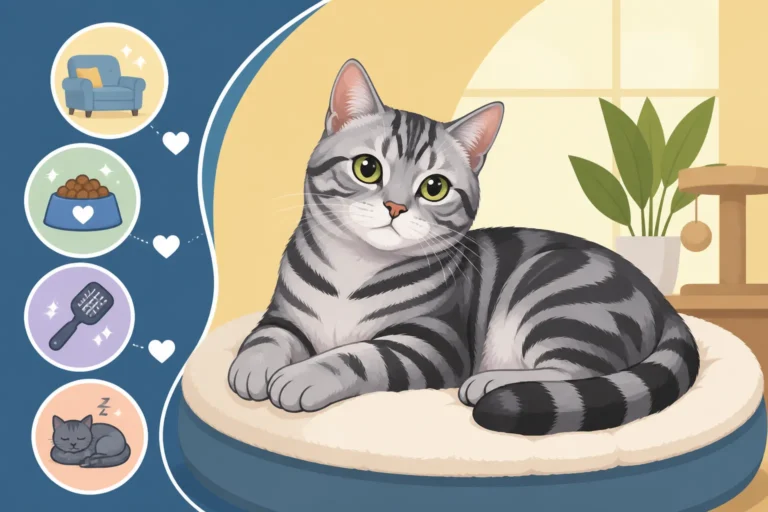
American Shorthair history and working ancestry explain this cat breed calm temperament, independence, and easygoing companionship style.
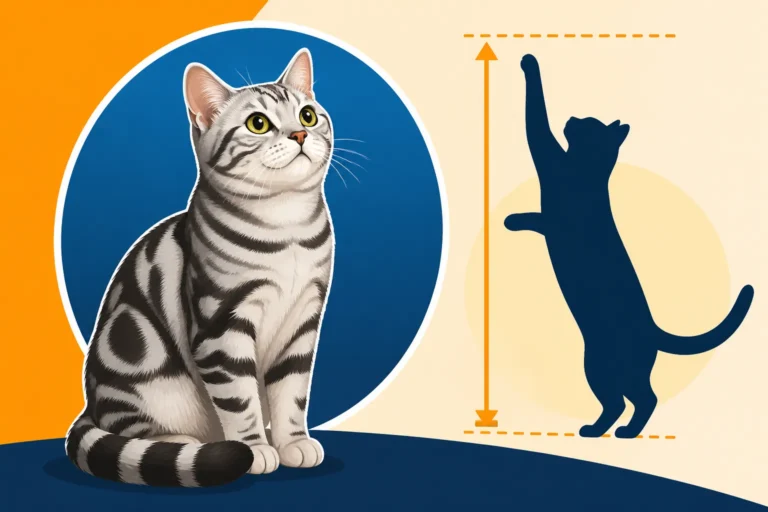
American Shorthair cats need perches at least five to six feet high to satisfy natural instincts and safely observe rooms.

American Shorthair working cat energy remains high, and this text explains how modern owners can channel that natural stamina.