Whether an Outdoor American Shorthair Should Be FIV Tested
Outdoor American Shorthair cats face FIV risks from bite wounds, making regular blood tests important for protecting their health.
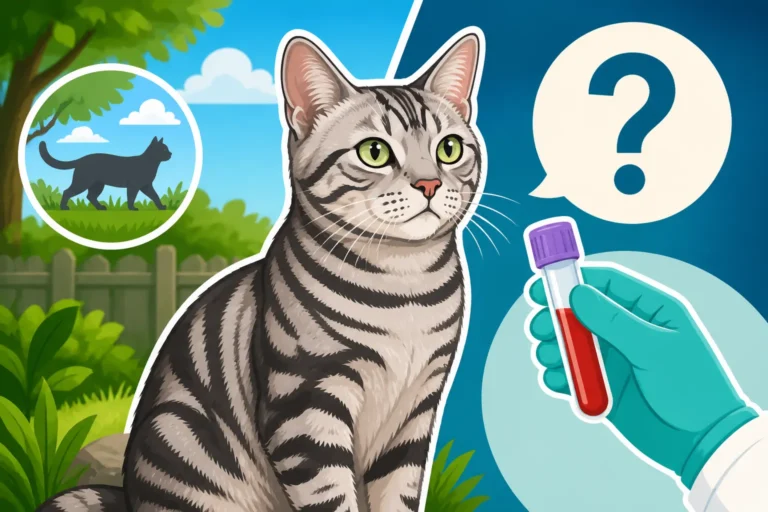
Outdoor American Shorthair cats face FIV risks from bite wounds, making regular blood tests important for protecting their health.
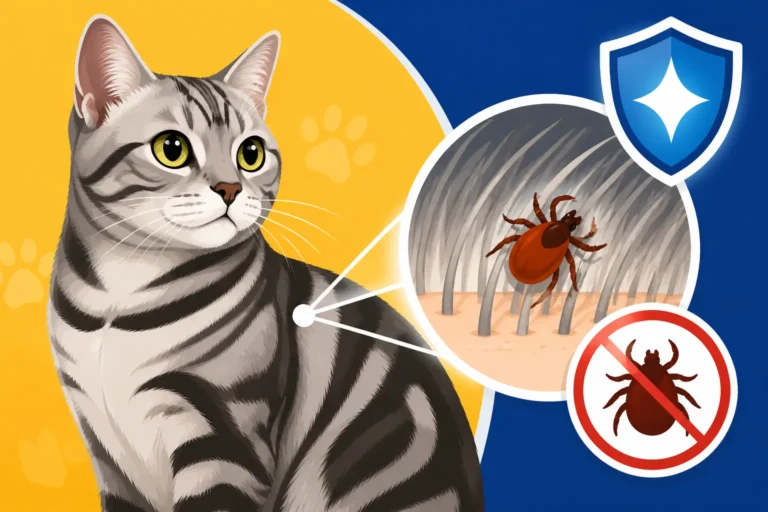
American Shorthair coats allow ticks to navigate dense fur, but routine checks and preventatives protect cats from parasites.
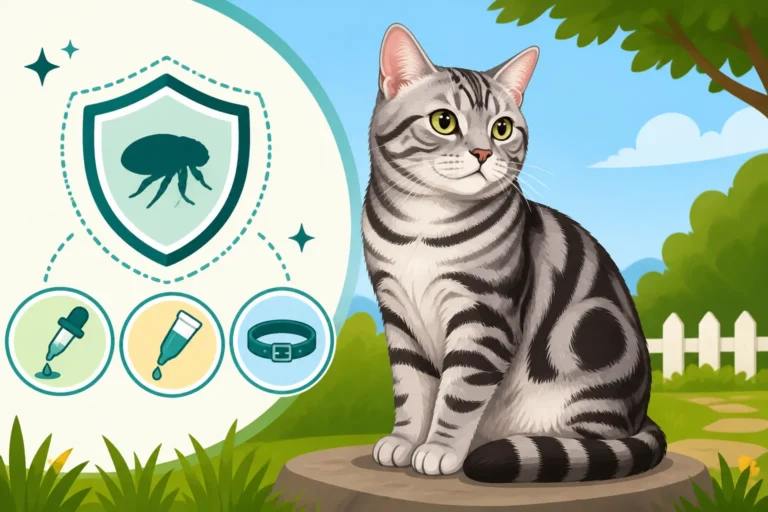
Outdoor American Shorthair cats need flea treatments determined by climate, local prevalence, and product schedules to prevent infestations.
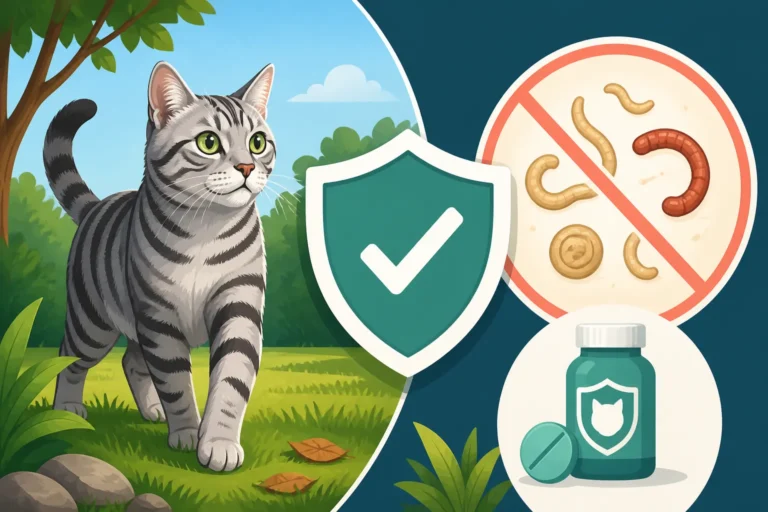
Regular deworming schedules for outdoor American Shorthairs depend on age, hunting habits, and environmental exposure risks.
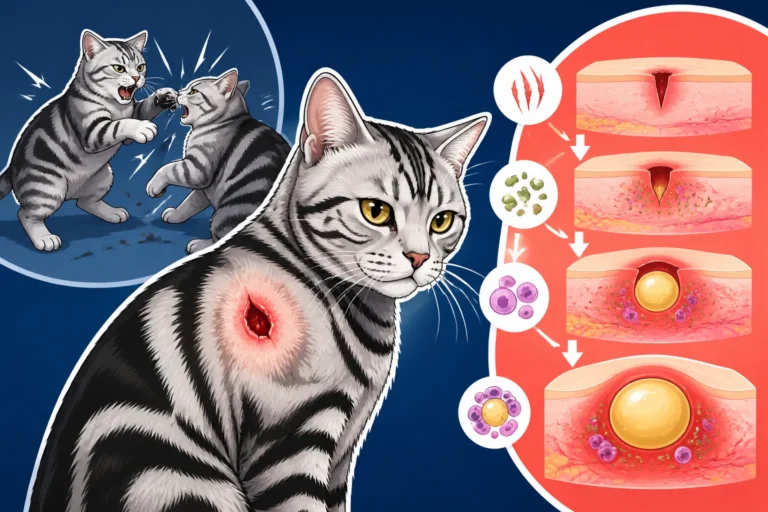
Abscess formation happens when an American Shorthair fights and bacteria enter deep puncture wounds, triggering immune responses.
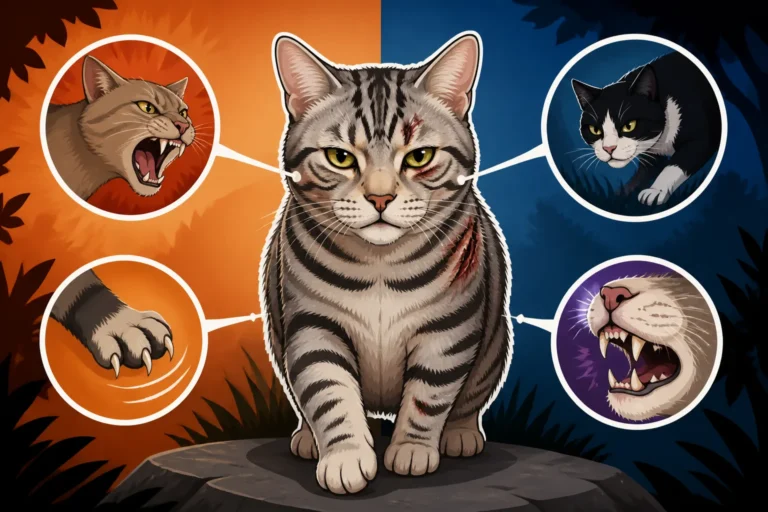
Outdoor American Shorthair fight wounds include punctures, scratches, and abscesses, requiring careful inspection and prompt veterinary medical treatment.
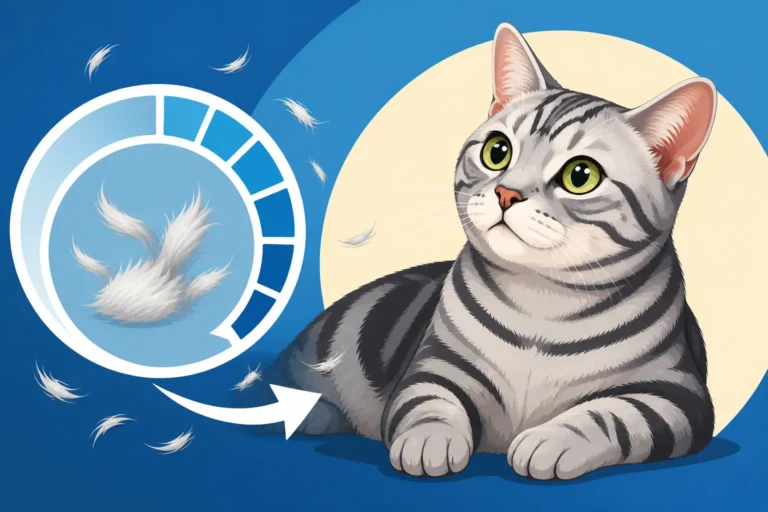
American Shorthair hairball frequency and seasonal shedding are explained, detailing normal behavior and warning signs for owners.
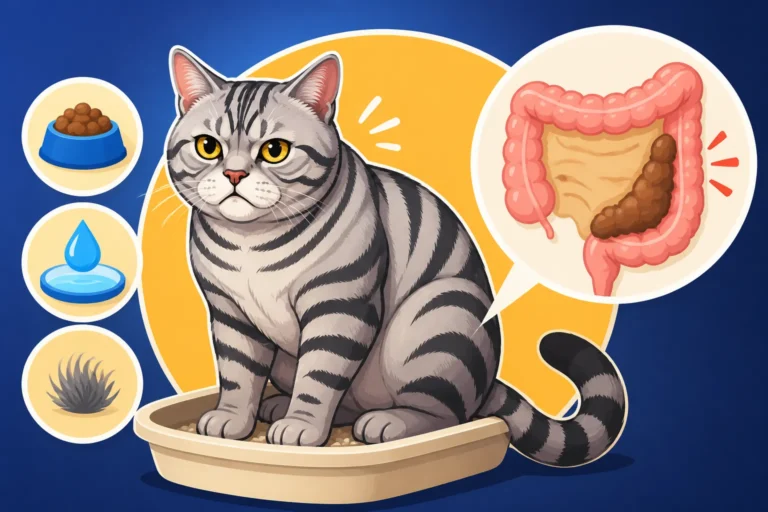
Muscle mass, reduced flexibility, joint pain, low-moisture diets, stress, and poor litter box setups cause American Shorthair constipation.

American Shorthair urinary diets become permanent based on specific conditions, stone types, and recurrence risks evaluated by veterinarians.
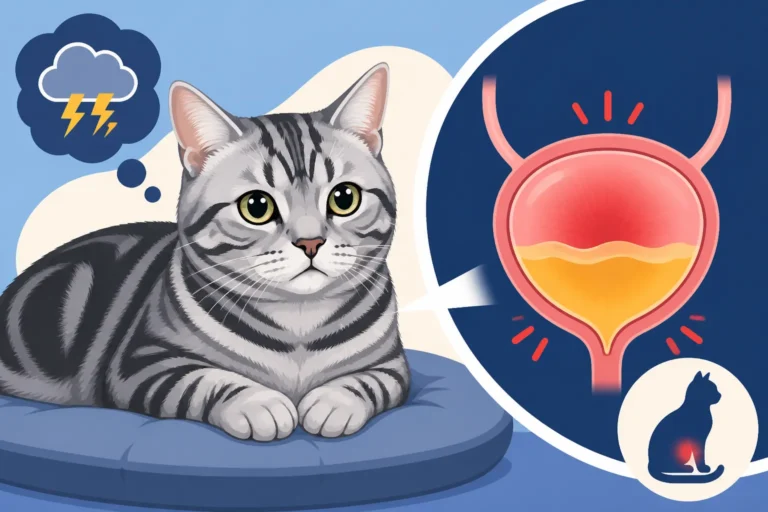
Stress cystitis in an American Shorthair explains why calm cats develop bladder inflammation and how to spot subtle red flags.