Caring for an Old American Shorthair
Senior American Shorthair care involves recognizing subtle behavioral shifts, reduced mobility, and physical changes during aging.
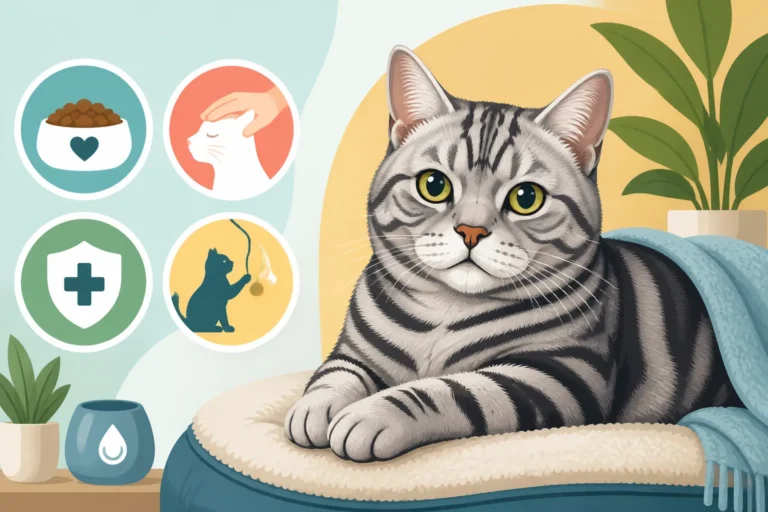
Senior American Shorthair care involves recognizing subtle behavioral shifts, reduced mobility, and physical changes during aging.
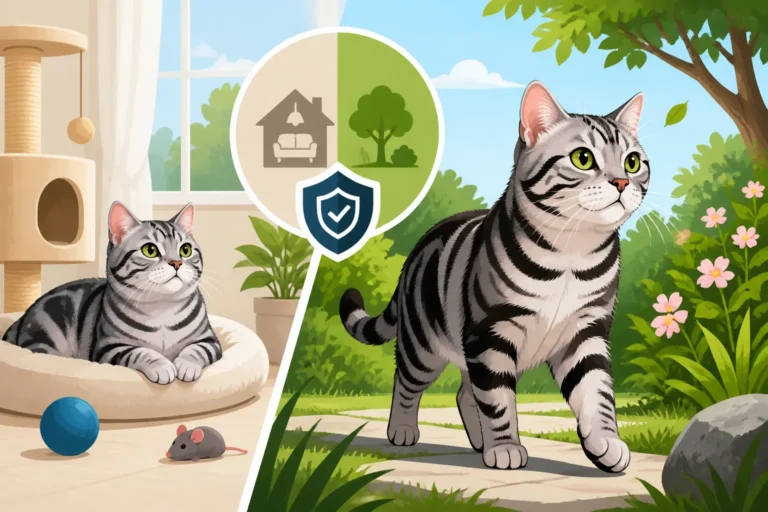
Outdoor American Shorthair health care requires rigorous parasite control and extended vaccination schedules for safety.
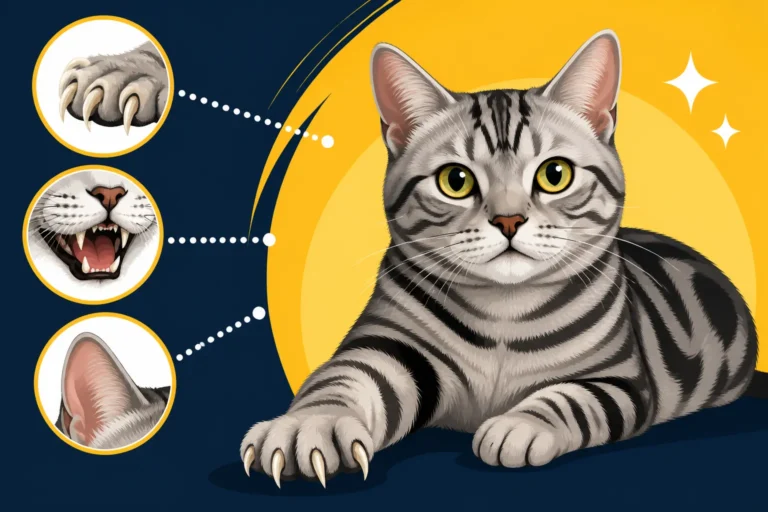
American Shorthair claw, tooth, and ear care explains how indoor living impacts the self-sufficient grooming habits of these cats.
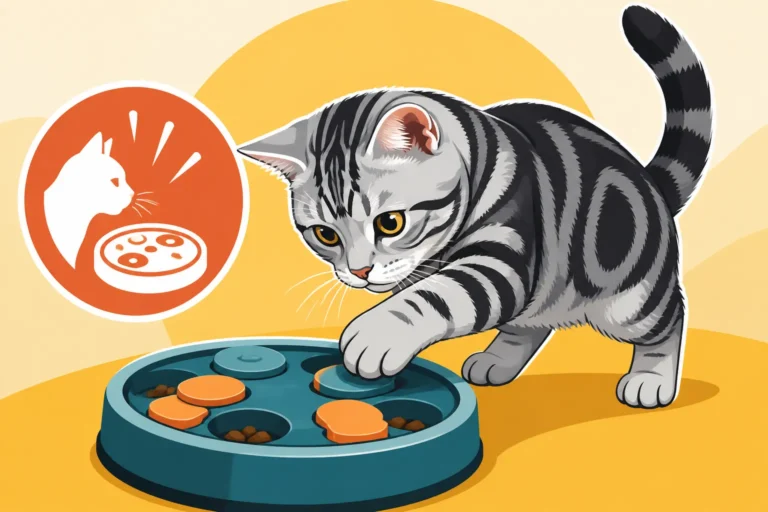
American Shorthair hunting instincts require physical movement and mental stimulation to combat obesity from easy bowl feeding.
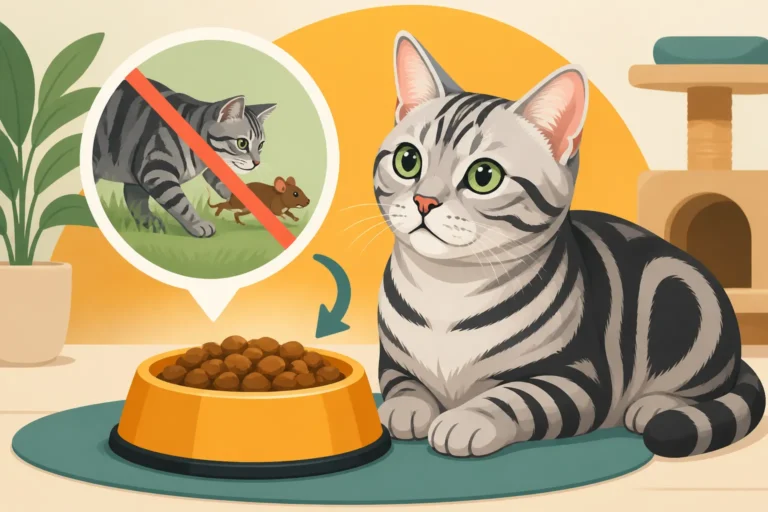
American Shorthair nutritional needs, meat protein requirements, and weight gain solutions for inactive cats eating from bowls.
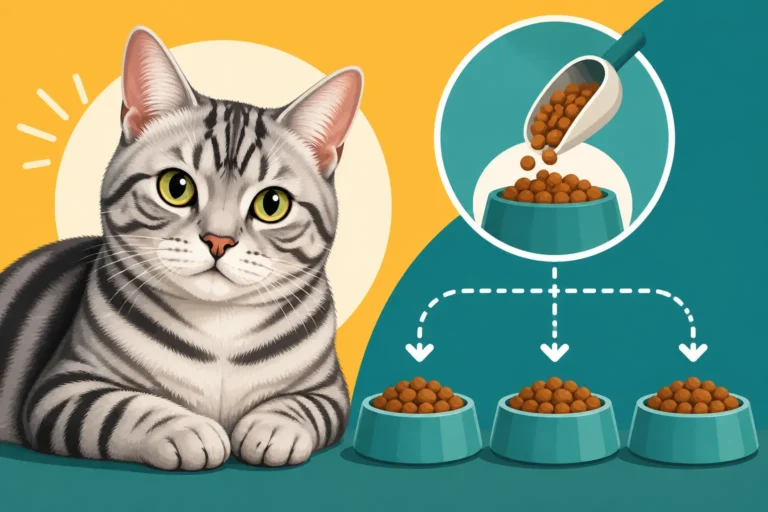
American Shorthair portioning strategies explain how history, calorie needs, and proper feeding maintain healthy feline weight.
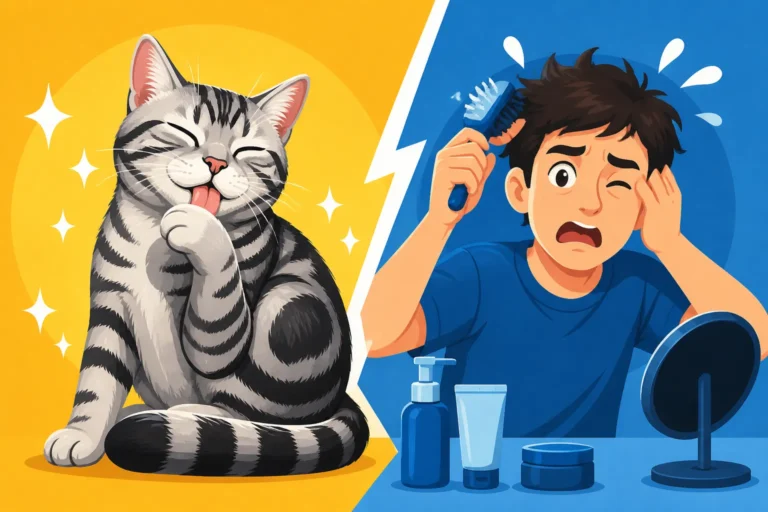
American Shorthair self-grooming relies on evolutionary traits, tongue papillae, and weather-resistant coats that regulate body temperature.
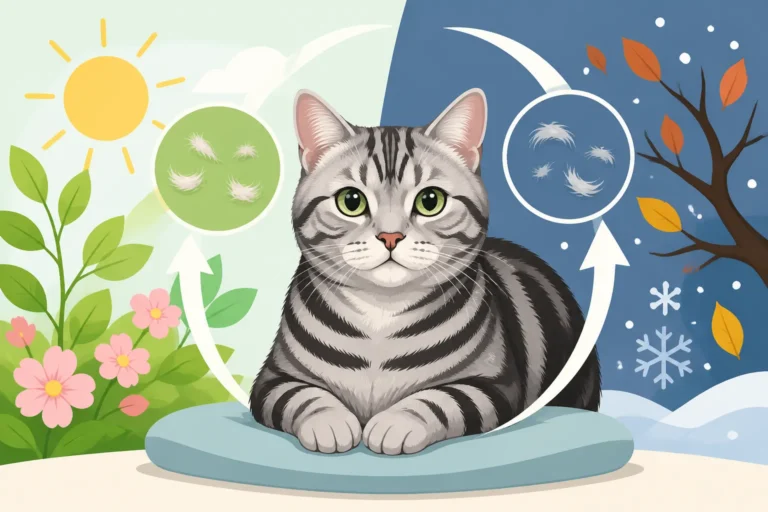
American Shorthair shedding happens twice yearly in spring and autumn, requiring specific grooming tools and techniques to manage.
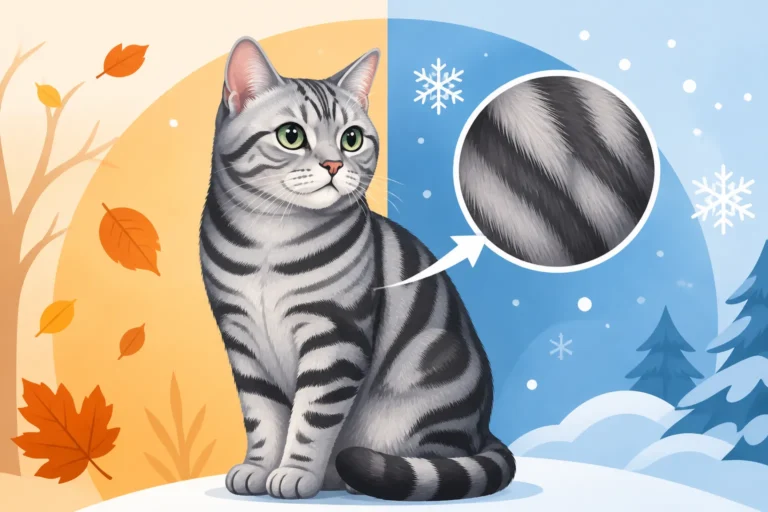
American Shorthair winter coat thickening occurs through daylight and hormone changes that build a dense insulating undercoat.
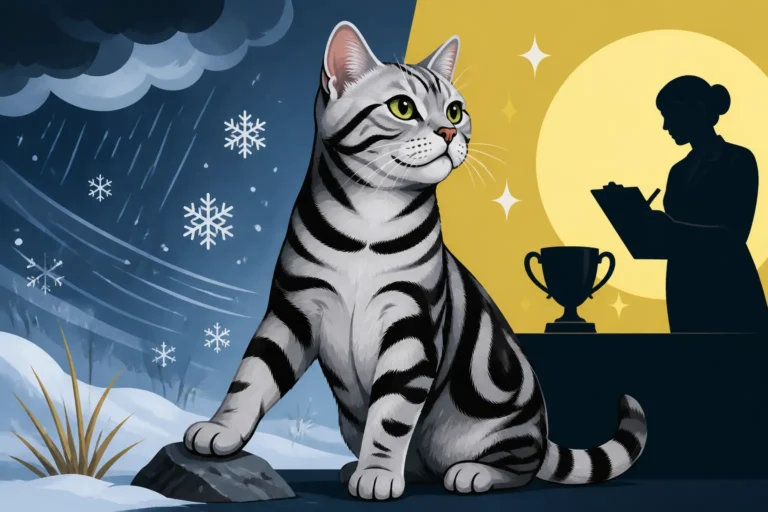
The American Shorthair coat features stiff guard hairs and an adaptive undercoat designed for harsh weather and survival.