How Rarely an American Shorthair Marks Indoors
It’s incredibly disheartening when you walk into a room and are met with that unmistakable smell or, worse, discover a wet spot where it absolutely shouldn't be. For American Shorthair owners, this can be particularly confusing because these cats are generally known for their robust health, calm demeanor, and impeccable litter box habits. This guide will walk you through why an American Shorthair rarely marks indoors, what might be going wrong when they do, and how you can resolve the issue with understanding and patience.
The American Shorthair's Innate Cleanliness and Territorial Habits
The American Shorthair has a long, proud history as a working cat, originally valued for its mousing prowess on ships and farms. This heritage deeply ingrained certain behaviors, including a natural inclination towards cleanliness and a specific way of managing their territory that typically doesn't involve indoor spraying.
Legacy of the Hunter: Instinct for Discrete Marking
Think about it: a hunter, especially one that relied on stealth to catch its prey, wouldn't want to broadcast its presence with strong, lingering odors. Their survival depended on being discreet. This instinct for subtlety extends to their territorial marking. Unlike some other breeds that might be more prone to spraying, the American Shorthair's ancestral drive to keep its hunting grounds clean and free of strong, alerting scents means they generally prefer not to use urine to announce their presence inside your home.
Instead of spraying, an American Shorthair tends to "mark" its territory in much more subtle ways. This can include rubbing their cheeks and chins on furniture, doors, or even your legs, depositing pheromones from glands in those areas. They might also scratch on vertical surfaces, which serves both to shed old claw sheaths and to leave a visual and scent mark from glands in their paw pads. These methods are usually enough for their confident, yet understated, personalities to establish their claim without creating an offensive smell. You might notice them doing this after you've moved furniture around, or if a new scent has been introduced to the home, as they're simply reaffirming their ownership of the space.
The Preference for Private Spaces
The American Shorthair is also a cat that values its personal space and a predictable routine. Their natural inclination is to relieve themselves in a designated, clean area – usually a litter box – and then move on. This is rooted in their history of maintaining a clean "den" or resting area. When you provide them with a suitable, comfortable, and consistent litter box setup, they are, by and large, incredibly reliable about using it.
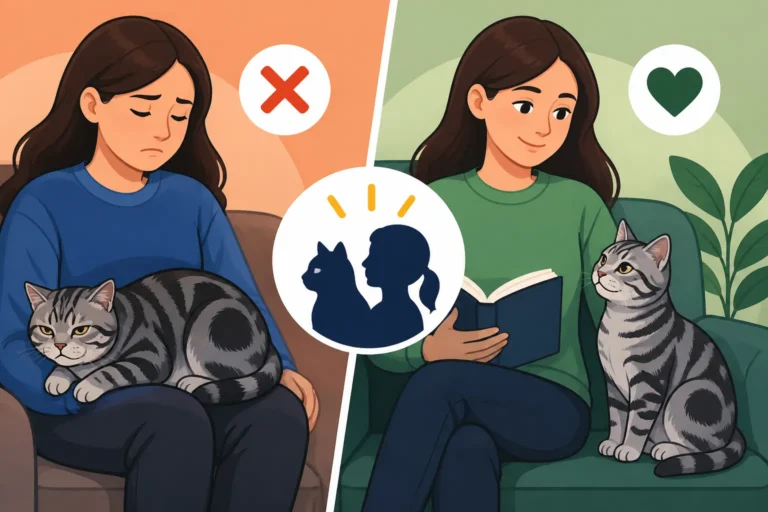
This means that if your typically fastidious American Shorthair suddenly starts marking indoors, it’s a clear signal that something is amiss. It’s not usually a deliberate act of defiance or a "bad habit" in the human sense. Instead, it's a desperate attempt to communicate distress, discomfort, or a feeling of insecurity in their environment. Ignoring it or punishing them will only escalate their anxiety and make the problem worse, rather than solving the underlying issue. They are creatures of habit and comfort, and deviations from their norm often stem from a deeply felt need.
Common Culprits Behind Indoor Marking in American Shorthairs
While it’s rare for an American Shorthair to mark indoors without a reason, it’s crucial to understand what those reasons might be. Addressing the root cause is the only way to effectively resolve the behavior and restore peace to your home.
Health Issues You Can't Ignore
When an American Shorthair begins marking outside the litter box, the very first thing you should do is schedule a vet visit. Seriously, this isn't optional. It's astonishing how often these behaviors are a direct result of an underlying medical condition. Cats are masters at hiding pain and discomfort, so a change in litter box habits might be the only sign you get.
Common culprits include urinary tract infections (UTIs), bladder stones, or even kidney disease. A cat with a UTI might associate the pain of urination with its litter box and seek other places that feel less threatening. Bladder stones can cause chronic discomfort and lead to frequent, small urinations outside the box. Older American Shorthairs can also develop kidney issues, leading to increased thirst and urination, which might overwhelm their usual litter box routine. A male American Shorthair is particularly prone to urinary blockages, which are life-threatening emergencies. Why a Male American Shorthair's Urethra Blocks First can give you more insight into this serious concern. Your vet will perform a thorough examination, including urinalysis and possibly blood work or X-rays, to rule out or diagnose any medical problems. This step is absolutely non-negotiable before you even begin to consider behavioral causes.
Environmental Stressors and Anxiety
Once medical issues are ruled out, it’s time to play detective with your cat's environment and routine. American Shorthairs thrive on stability, and even subtle changes can be a source of significant stress, leading them to feel insecure in their territory. When a cat feels threatened or anxious, marking can be a way for them to try and re-establish control or communicate their distress.
Consider any recent changes in your household:
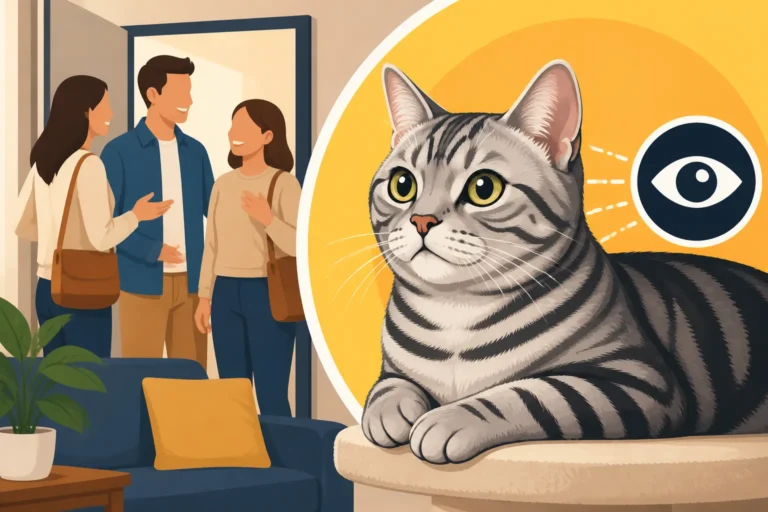
- New Pets or People: A new kitten, dog, or even a new baby can completely upend your cat's world. They might feel their territory is being encroached upon or that their status is threatened.
- Moving or Rearranging Furniture: Even something as seemingly minor as moving a couch can disrupt their familiar scent map, making them feel disoriented.
- Changes in Routine: A new work schedule that means you're away longer, or even changes in feeding times, can cause anxiety. How an American Shorthair Adapts to a New Work Routine touches on how they cope with such shifts.
- Loud Noises or Construction: Ongoing noise, either inside or outside your home, can make your cat feel unsafe.
- Conflict with Other Pets: Even if they've lived together for years, subtle tensions between cats can escalate, leading one to mark as a way of asserting dominance or expressing fear.
- Lack of Stimulation: Boredom and under-stimulation can lead to stress. An American Shorthair, even an indoor one, retains a strong prey drive. If they aren't getting enough opportunities to "hunt" and play, they might become anxious.
These stressors, even if they seem minor to us, can be profound for a cat that relies on a consistent, predictable environment to feel safe and secure.
Litter Box Logistics Gone Wrong
This is often the easiest problem to fix, yet it's a surprisingly common cause of marking behavior. You might think "a box is a box," but for a cat as particular as an American Shorthair, the details matter immensely. A litter box that isn't up to their standards is a huge source of frustration and a clear reason for them to seek alternatives.
- Cleanliness: This is paramount. Cats have a much stronger sense of smell than humans, and a dirty litter box is repulsive to them. Scoop at least once, ideally twice, a day. The entire litter needs to be changed and the box thoroughly scrubbed regularly, depending on the litter type and number of cats.
- Number of Boxes: The general rule of thumb is one litter box per cat, plus one extra. So, for one American Shorthair, you really should have two boxes. If you have two cats, aim for three. This prevents competition and ensures there's always a clean option. How Many Litter Boxes an American Shorthair Needs delves deeper into this.
- Size and Type: Many commercial litter boxes are simply too small for a full-grown American Shorthair. They are sturdy, muscular cats and need ample space to turn around comfortably, dig, and squat without touching the sides. Look for large, open-top boxes. Covered boxes can trap odors and make some cats feel vulnerable. Which Litter Box Suits a Square Built American Shorthair offers guidance on finding the right fit.
- Litter Type: Cats can be very particular about their litter. If you've recently changed brands or types, try switching back to what they were using before. Most cats prefer unscented, soft, clumping clay litter. Scented litters can be off-putting due to their strong perfumes.
- Location: The litter box should be in a quiet, private, yet easily accessible location. Avoid high-traffic areas, noisy appliances, or places where they might feel trapped or ambushed by other pets or children. Never place food and water bowls right next to the litter box – who wants to eat next to their toilet?
Any of these factors, alone or in combination, can lead your American Shorthair to decide that the litter box is no longer an acceptable place to relieve themselves, driving them to find more "suitable" (to them) spots in your home.
Practical Steps to Prevent and Address Marking Behaviors
Once you've ruled out medical issues, it's time to systematically tackle the environmental and behavioral aspects. Patience is key here; changing a cat's behavior takes time and consistency.
Optimize Your Cat's Environment
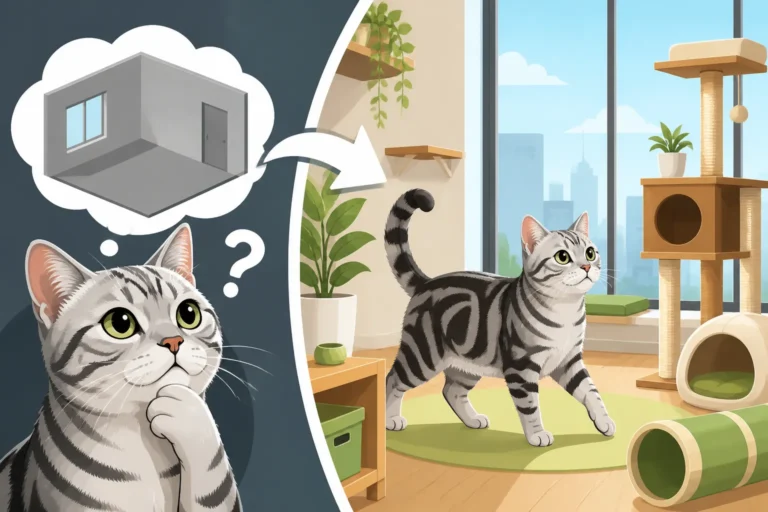
Creating a stress-free and enriching environment is crucial for preventing marking and for helping an anxious cat feel secure again.
- Provide Ample Resources: Ensure there are enough food bowls, water stations, beds, and hiding spots for all cats in the household, ideally in multiple locations. This reduces competition and anxiety.
- Vertical Space: American Shorthairs love to survey their territory from a high vantage point. Cat trees, shelves, or even clear spots on top of bookcases provide them with a sense of security and control. They can retreat to these spots when feeling overwhelmed. You can find many robust and attractive cat trees on Amazon that can accommodate their sturdy build.
- Enrichment and Play: Engage your American Shorthair in regular, interactive play sessions. Use wand toys, feather teasers, or even just crumpled paper balls to stimulate their natural hunting instincts. Aim for 10-15 minutes of play at least once or twice a day. This helps them burn off energy, reduce stress, and strengthens your bond. Consider incorporating puzzle feeders, which make them "work" for their food, mimicking a hunt and providing mental stimulation. Whether a Puzzle Feeder Satisfies an American Shorthair explains why these are so beneficial.
- Maintain Routine: Cats thrive on predictability. Try to keep feeding times, playtimes, and even your own schedule as consistent as possible. This helps them feel secure and reduces anxiety.
- Pheromone Diffusers: Products that release synthetic feline facial pheromones can help create a calming atmosphere and reduce stress in multi-cat households or during times of change. You can often find these readily available on Amazon or at your local pet supply store.
The Perfect Litter Box Setup
Revisiting and refining your litter box protocol is often the most impactful step in resolving inappropriate urination.
- The "N+1" Rule: As mentioned, always have one more litter box than the number of cats in your home. For a single American Shorthair, this means two boxes.
- Size Matters: Invest in the largest litter boxes you can find. Large storage tubs can sometimes be a more economical and spacious alternative to standard litter pans.
- Open Access: Opt for open-top litter boxes. While they might not be as aesthetically pleasing for you, they are generally preferred by cats as they don't trap odors and offer an escape route, making them feel less vulnerable.
- Location, Location, Location: Place litter boxes in quiet, low-traffic areas where your cat won't be disturbed. Spread them throughout the house if you have multiple floors or a large home. Ensure they are easily accessible, especially for older cats who might struggle with stairs.
- Scoop Religiously: Twice a day is the minimum. Cats are incredibly clean animals, and a dirty box is a strong deterrent.
- Consider Litter Type: Stick to unscented, clumping clay litter unless your vet recommends otherwise. If you're switching, do so gradually by mixing the new litter with the old over a week or two.
- Deep Clean Regularly: Depending on usage, fully empty, wash, and refill the litter boxes every 1-4 weeks with mild, unscented soap. Avoid harsh chemicals or strong cleaning agents, as their residual scent can deter your cat.
When to Seek Expert Help
Sometimes, even with all your best efforts, the problem persists. This doesn't mean you've failed, it just means you need a little extra help.
- Follow-Up Vet Visits: If the initial medical check came back clear, but the behavior continues, don't hesitate to go back to the vet. Sometimes a subtle issue is missed, or a new one develops. They might recommend further diagnostics or specialized diets if urinary crystals are a concern.
- Feline Behaviorist: For complex or persistent behavioral issues, consulting a certified feline behaviorist can be invaluable. These professionals specialize in understanding cat behavior and can help identify subtle stressors or patterns you might have overlooked. They can create a tailored plan to address your American Shorthair's specific needs.
- Thorough Cleaning: After any marking incident, it's crucial to clean the soiled area thoroughly with an enzymatic cleaner designed specifically for pet urine. Regular household cleaners won't break down the urine enzymes, and the lingering scent, undetectable to humans, will act as a "public restroom" sign for your cat, encouraging them to mark there again. Products like Nature's Miracle or Rocco & Roxie are widely available on Amazon and are highly effective.
Distinguishing Between Spraying and Inappropriate Urination
It’s often easy to lump all out-of-box urination together, but there's a significant difference between spraying and inappropriate urination. Understanding which one your American Shorthair is doing can give you crucial clues about the underlying cause and how to address it.
Deciphering the Signs
While both involve urine outside the litter box, the posture, volume, and location of the urine can tell you a lot.
Spraying:
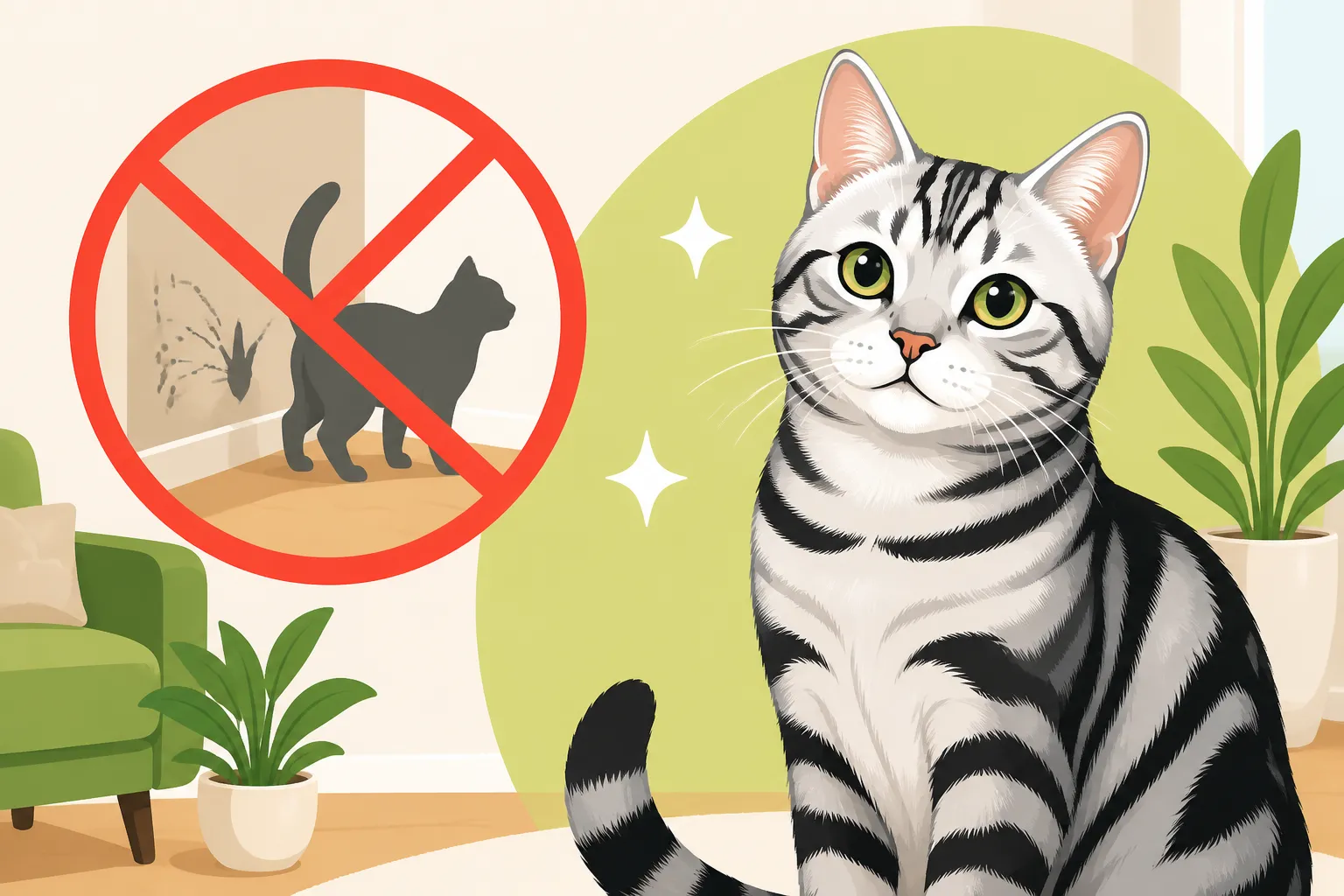
- Posture: The cat usually stands upright with its tail high, often quivering. They might back up to a vertical surface, such as a wall, door frame, or piece of furniture.
- Volume: Typically, it's a small amount of urine, a concentrated stream, not a large puddle.
- Location: Almost always on vertical surfaces. Common spots include walls near windows or doors, corners of rooms, curtains, or even bags left on the floor. These are often areas associated with entry points for perceived threats or places where territories overlap.
- Motivation: Primarily territorial marking, often driven by stress, perceived threats (like a new cat outside), or a strong desire to communicate their presence to other cats. It's less about the inability to use the litter box and more about making a statement.
Inappropriate Urination:
- Posture: The cat squats in a normal urination position, just as they would in a litter box.
- Volume: Usually a larger puddle of urine, similar to what you'd expect to find in a litter box.
- Location: Often on horizontal surfaces like rugs, carpets, bedding, laundry piles, or smooth floors. The key is that they are doing a full urination, just in the wrong place.
- Motivation: Often linked to a physical discomfort (like a UTI or bladder stones making the litter box painful), dissatisfaction with the litter box itself (too dirty, wrong litter, bad location), or a general aversion to the litter box for other reasons (e.g., being ambushed by another cat there). It's typically a result of avoidance, not territorial assertion.
Here's a quick comparison table:
| Feature | Spraying (Territorial Marking) | Inappropriate Urination (Elimination Outside Box) |
|---|---|---|
| Posture | Standing upright, tail quivering | Squatting, normal urination posture |
| Volume of Urine | Small, concentrated stream | Larger puddle, full bladder void |
| Location | Vertical surfaces (walls, doors, furniture) | Horizontal surfaces (rugs, beds, floor) |
| Motivation | Stress, territorial claims, anxiety | Medical issue, litter box aversion, discomfort |
Why the Distinction Matters for Treatment
Understanding whether your American Shorthair is spraying or simply urinating inappropriately is crucial because it directly influences your problem-solving strategy.
If it's spraying, your focus needs to be heavily on reducing stress and managing their perception of their territory. This means identifying and mitigating stressors, increasing environmental enrichment, using calming pheromone diffusers, and potentially addressing inter-cat aggression if you have multiple felines. It's about making them feel secure in their core territory so they don't feel the need to broadcast their presence so explicitly.
If it's inappropriate urination, your first priority is a vet visit to rule out medical issues. Once health is cleared, then you'll concentrate on optimizing every single aspect of the litter box setup. This includes the number, size, type, location, and cleanliness of the boxes, as well as the type of litter used. It's about making the litter box the most appealing and comfortable place for them to go, removing any reasons they might have to avoid it.
Ultimately, while an American Shorthair is an incredibly reliable and clean cat, they are still living creatures with complex needs and instincts. When they step outside their usual pristine habits, it's not a challenge to your authority, but a call for help. With careful observation, patience, and the right approach, you can usually get to the bottom of the issue and ensure your American Shorthair is happy, healthy, and back to being the well-mannered housemate you cherish.
Disclaimer
This article is for general informational purposes only and does not constitute professional advice. Laws, prices and regulations vary by location and change over time. Consult a qualified professional for guidance on your specific situation.