How an American Shorthair Greets You After Work
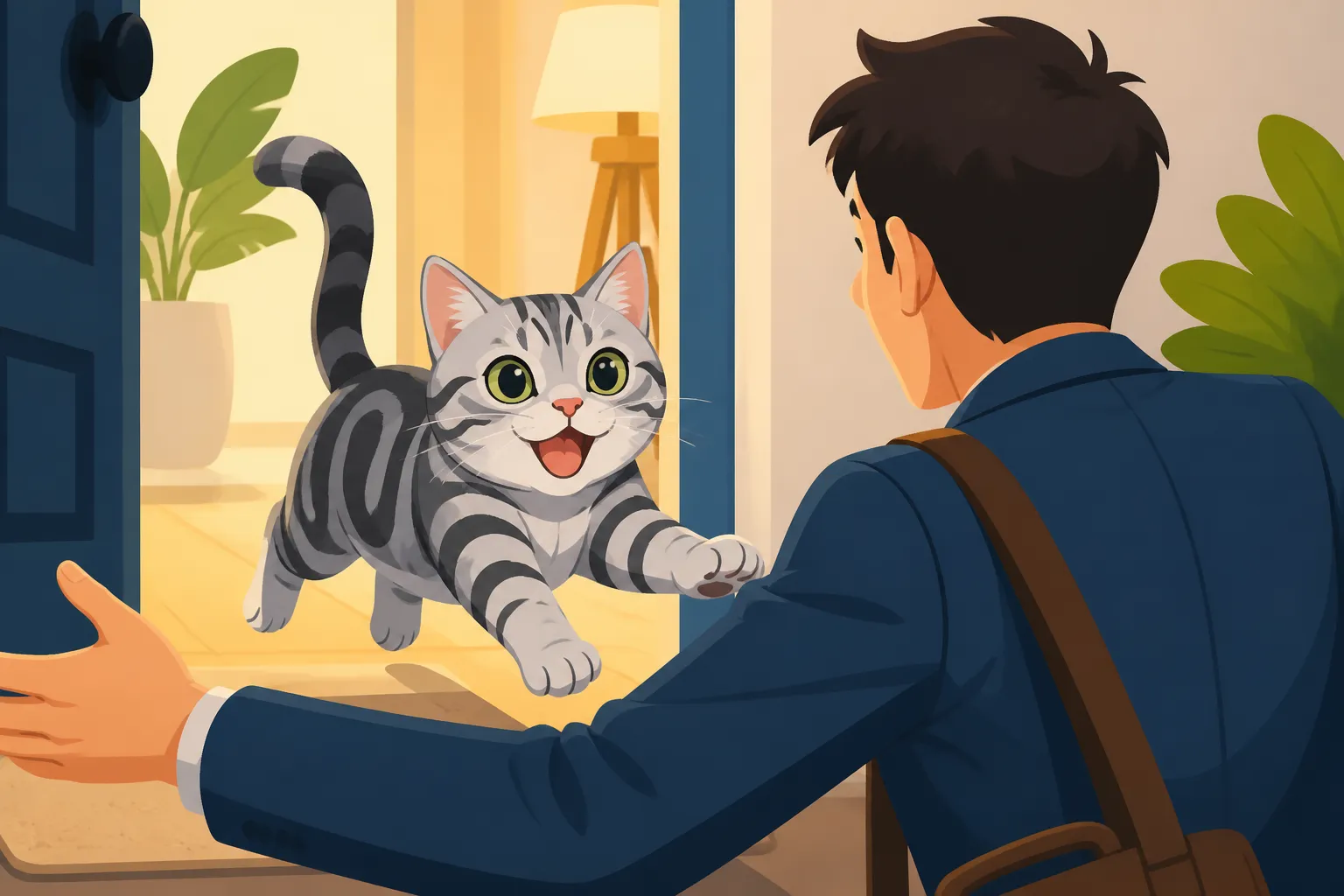
You’ve had a long day, perhaps battling traffic, deciphering spreadsheets, or navigating the endless demands of the outside world. All you want is to walk through your front door and be greeted by the comforting presence of your feline companion. But if you share your home with an American Shorthair, you might find their homecoming welcome is a little… understated. This isn't a slight; it's just who they are, and understanding their unique way of saying "welcome home" can deepen your bond. This guide will help you interpret those subtle cues and appreciate the quiet devotion of your American Shorthair after your workday.
The American Shorthair's Unspoken Welcome
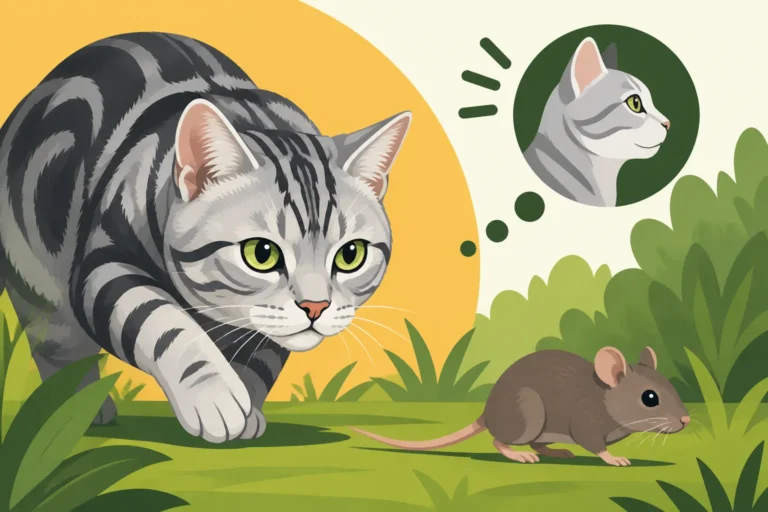
When you picture coming home to a cat, you might envision a flurry of purrs, insistent meows, and a cat weaving frantically around your legs. While some breeds might offer this theatrical performance, the American Shorthair often takes a more refined, observational approach. Their history as practical, self-sufficient working cats, rather than lap warmers, means their affections are often expressed in ways that are less boisterous but no less heartfelt. They aren't aloof; they're simply discerning and grounded in their instincts.
A Subtle, Observational Welcome
Instead of a full-throttle charge, your American Shorthair might initially greet you from a doorway, a high perch, or even just by subtly shifting their position on the sofa. Their eyes will track you as you move, assessing your presence. This isn't disinterest, far from it. Think of it more as their internal "all-clear" signal. They're confirming that you are indeed you, and that your return doesn't signal any immediate threat or disruption to their meticulously maintained territory. It’s the kind of practical assessment you'd expect from a descendant of hardy ship's cats and barn guardians. They're processing, observing, and then, only then, deciding on their next move. It’s a quiet testament to their intelligence and self-reliance, a trait they've carried forward through generations.
The Tail Tell-All
While their meows might be minimal and their body language might not scream "ecstatic," pay close attention to their tail. This is often the most expressive part of an American Shorthair. A tail held high, perhaps with a slight curl at the tip, is a clear sign of contentment and welcome. It's their flag of approval, waving gently as you shed your coat or put down your bag. You might even see a soft, slow wag, reminiscent of a dog, but with a distinctly feline nuance. If the tail is twitching or flicking rapidly, it could indicate excitement or anticipation, especially if they associate your arrival with dinner time or a favorite play session. Conversely, a tail held low or tucked indicates caution or unease, though this is rare when greeting their beloved human. Understanding How an American Shorthair Shows Affection Between Patrols can give you even more insight into these subtle expressions.
Understanding Their Independent Affection
The American Shorthair's roots run deep with independence. These are cats whose ancestors earned their keep, hunting solo, defending territory, and thriving without constant human intervention. This inherent self-sufficiency translates directly into their demeanor at home, including how they greet you. They don't need you to validate their existence with constant attention, but they certainly appreciate your presence and the security it brings. This foundational understanding helps you appreciate their quiet acts of devotion for what they truly are.
Patrol Routes and Territory First
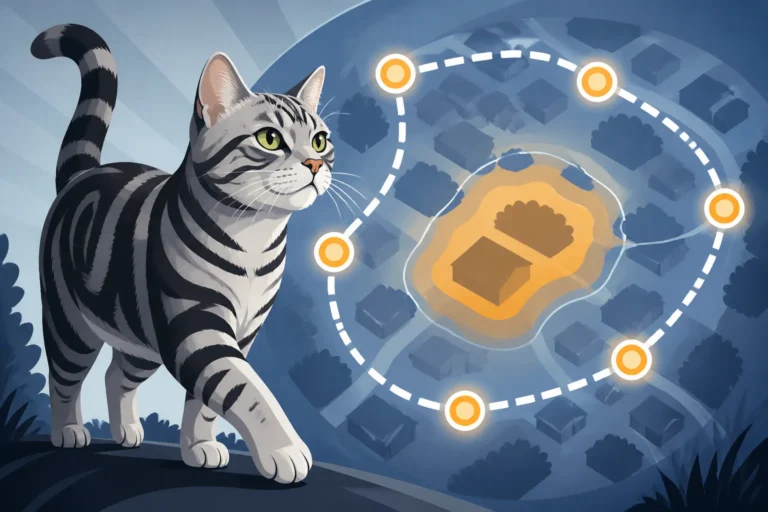
Upon your return, an American Shorthair’s first instinct might not be to greet you directly, but to ensure their domain is still in order. They might walk a perimeter, checking familiar spots, perhaps pausing to sniff where you've moved. For a cat whose history is steeped in protecting a barn or a ship's hold, maintaining the safety and integrity of their territory is paramount. Your return is a significant event in their day, and they're ensuring that the "home base" remains secure. It’s a subtle act of re-establishing order and ensuring everything is as it should be. This doesn't mean they don't care about you; it means they prioritize the safety of the shared space, which, by extension, includes you. They are, after all, still very much rooted in their working heritage.
The Slow Approach
After their initial observation and perhaps a quick mental "patrol," many American Shorthairs will make their move. This isn't usually a frantic dash, but a deliberate, slow approach. They might weave between your legs, rubbing their cheeks and flanks against you, depositing their scent as a reassuring mark of ownership and affection. This is their way of saying, "You're back, and you're part of my territory, my family." This slow, intentional contact can be deeply rewarding. It signifies trust and comfort. They’re not demanding; they’re offering their presence, a quiet companionship that speaks volumes. For more on this, consider Why a Working Bred American Shorthair Sits Beside You Rather Than On You.
Common Scenarios and What They Mean
Decoding your American Shorthair's homecoming ritual can be a delightful journey. Their greetings, though less flamboyant than some breeds, are full of meaning once you learn their language. Every subtle shift, every quiet action, is a piece of their affectionate puzzle.
The Silent Shadow
You walk in, and there's no immediate fuss. You put down your keys, take off your shoes, and suddenly, you realize your American Shorthair is just… there. Following you. Silently. They might be a foot behind you as you move from the entryway to the kitchen, or observing you from a slight distance as you settle into a chair. This "silent shadow" routine is a classic American Shorthair greeting. It's their way of checking in, ensuring your return is stable, and perhaps, subtly hinting at their needs without being demanding.
Often, this quiet following is directly linked to their internal clock. If your arrival coincides with their usual dinner time, that silent shadow might be patiently escorting you to the pantry, hoping you'll get the hint. They’re not going to jump on the counter and demand food, but they will make their desires known through their presence. It's a respectful negotiation of needs, a hallmark of their self-reliant nature. It shows they trust you to understand their cues, even the quiet ones.
The Ankle Rub and Head Bonk
This is perhaps the most universally recognized sign of feline affection, and your American Shorthair will almost certainly employ it. Once they've completed their initial assessment, they will likely come up close, rubbing their head, cheeks, and flanks against your legs, or even delivering a gentle "head bonk" to your shin. This isn't just a friendly gesture; it’s a crucial social behavior.
When they rub against you, they are depositing their pheromones from scent glands on their face and flanks. This is a form of scent-marking, a way of reaffirming your place within their accepted social group and territory. It’s their way of saying, "You belong to me, and I belong to you, and all is right with the world." The head bonk (or "bunting") is an even more intimate sign of affection and trust, demonstrating a deep level of comfort and bonding. It's a sweet, tangible acknowledgment of your return. What an American Shorthair Does Instead of Demanding delves deeper into these non-verbal communications.
The Meow for Meals
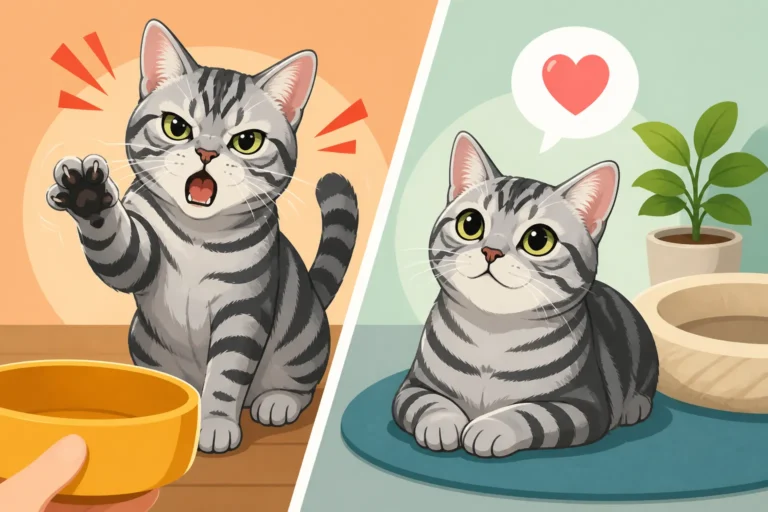
While the American Shorthair is generally considered a quiet breed, they are not entirely mute. There are certain triggers that can elicit a more vocal response, and your return, especially if it's around their feeding time, is often one of them. You might hear a soft, inquiring "mrrrow?" or a slightly more insistent "meow!" as you walk into the kitchen. This isn't usually a desperate wail, but rather a polite, yet firm, reminder that their stomach clock is ticking.
This particular greeting highlights their practical nature. Their ancestors hunted for their meals, and while your American Shorthair no longer has to stalk a mouse for every bite, the ingrained expectation of a meal remains. Your arrival signals the provider's return, and a well-timed meow is simply a gentle nudge to fulfill that expectation. If you've ever wondered Why a Bowl Left Down Ruins an American Shorthair, you'll understand why consistent feeding schedules are so important to them and might prompt a vocal reminder. It’s a beautiful blend of their ancient instincts and their modern understanding of where their next meal comes from.
The Welcome Back Table
To summarize the typical American Shorthair greeting behaviors:
| Behavior | What it Looks Like | What it Means | Your Best Response |
|---|---|---|---|
| Observational Stare | Cat watching from a distance, perhaps a high perch. | Assessing your presence, ensuring safety of territory. | Acknowledge with a soft voice, let them approach on their terms. |
| Tail Held High | Tail upright, possibly with a slight curl or gentle wag. | Contentment, happiness at your return, positive emotional state. | Return the greeting with a calm voice and gentle touch if they approach. |
| Silent Shadowing | Cat following you quietly from room to room. | Checking in, subtle request (often for food or attention). | Talk to them softly, acknowledge their presence, consider their needs. |
| Ankle Rub/Head Bonk | Rubbing against your legs, head-butting your shin. | Affection, scent marking, welcoming you back to their social group. | Respond with gentle pets, a soft voice, and enjoy the bond. |
| Soft Meow (Mealtime) | A polite "mrrrow?" or "meow!" near their feeding area. | Reminder that it's dinner time or they're hungry. | Acknowledge their request, proceed with feeding if appropriate. |
| Stretching & Yawning | Performing a full-body stretch, perhaps a big yawn. | Relaxed, comfortable, feeling safe in your presence. | No direct action needed, simply appreciate their comfort. |
Encouraging Engagement (Without Being Pushy)
While the American Shorthair is inherently independent, that doesn't mean they don't appreciate interaction and engagement. The key is to understand their nature and offer opportunities for connection that respect their boundaries and preferences. You can certainly foster a more involved greeting, but it's always on their terms, and that's what makes it so special.
Respecting Their Space
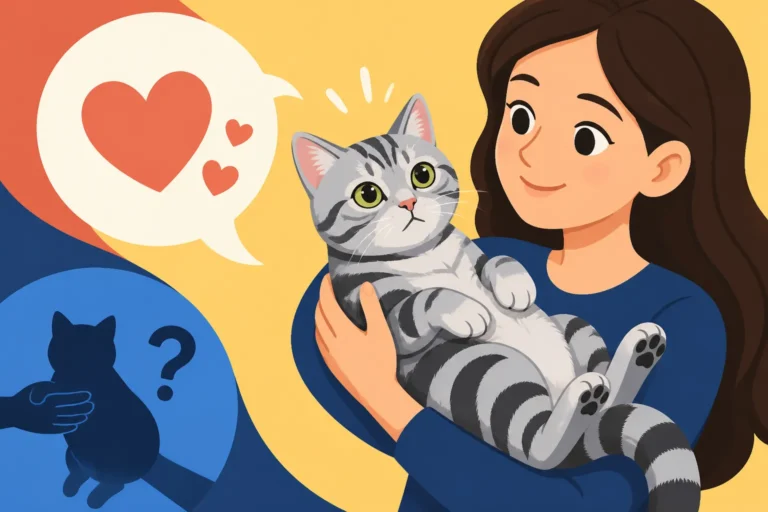
The absolute golden rule when interacting with an American Shorthair, especially after you've just come home, is to respect their space. Don't rush in, grab them, and smother them with hugs the moment you walk through the door. This can be overwhelming for any cat, but particularly for a breed that values its autonomy. Instead, give them a moment to observe, process, and approach you.
When they do come to you, offer a hand for them to sniff or rub against, and then proceed with gentle pets if they lean into your touch. Observe their body language: a relaxed tail, soft eyes, and a purr are all invitations for more attention. If they turn their head away, stiffen, or try to move away, gently let them go. The more you respect their choice, the more likely they are to seek you out for affection. This builds trust and reinforces that you understand their unique needs, contributing to a deeper bond.
Interactive Play as a Bonding Tool
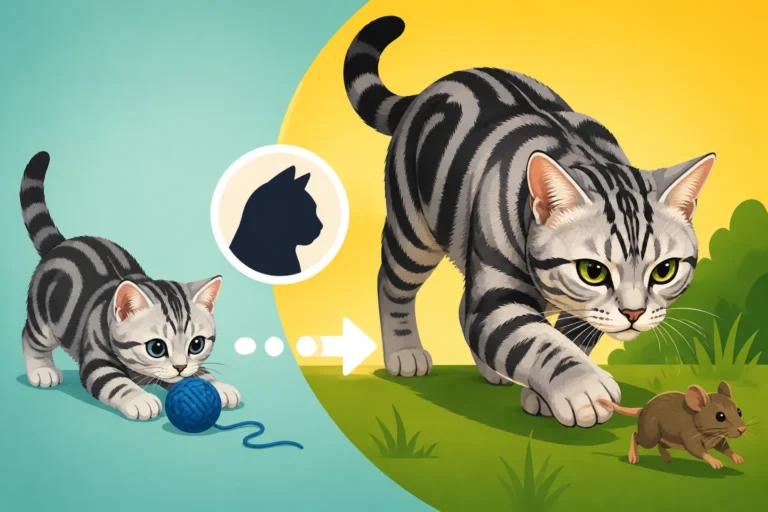
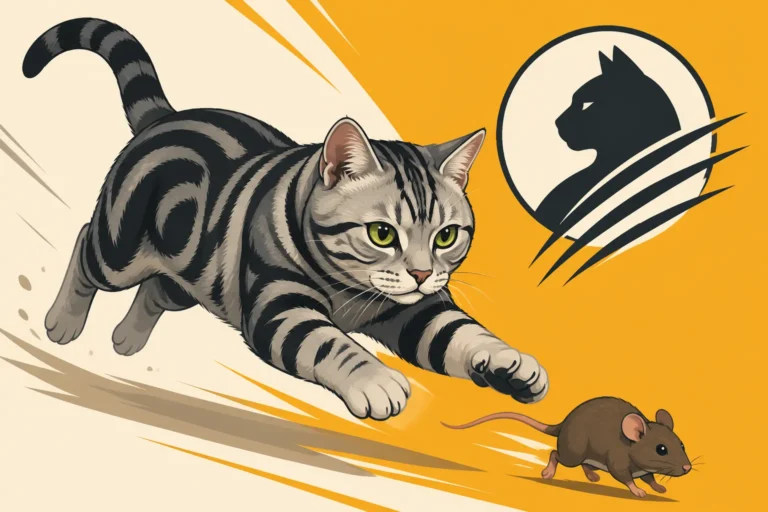
One of the best ways to connect with your American Shorthair after a long day is through interactive play. Their hunting instincts are incredibly strong, a direct link to their ancestors who had to work for their food. Providing opportunities for them to "hunt" and "catch" prey, even if it's just a feather wand toy, can be incredibly satisfying for them and a wonderful bonding experience for you.
Wand toys that mimic birds or rodents are particularly effective. Spend 10-15 minutes letting them stalk, chase, pounce, and "kill" the toy. This fulfills their natural predatory sequence and provides crucial mental and physical exercise. You can find a fantastic selection of these kinds of toys on platforms like Amazon, offering everything from feathered teasers to small, crinkly balls. Engaging in this kind of play shows them you understand their intrinsic drives and are willing to participate in their world. It's a form of communication that transcends words and strengthens your relationship. Remember, Which Wand Toy Reads as Prey to an American Shorthair can make all the difference in their engagement.
Consistent Routine
American Shorthairs, like many cats, thrive on routine. Your daily comings and goings become a predictable rhythm in their lives. While they are independent, this predictability offers them a sense of security and control over their environment. When you arrive home at roughly the same time each day, they learn to anticipate your return, integrating it into their own schedule of naps, patrols, and meal times.
This consistency can subtly enhance their greeting. They might be waiting near the door more often, or their initial assessment might be quicker because they know what to expect. If you tend to feed them shortly after getting home, your arrival will be associated with a positive experience, leading to a more enthusiastic (though still American Shorthair-level enthusiastic!) welcome. Even providing mental stimulation like puzzle feeders, which you can easily find on Amazon, can become part of a routine that helps them anticipate your arrival with positive associations. This isn't about training them to greet you a certain way, but about creating an environment where their natural inclination to observe and connect is met with reassuring consistency. They appreciate the steady rhythm of their world, and you are a significant, comforting part of it. Understanding How Long an American Shorthair Copes Alone in the Day can help you appreciate their capacity for self-reliance within this routine.
Disclaimer
This article is for general informational purposes only and does not constitute professional advice. Laws, prices and regulations vary by location and change over time. Consult a qualified professional for guidance on your specific situation.