How Closely an American Shorthair Follows You
If you've welcomed an American Shorthair into your home, you might find yourself wondering just how much they actually like you. They're not exactly velcro cats, constantly underfoot or demanding to be held. This can sometimes lead new owners to feel a little unloved, or perhaps even question if their beloved feline truly bonds with them. The truth is, the American Shorthair has a unique way of showing affection and companionship, a style that's deeply rooted in their history and perfectly suited for those who appreciate a more independent, yet profoundly present, feline friend. This guide will explore the fascinating nuances of how American Shorthairs "follow" you, offering insights into their subtle cues and reassuring you that their quiet presence is, indeed, a sign of deep connection.
The American Shorthair's Legacy of Independence and Its Impact on Following Behaviors
When we talk about cats following us, many people envision a tiny shadow, always a step behind, weaving through legs, or jumping onto laps at every opportunity. If you're expecting that from your American Shorthair, you might find yourself a little bewildered. These aren't cats bred for constant physical closeness; their entire lineage tells a different story.
A History of Self-Reliance, Not Cuddles
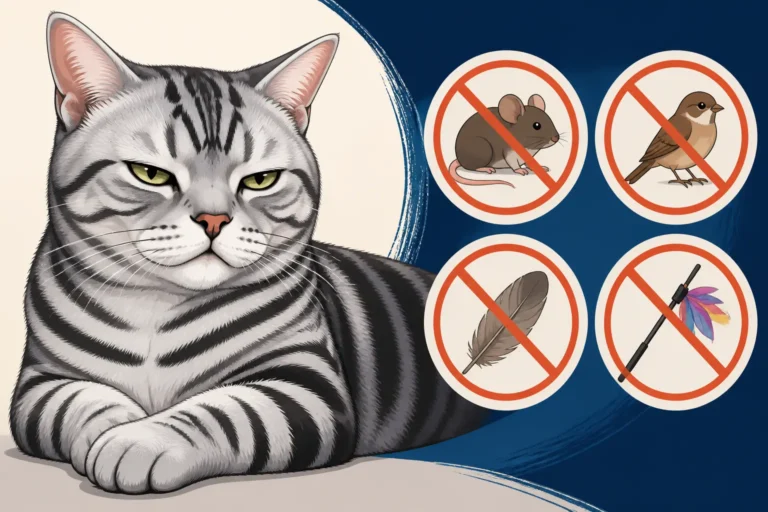
The ancestors of the American Shorthair weren't pampered lap warmers in opulent palaces. Oh no, their job was far more gritty and essential. They were the working cats of farms, ships, and early American settlements, tasked with keeping rodents at bay. Imagine a busy barnyard or the deck of a sailing ship – a cat constantly underfoot wouldn't have been efficient, or even safe. These cats had to be smart, resourceful, and incredibly self-sufficient. They needed to navigate their territory, hunt effectively, and largely take care of themselves. This millennia-old requirement for independence is hardwired into their DNA.
This historical role means that while an American Shorthair values its human companions, it doesn't typically express that bond by clinging to your side. They learned to observe, to patrol, and to maintain a watchful, yet often independent, presence. It wasn't about being ignored; it was about doing their job and trusting their humans were doing theirs. This deep-seated self-reliance is a key reason why your American Shorthair might not be the "follow you to the bathroom" type, but rather the "I'll meet you in the kitchen when it's breakfast time" type. Understanding this background helps you appreciate their subtle forms of affection rather than expecting a dog-like devotion. They don't need constant reassurance that you're there; they know you're there, and they appreciate you from a slight distance, ready to engage on their own terms. It’s part of Why an American Shorthair Was Never Bred to Need You.
How Their "Alone Time" Still Includes You
Just because an American Shorthair isn't constantly in your personal space doesn't mean they want nothing to do with you. Far from it! Their independence often translates into a calm, reassuring presence that many owners find incredibly comforting. Think of it like a quiet roommate who's always around, but doesn't constantly interrupt. They might be in the same room, curled up on a chair across from you, or observing you from a cat tree. This isn't aloofness; it's their preferred mode of companionship.
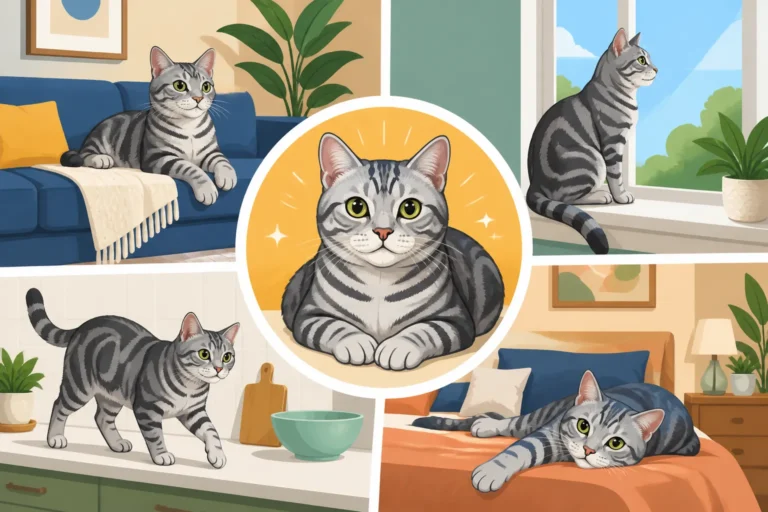
They are observing their territory, which includes you. They might follow you from room to room, but instead of rubbing against your legs, they might simply enter the next room after you and settle down, perhaps on a sunny windowsill or a cozy blanket. This allows them to keep an eye on their favorite human and maintain a sense of security and connection without compromising their ingrained need for personal space. It's a delicate balance, and they master it beautifully. They want to be with you, but not necessarily on you, a concept we explore further in Why a Working Bred American Shorthair Sits Beside You Rather Than On You.
Deciphering the Subtle Signs of an American Shorthair's "Following"
If you're accustomed to more outwardly affectionate breeds, an American Shorthair's way of "following" can be easy to miss. They aren't prone to dramatic displays, but rather a quiet, consistent presence that speaks volumes once you learn their language.
The "Silent Shadow" Routine
Your American Shorthair might not be tripping you up, but chances are, they're maintaining a connection in their own way. Have you ever noticed that after you move from the living room to the study, your cat eventually appears in the study, perhaps settling down on a nearby bookshelf or a separate couch? That's their version of following. They're tracking your movements, wanting to be in the same general vicinity, but maintaining their personal bubble.
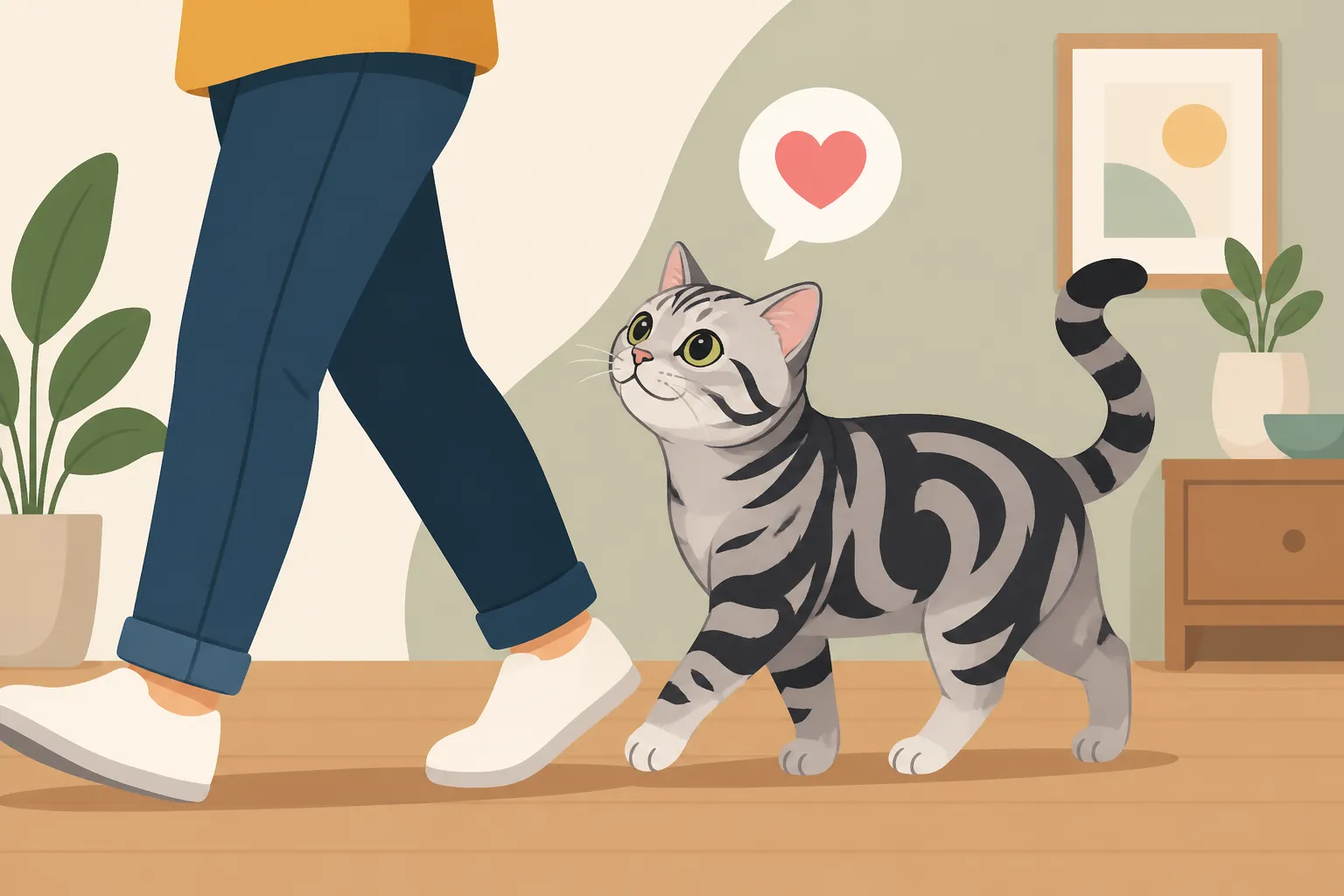
They're like a silent, furry guardian, always aware of where you are in the house. This behavior often becomes part of their daily routine. You get up for a snack, and they might casually stroll into the kitchen a moment later. You head to bed, and they might appear on the bed a little later, often at your feet or by your head, but not necessarily demanding cuddles. This routine-based following is a clear indicator of their comfort and affection. It shows they consider you a central, comforting part of their territory.
Observational Presence and Eye Contact
Another key indicator of their "following" is their observational presence. Rather than physical proximity, an American Shorthair often prefers to watch you. They might perch on a high spot, like a cat tree or a window ledge (many great options are available on Amazon for this!), and simply observe your activities. This isn't detachment; it's engagement. They're taking everything in, learning your patterns, and enjoying your company from their preferred vantage point.
Direct eye contact, often accompanied by slow blinks (the ultimate cat "I love you"), is another powerful signal. If your American Shorthair makes eye contact with you from across the room and slowly blinks, they are acknowledging you, expressing trust, and showing affection. This is their quiet way of saying, "I see you, I'm here, and I'm content." It’s far more intimate than a constant, unthinking physical presence. This kind of calm, steady companionship is one of the joys of living with an American Shorthair, and it's something that often develops over time as your bond deepens. This subtle affection is part of How an American Shorthair Shows Affection Between Patrols.
Here's a quick comparison of "following" styles:
| Trait | "Shadow" Cat (e.g., Siamese, Maine Coon) | American Shorthair (Observational Companion) |
|---|---|---|
| Physical Proximity | Often directly underfoot, on laps, demanding touch. | Maintains a comfortable distance, often in the same room. |
| Vocalization | More prone to vocal demands, chatting. | Generally quiet, uses soft chirps or purrs. |
| Engagement Style | Direct, often initiates physical contact. | Observational, responds to invitations for interaction. |
| Response to Movement | Immediate follow, weaving between legs. | Delayed follow, appears in the next room after you. |
| Affection Display | Rubbing, kneading, head-butting, purring loudly. | Slow blinks, quiet purrs, gentle head rubs when approached. |
Why Your American Shorthair Follows You: Understanding Their Motivations
Even with their independent nature, there are specific reasons why an American Shorthair will choose to "follow" you, even in their subtle way. These reasons often revolve around their deep-seated instincts and their bond with you.
Routine and Predictability
Cats are creatures of habit, and American Shorthairs, with their strong sense of territory and patrol, thrive on predictability. Your daily routine is their world map. If you typically head to the kitchen around 7 AM for coffee, and that's when they get their breakfast, they'll learn this pattern. They might not be there at precisely 6:59 AM, but they will likely appear in the kitchen as soon as your movements suggest breakfast is imminent. This isn't just about food; it's about being part of the established order.
They follow your routine, rather than following you in a demanding way. If your work-from-home schedule means you move between a home office, the kitchen for lunch, and then a living room for a break, don't be surprised if your American Shorthair also shifts their lounging spots to be within your general sphere. They are subtly adapting their own "patrol" and resting schedule to align with yours. This reliance on routine is a sign of trust and comfort in their environment, knowing that your presence signifies stability. It’s a testament to How an American Shorthair Copes With Change when the change involves their human.
Curiosity and Investigation
Despite their calm demeanor, American Shorthairs are incredibly curious. They want to know what's going on in their territory, and you, as a significant part of that territory, are a constant source of interesting activity. If you go into a room they don't usually frequent, or start doing something new, their innate curiosity will often prompt them to investigate.
They might not rush in, but they'll eventually make their way to the scene, often maintaining a respectful distance while observing. Are you opening a package? They'll want to inspect the box. Are you moving furniture? They'll be there, perhaps from a doorway, watching the new arrangement unfold. This "following" driven by curiosity is a wonderful trait that showcases their intelligence and engagement with their surroundings. It's their way of staying informed and being part of the action, even if it's from their quiet observational post.
Seeking Comfort and Reassurance
While independent, American Shorthairs absolutely seek comfort and reassurance from their humans. When they're feeling a bit unsure, perhaps after a loud noise or a stranger's visit, they might seek you out. This doesn't necessarily mean jumping into your lap, but it might mean choosing to nap closer to you than usual, or simply appearing in the same room and settling down with a contented sigh.
This subtle seeking of comfort is a powerful demonstration of their bond. You are their safe space, their anchor in a sometimes-unpredictable world. They trust you to provide security, and their presence near you is their way of drawing on that sense of safety. Don't be surprised if after a trip away, your American Shorthair is a little more "present" than usual for a few days, subtly re-establishing that connection and reassuring themselves of your return. This quiet reassurance is a core part of How Much a Self Sufficient American Shorthair Misses You.
Encouraging a Deeper Connection with Your Observational Companion
Even if your American Shorthair isn't a shadow cat, there are many ways to strengthen your bond and encourage their unique form of "following" and affection. It's all about understanding and respecting their natural tendencies.
Respect Their Space and Initiate Gently
The golden rule with an American Shorthair is to respect their personal space. They are not typically cats who enjoy being constantly picked up or confined. Instead, let them come to you. Offer a gentle hand for a head rub or a chin scratch when they are close, rather than forcing interaction.
When they choose to be in the same room as you, acknowledge their presence with a soft voice, a slow blink, or a brief, gentle touch if they seem receptive. This reinforces that their presence is welcomed and valued. Over time, this respectful approach builds immense trust, often leading them to seek out your presence more readily and even choose to nap closer to you. It's an important part of understanding How Much an American Shorthair Likes Being Picked Up.
Engage in Interactive Play
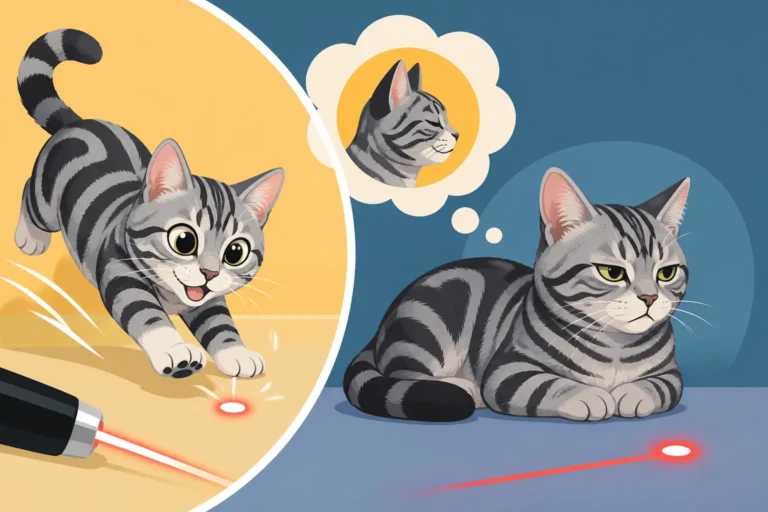
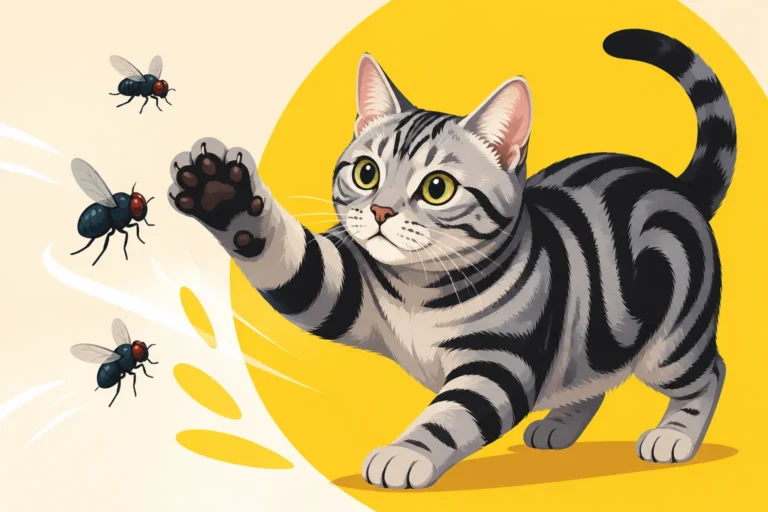
One of the best ways to connect with an American Shorthair is through play that taps into their innate hunting instincts. Since they were bred to be efficient mousers, wand toys, feather teasers, or even small stuffed mice tossed across the room are often irresistible. This isn't just exercise; it's bonding time that speaks to their very nature.
Play sessions that mimic the hunt – stalking, chasing, pouncing, and finally "catching" the prey – fulfill a deep-seated drive. This shared activity, especially one that you initiate and guide, builds a strong positive association with your presence. You become the facilitator of their favorite "work." You can find a huge variety of engaging prey toys on Amazon that will bring out their inner hunter. Ending the play with a successful "catch" and a small treat can make these sessions incredibly rewarding for both of you.
Create a Rich, Engaging Environment
An American Shorthair thrives in an environment where they can observe, explore, and feel secure. Providing vertical spaces, like cat trees, shelves, or window perches, gives them the high vantage points they naturally seek. From these elevated spots, they can "follow" your activities from a distance, feeling safe and engaged without being directly underfoot.
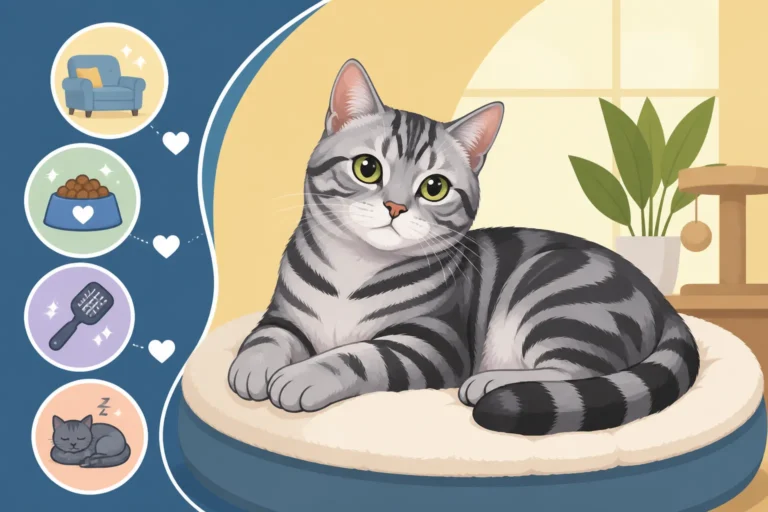
Consider placing a cozy bed or a blanket in a corner of your living room or office where they can lie down and observe you quietly. This shows you understand their need for a designated space within your shared territory. A clean litter box, fresh water (perhaps even a water fountain), and regular meal times also contribute to their overall sense of well-being, making them more relaxed and receptive to your company. How Much an American Shorthair Sleeps in these comfortable, secure spots is a good indicator of their overall contentment.
Recognize Their Unique Affection Displays
Finally, learn to recognize and appreciate the American Shorthair's unique ways of showing affection. It might not be constant purring or lap sitting. Instead, it could be:
- Greeting you at the door: A quiet presence as you walk in, sometimes accompanied by a soft chirp.
- Head bunting or rubbing: A gentle rub against your leg or hand, usually on their terms.
- Sleeping in the same room: Choosing to nap on a nearby piece of furniture or at the foot of your bed.
- The "slow blink": The ultimate sign of trust and affection.
- Following you to the kitchen: A classic move, signaling their anticipation and connection to mealtime rituals.
- Playing with you: Actively engaging in interactive play sessions.
By tuning into these subtle cues, you'll understand that your American Shorthair is indeed deeply connected to you, even if they express it in a way that’s different from other breeds. Their independence isn't a lack of love; it's a testament to their inherent strength and the quiet, enduring bond they share with their chosen human.
Disclaimer
This article is for general informational purposes only and does not constitute professional advice. Laws, prices and regulations vary by location and change over time. Consult a qualified professional for guidance on your specific situation.