How Safe a Fish Tank Is Around an American Shorthair
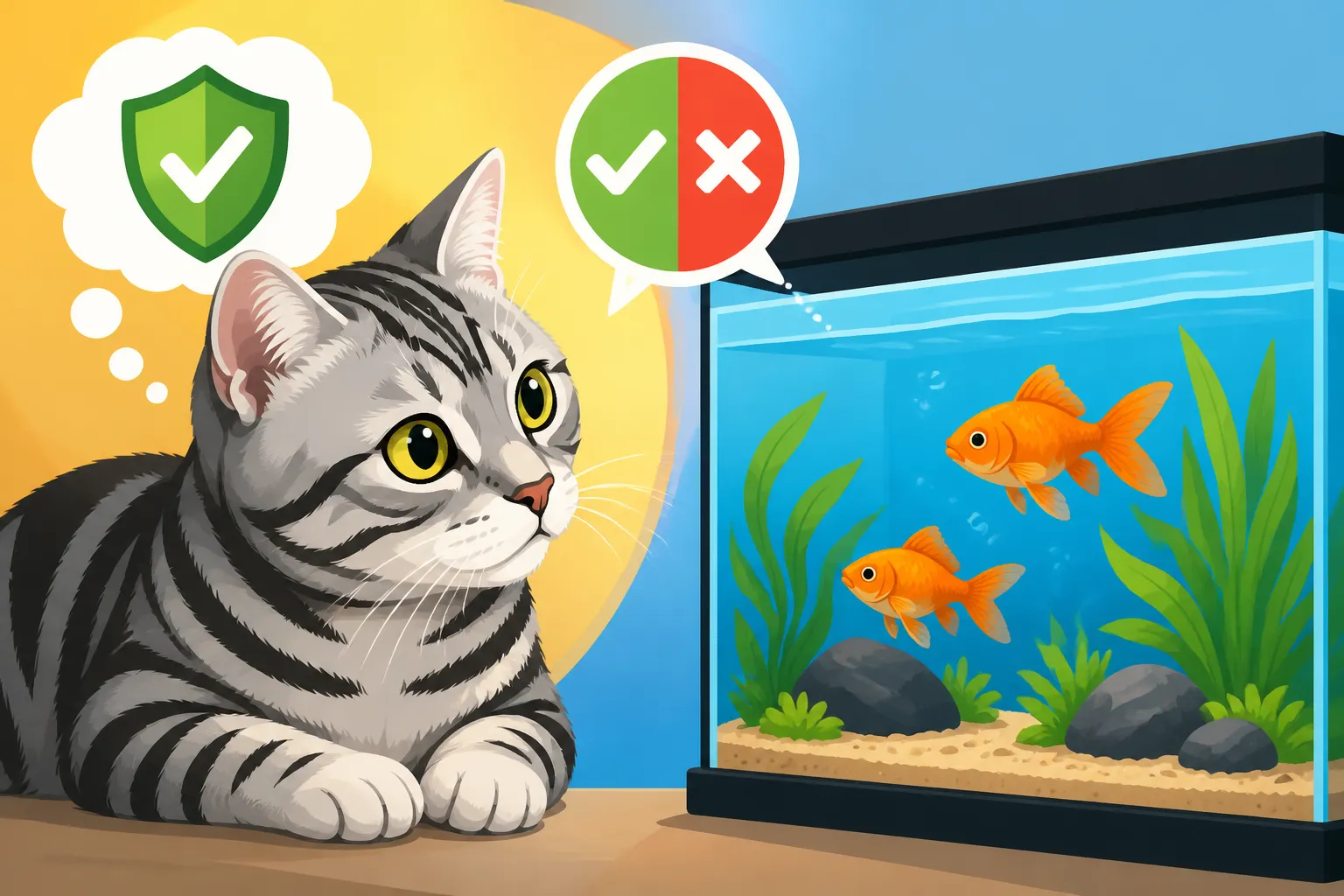
It's a common dilemma, isn't it? You love your American Shorthair's playful curiosity, but then you look at your beautiful, tranquil fish tank and a knot forms in your stomach. Will your beloved feline friend see your aquatic pets as a live-action buffet or just a really interesting TV show? This guide is here to walk you through the very real concerns of having a fish tank when you share your home with a natural-born hunter like the American Shorthair, and how you can ensure the safety and serenity of both your finned and furry family members.
Understanding the American Shorthair's Hunting Instincts
Let's be real, the American Shorthair isn't just a pretty face; they come from a long, proud lineage of working cats. Their ancestors were the mousers of barns and ships, prized for their ability to keep vermin populations in check. That deeply ingrained drive doesn't just disappear because they now live a life of luxury on your sofa.
The Deep-Rooted Prey Drive
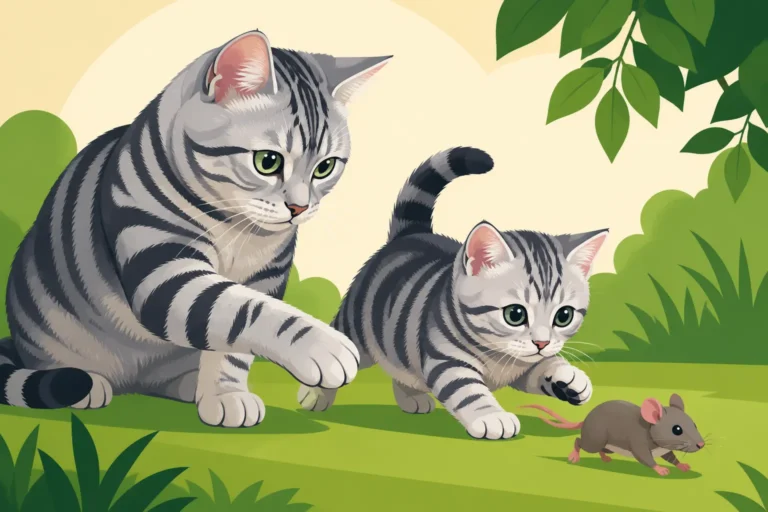
Your American Shorthair, no matter how pampered or well-fed, carries the hunting instincts of generations. It's not about hunger; it's about instinct. They are wired to stalk, chase, and pounce. Think about how they subtly twitch their tail, crouch low, and fixate on a dust bunny or a fly. That's their inner hunter at work. The movement of fish, especially darting and flashing under the water, is practically a siren song to these instincts. It’s hardwired into them, a primal urge that makes a fish tank an irresistible challenge. If you've ever wondered why your American Shorthair seems to fixate on every little movement, it's because The American Shorthair Still Hunts, Whether You Want It To or Not. This incredible persistence comes from centuries of needing to be effective hunters to survive. Their entire physical build, from their broad chest to their powerful jaws, was shaped by this need. It's why Why Centuries of Ratting Left the American Shorthair Its Drive is so fundamental to understanding their behavior.
What Constitutes "Prey" to an American Shorthair
For an American Shorthair, anything that moves in an unpredictable, small, and quick manner can trigger that prey drive. This includes mice, insects, small birds, and yes, fish. The vibrant colors and erratic swimming patterns of fish in an aquarium are incredibly stimulating. Even if your cat has never caught a live mouse in its life, the sight of a goldfish zipping across the tank will engage that ancient predatory wiring. It’s not malicious; it's just who they are. They might stalk the tank for hours, batting at the glass, or trying to dig under the stand. They're convinced there's a game to be played, a "catch" to be made. Even though they live indoors, their instincts remain sharp, and they'll happily "hunt" anything that moves. For an indoor cat, a fish tank becomes a tantalizing substitute for what they might naturally hunt outside. This drive is why What an American Shorthair Catches Indoors might surprise you; even the most benign objects can become targets.
The Indoor Hunter's Adaptations
When an American Shorthair lives indoors, their hunting instincts don't vanish, they simply adapt. Instead of actual prey, they'll seek out toys, chase laser pointers (though always let them "catch" something real to avoid frustration!), or intently watch birds outside a window. The fish tank becomes a highly accessible, constant source of perceived "prey" stimulation. This can be both fascinating and deeply frustrating for your cat. They can see and hear the fish, but they can't get to them. This can lead to increased stress for both your cat and your fish, as the cat tries various methods to interact with its "prey." Without proper redirection, this can lead to destructive behaviors, not because they're being naughty, but because their natural drives are unfulfilled and intensely stimulated.
Assessing the Risks: Fish Tank Dangers for an American Shorthair
While the image of a cat peering into a fish tank can be endearing, there are some very real risks involved, not just for your fish, but for your American Shorthair and your home.
Direct Predation and Stress to Fish
The most immediate and obvious risk is to your aquatic pets. An American Shorthair’s claws are sharp, and even if they can't get into the tank, repeated batting at the glass can cause significant stress to the fish. Imagine living in a box while a giant predator continually tries to get in; it's terrifying! This stress can weaken their immune systems, make them more susceptible to disease, and shorten their lifespan. Worse, if your cat manages to get the lid off or knock something into the water, the consequences can be fatal for your fish. Cats are incredibly persistent, and a flimsy lid is often no match for a determined paw. The sight of a cat constantly patrolling above can lead to fish hiding more often, refusing to eat, and generally living in a state of fear.
Cat Safety Concerns Around Water and Electricity
This is where the risks extend to your American Shorthair. Fish tanks are, by nature, filled with water and contain electrical equipment like heaters, filters, and lights.
- Drowning: If a cat falls or jumps into a large tank and can't get out, especially if the tank has a narrow opening or a heavy lid that shifts, drowning is a serious concern.
- Electrocution: Exposed wires, cords that have been chewed through, or water splashing onto electrical components can create a dangerous situation, potentially leading to electrocution for your cat or even a house fire.
- Ingestion of Tank Water/Chemicals: Tank water often contains fish waste, algae, and sometimes medications or water conditioners that are toxic to cats. If your cat drinks from the tank or a filter bucket, they could ingest harmful substances.
- Glass Cuts: A cat persistently trying to get into a tank could scratch or break the glass, leading to severe cuts. Even a securely placed lid can shift, leaving a gap where a paw or curious face could get injured.
It's vital to remember that a curious cat can easily get into trouble, and their natural hardiness might hide early signs of injury or illness. Just like Why an American Shorthair Cannot Live With a Bird or Hamster, the instinctual prey drive creates a fundamental safety conflict.
Damage to the Tank and Equipment
Beyond direct harm to pets, your American Shorthair can inadvertently cause significant damage to the tank setup itself.
- Knocking Things Over: A cat attempting to "fish" or simply exploring on top of the tank can knock over lights, filters, decorations, or even the tank itself if it's not stable. Imagine a fully stocked 50-gallon tank hitting the floor! The resulting flood and shattered glass are a nightmare scenario for any homeowner.
- Chewing Cords: Electrical cords for heaters, filters, and lights are often an irresistible temptation for cats who love to chew. This not only creates an electrocution hazard but can also lead to expensive equipment needing replacement.
- Water Splashes and Mess: Even without major catastrophe, a cat batting at the water surface can splash water everywhere, damaging furniture, floors, and electrical outlets over time. Persistent cats might even try to dig at the substrate, creating a muddy mess.
Strategies for Coexistence: Making Your Fish Tank American Shorthair-Proof
The good news is that with some thoughtful planning and preventative measures, it is absolutely possible for an American Shorthair and a fish tank to coexist peacefully. It just requires a bit of dedication to safety and enrichment.
Securing the Tank Environment
This is your first and most important line of defense. Think like your cat – where are the weak points?
Lids and Covers
The most vulnerable part of any fish tank is the top. A lightweight, ill-fitting lid is an open invitation for your American Shorthair.
- Heavy, Secure Lids: Invest in a robust, heavy-duty lid. Glass canopy lids are excellent because they are heavy and flat. Look for lids that sit flush with the tank edges and ideally have some form of latch or clip to secure them. Some enthusiasts even create custom wooden or metal frames that fit over existing lids and can be weighted or clamped down. You want something that cannot be easily pawed off or pushed aside.
- DIY Reinforcements: If your current lid is lightweight, consider adding weight to it, like decorative stones or clamped-on hardware, as long as it doesn't obstruct light or ventilation. For a truly secure setup, many people build a sturdy wooden frame around the top of the tank that the lid fits snugly into, making it impossible for a cat to pry open. When shopping for these kinds of accessories or even materials for a DIY project, you'll find plenty of options on sites like Amazon.
Placement
Where you put your tank matters immensely.
- Sturdy Stands: Ensure your tank sits on a stand specifically designed to bear its weight. A wobbly or flimsy piece of furniture is an accident waiting for a cat to happen. The stand should be wide enough that your cat can’t easily jump up and perch on the edge.
- Away from Jumping Points: Avoid placing the tank near furniture, shelves, or cat trees that your American Shorthair can use as launchpads to get onto the tank. These intelligent cats are excellent climbers and will use any available advantage. How High an American Shorthair Needs to Get is often higher than owners expect! Placing it in a corner or against a solid wall can limit access from certain directions.
- Minimize Glare: Position the tank away from direct sunlight. Not only does this reduce algae growth and temperature fluctuations for your fish, but it also reduces reflections that might further entice your cat to bat at the glass.
Cable Management
Electrical safety cannot be overstated.
- Cord Protectors: Use sturdy cord protectors or cable management sleeves to bundle and shield all electrical wires. These can be found at any electronics store or online retailers like Amazon. This prevents chewing and makes the cords less appealing.
- Secure Plugs: Ensure all plugs are securely inserted into outlets and consider using child-proof outlet covers or even a power strip with individual switch covers if your cat is a dedicated chewer.
- Elevate and Conceal: Wherever possible, route cords up and out of reach, or conceal them behind the tank stand. Avoid leaving any dangling wires that could become a toy.
Deterrents and Distractions
Even with a secure tank, redirecting your American Shorthair's attention and providing alternative outlets for their instincts is key.
Physical Barriers
Sometimes, you need to physically keep your cat away from the forbidden zone.
- Strategic Furniture Placement: Arrange furniture to create a natural barrier. Place a heavy bookshelf or a large armchair in front of the tank stand to make it harder for your cat to get close.
- Cat-Proofing Screens: If your cat is particularly persistent, you might consider a temporary screen or a small pet gate around the tank area, especially when you can't supervise. These aren't always aesthetically pleasing, but they can be very effective in the short term.
Scent Deterrents
Cats often dislike certain smells.
- Citrus Sprays: Cats generally dislike citrus scents. You can spray a diluted citrus solution (e.g., lemon or orange essential oil mixed with water) around the base of the tank stand or on nearby surfaces. Be very careful not to get any spray into the tank water, as it can be toxic to fish. Reapply regularly as the scent dissipates.
Engaging Play
This is crucial for an American Shorthair. They need to burn off that hunting energy!
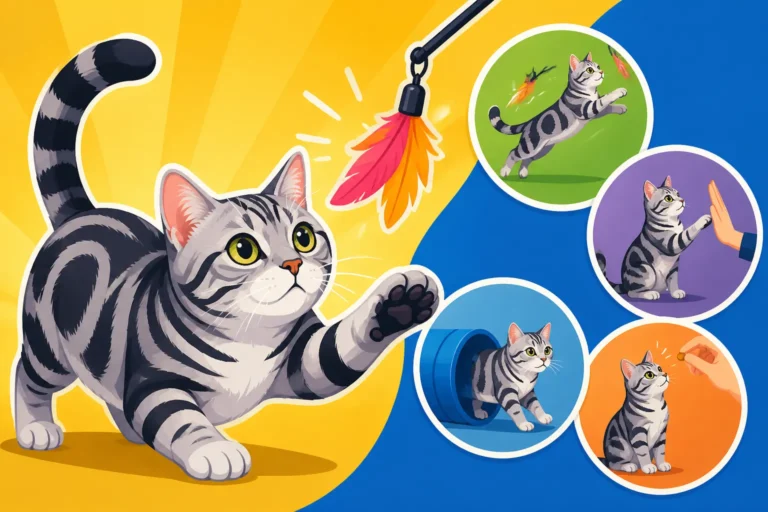
- Interactive Play Sessions: Dedicate time each day for active, interactive play. Use wand toys, feather teasers, and other toys that mimic prey movement. Engage your cat in a "hunt" where they can stalk, chase, and catch the toy. This completes their hunting sequence and provides immense satisfaction. Play That Finishes the Hunting Sequence for an American Shorthair is vital for their mental well-being. Look for durable, engaging toys on Amazon that can withstand an enthusiastic hunter.
- Puzzle Feeders: Turn mealtime into a hunt by using puzzle feeders. This forces your cat to "work" for their food, engaging their problem-solving and foraging instincts. It provides mental stimulation and slows down eating, which is great for their digestion and weight.
- Vertical Space: Provide plenty of cat trees, shelves, and window perches away from the fish tank. American Shorthairs love high vantage points where they can survey their "territory." Giving them their own desirable elevated spaces can make the fish tank area less appealing by comparison. This also satisfies their natural desire to climb.
Training and Supervision
While American Shorthairs are famously independent, they are also quite intelligent and can be trained with patience and consistency. How Trainable an American Shorthair Is might surprise you; they respond well to positive reinforcement.
Positive Reinforcement
- Reward Desired Behavior: When your cat ignores the fish tank or chooses to play with an appropriate toy, offer praise, a treat, or a favorite chin scratch. This helps them associate good things with leaving the tank alone.
- Redirection: If you catch your cat staring intensely at the tank or batting at the glass, gently redirect their attention with a toy or call them over for a cuddle. Don't punish them, as this can create fear or resentment; simply show them what is acceptable.
Consequences of Access
Make the tank less rewarding for unwanted interactions.
- Unpleasant Surfaces: Some owners use double-sided sticky tape on the edges of the tank stand or a motion-activated air sprayer (aimed away from the fish, of course!) as harmless deterrents. Cats generally dislike sticky textures or sudden bursts of air.
Supervision
- Initial Introduction: When you first introduce a cat to a fish tank, or vice-versa, supervise them closely. Never leave them alone until you are absolutely confident in their behavior.
- When You're Away: If you're going to be out of the house for an extended period, consider confining your cat to another room or ensuring the tank area is completely inaccessible. Better safe than sorry!
Choosing the Right Fish Tank for an American Shorthair Home
When you're designing or upgrading your aquatic setup, keep your American Shorthair in mind. Some tanks are inherently safer than others in a cat-filled household.
Tank Size and Stability
- Go Big and Heavy: Generally, larger, heavier tanks are more stable and much harder for a cat to accidentally or intentionally knock over. Small, lightweight bowls or plastic tanks are a definite no-go. The sheer weight of a larger glass aquarium, even when empty, provides significant stability.
- Aquariums, Not Bowls: Avoid traditional goldfish bowls or small plastic enclosures. These are unstable, offer poor living conditions for fish, and are incredibly vulnerable to curious paws. A proper aquarium provides a much safer environment for both your fish and your cat.
Built-in Safety Features
Modern aquarium designs often incorporate safety with aesthetics.
- Integrated Lids and Lighting: Look for tanks that have tightly integrated lids and lighting systems. These designs often have less exposed surface area for a cat to bat at and are harder to dislodge.
- Hidden Wiring: Some premium tanks feature cleverly hidden compartments for wires and filters, reducing the temptation for chewing and minimizing the risk of electrocution. If you're buying separate components, ensure they can be securely housed within the stand or behind the tank.
Location, Location, Location
We've touched on this, but it bears repeating: placement is everything.
- Cornered or Wall-Mounted: Placing a tank snugly into a corner or even opting for a securely wall-mounted aquarium (if you're feeling adventurous and have the structural support) can significantly reduce access points for your cat.
- Avoid High Traffic Areas: While you want to enjoy your tank, placing it in a quiet part of the house, perhaps a den or a less-frequented room, might lead to fewer cat-related incidents than a busy living room.
- Consider a Dedicated Room: For serious fish enthusiasts with very persistent American Shorthairs, a dedicated "fish room" where the cat is not allowed might be the ultimate solution. This isn't practical for everyone, but it’s an option if all other measures fail to keep your aquatic life safe.
Fish Tank Security Measures
Here's a quick comparison of various measures to ensure your fish tank is safe from your American Shorthair:
| Measure | Description | Benefits | Considerations |
|---|---|---|---|
| Heavy/Locking Lid | A sturdy cover, ideally with latches or weight to prevent lifting. | Prevents direct pawing, jumping into water, reduces evaporation. | Must be well-fitting, can restrict access for tank maintenance. |
| Sturdy Stand | A robust, weighted stand designed for aquarium weight. | Prevents tipping, enhances stability. | Needs to be level, consider earthquake straps if applicable. |
| Cable Management | Concealing or protecting electrical cords with covers. | Prevents chewing, electrocution risk, reduces fire hazard. | Requires regular checks for wear, may need specialized covers from Amazon. |
| Physical Barriers | Furniture placement, room dividers, cat-proofing screens. | Restricts direct access, creates a safe zone. | Can impact room aesthetics, may not be practical for all spaces. |
| Active Diversions | Regular play sessions, puzzle toys, vertical spaces. | Redirects hunting instincts, provides enrichment, reduces boredom. | Requires consistent effort, may need a variety of toys (available on Amazon). |
Ultimately, living with an American Shorthair and a fish tank requires a balance of understanding their natural instincts, implementing robust safety measures, and providing plenty of alternative enrichment. With patience and persistence, you can create a harmonious home where both your graceful feline and your tranquil aquatic companions thrive.
Disclaimer
This article is for general informational purposes only and does not constitute professional advice. Laws, prices and regulations vary by location and change over time. Consult a qualified professional for guidance on your specific situation.