What a Cardiac Emergency Costs an American Shorthair Owner
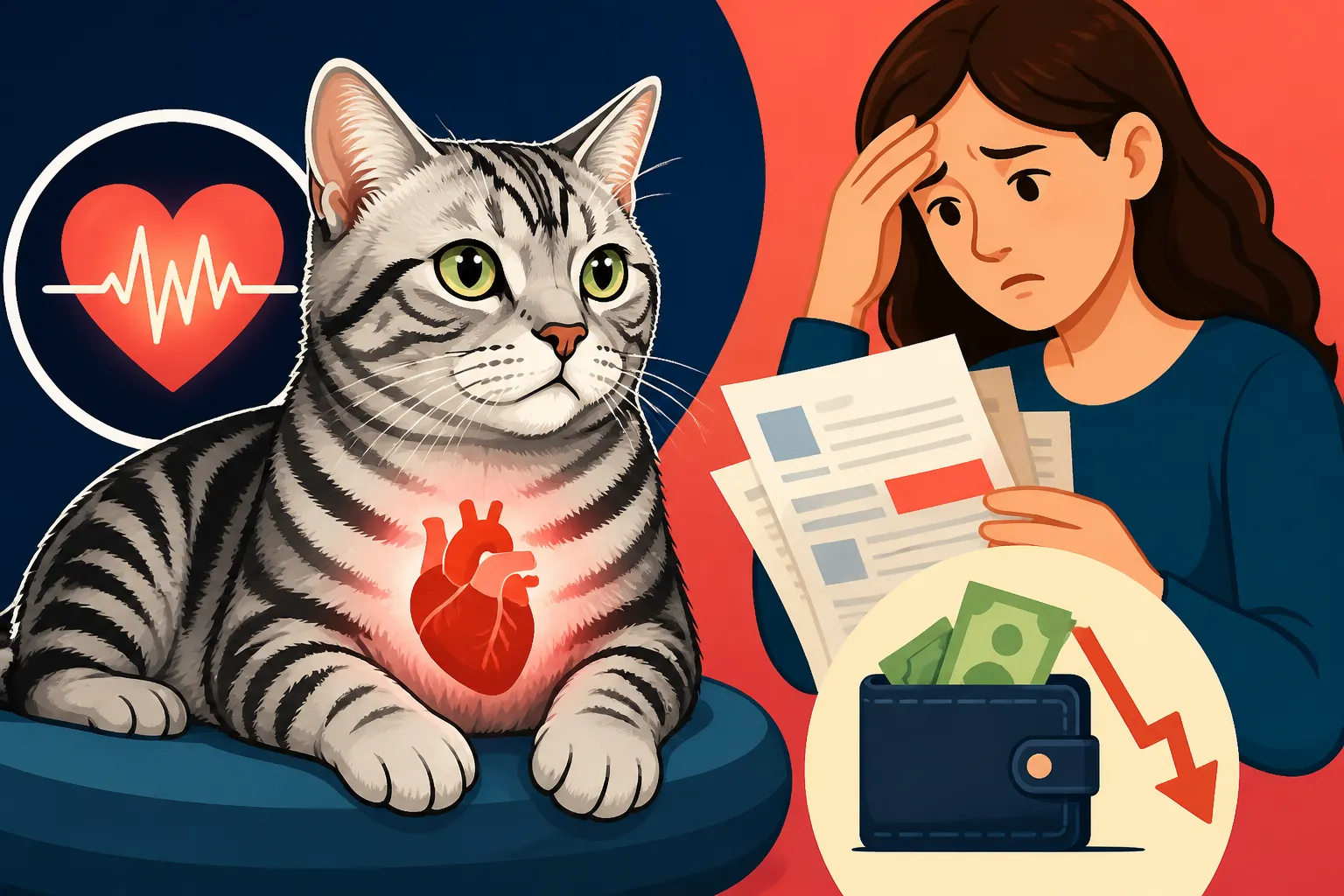
It’s a terrifying moment for any cat owner: you notice your typically calm and collected American Shorthair is suddenly struggling to breathe, perhaps panting heavily, or collapsing without warning. These aren't just minor health hiccups; they can be tell-tale signs of a serious cardiac emergency, demanding immediate and often costly veterinary attention. This guide aims to walk you through what such a crisis might entail, from the initial vet visit to long-term management, helping you understand the financial implications and how to prepare for them.
Understanding the Urgency of a Cardiac Emergency
When it comes to heart issues in cats, especially a beloved American Shorthair, time truly is of the essence. Unlike dogs, who might show more obvious distress, cats are masters of hiding their pain and discomfort, often camouflaging serious conditions until they reach a critical stage. A cardiac emergency isn't something you can "wait and see" about; it requires immediate, professional intervention.
Recognizing the Signs of Heart Failure in Your American Shorthair
Spotting the subtle cues that your American Shorthair might be experiencing a cardiac emergency can be incredibly challenging, precisely because their instincts tell them to mask weakness. However, there are a few key indicators that should send alarm bells ringing. Keep a keen eye out for changes in their breathing: rapid, shallow breaths (tachypnea), open-mouthed breathing, or sudden panting, especially if they are not active or overheated. Unlike dogs, panting in cats is rarely normal and often signals distress or a serious underlying condition.
Another critical sign is lethargy or unusual weakness. Your typically active and curious American Shorthair might become withdrawn, refuse to play, or struggle to get up or move around. They might lose their appetite, become unusually quiet, or start hiding in unusual places. Coughing is less common in cats with heart failure compared to dogs, but it can occur, sometimes due to fluid in the lungs (pulmonary edema). Any combination of these symptoms, particularly sudden onset or worsening, warrants an emergency trip to the veterinary hospital. What an American Shorthair Shows Before Its Heart Fails elaborates on these subtle signs.
Why an American Shorthair's Stoicism Can Mask Early Symptoms
The American Shorthair is known for its calm, self-possessed, and often stoic nature. They are independent and resilient, traits that served their ancestors well as working cats. While admirable, this stoicism can be a significant hurdle when it comes to recognizing health problems. They don't typically vocalize discomfort or act overly dramatic when unwell, often preferring to retreat and suffer in silence. This means that by the time you notice something is truly wrong, the underlying condition, like heart disease, might have progressed significantly.
Many owners recall their American Shorthair just "seeming a bit off" before a sudden crisis. They might have been less playful, sleeping more, or slightly less interested in food for days or even weeks, but these changes were so subtle they were easily dismissed as just "getting older" or "being a cat." This innate ability to hide illness means that regular vet check-ups are even more vital for early detection, giving your vet a baseline and the chance to catch subtle changes. Why a Stoic American Shorthair Hides Pain the Longest further explores this breed trait.
Immediate Veterinary Costs for a Cardiac Event
Once you realize your American Shorthair is in crisis and you rush to the emergency vet, be prepared for a cascade of diagnostic tests and immediate treatments designed to stabilize your cat. These initial costs can be substantial, reflecting the urgent nature of the situation and the specialized equipment and expertise required.
Initial Emergency Examination and Diagnostics
Upon arrival at an emergency veterinary clinic, your American Shorthair will undergo an immediate assessment. This often starts with an emergency examination fee, which is typically higher than a routine check-up due to the urgent nature and after-hours staffing. The vet's priority will be to stabilize your cat and identify the cause of the emergency. This usually involves a series of diagnostic tests.
A chest X-ray is almost always among the first steps to check for fluid in the lungs (pulmonary edema) or around the heart (pleural effusion), both common complications of heart failure. Blood tests will be run to assess organ function, look for signs of infection, and check specific cardiac biomarkers, such as proBNP, which can indicate heart muscle stretch or damage. An electrocardiogram (ECG) might be performed to check the heart's electrical activity for arrhythmias. The most crucial diagnostic tool, however, is often an echocardiogram (an ultrasound of the heart). This allows the veterinarian to visualize the heart's structure and function in real-time, measure wall thickness, chamber size, and assess valve function, which is critical for diagnosing conditions like Hypertrophic Cardiomyopathy (HCM), a common heart disease in American Shorthairs. How a Cardiologist Reads an American Shorthair's Scan details this procedure.
| Diagnostic Test | Purpose | Typical Cost Category (Relative) |
|---|---|---|
| Emergency Exam Fee | Immediate assessment by ER vet | Moderate |
| Chest X-rays | Check for fluid in lungs/around heart, heart size | Moderate |
| Bloodwork (Full Panel) | Assess organ function, rule out other issues, cardiac biomarkers | Moderate to High |
| Electrocardiogram (ECG) | Evaluate heart rhythm and electrical activity | Moderate |
| Echocardiogram | Detailed ultrasound of the heart for structural diagnosis (HCM, etc.) | High |
| Urinalysis | Assess kidney function, hydration | Low to Moderate |
| Oxygen Therapy | Support breathing in respiratory distress | Moderate (per hour/day) |
Stabilization and Hospitalization Expenses
Once a diagnosis or strong suspicion of a cardiac emergency is made, the immediate goal shifts to stabilizing your American Shorthair. This often means hospitalization in the intensive care unit (ICU). Cats in cardiac crisis frequently require oxygen therapy, delivered via an oxygen cage or nasal cannula, to help them breathe more easily. Intravenous (IV) fluids might be administered to maintain hydration and support circulation, while various emergency medications are given to help the heart function better, reduce fluid buildup, and manage pain or anxiety.
Diuretics are crucial to remove excess fluid from the lungs or chest cavity, and sometimes a thoracocentesis (draining fluid from the chest with a needle) is necessary, which adds to the procedure costs. Other medications might include vasodilators to ease the heart's workload or anti-arrhythmics to stabilize heart rhythm. These treatments are often administered around the clock, requiring continuous monitoring by veterinary staff. The cost of hospitalization is typically calculated per day and can vary significantly based on the level of care required (e.g., general ward vs. ICU) and the duration of stay. It’s important to remember that these costs accumulate rapidly, with critical care often being the most expensive aspect of an emergency.
Ongoing Management and Long-Term Expenses
Surviving a cardiac emergency is just the first step. For many American Shorthairs, a heart condition like HCM will require lifelong management, which translates into ongoing expenses that owners need to budget for.
Lifelong Medications and Dietary Changes
Once stabilized, your American Shorthair will almost certainly be prescribed a regimen of daily medications to manage their heart condition. These medications aim to improve heart function, control fluid retention, prevent blood clots, and regulate blood pressure. Common cardiac medications include diuretics (like Furosemide) to remove fluid, ACE inhibitors (like Enalapril or Benazepril) to relax blood vessels, beta-blockers (like Atenolol) to slow heart rate, and sometimes anti-coagulants (like Clopidogrel) to reduce the risk of clot formation, which is a devastating complication of advanced HCM. Which Drugs Slow an American Shorthair's Heart Disease provides more detail on treatment options.
These medications are typically given orally, sometimes multiple times a day, and become a permanent part of your cat's routine. The cost of these prescriptions can add up over time, depending on the number of medications and the dosage required. In addition to medication, dietary changes are often recommended or even prescribed. A low-sodium, heart-healthy diet can help manage blood pressure and fluid retention. Your veterinarian might recommend a specific prescription cardiac diet. You might find these specialized foods readily available through online retailers like Chewy, which can be convenient for home delivery. These prescription diets, while beneficial, often come at a higher price point than standard cat foods, adding to the monthly budget for your American Shorthair's care.
Regular Follow-up Cardiology Appointments and Scans
Managing a chronic heart condition is not a "set it and forget it" situation. Your American Shorthair will require regular follow-up appointments with a veterinary cardiologist or your primary vet, often involving repeat diagnostic tests. Initially, these check-ups might be frequent, perhaps every few weeks or months, to fine-tune medication dosages and ensure stability. As your cat stabilizes, these appointments might become less frequent, but they will still be necessary, perhaps every six months or annually.
Each follow-up visit will typically include a physical exam, blood pressure monitoring, and often repeat blood tests to check kidney function (as some heart medications can affect the kidneys) and electrolyte levels. Periodically, repeat echocardiograms will be recommended to reassess the heart's structure and function, monitor the progression of the disease, and guide treatment adjustments. These specialist scans can be costly, but they are vital for ensuring the most effective long-term management of your American Shorthair's heart condition. Why an American Shorthair Still Needs a Yearly Heart Scan explains the importance of this ongoing monitoring.
Lifestyle Adjustments and Quality of Life Costs
Beyond direct medical expenses, there are often subtle but important lifestyle adjustments that come with caring for an American Shorthair with a heart condition. These adjustments, while not always overtly "costly" in a monetary sense, can impact your home life and require thoughtful planning. For instance, creating a calm, low-stress environment is crucial, as stress can exacerbate heart conditions. This might mean investing in calming diffusers or ensuring quiet spaces for your cat.
Their energy levels might decrease, so modifying their play routine to be less strenuous but still engaging is important. You might need to make litter boxes more accessible if jumping becomes difficult, especially if they are also dealing with age-related joint issues. While not a direct cost of the emergency itself, recognizing and accommodating these changes contributes to your cat's quality of life and prevents secondary issues. Investing in comfortable, accessible bedding or ramps can help an aging or less mobile cat. These aren't just expenses; they are investments in your beloved American Shorthair's comfort and well-being. Caring for an American Shorthair Past Twelve touches on the broader needs of an aging cat, many of which overlap with cardiac care.
Navigating Financial Strain: Insurance and Budgeting
The sudden and ongoing costs of a cardiac emergency can place a significant financial burden on American Shorthair owners. Planning ahead or understanding your options can make a world of difference during such a stressful time.
The Role of Pet Insurance in Cardiac Emergencies
Pet insurance can be an absolute lifesaver when facing a cardiac emergency. A comprehensive pet insurance policy, ideally one that covers unexpected illnesses and accidents, can reimburse a significant portion of your emergency veterinary bills, diagnostic tests, hospitalization, and even the ongoing cost of prescription medications and specialist consultations. It's important to understand the specifics of your policy, including deductibles, reimbursement percentages, and annual limits, as these vary widely between providers.
For conditions like Hypertrophic Cardiomyopathy (HCM), it's crucial to have a policy in place before any symptoms manifest, as pre-existing conditions are typically not covered. If your American Shorthair has a documented heart murmur or has had an echo indicating HCM before you enroll in insurance, it will likely be considered pre-existing. Companies like Healthy Paws offer robust coverage options that can significantly mitigate the financial shock of a sudden cardiac event, making it easier to say "yes" to necessary, often expensive, treatments without hesitation. Whether Insurers Price the American Shorthair Low discusses general insurance costs for the breed. If your cat is young and healthy, getting a policy now could save you thousands down the line.
Creating an Emergency Fund and Budgeting for Chronic Care
Even with pet insurance, there will almost always be out-of-pocket expenses, including deductibles and co-pays. For those without insurance, or for uncovered pre-existing conditions, the entire cost falls to the owner. This is where having a dedicated emergency fund for your pet becomes invaluable. Setting aside a small amount each month into a separate savings account specifically for veterinary emergencies can provide a crucial safety net. Think of it as your cat's personal health savings account.
Beyond the initial crisis, budgeting for chronic care is equally important. Factor in the monthly cost of medications, special diets, and regular follow-up appointments when planning your household expenses. Reviewing your budget to identify areas where you might cut back temporarily can help accommodate these new, ongoing costs. Some veterinary clinics also offer payment plans or work with third-party financing options for larger bills. While it's never easy to face these difficult financial decisions, knowing your options and having a plan in place can alleviate some of the stress, allowing you to focus on caring for your beloved American Shorthair. Whether an American Shorthair Owner Should Keep a Vet Fund emphasizes the importance of financial preparation.
Disclaimer
This article is for general informational purposes only and does not constitute professional advice. Laws, prices and regulations vary by location and change over time. Consult a qualified professional for guidance on your specific situation.